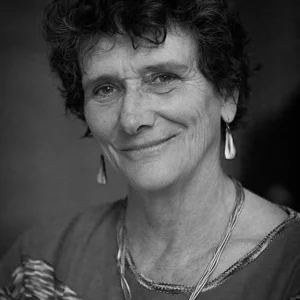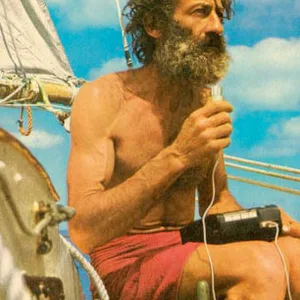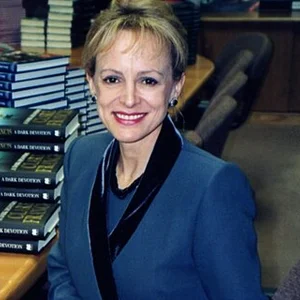

British sailor born in 1946, famous for her solo Atlantic crossings in the 1970s. After her sporting career, she became a successful novelist, notably in the thriller and saga genres.
Clare Francis(1946 — ?)
Clare Francis
Royaume-Uni
5 min read
Frequently asked questions
Key Facts
- Born in 1946 in England.
- In 1976, she crossed the Atlantic solo during the OSTAR race and set a women's record for the crossing.
- In 1977-1978, she skippered a yacht in the Whitbread Round the World Race (a crewed round-the-world race).
- After her career as a sailor, she became a respected novelist from the 1980s onwards.
- She is publicly involved in raising awareness of myalgic encephalomyelitis (chronic fatigue syndrome).
Works & Achievements
Her first major solo voyage, which launched her into offshore racing.
Solo Atlantic crossing in 29 days and the best women's time in the race, finishing 13th overall.
Autobiographical account of her transatlantic race, and a bestseller.
First woman to skipper a yacht in the crewed round-the-world race; finished 5th.
An account of the round-the-world race, seen from the skipper's seat.
Her first novel, a bestseller that launched her successful career as a novelist.
A bestselling thriller, among the dozen or so novels translated worldwide.
Activist commitment to the recognition of chronic fatigue syndrome and to medical research.
Anecdotes
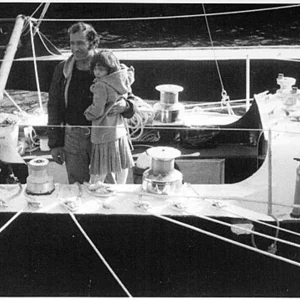
During the 1976 single-handed transatlantic race (OSTAR), Clare Francis's yacht was called “Robertson's Golly,” named after the jam brand that sponsored her. In 29 days, she crossed the Atlantic alone on board and set the women's record for the event, finishing 13th out of more than 120 competitors.
In 1977-1978, she became the first woman to skipper — that is, to take command of — a yacht in the Whitbread, the great crewed round-the-world race. At the helm of “ADC Accutrac,” she led around ten crew members across every ocean and finished 5th.
Nothing seemed to destine Clare Francis for the sea: she first studied classical ballet at the Royal Ballet School, then economics at university. She taught herself to sail almost entirely on her own before throwing herself into the greatest offshore races.
When her sporting career came to an end, she reinvented herself completely. In 1983, her first novel, “Night Sky,” became a best-seller: she would go on to write some fifteen thrillers and sagas translated all over the world.
Struck in the late 1980s by an exhausting chronic illness (myalgic encephalomyelitis, or chronic fatigue syndrome), she put her fame at the service of fellow sufferers and helped found the charity “Action for ME.”
Primary Sources
A first-person account of her solo Atlantic crossing during the 1976 OSTAR, in which she recounts the exhaustion, the fear during storms and the crushing loneliness of the open sea.
A firsthand account of her crewed round-the-world voyage aboard “ADC Accutrac,” describing life on board, the night watches and the responsibility of a skipper facing the ocean.
The British newspaper, which organised the event, reports on the 1976 edition and on the performance of Clare Francis, who set the fastest women's time for the crossing.
Key Places
Village in southern England where Clare Francis was born in 1946.
School where she trained in classical ballet before turning to the sea.
University where she studied economics in her youth.
Port in south-west England, starting line of the single-handed transatlantic race (OSTAR).
American town where the 1976 transatlantic crossing finished.
Start and finish port of the 1977-1978 Whitbread, where she skippered “ADC Accutrac”.
Typical Objects

Before GPS, Clare Francis measured the height of the sun and stars with a sextant to calculate her position in the middle of the ocean.

This mechanical wind-vane device kept the boat on course without electricity, essential for a solo sailor needing to sleep or eat.

Waterproof clothing that protected her from the wind, sea spray and cold during long solo crossings.

Her racing boats, like the “Robertson's Golly”, were fast monohulls built to take on the open sea.

Every day she recorded the course, weather, position and any incidents in it: these notes fed into her published accounts.

The radio allowed her to communicate with land and the other competitors, a vital link in the solitude of the ocean.

Clipped to the boat by a tether, it kept her from going overboard during maneuvers in bad weather.

After the sea, it became the tool of her second career: on it she wrote her racing accounts and then her bestselling novels.
School Curriculum
Vocabulary & Tags
Key Vocabulary
Tags
Daily Life
Morning
At sea, at daybreak, she checks the heading, the state of the sails and the self-steering gear, then takes a fix with the sextant as soon as the sun is visible. Breakfast is swallowed quickly, often between two maneuvers.
Afternoon
The afternoon is spent maintaining the boat: repairing a sail, checking the rigging, adjusting the course according to the wind. She regularly records her position and the weather in the logbook.
Evening
In the evening, she prepares a hot meal and listens to the weather forecast on the radio. Sailing solo, she never really sleeps: she rests in short stretches, her ear tuned to the slightest change.
Food
On board, meals rely on canned food, freeze-dried dishes, biscuits and hot drinks. Everything has to keep for a long time and be prepared quickly, sometimes in heavy rolling seas.
Clothing
While sailing, she wears waterproof oilskins, boots, a life jacket and a safety harness clipped to the boat. Underneath, several layers of wool protect her from the cold and the damp.
Housing
Her “home” at sea is the cramped cabin of the sailboat: a narrow bunk, a chart table and a small stove. On land, she lives in England, where she will later write her novels.
Historical Timeline
Period Vocabulary
Liens externes & ressources
Références
Œuvres
Première traversée de l'Atlantique en solitaire
1973
Record féminin de l'OSTAR
1976
Come Hell or High Water (récit)
1977
Skipper d'« ADC Accutrac » dans la Whitbread
1977-1978
Come Wind or Weather (récit)
1978
Night Sky (roman)
1983
Requiem (roman)
1991