 flip
flipConditum — Spiced Honey Wine from the Orient
Conditum — Spiced Honey Wine from the Orient
Why this dish? The Alexandrian symposion revolved around wine, mixed with water and often spiced. Cleopatra ruled over the world's first spice port: pepper, cinnamon, and Arabian perfumes arrived there via the Red Sea. This perfumed wine embodies the luxury she displayed for her guests, especially Mark Antony, during banquets that became legendary.
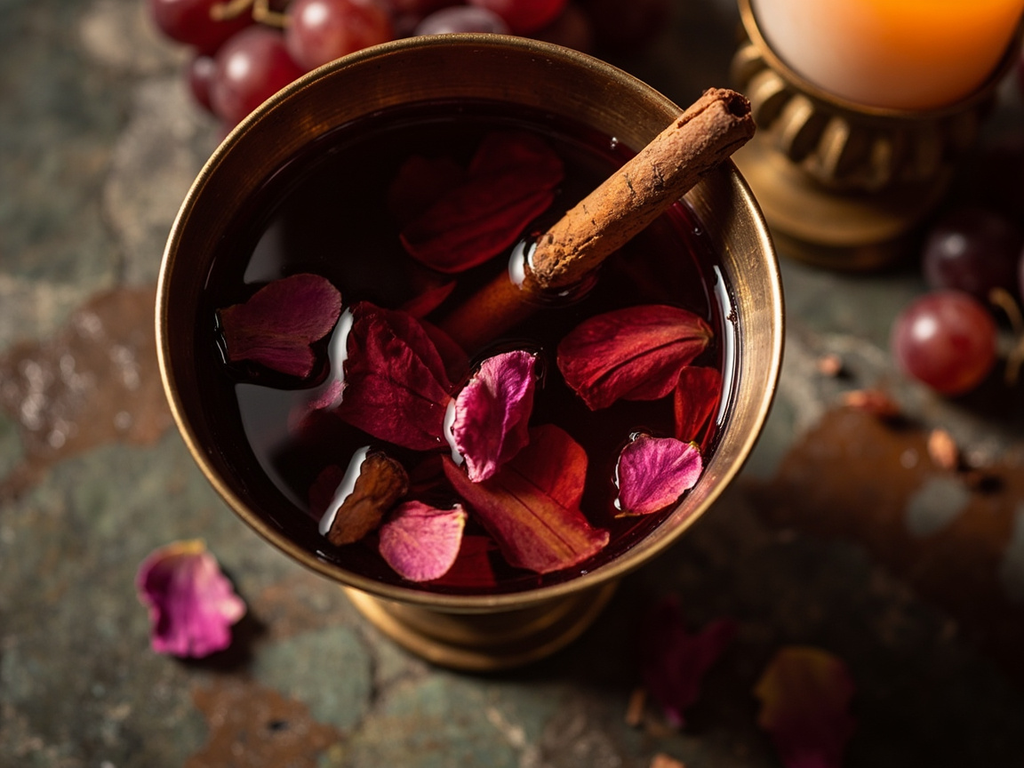
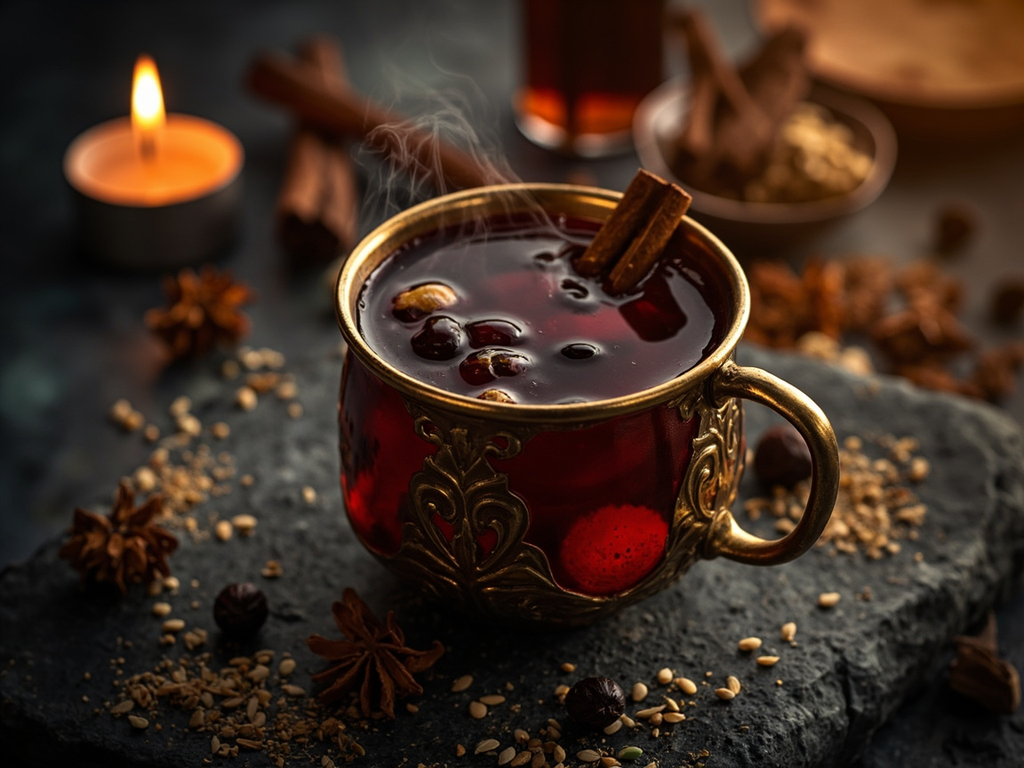
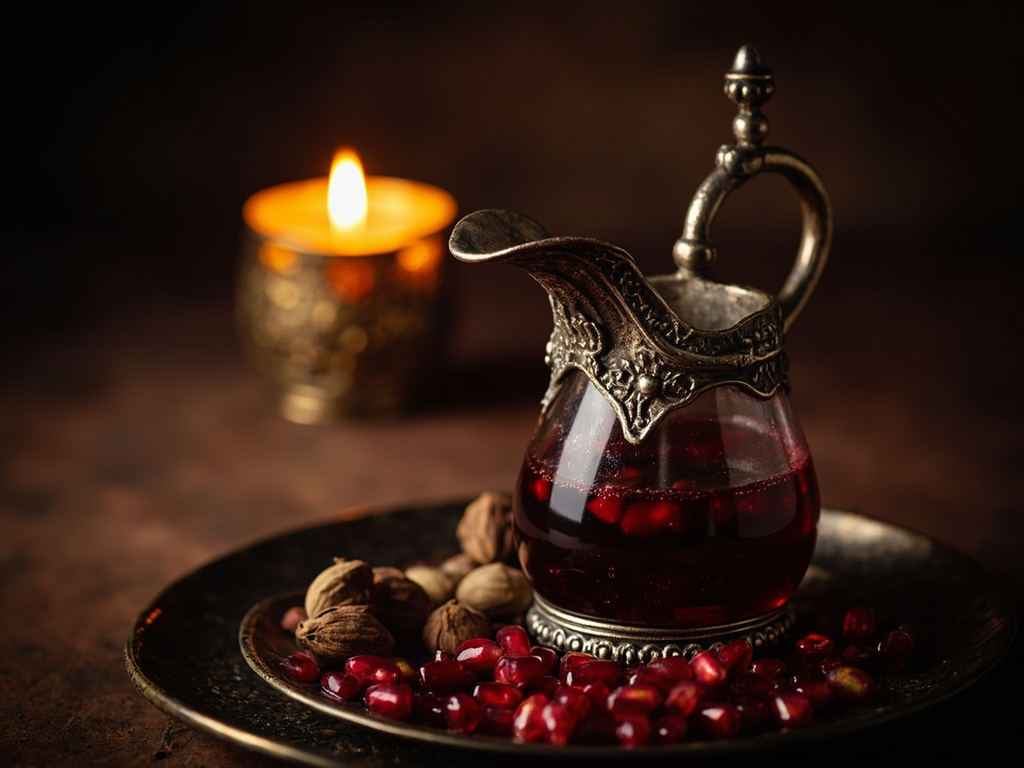
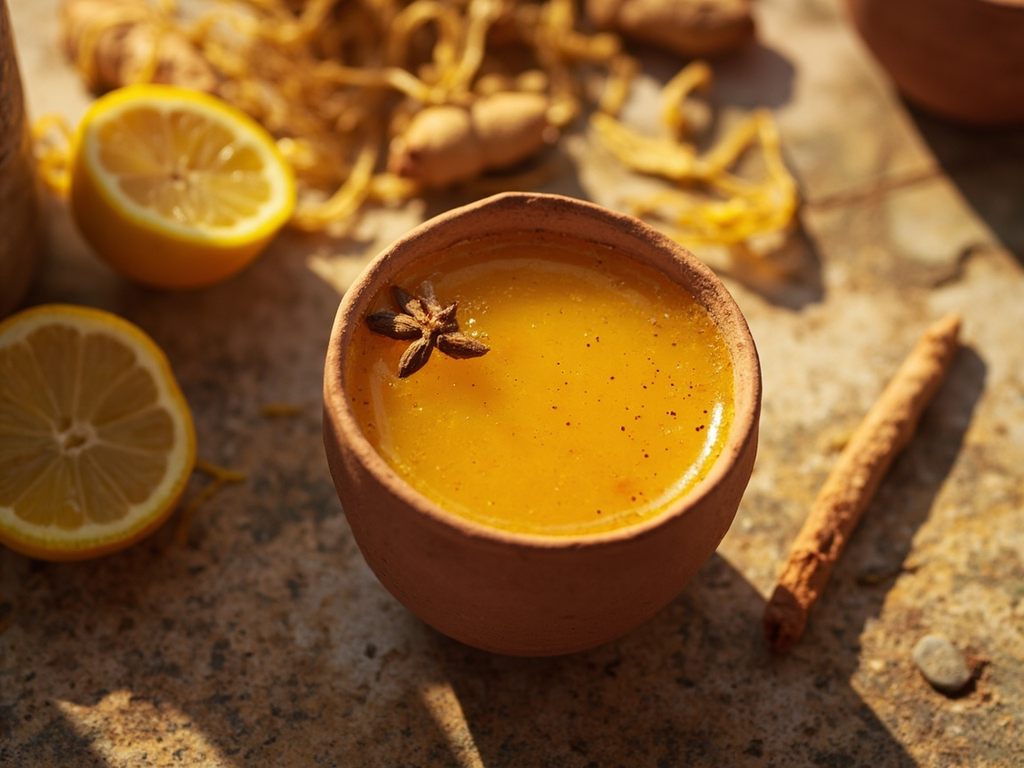
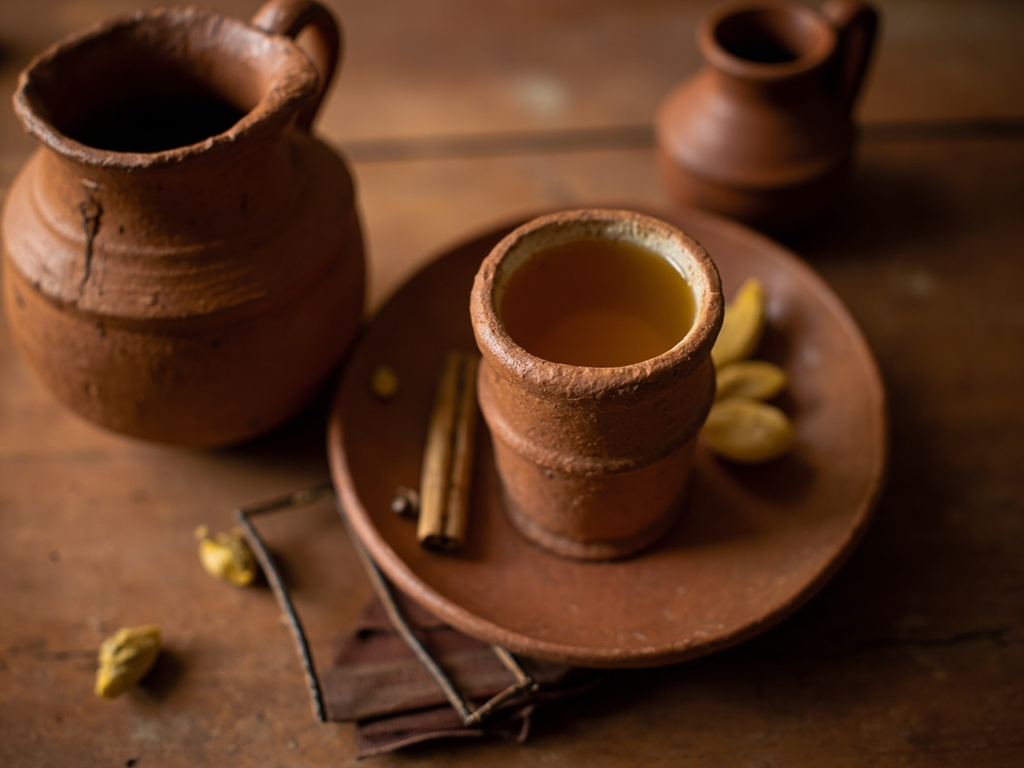
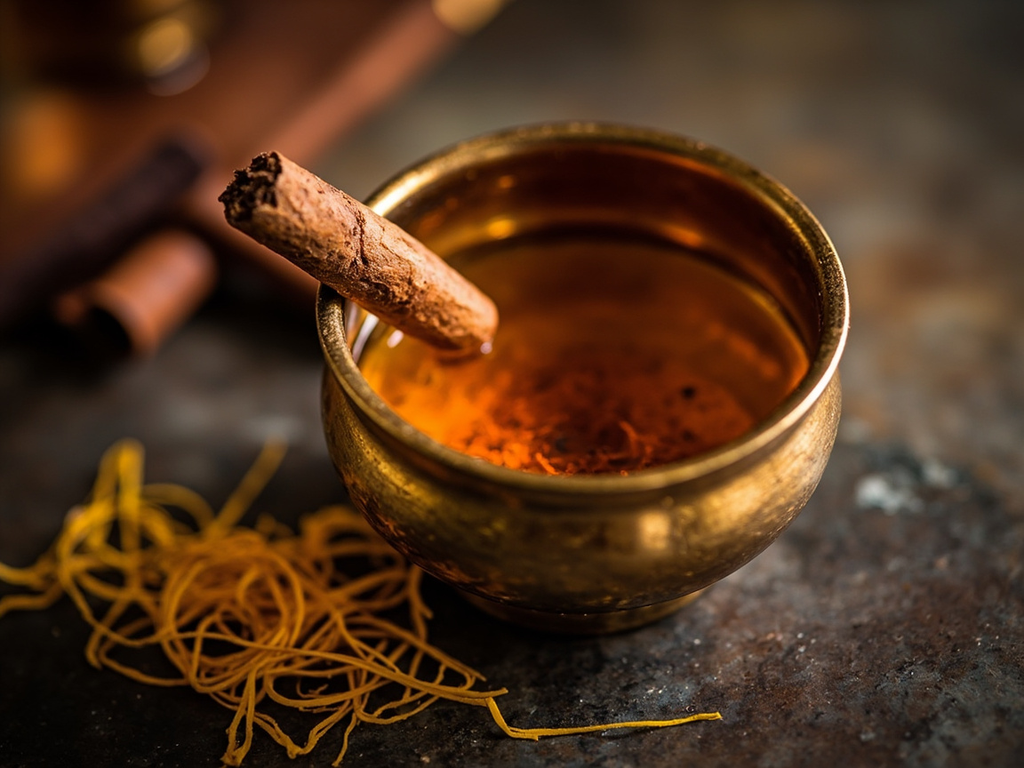
A wine warmed and sweetened with honey, infused with pepper, cinnamon, and a hint of saffron — the *conditum* of the Ancients. Deeply aromatic, it was drunk mixed with water at banquets, a sign of refinement and wealth.
Pour, and let me teach you how a queen drinks. Take Chian wine, the best, marry it with honey, then throw in what my ships bring from the Red Sea: pepper, fragrant cinnamon bark, a few threads of gold-colored saffron. Cut it with water, for only the barbarian drinks his wine neat. Antony, he asked for more until dawn. Drink slowly, stranger — in this cup mingle Egypt, Greece, and the entire Orient.
- •Greek wine (Chios, Lesbos) — a krater (base)
- •Honey — generously (sweetness)
- •Pepper — a few grains (Indian spice)
- •Cinnamon — a piece of bark (Oriental perfume)
- •Saffron — a few threads (precious color and aroma)
- •Water — to mix (temperance)
Conditum — Spiced Honey Wine from the Orient
A wine warmed and sweetened with honey, infused with pepper, cinnamon, and a hint of saffron — the *conditum* of the Ancients. Deeply aromatic, it was drunk mixed with water at banquets, a sign of refinement and wealth.
Why this dish? The Alexandrian symposion revolved around wine, mixed with water and often spiced. Cleopatra ruled over the world's first spice port: pepper, cinnamon, and Arabian perfumes arrived there via the Red Sea. This perfumed wine embodies the luxury she displayed for her guests, especially Mark Antony, during banquets that became legendary.
Pour, and let me teach you how a queen drinks. Take Chian wine, the best, marry it with honey, then throw in what my ships bring from the Red Sea: pepper, fragrant cinnamon bark, a few threads of gold-colored saffron. Cut it with water, for only the barbarian drinks his wine neat. Antony, he asked for more until dawn. Drink slowly, stranger — in this cup mingle Egypt, Greece, and the entire Orient.
Ingredients (period version)
- Greek wine (Chios, Lesbos) — a krater (base)
- Honey — generously (sweetness)
- Pepper — a few grains (Indian spice)
- Cinnamon — a piece of bark (Oriental perfume)
- Saffron — a few threads (precious color and aroma)
- Water — to mix (temperance)
Ingredients
- Sweet white wine or light red wine — 75 cl (base)
- Honey — 100 g (sweetness)
- Black peppercorns — 6 (spice)
- Cinnamon stick — 1 (signature perfume)
- Saffron threads — a pinch (color and aroma)
- Water — to taste (dilution)
Method
- Gently warm one-third of the wine with the honey until dissolved, without boiling.
- Add cracked pepper, cinnamon, and saffron; let infuse off heat for 20 minutes.
- Pour in the remaining cold wine and strain to remove spices.
- Serve warm or chilled, diluted with a little water as per ancient custom.
- Taste and adjust honey: the conditum should be boldly aromatic but balanced.
How it was made : The *conditum* (or spiced/myrrh-flavored wine) is well attested in the Greco-Roman world: Apicius gives a recipe with wine, honey, and spices. Wine was almost always mixed with water in a large vase, the krater; drinking 'neat' was considered excessive. Alexandria, the terminus of incense and spice routes, gave its court unique access to pepper and cinnamon, goods of considerable value.
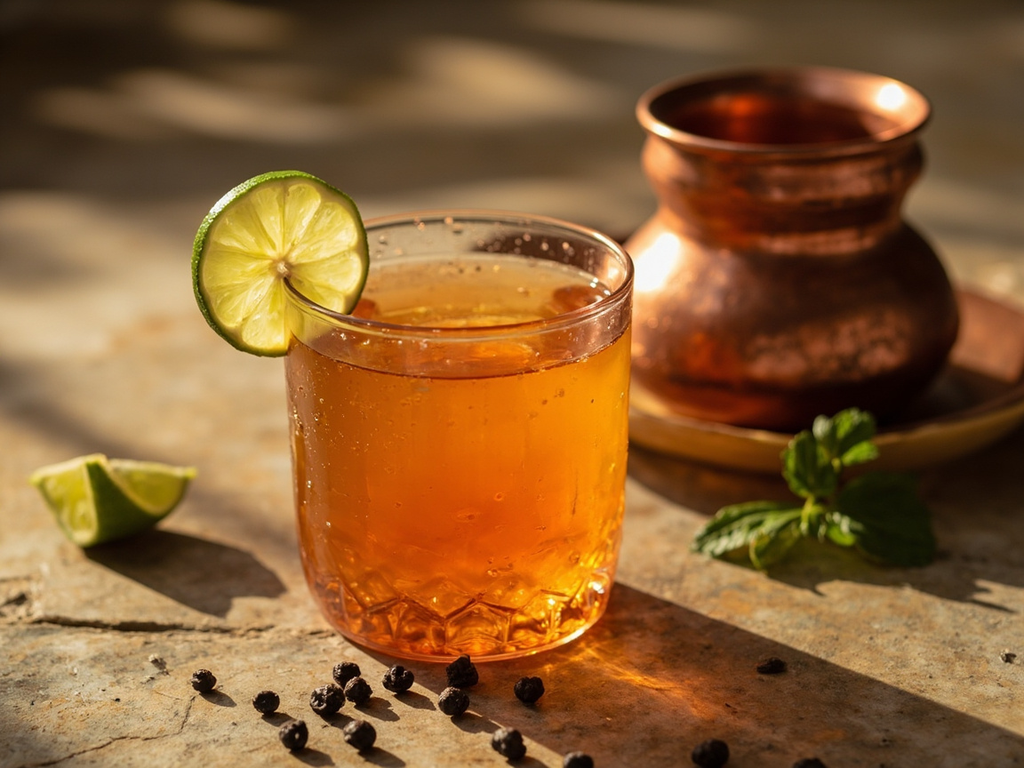
The contemporary twist : Served chilled in summer in frosty cups, this conditum becomes a surprisingly modern ancient-inspired aperitif.
Sources : Apicius, De re coquinaria (conditum paradoxum) · Pliny the Elder, Natural History (spice trade via Alexandria)
Cleopatra · Charactorium