 flip
flipWojápi — thick chokecherry compote
Wojápi — thick chokecherry compote
Why this dish? During the great Sun Dances and councils where Lakota bands gathered — like the one that preceded the summer of Little Bighorn — wojápi passed from hand to hand. This wild fruit sweetness marked feast days and the abundance of a united camp.
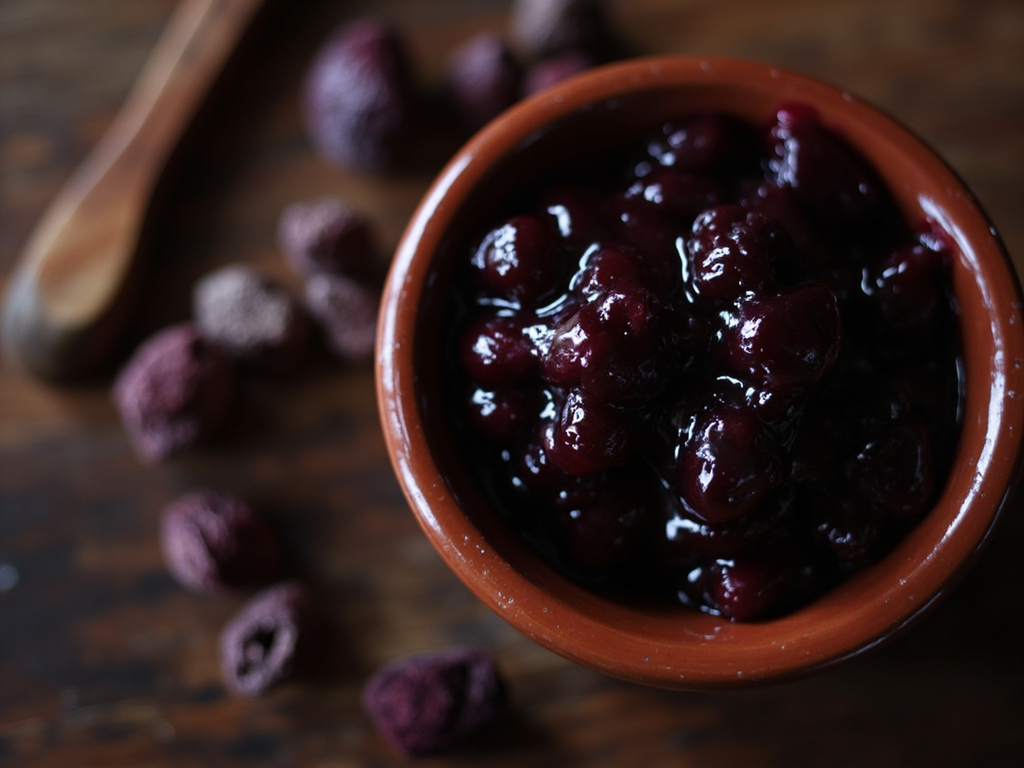
A thick, dark compote of simmered and thickened chokecherries, halfway between jam and pudding. Eaten with a spoon or used as a dip for fry bread during gatherings and ceremonies.
On days when the bands gather, when fires are many and songs rise to the stars, the women prepare wojápi. They cook the čhaŋpȟá until they become dark and thick like the earth after rain. It is sweet, it is tart, it is the color of late summer. We share it: a united camp is a rich camp, and the rich are known by what they give.
- •Chokecherries (čhaŋpȟá) — a large basket (base, fruit)
- •Spring water — enough to cover (cooking)
- •Root flour (timpsila) — a handful (thickener)
- •Wild honey (if available) — a drizzle (sweetness)
Wojápi — thick chokecherry compote
A thick, dark compote of simmered and thickened chokecherries, halfway between jam and pudding. Eaten with a spoon or used as a dip for fry bread during gatherings and ceremonies.
Why this dish? During the great Sun Dances and councils where Lakota bands gathered — like the one that preceded the summer of Little Bighorn — wojápi passed from hand to hand. This wild fruit sweetness marked feast days and the abundance of a united camp.
On days when the bands gather, when fires are many and songs rise to the stars, the women prepare wojápi. They cook the čhaŋpȟá until they become dark and thick like the earth after rain. It is sweet, it is tart, it is the color of late summer. We share it: a united camp is a rich camp, and the rich are known by what they give.
Ingredients (period version)
- Chokecherries (čhaŋpȟá) — a large basket (base, fruit)
- Spring water — enough to cover (cooking)
- Root flour (timpsila) — a handful (thickener)
- Wild honey (if available) — a drizzle (sweetness)
Ingredients
- Cherries or blackberries + cranberries — 500 g (base, fruit)
- Water — 250 ml (cooking)
- Cornstarch or potato starch — 1 tbsp (thickener)
- Honey — 2 to 3 tbsp (sweetness)
Method
- Pit the fruit (essential today) and cook with water over low heat.
- Mash with a spoon and let reduce for 20 minutes until a dark compote forms.
- Dissolve the starch in a little cold water, stir in and cook for 2 minutes, stirring until thickened.
- Sweeten with honey to taste, lightly — wojápi remains tart and fruity.
- Serve warm, alone with a spoon or with fry bread for dipping.
How it was made : Traditional wojápi was thickened with root flour (timpsila) before wheat flour arrived through trade. Chokecherries were dried into cakes for winter, then rehydrated and cooked. The modern version with starch reproduces the same texture.
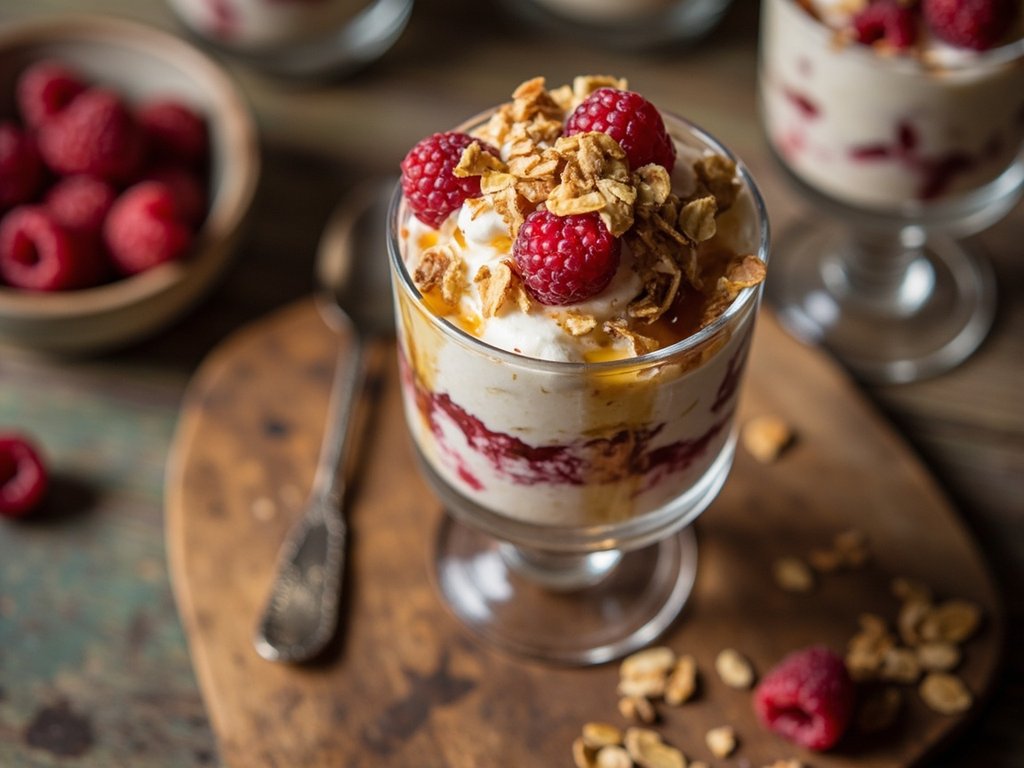
The contemporary twist : Serve in a small glass with a quenelle of cream and call it by its Lakota name — a wild 19th-century dessert that holds its own against today's coulis.
Sources : Standing Bear, L., 'Land of the Spotted Eagle' (1933) · Kindscher, K., 'Edible Wild Plants of the Prairie' (1987)
Crazy Horse · Charactorium