 flip
flipHoney and Sesame Cakes for the Oracle
Honey and Sesame Cakes for the Oracle
Why this dish? No name is more linked to Croesus than that of Delphi: he sent fabulous gold offerings there before consulting the oracle about his war against Cyrus. Alongside gold, the Greeks offered honey cakes (pelanos, popana); these small sweet cakes evoke that royal piety.
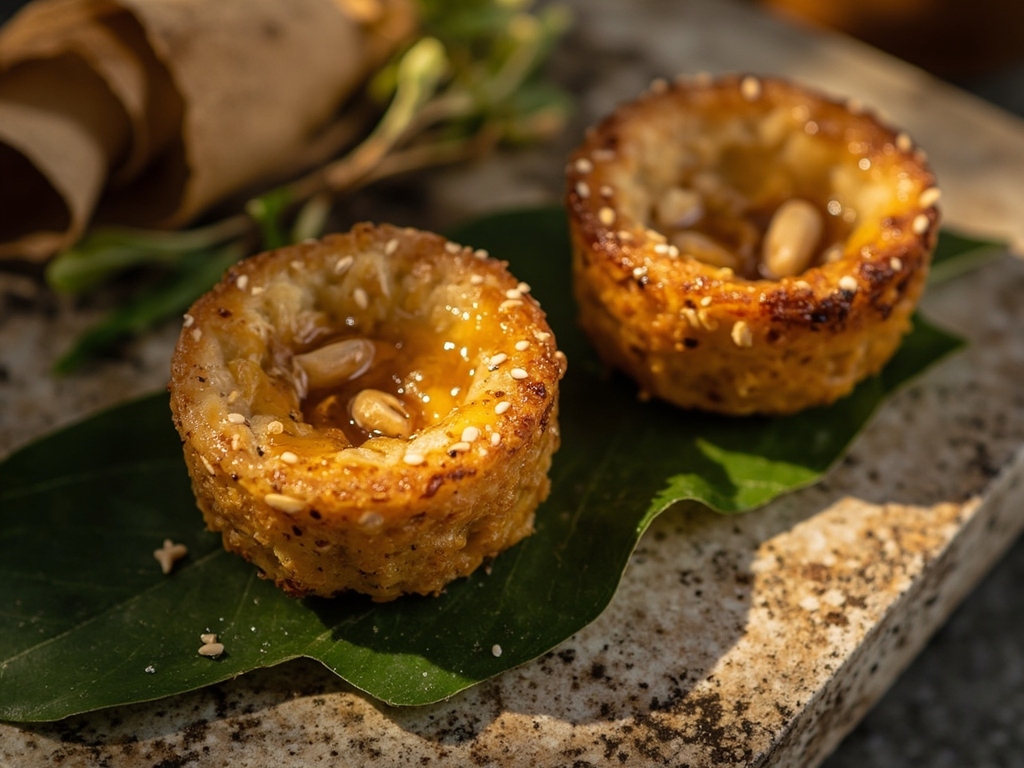
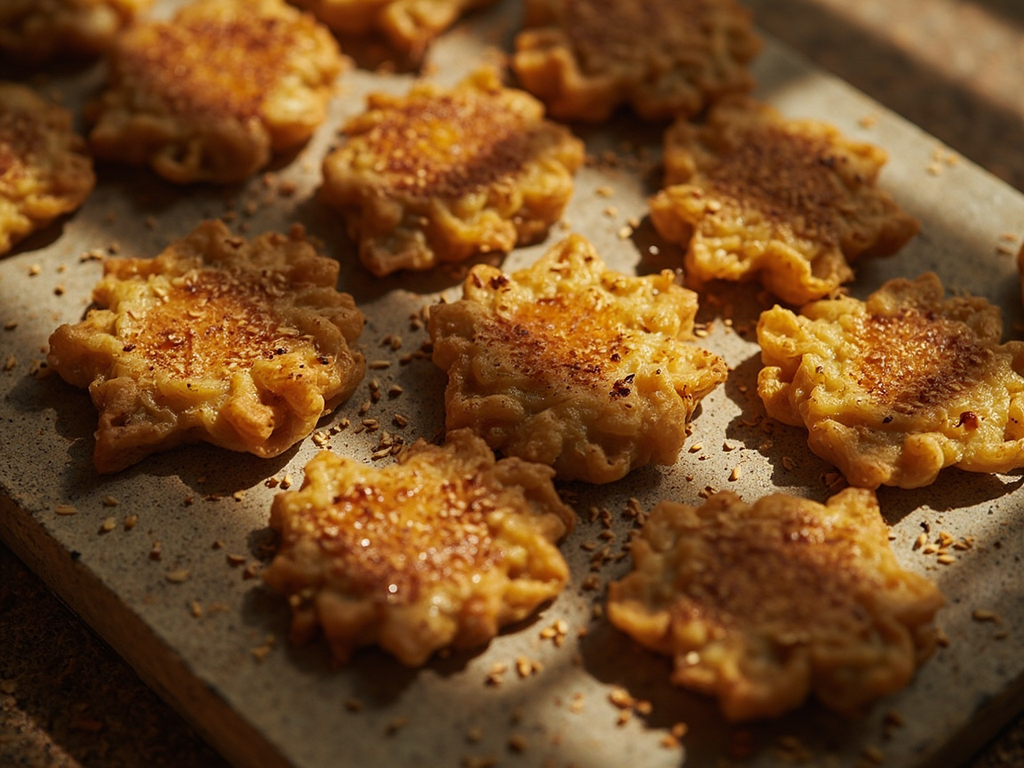
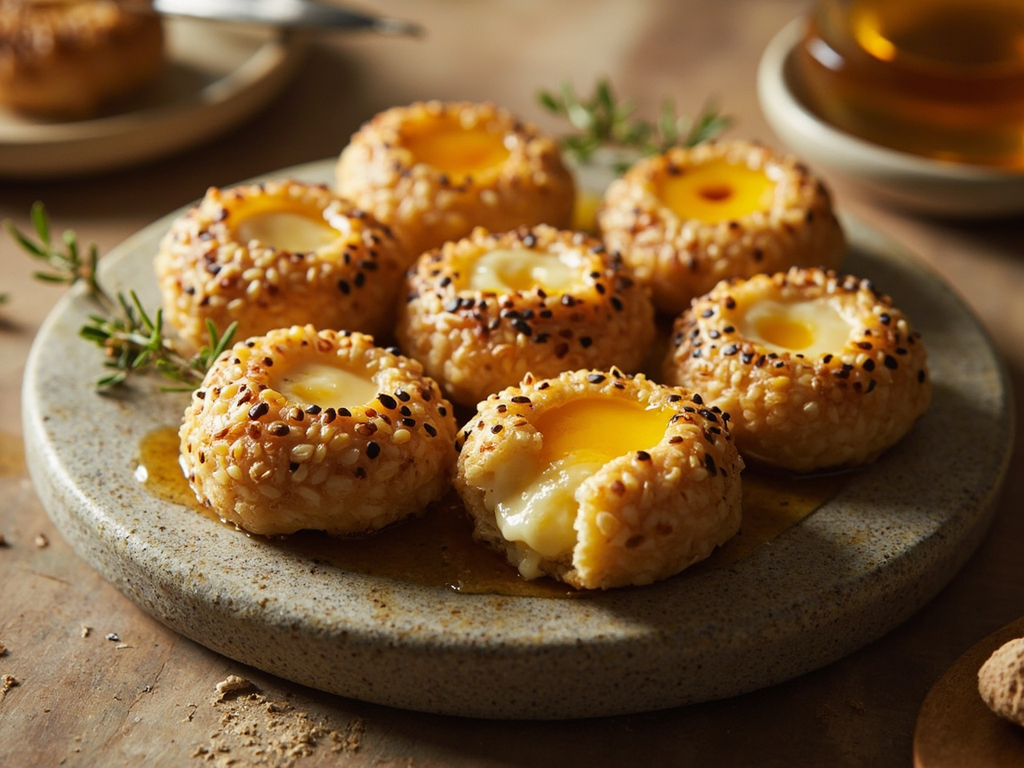
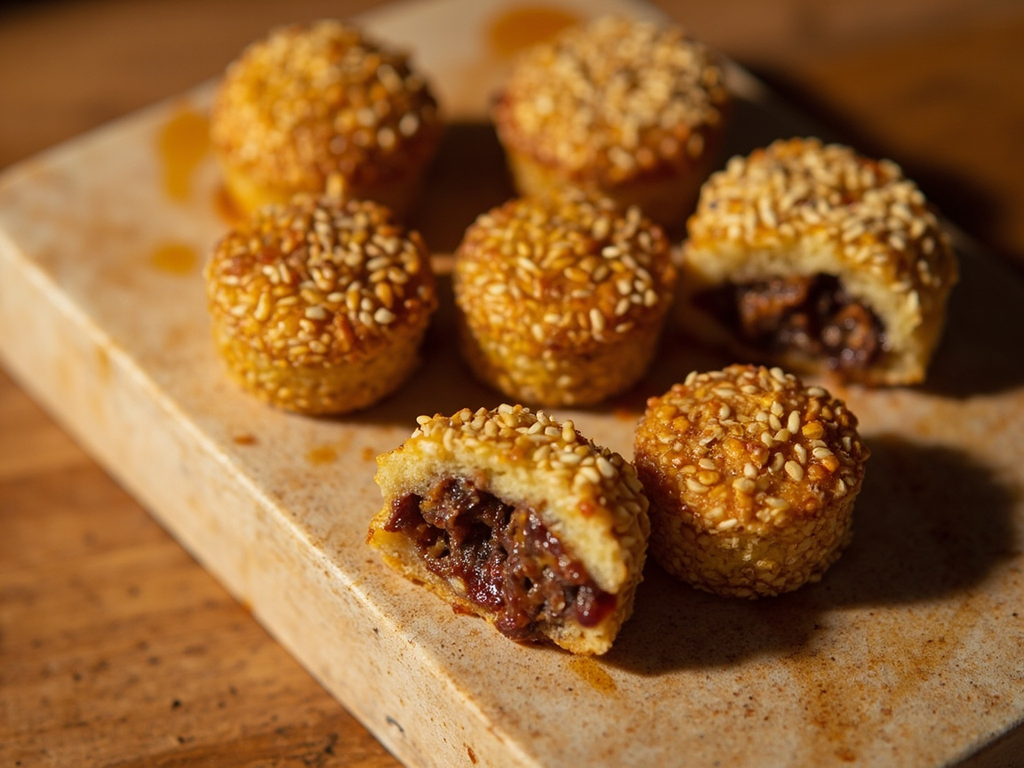
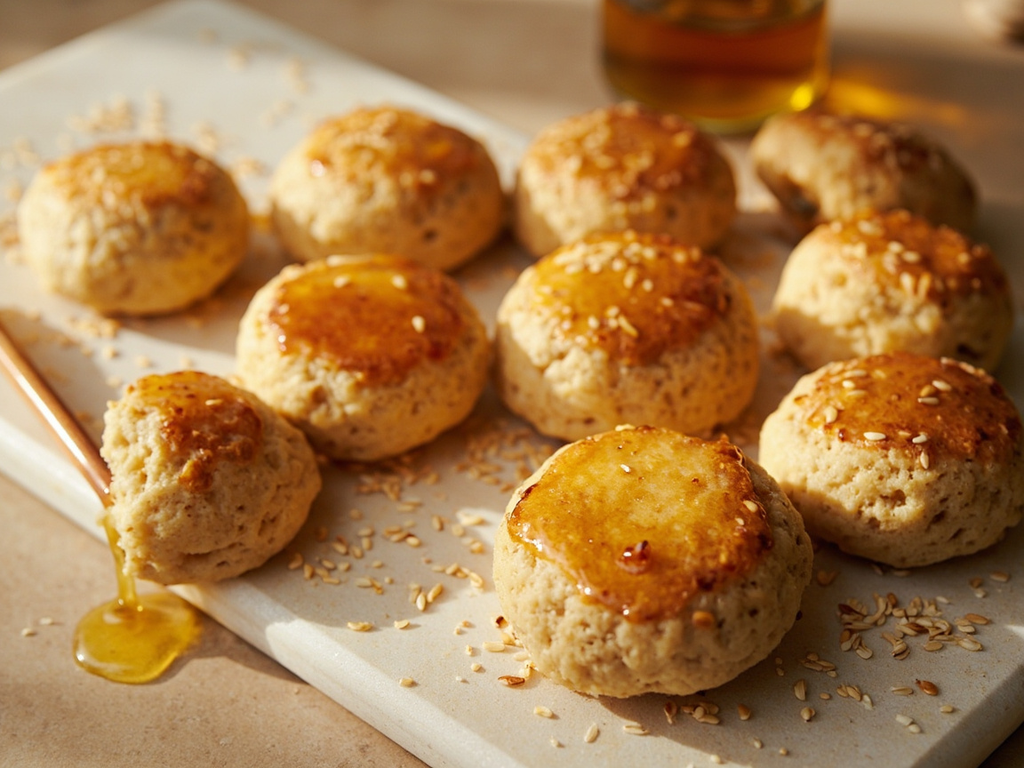
Small round cakes of flour and honey, sprinkled with sesame, lightly grilled. Modest next to Croesus's gold tripods, they represent the other side of offering: the sweet part destined for the gods' table.
I covered Delphi with gold — ingots, a solid gold lion, silver craters — so that the god would tell me whether I should cross the Halys. But gold is not all one deposits: on the altar we also offer these honey and sesame cakes, humble and fragrant, shaped by pious hands. "If you cross the river, you will destroy a great empire," the oracle answered; I did not understand that it would be my own. Offer these cakes better than I listened.
- •Wheat flour — a measure (base)
- •Honey — generously (sweetener, binder)
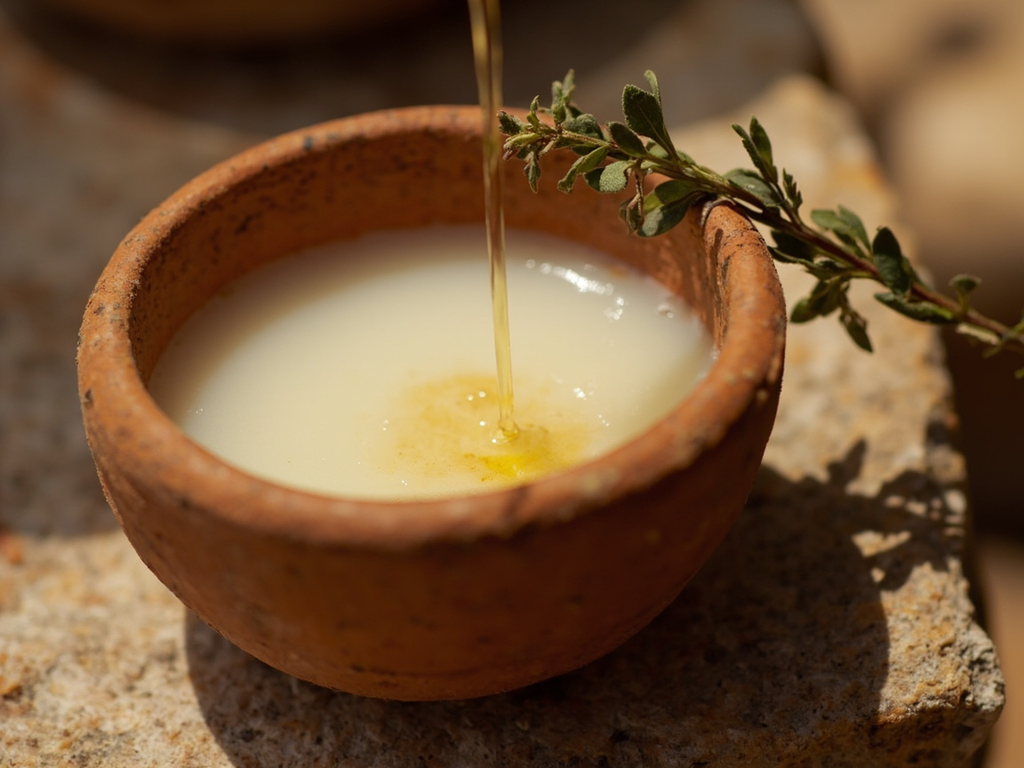
- •Olive oil — a drizzle (softness)
- •Sesame seeds — a handful (flavor, garnish)
- •Water — for the dough (binder)
Honey and Sesame Cakes for the Oracle
Small round cakes of flour and honey, sprinkled with sesame, lightly grilled. Modest next to Croesus's gold tripods, they represent the other side of offering: the sweet part destined for the gods' table.
Why this dish? No name is more linked to Croesus than that of Delphi: he sent fabulous gold offerings there before consulting the oracle about his war against Cyrus. Alongside gold, the Greeks offered honey cakes (pelanos, popana); these small sweet cakes evoke that royal piety.
I covered Delphi with gold — ingots, a solid gold lion, silver craters — so that the god would tell me whether I should cross the Halys. But gold is not all one deposits: on the altar we also offer these honey and sesame cakes, humble and fragrant, shaped by pious hands. "If you cross the river, you will destroy a great empire," the oracle answered; I did not understand that it would be my own. Offer these cakes better than I listened.
Ingredients (period version)
- Wheat flour — a measure (base)
- Honey — generously (sweetener, binder)
- Olive oil — a drizzle (softness)
- Sesame seeds — a handful (flavor, garnish)
- Water — for the dough (binder)
Ingredients
- Wheat flour — 200 g (base)
- Honey (thyme or blossom) — 100 g (sweetener)
- Mild olive oil — 3 tbsp (softness)
- Sesame seeds — 4 tbsp (garnish)
- Water — 5-7 cl (binder)
Method
- Mix the flour, oil, and half the honey, then add water gradually until a soft dough forms.
- Incorporate half the sesame seeds, shape into small flattened round cakes.
- Cook in a pan or oven (180°C) until golden, 10-12 minutes.
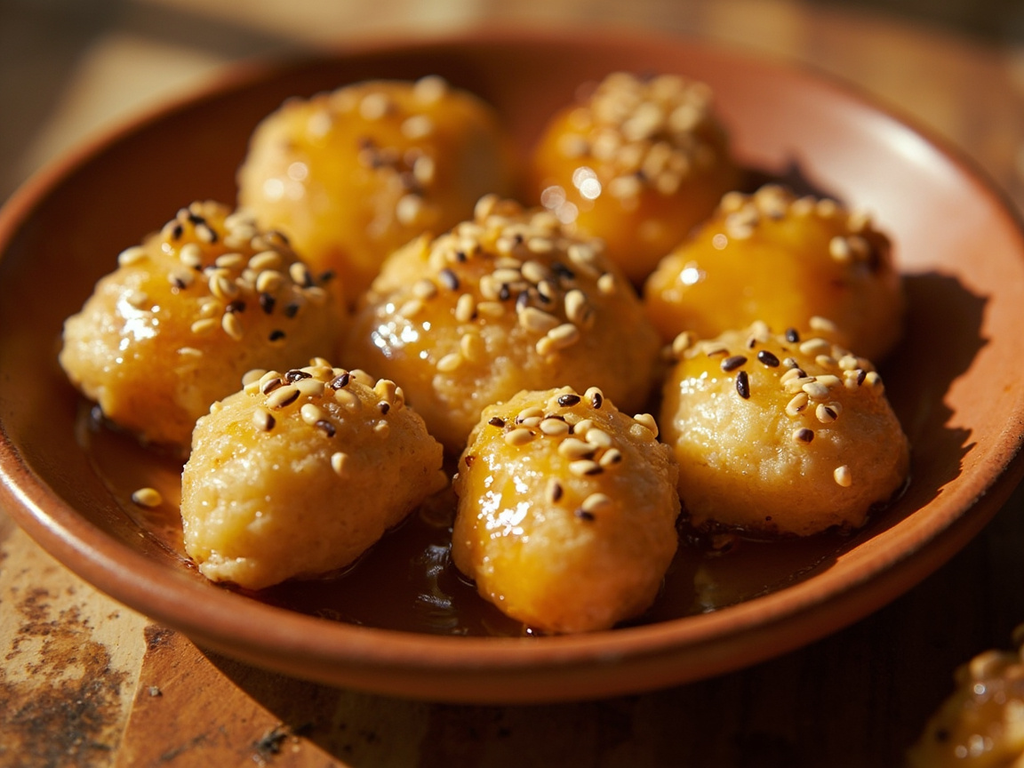
- Upon removal, brush with the remaining honey and sprinkle with the rest of the sesame seeds.
- Let cool slightly: the honey forms a shiny, sticky glaze.
How it was made : In Greek cult, ritual cakes (pelanos, popana, pemmata) made from flour, honey, and sometimes sesame or oil were offered to the gods, placed on the altar alongside libations. At Delphi, material offerings accompanied the consultation of the Pythia. According to Herodotus, Croesus made gold dedications there that became proverbial.
The contemporary twist : Golden and honey-glazed, arranged in a crown around a small bowl of honey for dipping: a "cake of the gods" for a snack that tells a story.
Sources : Herodotus, Histories, book I (Croesus's offerings at Delphi, the oracle on the Halys) · Athenaeus of Naucratis, Deipnosophists (cakes: popana, pemmata with honey and sesame)
Croesus of Lydia · Charactorium