 flip
flipÆbleskiver — Danish Advent doughnuts
Æbleskiver — Danish Advent doughnuts
Why this dish? Hertzsprung was Danish to the core, attached to Nordic festivities. Æbleskiver, Christmas doughnuts turned in their cast-iron mold, are the Danish Advent family ritual — the sweet shared with coffee during the long winter night, the prime season for astronomical observations.
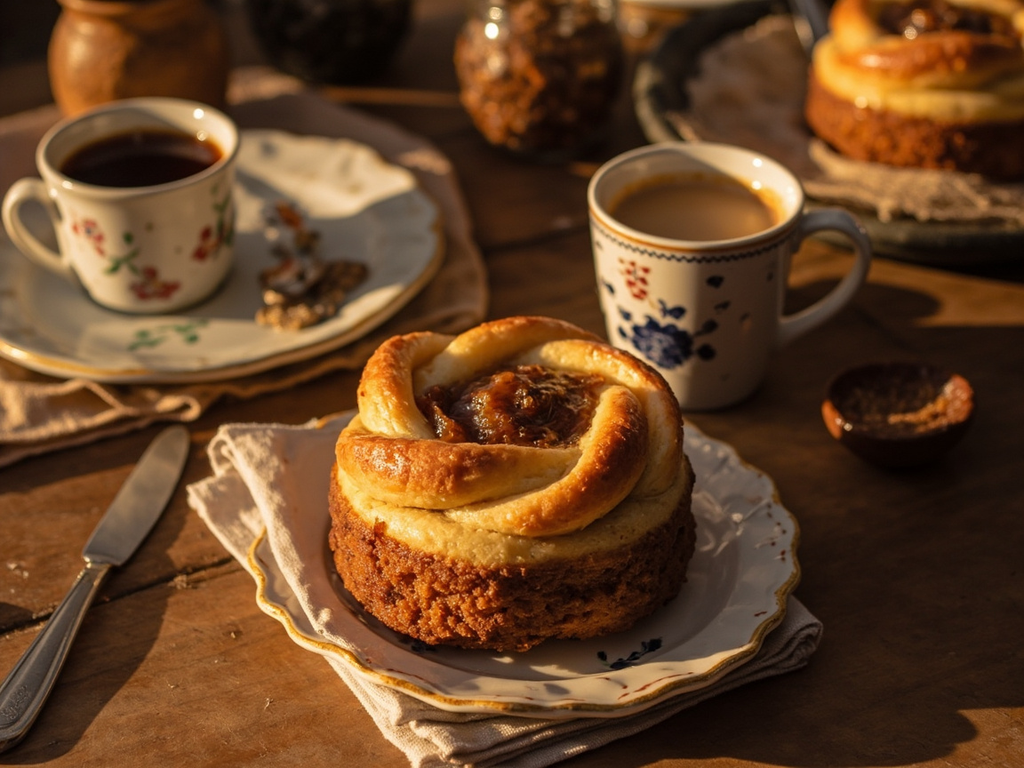
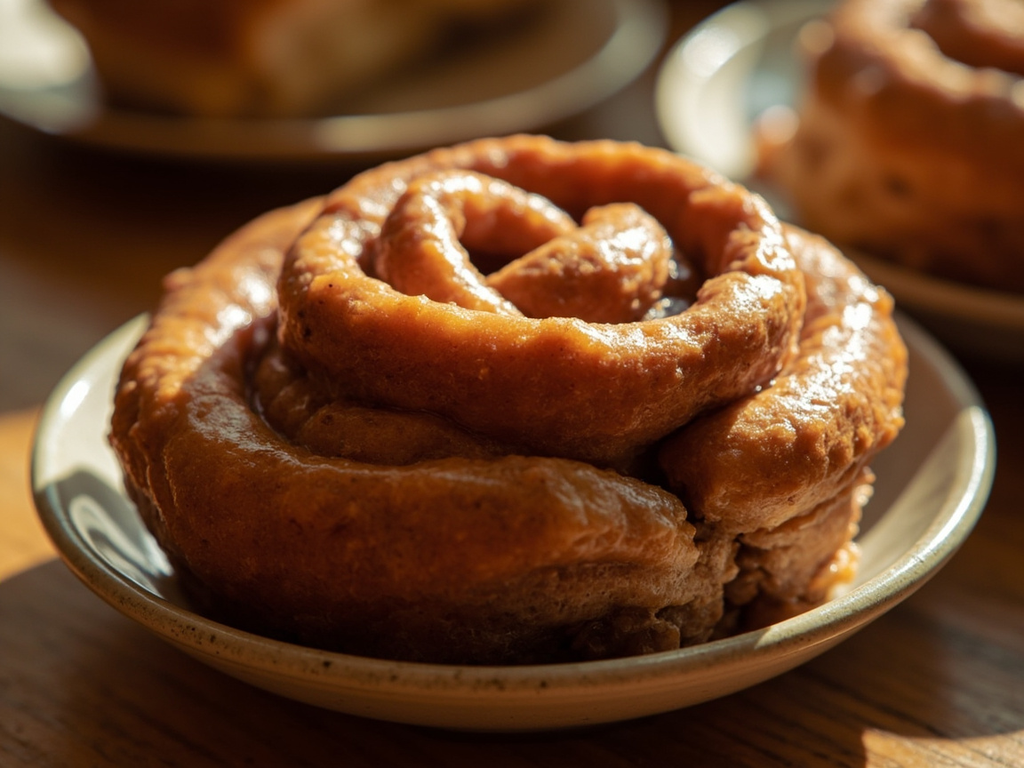
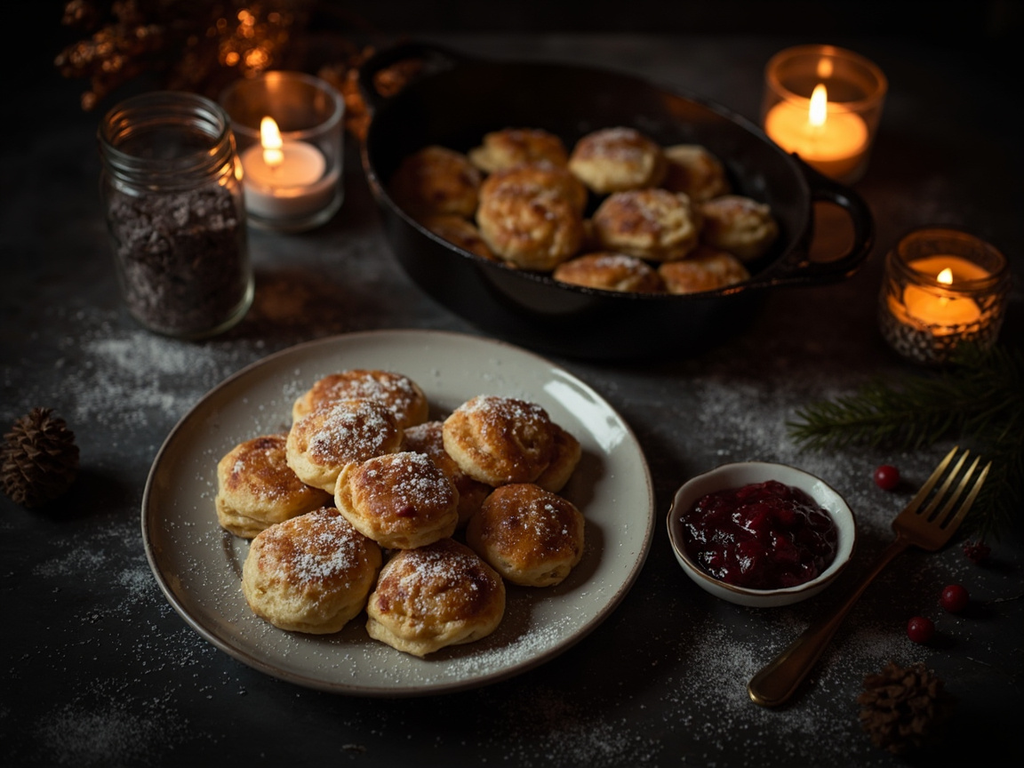
Small balls of yeasted batter, golden and crispy outside, soft inside, cooked in a dimpled pan then rolled in sugar and served with jam. The Danish winter festival on the tip of the fork.
Ah, this belongs to December evenings! We would bring out the cast-iron pan, heavy as a moonstone, and pour the batter into each dimple. The whole art is to turn them a quarter turn with a knitting needle, at just the right moment, so that they form a perfect sphere — I confess I applied the same patience as when pointing at a faint star. Rolled in sugar, burning hot, we would pick them up with our hands around the coffee, and the night outside could be freezing cold.
- •Wheat flour — two good cups (structure)
- •Buttermilk — enough for a flowing batter (acidic liquid)
- •Eggs — a few, yolks and whites separated (binder and lightness)
- •Butter — a knob per dimple (cooking)
- •Ground cardamom — a pinch (Nordic fragrance)
- •Sugar — for rolling (finishing)
Æbleskiver — Danish Advent doughnuts
Small balls of yeasted batter, golden and crispy outside, soft inside, cooked in a dimpled pan then rolled in sugar and served with jam. The Danish winter festival on the tip of the fork.
Why this dish? Hertzsprung was Danish to the core, attached to Nordic festivities. Æbleskiver, Christmas doughnuts turned in their cast-iron mold, are the Danish Advent family ritual — the sweet shared with coffee during the long winter night, the prime season for astronomical observations.
Ah, this belongs to December evenings! We would bring out the cast-iron pan, heavy as a moonstone, and pour the batter into each dimple. The whole art is to turn them a quarter turn with a knitting needle, at just the right moment, so that they form a perfect sphere — I confess I applied the same patience as when pointing at a faint star. Rolled in sugar, burning hot, we would pick them up with our hands around the coffee, and the night outside could be freezing cold.
Ingredients (period version)
- Wheat flour — two good cups (structure)
- Buttermilk — enough for a flowing batter (acidic liquid)
- Eggs — a few, yolks and whites separated (binder and lightness)
- Butter — a knob per dimple (cooking)
- Ground cardamom — a pinch (Nordic fragrance)
- Sugar — for rolling (finishing)
Ingredients
- All-purpose flour — 250 g (structure)
- Buttermilk (or milk + lemon juice) — 300 ml (acidic liquid)
- Eggs — 3, whites whipped separately (binder and lightness)
- Baking powder — 1 tsp (leavening)
- Ground cardamom — 1/2 tsp (Nordic fragrance)
- Sugar — 2 tbsp + for rolling (sweetness and finishing)
- Butter — for the dimples (cooking)
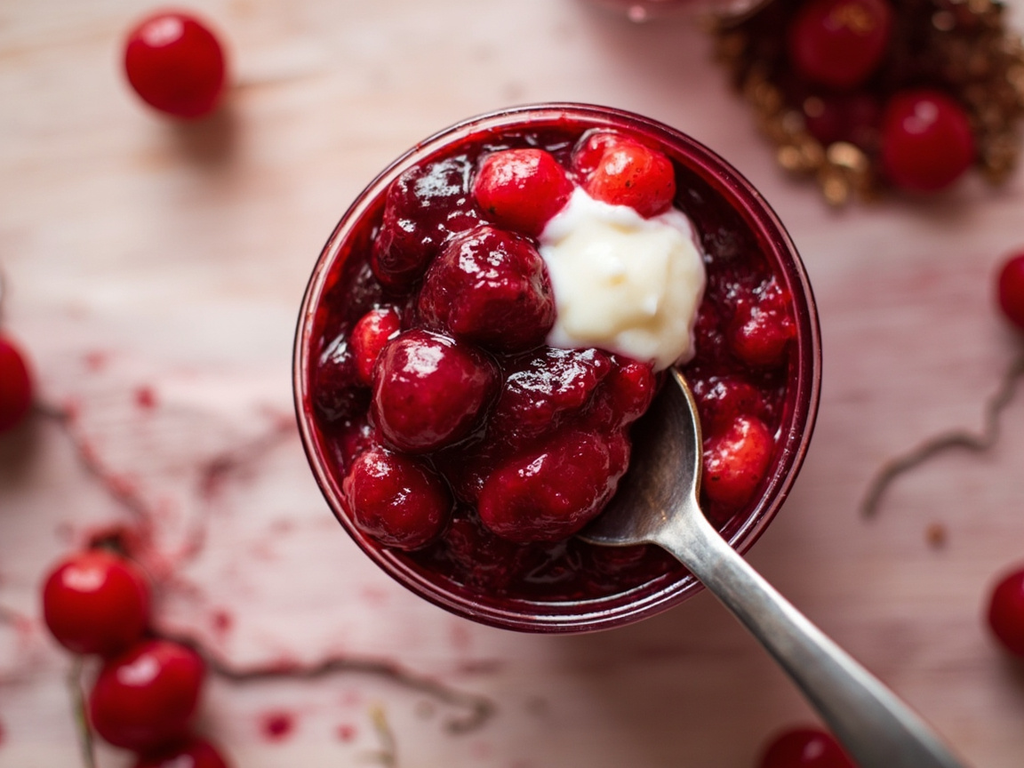
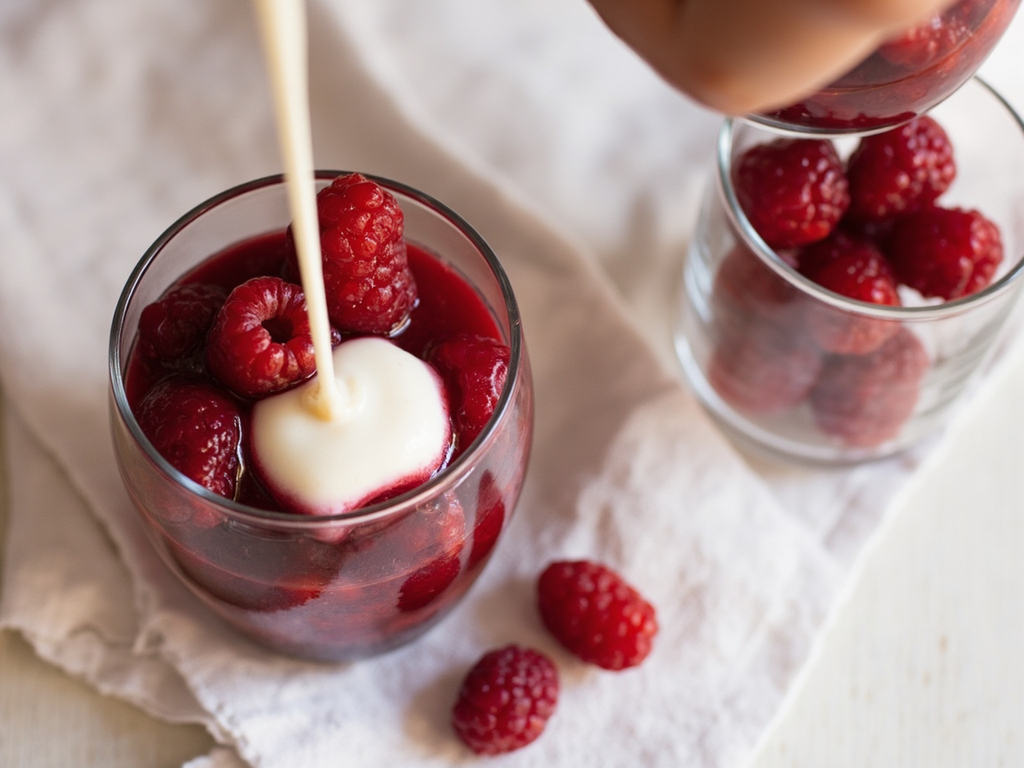
- Red berry jam — for serving (accompaniment)
Method
- Mix flour, baking powder, sugar, cardamom and a pinch of salt. Incorporate egg yolks and buttermilk to obtain a thick, smooth batter.
- Whip the egg whites to stiff peaks and gently fold them in: they are what make it fluffy.
- Heat the æbleskiver pan (or a half-sphere mold), butter each dimple and fill three-quarters full.
- As soon as the edges set, turn each ball a quarter turn with a skewer; repeat until a golden sphere is cooked through.
- Roll in sugar and serve hot with jam, accompanied by coffee.
How it was made : Æbleskiver ("apple slices", because apple pieces were once inserted) have been cooked for centuries in a specific cast-iron pan. In Hertzsprung's time, they were a Christmas and Advent staple, shared with gløgg and coffee in every Danish home.
The contemporary twist : A touch of orange zest in the batter and a dusting of icing sugar: a contemporary version from Copenhagen cafés.
Ejnar Hertzsprung · Charactorium