 flip
flipAfternoon Tea Scones
Afternoon Tea Scones
Why this dish? Rutherford took afternoon tea, an "indispensable habit of university life at Cambridge". Tea-time with warm scones, cream, and jam structured the days at the Cavendish Laboratory.
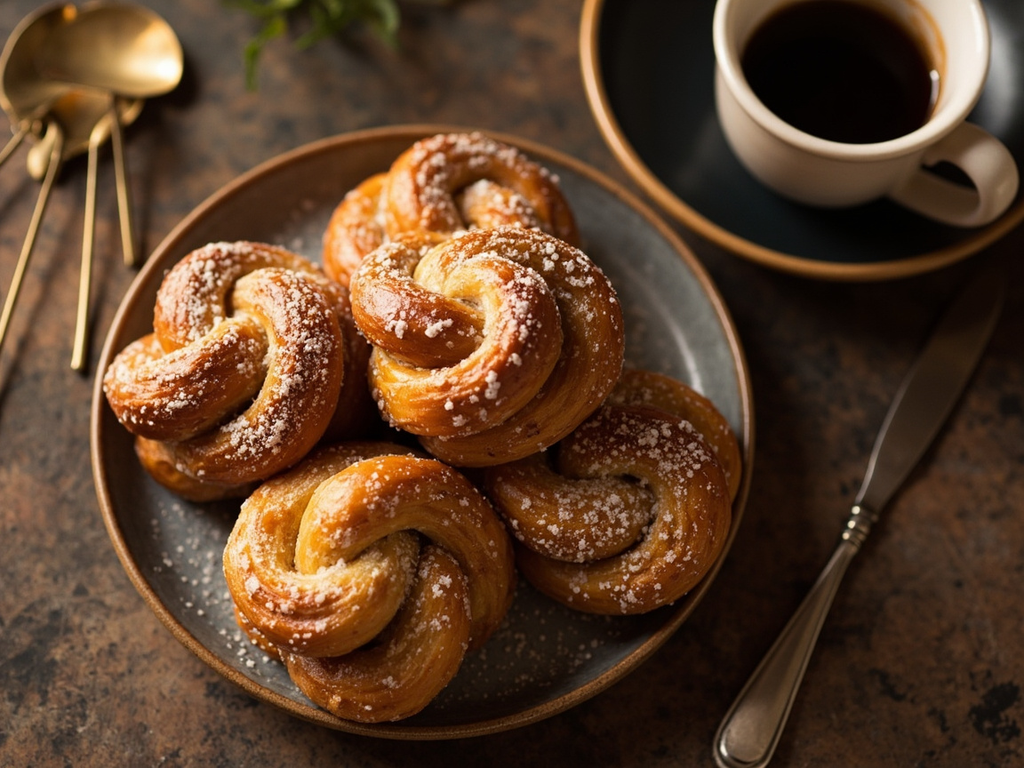
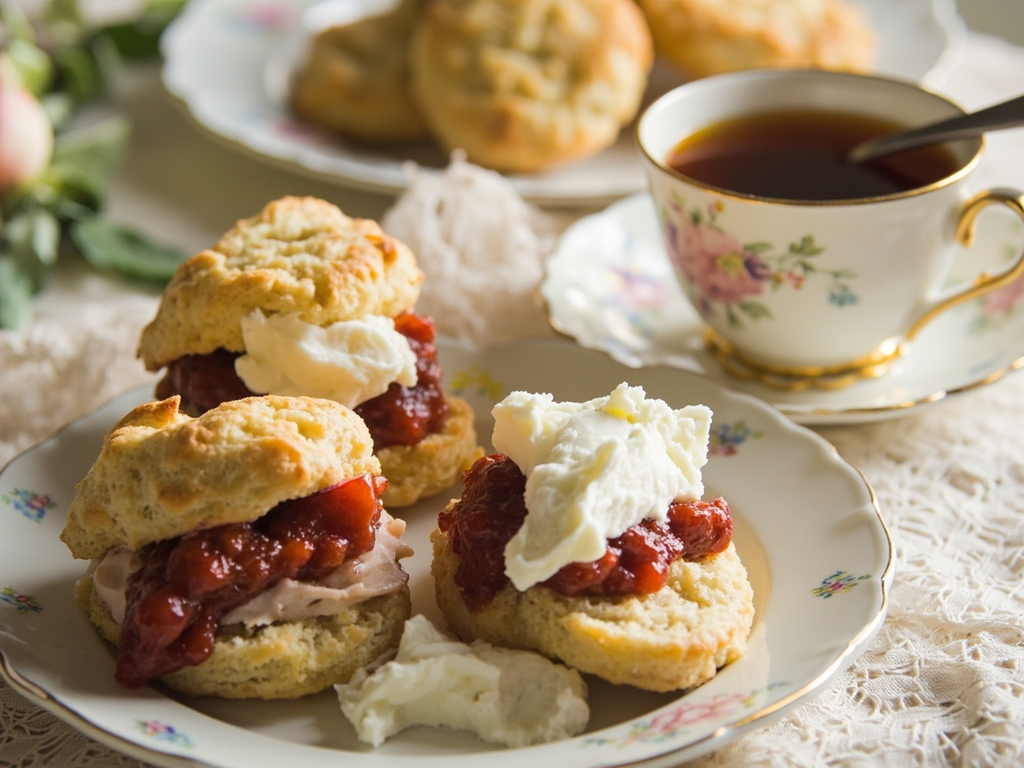
Small brioche-like buns, light and crumbly, split warm and spread with thick clotted cream and strawberry jam. The inseparable companion of black afternoon tea.
Come, let us set down the test tubes for half an hour — in the afternoon, one takes tea, it is sacred! At the Cavendish, my students quickly learned that nothing good comes from a brain deprived of its tea-time. Split the scone while it is warm, spread the cream thickly, then the jam on top — or the reverse, it matters not, I never wished to settle that quarrel, it is fiercer than my debates on the atom! Drink your tea strong, with a splash of milk. And now, back to work.
- •Wheat flour — a good amount (base)
- •Fresh butter — a generous knob (crumbly texture)
- •Fresh milk — to bind (binder)
- •Sugar — a spoonful (light sweetness)
- •Baking powder — a pinch (leavening)
- •Clotted cream and strawberry jam — as needed (topping)
- •Black tea, milk — a teapot (accompanying drink)
Afternoon Tea Scones
Small brioche-like buns, light and crumbly, split warm and spread with thick clotted cream and strawberry jam. The inseparable companion of black afternoon tea.
Why this dish? Rutherford took afternoon tea, an "indispensable habit of university life at Cambridge". Tea-time with warm scones, cream, and jam structured the days at the Cavendish Laboratory.
Come, let us set down the test tubes for half an hour — in the afternoon, one takes tea, it is sacred! At the Cavendish, my students quickly learned that nothing good comes from a brain deprived of its tea-time. Split the scone while it is warm, spread the cream thickly, then the jam on top — or the reverse, it matters not, I never wished to settle that quarrel, it is fiercer than my debates on the atom! Drink your tea strong, with a splash of milk. And now, back to work.
Ingredients (period version)
- Wheat flour — a good amount (base)
- Fresh butter — a generous knob (crumbly texture)
- Fresh milk — to bind (binder)
- Sugar — a spoonful (light sweetness)
- Baking powder — a pinch (leavening)
- Clotted cream and strawberry jam — as needed (topping)
- Black tea, milk — a teapot (accompanying drink)
Ingredients
- All-purpose flour — 350 g (base)
- Cold butter, diced — 85 g (crumbly texture)
- Sugar — 40 g (sweetness)
- Baking powder — 1 packet (11 g) (leavening)
- Whole milk — 175 ml + a little for glazing (binder and glaze)
- Clotted cream (or thick whipped cream) — 200 g (topping)
- Strawberry jam — 1 jar (topping)
Method
- Mix flour, baking powder, sugar, a pinch of salt. Rub in cold butter with fingertips until mixture resembles breadcrumbs.
- Add milk gradually and gather into a dough WITHOUT overworking (otherwise scones become hard).
- Roll out to 2.5 cm thick, cut out rounds with a cutter without twisting (for a straight rise).
- Brush tops with milk, bake at 220°C for 10-12 min until golden and risen.
- Serve warm, split in half, with clotted cream and jam. Accompany with strong black tea with a splash of milk.
How it was made : Afternoon tea was supposedly popularized around 1840 by Anna, Duchess of Bedford, to fill the long gap between lunch and the late dinner. The scone, of Scottish origin, became established in the 19th century. The famous "cream first or jam first" debate pits Devon (cream under) against Cornwall (jam under).
The contemporary twist : Arrange a "Mendeleev table of tea-time": scones, cream, and jams lined up in small labeled compartments, a playful homage to the classifying spirit of the laboratory.
Sources : Isabella Beeton, Mrs Beeton's Book of Household Management, 1861
Ernest Rutherford · Charactorium