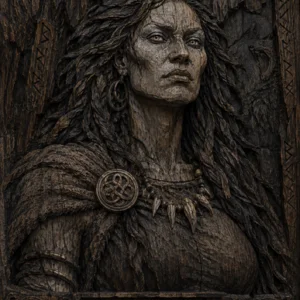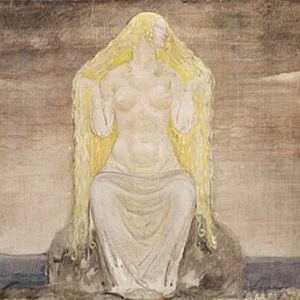

Freyja is a major goddess in Norse mythology, associated with love, fertility, beauty, and seiðr magic. She belongs to the Vanir in the Norse pantheon and has been venerated across Scandinavian cultures from the Middle Ages to the modern era.
Frequently asked questions
Key Facts
- Freyja is one of the principal goddesses of the Norse pantheon and a member of the Vanir family
- She is associated with seiðr magic, a form of divination and sorcery practiced in Norse societies
- According to mythology, Freyja receives half of all warriors slain in battle (through the Valkyries), with the other half going to Odin
- She possesses the golden necklace Brísingamen, a symbol of beauty and divine power
- Freyja is mentioned in the Poetic Edda and the Prose Edda, the primary sources of Norse mythology
Works & Achievements
Freyja is the goddess who teaches and masters seiðr, a form of Norse magic enabling divination and the manipulation of fate. This magical practice is central to Norse mythology and reflects the goddess's spiritual power.
Freyja reigns over love, beauty, and fertility in the Norse pantheon. She influences marriage, procreation, and the prosperity of the land — all essential to the survival of Scandinavian communities.
Freyja presides over Fólkvangr, a paradisiacal realm that welcomes honorable warriors slain in battle. This mythological domain rivals Odin's Valhalla and attests to the goddess's equal standing within the pantheon.
Freyja wears the famed Brísingamen necklace, a symbol of her beauty and magical power. This mythological artifact appears in several Norse myths and embodies the very essence of her divinity.
Freyja takes part in the cosmic war between the Vanir and the Æsir, contributing to the merging and balance of the Norse pantheon. This mythological conflict establishes her status as a major deity alongside the Æsir.
Freyja was the focus of ongoing cults and rituals throughout pre-Christian and medieval Scandinavian societies. Her veneration shaped religious practices, celebrations, and communal traditions across the Norse world.
Anecdotes
Freyja owned a magical necklace called Brisingamen, forged by dwarves according to the texts of the Poetic Edda. This necklace was so precious that she agreed to spend a night with each of the four dwarves who had crafted it in order to obtain it. This treasure symbolized her incomparable beauty and remained one of the most coveted objects in the Norse pantheon.
The goddess Freyja shared the warriors slain in battle with the god Odin: while Odin received half of the fallen at Valhalla, Freyja welcomed the other half into her celestial hall called Fólkvangr (the field of the people). This tradition reveals the equal importance of goddesses in Norse mythology, in contrast to many other ancient pantheons.
Freyja was the mistress of seiðr magic, a powerful Scandinavian practice combining divination and sorcery. She is said to have taught this art to the gods themselves, including Odin, which demonstrates her status as a particularly wise and respected goddess — one capable of passing on her knowledge even to the rulers of the pantheon.
The goddess possessed a magical ship called Skidbladnir, capable of sailing on land, sea, and air, which she is said to have shared with the god Freyr (her brother). According to the myths, this ship could be folded up and tucked into a pocket, blending the impossibly practical with divine magic — a typical symbol of Norse ingenuity.
Freyja was associated with Friday, named 'Freya's day' in the Scandinavian languages (in Old Norse, 'Freyadagr'). This connection between the goddess and the calendar shows her enduring influence on the daily lives of Nordic peoples, reaching far beyond purely religious myths.
Primary Sources
Freyja is the most noble of the goddesses. She possesses a magnificent necklace called Brisingamen. She travels in a chariot drawn by two cats. Each day, she receives half of the warriors slain in battle, the other half going to Odin.
Freyja is confronted by Loki, who accuses her of infidelity. She responds with pride, asserting her power and authority among the Aesir and the Vanir.
Freyja rides Hildisvíni, a magical boar, and travels between the worlds. She is portrayed as a powerful goddess of seiðr magic and fertility.
Freyja is one of the most honored among the Vanir. She teaches the Aesir the magic of seiðr. She is so beautiful that all things that shine are said to belong to her.
In this cosmogonic poem, Freyja is mentioned among the deities of the Norse pantheon as they establish the order of the primordial world.
Key Places
Freyja's celestial hall in Norse mythology, where she welcomes warriors slain in battle. It is her personal domain, distinct from Odin's Valhalla, reflecting her divine authority and power.
The region where the cult of Freyja was especially prominent, with numerous temples and shrines dedicated to the goddess. Archaeologists have uncovered offerings and runic inscriptions bearing her name.
An ancient Norse religious center that housed the great Temple at Uppsala, mentioned in historical texts as a place of worship for major deities including Freyja alongside Odin and Thor.
The mythological home of the Vanir in Norse cosmology, of which Freyja is a major goddess. This celestial realm represents her divine origins and her standing among the most powerful deities.
The cosmic axis of Norse mythology with which Freyja is associated through her seiðr magic and her connection to the nine worlds. She embodies the forces of fertility and renewal tied to this sacred tree.
A center for the preservation of Norse mythology where skalds and poets passed down the legends of Freyja. Icelandic texts such as the Poetic Edda and the Prose Edda document her importance within the Norse pantheon.
Typical Objects
Freyja's magical necklace, forged by the dwarves and a symbol of her beauty and power. This mythical object represents the wealth and prestige associated with the goddess.
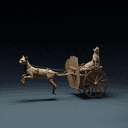
Freyja traveled in a chariot drawn by two large magical cats, a symbol of her connection to fertility and nature. This distinctive conveyance was a hallmark of her iconography in Norse mythology.
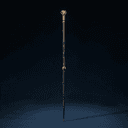
A magical staff used in Norse divination and sorcery rituals. Freyja is one of the foremost practitioners of the magical art known as seiðr, which was deeply revered in Scandinavian culture.
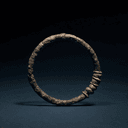
A twisted rigid neck ring worn by deities and the Scandinavian elite, symbolizing status and divinity. These precious metal ornaments represent the prestige and rank of mythological figures.

A totemic animal associated with Freyja and fertility in Norse mythology. The boar was venerated as a representation of natural power and abundance.
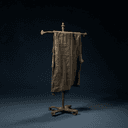
The Vanir goddesses, including Freyja, were associated with weaving and textile magic. The loom represented control over fate and mastery of the domestic arts that were highly valued in Scandinavian society.
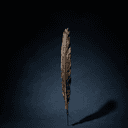
Freyja possessed a cloak of falcon feathers that allowed her to fly between worlds. This attribute symbolizes her divine mobility and her role as a mediator between the different realms.
School Curriculum
Vocabulary & Tags
Key Vocabulary
Daily Life
Morning
Freyja begins her day in her palace Fólkvangr in Asgard, welcoming the warriors who fell in battle — half of whom she shares with Odin. She adorns herself with her divine attributes: the necklace Brísingamen and her golden robes, symbols of her beauty and power. Her cats, harnessed to her chariot, await her for journeys between the worlds.
Afternoon
The goddess presides over the domains of love, fertility, and seiðr magic, interceding on behalf of the mortals who venerate her. She rides her boar Hildisvíni across the nine worlds or summons the Valkyries to select courageous warriors. Her activities also include the practice of Norse magic and the blessing of marriages and harvests.
Evening
Freyja presides over the feasts of Asgard, welcoming fallen heroes into her hall Fólkvangr. She exchanges tales of battle and glory with the warriors, strengthening the bonds between gods and mortals. As night falls, she watches over the mortals of the human realm from her celestial dwelling, keeping vigil over those who call upon her.
Food
As an immortal goddess, Freyja does not eat out of human necessity. However, the divine banquets of Asgard celebrate mead, ale, and noble meats. Humans traditionally offered her the finest cuts of game and the choicest harvest yields as sacrificial gifts.
Clothing
Freyja wears garments of gold and precious fabrics that reflect her beauty and divine status. The necklace Brísingamen — forged by the dwarves — adorns her throat and symbolizes love and fertility. Her appearance blends warrior elegance with majestic femininity, with elements that echo her dual nature as goddess of both love and battle.
Housing
Freyja resides in Fólkvangr, her celestial palace in Asgard, the magnificent home of the Norse gods. Her hall welcomes valiant warriors and is surrounded by eternally fertile orchards and golden fields. This divine setting contrasts with the humble earthly shrines that Scandinavians dedicated to her.
Historical Timeline
Period Vocabulary
Visual Style
Un style mêlant l'esthétique des manuscrits enluminés médiévaux scandinaves avec l'Art Nouveau, utilisant une palette dorée et chaleureuse enrichie de motifs celtiques et runiques. L'éclairage doux et mystique crée une atmosphère divine et magique, évoquant la sacralité de la déesse norroise.
Sound Ambience
Une ambiance mystique et féerique évoquant la magie seiðr de Freyja, mêlant voix féminines éthérées, instruments nordiques (harpe, lyre) et sons de la nature scandinave (vent, océan) pour créer une atmosphère envoûtante et divine.
Liens externes & ressources
Références
Œuvres
Maîtrise de la magie seiðr
période pré-chrétienne
Domination du domaine de l'amour et de la fertilité
période pré-chrétienne
Présidence du Folkvangr
période pré-chrétienne
Possession du collier Brisingamen
période pré-chrétienne
Participation à la guerre des Vanes et Æsirs
période pré-chrétienne
Culte rituel à travers la Scandinavie médiévale
Moyen Âge scandinave