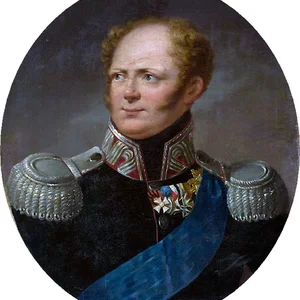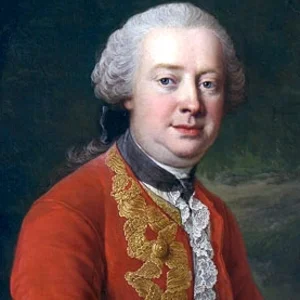

A Genoese aristocrat, Girolamo Luigi Durazzo was one of the last doges of the Republic of Genoa before its annexation by France. He subsequently became a senator under Napoleon's First Empire, embodying the transition between the old republican order and the new French regime.
Girolamo Luigi Durazzo
Girolamo Luigi Durazzo
9 min read
Frequently asked questions
Key Facts
- Born into the prestigious Durazzo noble family, one of the most influential in Genoa
- Elected doge of the Republic of Genoa in the late 18th century
- The Republic of Genoa was abolished in 1797 during Bonaparte's Italian campaign
- Appointed senator of the French First Empire following the definitive annexation of Genoa in 1805
- Represents the rallying of the old Genoese aristocracy to the Napoleonic regime
Works & Achievements
As one of the last doges of the Republic of Genoa, Durazzo held the supreme magistracy of a centuries-old institution, presiding over the final years of the Superba amid mounting revolutionary pressure.
Like other Genoese patricians, Durazzo had to adapt to the new French-style regime imposed by Napoleon, taking part in the difficult institutional transition between the old oligarchic order and the new republican government.
Appointed senator of the First Empire following the annexation of Genoa, Durazzo embodied Napoleon's policy of integrating local elites into the structures of the imperial state, ensuring a political transition free of organized resistance.
Anecdotes
In June 1797, when French troops imposed the dissolution of the Republic of Genoa and the creation of the Ligurian Republic, Girolamo Luigi Durazzo witnessed the erasure of an institution centuries old, of which his family had been one of the pillars. The sitting doge surrendered the insignia of power without armed resistance, marking the end of a patrician oligarchy that had governed the Superba since the Middle Ages.
The Durazzo family owned one of the most sumptuous palaces in Genoa, on the Via Balbi, adorned with art collections and frescoes accumulated over several generations. During the requisitions and redistribution of assets that accompanied the French arrival, these patrician residences became the symbol of a world in the process of disappearing, their owners urgently negotiating the survival of their heritage against the new revolutionary order.
Appointed senator of the First Empire after the annexation of Genoa to France in 1805, Durazzo joined a conservative Senate in Paris largely tasked with rubber-stamping Napoleon's decisions. His presence illustrated the imperial policy of integrating local elites: the former leaders of annexed territories retained honors and substantial income — the *sénatorerie* — in exchange for displayed loyalty to the regime.
During the Austrian siege of Genoa in the spring of 1800, the city suffered severe famine for several weeks before General Masséna's capitulation. The great Genoese patrician families were involved in the surrender negotiations and in desperate attempts to secure supplies, before the French victory at Marengo definitively shifted the balance of power in northern Italy.
The Republic of Genoa, founded in the tenth century, was one of the last aristocratic republics in Europe still standing at the end of the eighteenth century. Durazzo, heir to this centuries-old tradition, lived through the transformation of his homeland into an ordinary French department — the Department of Genoa, number 88 in the imperial nomenclature — an administrative and symbolic upheaval of unprecedented brutality for the former masters of the Superba.
Primary Sources
List of senators appointed by imperial decree, including notables integrated from the annexed territories of the Ligurian Republic, with mention of their prior titles and functions within the former republican institutions of Genoa.
Correspondence and notarial acts of the Durazzo family covering the transition from the Republic of Genoa to the Ligurian Republic and the French annexation, documenting the management of family assets and relations with the new imperial authorities.
Napoleon orders the integration of the leading Genoese patrician families into French imperial institutions in order to ensure the political stability of the newly annexed territories, specifying that it is important to cultivate the old families whose loyalty is useful to the consolidation of the new order.
Official announcements of appointments to the government of the Ligurian Republic, reflecting the gradual coexistence between the former patricians of the Republic of Genoa and new notables drawn from French and Italian revolutionary circles.
Official Parisian documents relating to the administrative organization of the new department of Genoa, specifying the procedures for appointing local notables to senatorial positions and their integration into the French imperial hierarchy.
Key Places
Birthplace of Durazzo and capital of the Republic of Genoa, then of the Ligurian Republic, then chief town of the French department of Genoa. *La Superba* was the stage for his entire political life and the radical transformation of its government.
The main residence of the Durazzo family, one of the finest Baroque palaces in Genoa on the Strade Nuove, a UNESCO World Heritage Site. This palace embodied the power and culture of the Ligurian patrician oligarchy.
The seat of power of the Republic of Genoa, official residence of the doge, and venue for the great assemblies of the Genoese Senate. It served as the institutional setting for the exercise of dogal authority before being taken over by the authorities of the Ligurian Republic.
Seat of the Conservative Senate under the First Empire, where Durazzo served following his appointment. There he rubbed shoulders with former revolutionaries, Marshals of the Empire, and other notables from the annexed territories, in the capital of Napoleonic Europe.
Typical Objects

Distinctive ceremonial headdress of the Doge of Genoa, made of golden or embroidered cloth, symbolizing the supreme magistracy of the Republic. Its use was reserved for major official ceremonies and disappeared along with the Republic in 1797.

Official attire of a senator under the First Empire, in crimson red velvet embroidered with silver, designed according to the codes of Napoleonic imperial splendor by the painter David. It symbolically replaced the patrician dress of the Ancien Régime.

Official stamp used to authenticate acts of the Genoese government, bearing the cross of Saint George on a white background, emblem of the Superba. The seals were broken or put away upon the dissolution of the Republic.

Handwritten register in which the great Genoese patrician families recorded births, marriages, deaths, financial transactions, and notable political events. A central instrument of aristocratic memory and estate management.

Official document proclaiming the annexation of the Ligurian Republic to France in 1805, printed in French and Italian and posted in public places throughout Genoa to inform the population of the radical change of regime.

Coded letters used by senior officials and senators to communicate securely with Parisian authorities or local agents, a common practice within the centralized Napoleonic bureaucracy.
School Curriculum
Vocabulary & Tags
Key Vocabulary
Daily Life
Morning
The day of a notable of Durazzo's standing began with reading administrative correspondence and official gazettes. Under the Republic, he might preside over sessions of the Genoese Senate or receive commercial delegations in the reception rooms of his palazzo. Morning Mass in the family chapel or a nearby church gave the start of the day its ritual structure.
Afternoon
The afternoon was devoted to business: managing family properties scattered across Liguria, holding audiences with clients and merchants, and reviewing legal or fiscal documents. Under the Empire in Paris, he might attend sessions of the Sénat conservateur or the official ceremonies organized by Napoleonic imperial protocol in the capital's grand palaces.
Evening
The evenings of Genoa's great patrician families were shaped by formal dinners, *conversazioni* (salons blending literary discussion with informal political negotiation), and visits between families of equal standing. The palaces lining the *Strade Nuove* of Genoa were the stage for an intense social life where merchants, diplomats, and prelates all crossed paths.
Food
The aristocratic Genoese cuisine of the period favored refined local produce: fresh pasta, fish and seafood from Liguria, the region's characteristic aromatic herbs, olive oil from the Ligurian hills, and local wines — supplemented at grand receptions by imported delicacies and Bordeaux or Burgundy wines, a testament to the family's commercial ties with France.
Clothing
The Genoese patrician wore richly embroidered court dress for official occasions — fine cloth, velvet, and Genoese lace renowned across Europe — and a more restrained yet always elegant outfit for everyday wear. After 1805, he was required to adopt the official French imperial uniform for ceremonies, reflecting in dress itself the change of regime and allegiance.
Housing
The Durazzo family resided in their monumental palazzo on the Via Balbi, a vast Baroque mansion whose reception rooms were adorned with frescoes, stucco work, and art collections accumulated over several generations of patrician-merchants. These palaces, built in the sixteenth and seventeenth centuries by the great Genoese families enriched through Mediterranean trade and loans to the kings of Spain, embodied an economic and political power that now belonged to the past.
Historical Timeline
Period Vocabulary
Liens externes & ressources
Références
Œuvres
Exercice de la magistrature dogale de la République de Gênes
fin XVIIIe siècle
Participation aux institutions de la République ligurienne
1797-1805
Sénatorerie impériale sous Napoléon
à partir de 1805