 flip
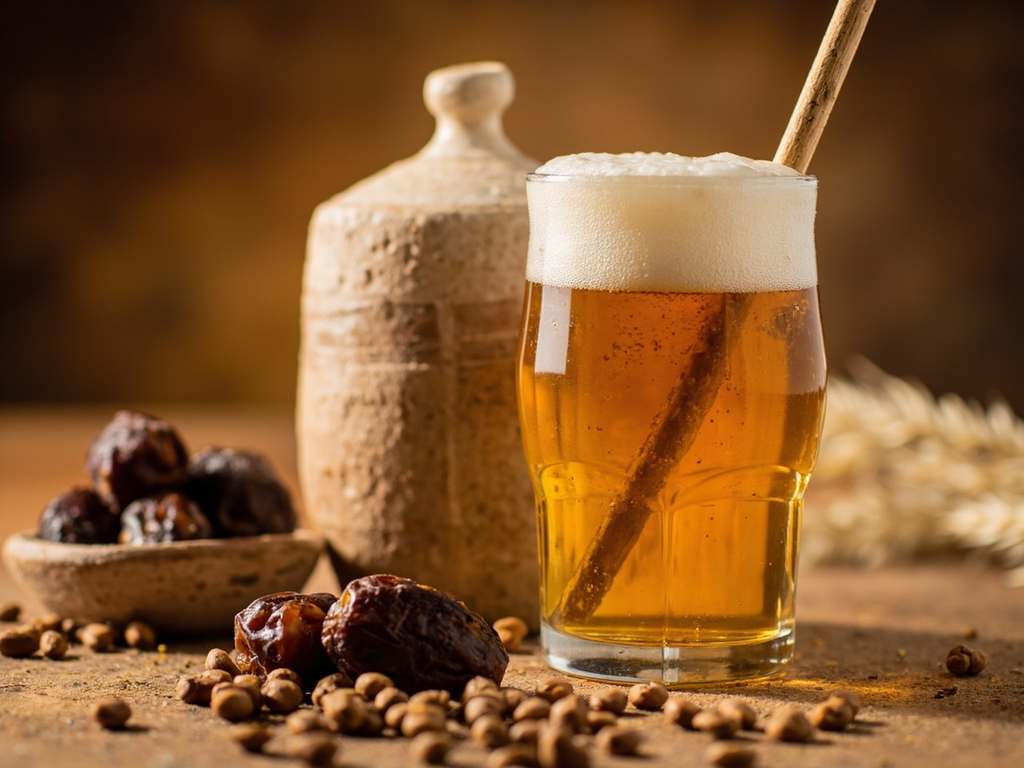
flipSikaru, barley beer with a straw
Sikaru, barley beer with a straw
Why this dish? Beer was the daily drink of all Mesopotamia, drunk by king and worker alike; the Code of Hammurabi even regulates tavern-keepers (§§ 108–111). At the Babylonian table, no meal was conceived without sikaru.
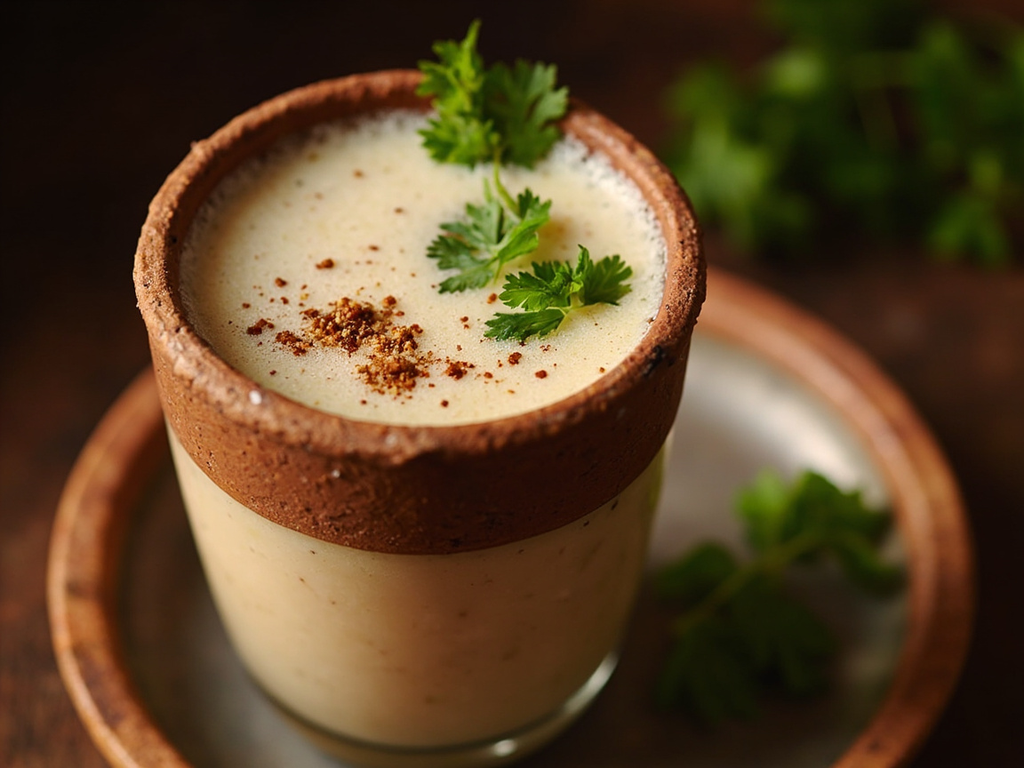
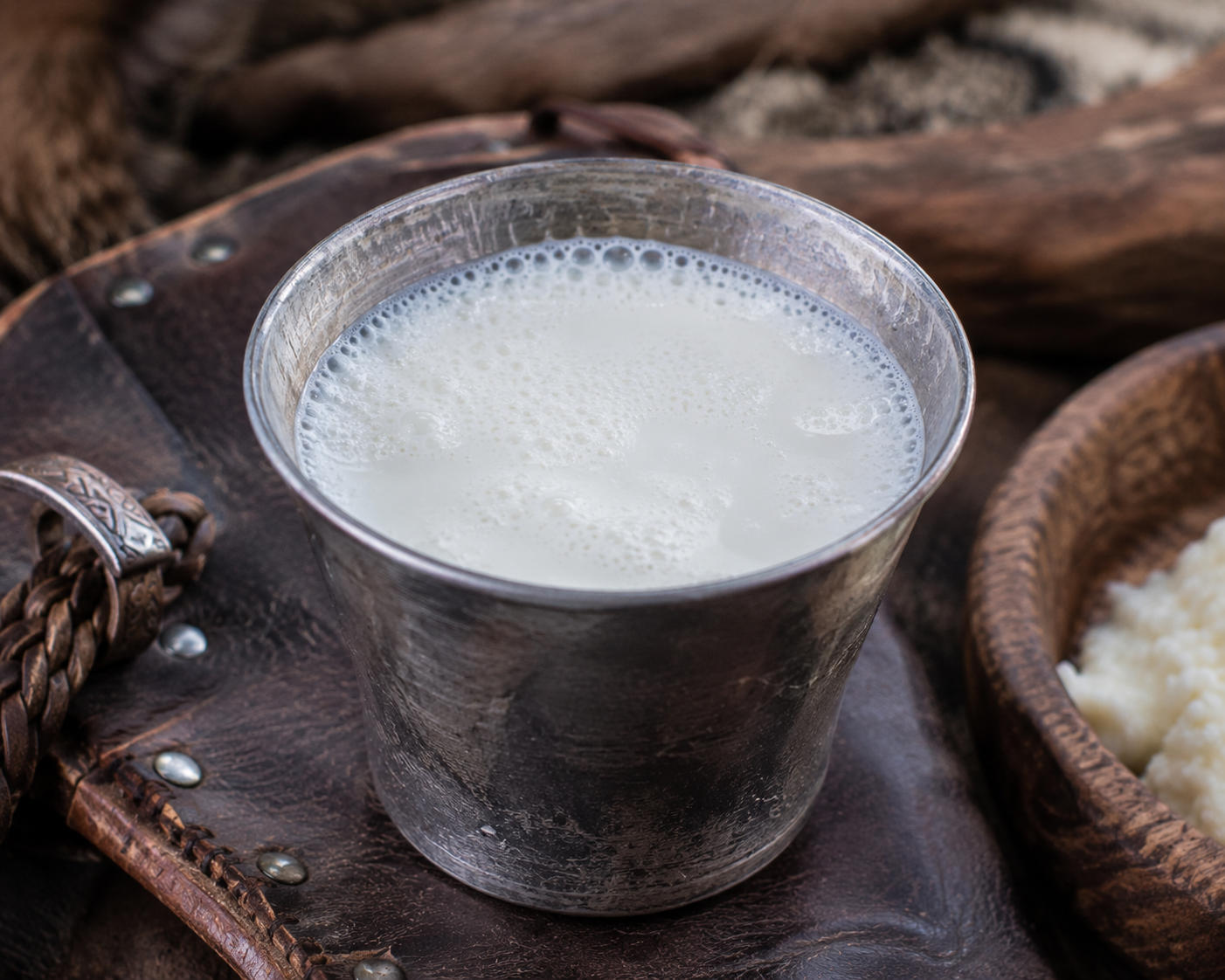
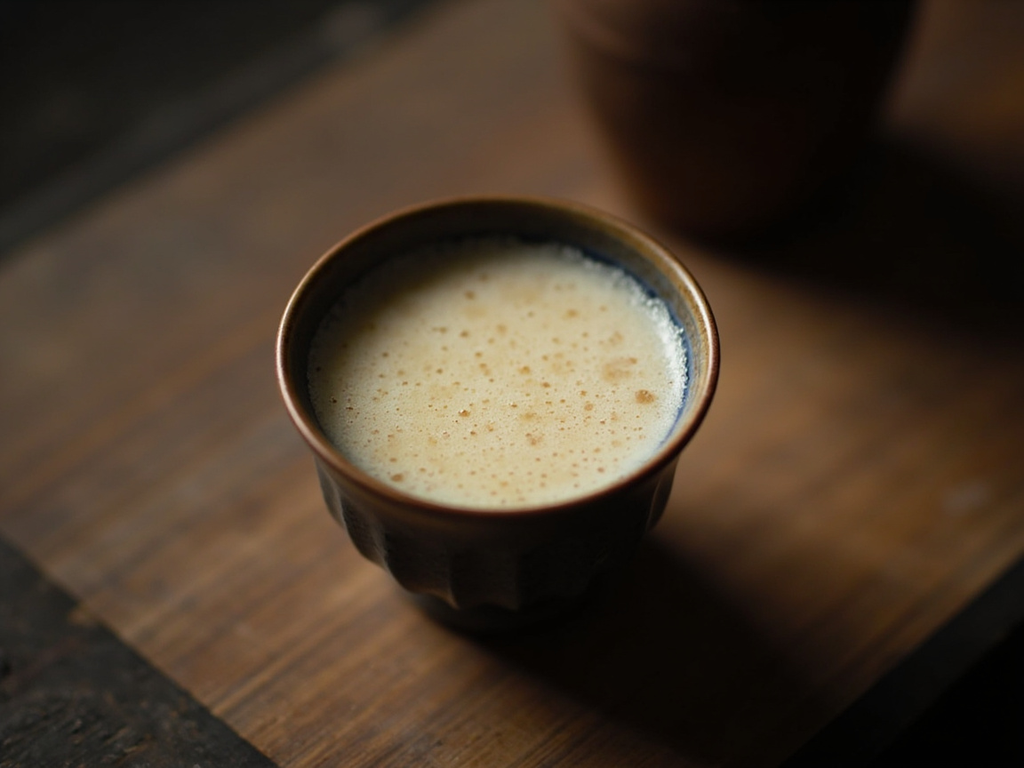
A cloudy, sweet-sour barley beer, made from beer bread (bappir); formerly drunk through a straw to avoid floating residues. Here a low-alcohol or non-alcoholic family version.
King of justice I am, and I tell you: a meal without beer is a judgment without a witness. My brewers half-baked a barley bread, broke it into fresh water, and let the brew sour in the sun until it sang in the jar. Reed straws were plunged in, for the good grain rises and dances on the surface. Drink slowly, stranger — even a king sits down for this.
- •Half-baked barley bread (bappir) — several (source of sugars and yeasts)
- •Malted barley (germinated then dried) — one measure (fermentable sugars)
- •Fresh water — as desired (infusion)
- •Dates or honey — a little (sweetener)
Sikaru, barley beer with a straw
A cloudy, sweet-sour barley beer, made from beer bread (bappir); formerly drunk through a straw to avoid floating residues. Here a low-alcohol or non-alcoholic family version.
Why this dish? Beer was the daily drink of all Mesopotamia, drunk by king and worker alike; the Code of Hammurabi even regulates tavern-keepers (§§ 108–111). At the Babylonian table, no meal was conceived without sikaru.
King of justice I am, and I tell you: a meal without beer is a judgment without a witness. My brewers half-baked a barley bread, broke it into fresh water, and let the brew sour in the sun until it sang in the jar. Reed straws were plunged in, for the good grain rises and dances on the surface. Drink slowly, stranger — even a king sits down for this.
Ingredients (period version)
- Half-baked barley bread (bappir) — several (source of sugars and yeasts)
- Malted barley (germinated then dried) — one measure (fermentable sugars)
- Fresh water — as desired (infusion)
- Dates or honey — a little (sweetener)
Ingredients
- Stale wholemeal barley bread — 200 g (starch and flavors)
- Barley malt powder (or dried germinated barley) — 100 g (sugars)
- Spring water — 1.5 liters (infusion)
- Pitted dates — 4 (natural sweetener)
- Lemon juice (optional) — 1 tbsp (acidic note for non-alcoholic version)
Method
- Crumble the barley bread into warm water, add the malt and blended dates.
- Heat gently to 65 °C for about 1 hour without boiling, to extract the sugars, then strain.
- For a non-alcoholic family version: cool, add lemon juice, and serve fresh the same day, like a sweet-sour barley infusion.
- For a true fermentation (adults): let the cooled wort ferment 2–3 days with yeast, covered with a cloth.
- Serve cloudy, in an earthenware cup, traditionally with a straw.
How it was made : Mesopotamians brewed from bappir, a deliberately underbaked barley bread preserving its yeasts. The famous Hymn to Ninkasi (Sumerian) describes the entire process. Since the beer was unfiltered, it was drunk through long straws to pass beneath the layer of spent grain.
The contemporary twist : Served as a non-alcoholic 'Babylonian kvass' over ice, with a reed straw for historical flair.
Sources : Hymn to Ninkasi (Mesopotamia, 2nd millennium BC) · Jean Bottéro, La plus vieille cuisine du monde, 2002 · Code of Hammurabi, §§ 108–111 (tavern-keepers)
Hammurabi · Charactorium