 flip
flipSteamed Rice, Greens, and Braised Tofu
Steamed Rice, Greens, and Braised Tofu
Why this dish? It is said that He Zehui ate simply all her life: rice, vegetables, ordinary dishes, without seeking comfort. This bowl of greens and tofu, two of the most modest and most Chinese foods, embodies the table of an austere researcher, the same in Suzhou as in Beijing.
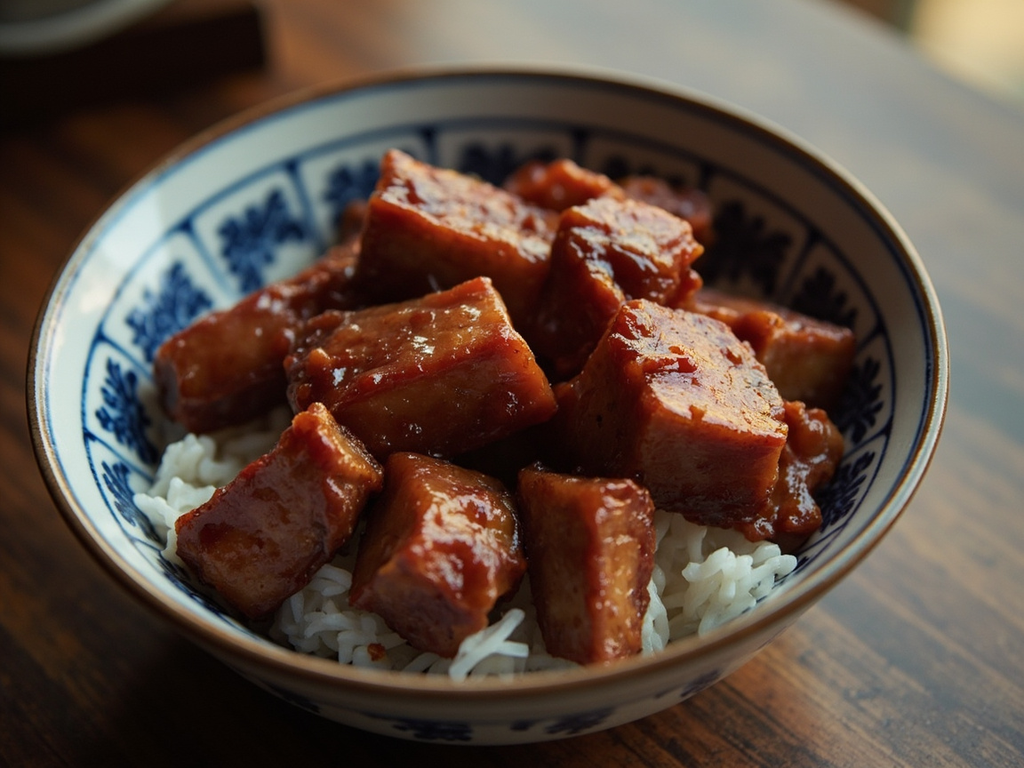
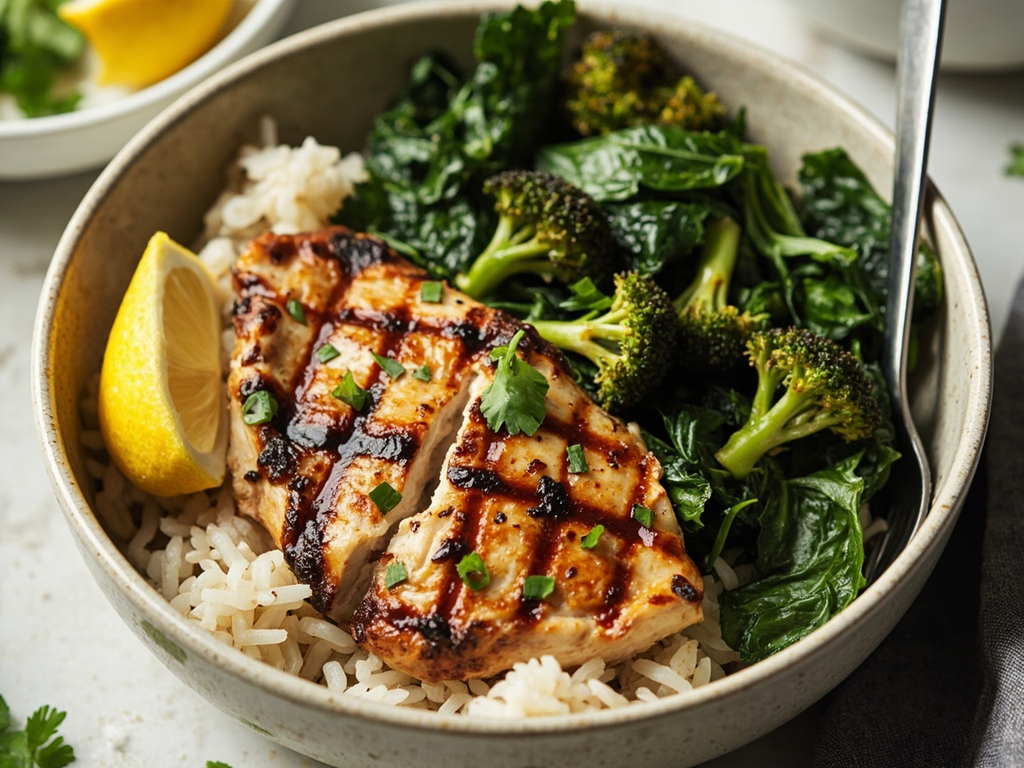
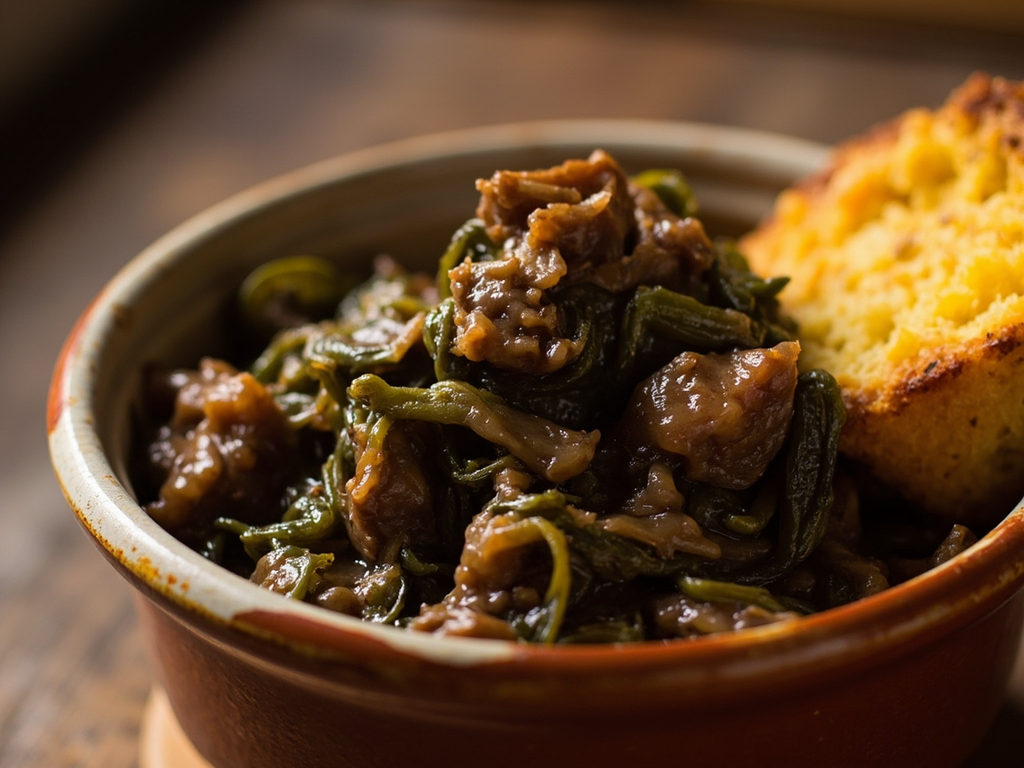
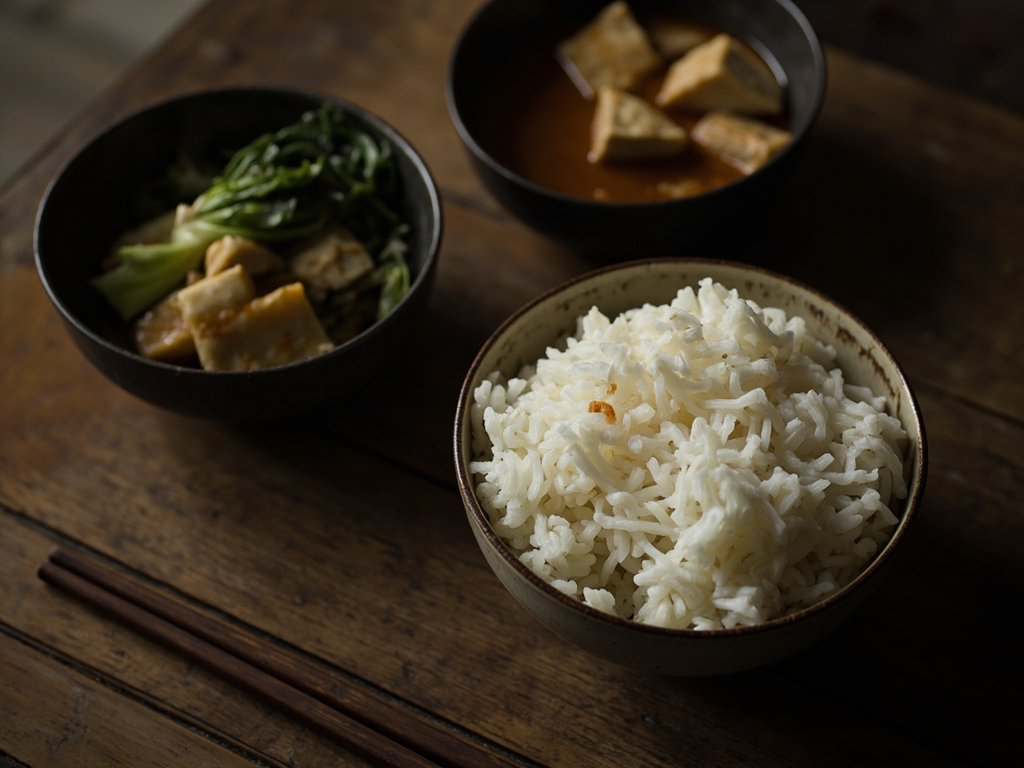
A bowl of steaming white rice, crisp stir-fried green bok choy (qīngcài) in a hot wok, and cubes of tofu braised in a little soy sauce. Nothing luxurious: the freshness of the vegetable, the tenderness of the soybean, the warmth of the rice. The meal of a life devoted to work, not to the plate.
I never asked much of a meal. A bowl of rice, a few greens picked in the morning, a piece of doufu — that is enough for a mind thinking of other things. At the lab, we would forget dinner time; so I'd stir-fry the cabbage very quickly, the fire high, so it stayed green and crisp, and I'd let the doufu slowly take on the taste of soy. Eat hot, work well — that's all my mother taught me, and I never saw reason to ask for more.
- •White rice — one bowl per person (foundation (fàn))
- •Chinese green cabbage (qīngcài / bok choy) — a large handful (daily vegetable)
- •Tofu (doufu) — one block (modest protein)
- •Soy sauce — a drizzle (umami seasoning)
- •Ginger — a few slices (aroma)
- •Peanut oil — a little (wok cooking)
Steamed Rice, Greens, and Braised Tofu
A bowl of steaming white rice, crisp stir-fried green bok choy (qīngcài) in a hot wok, and cubes of tofu braised in a little soy sauce. Nothing luxurious: the freshness of the vegetable, the tenderness of the soybean, the warmth of the rice. The meal of a life devoted to work, not to the plate.
Why this dish? It is said that He Zehui ate simply all her life: rice, vegetables, ordinary dishes, without seeking comfort. This bowl of greens and tofu, two of the most modest and most Chinese foods, embodies the table of an austere researcher, the same in Suzhou as in Beijing.
I never asked much of a meal. A bowl of rice, a few greens picked in the morning, a piece of doufu — that is enough for a mind thinking of other things. At the lab, we would forget dinner time; so I'd stir-fry the cabbage very quickly, the fire high, so it stayed green and crisp, and I'd let the doufu slowly take on the taste of soy. Eat hot, work well — that's all my mother taught me, and I never saw reason to ask for more.
Ingredients (period version)
- White rice — one bowl per person (foundation (fàn))
- Chinese green cabbage (qīngcài / bok choy) — a large handful (daily vegetable)
- Tofu (doufu) — one block (modest protein)
- Soy sauce — a drizzle (umami seasoning)
- Ginger — a few slices (aroma)
- Peanut oil — a little (wok cooking)
Ingredients
- Short-grain or jasmine rice — 300 g uncooked (foundation)
- Bok choy or pak choi — 400 g (green vegetable)
- Firm tofu — 400 g (protein)
- Light soy sauce — 2 tbsp (umami)
- Fresh ginger — 3 slices (aroma)
- Garlic — 1 clove (aroma)
- Neutral oil (peanut) — 2 tbsp (cooking)
- Water or light broth — 100 ml (braising liquid for tofu)
Method
- Cook the rice by steaming or in a rice cooker until fluffy.
- Cut the tofu into cubes. Gently brown them in a little oil, add ginger, garlic, soy sauce, and a splash of water, then simmer for 8–10 minutes to infuse.
- In a very hot wok, sear the bok choy for 2–3 minutes over high heat with a pinch of salt, just to wilt while keeping its color.
- Serve the rice in individual bowls, with the tofu and greens in the center to share.
How it was made : In 20th-century China, especially during years of scarcity, rice, seasonal greens, and tofu formed the backbone of both popular meals and the tables of modest intellectuals. Meat was rare and reserved for festivities; protein came mainly from soybeans in all their forms.
The contemporary twist : Serve the tofu glazed with its reduced soy broth in a black lacquer bowl, the bright green bok choy placed alongside: simplicity becomes elegance, like the physicist they called the 'Marie Curie of China.'
He Zehui · Charactorium