 flip
flipArroz, feijão preto e bife — the daily carioca plate
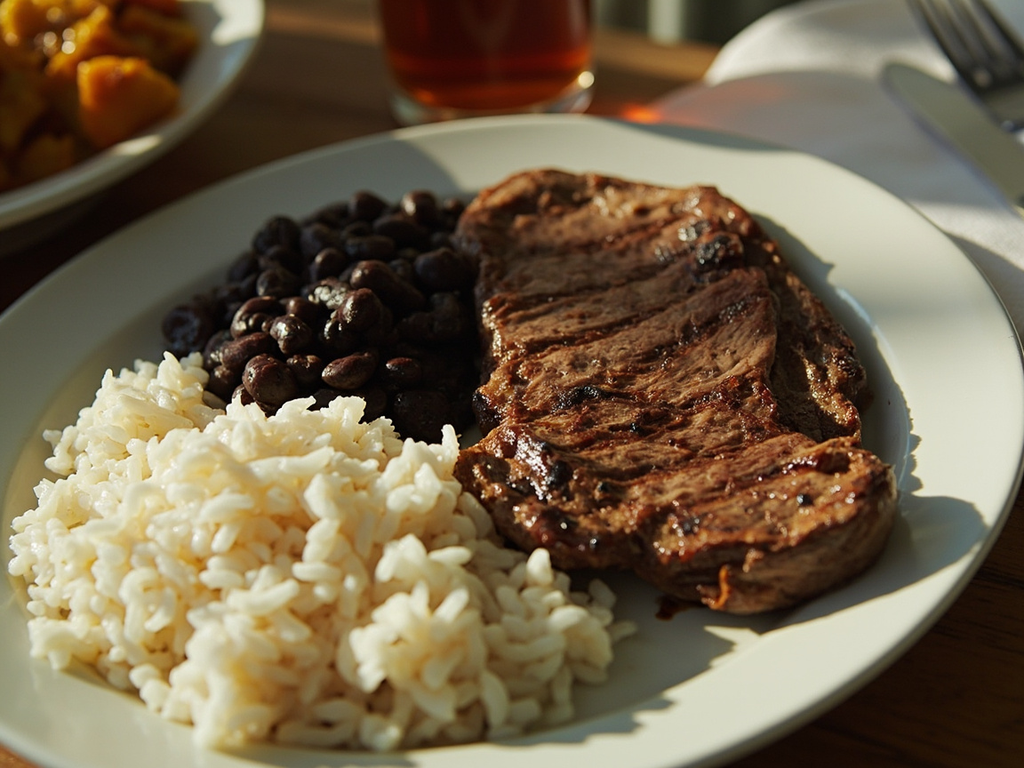
Arroz, feijão preto e bife — the daily carioca plate
Why this dish? We are told that in Rio, Hertha Meyer had daily access to rice, black beans, and grilled meats: this is exactly the prato feito, the midday plate that nourished the academics of Ilha do Fundão between microscope sessions.
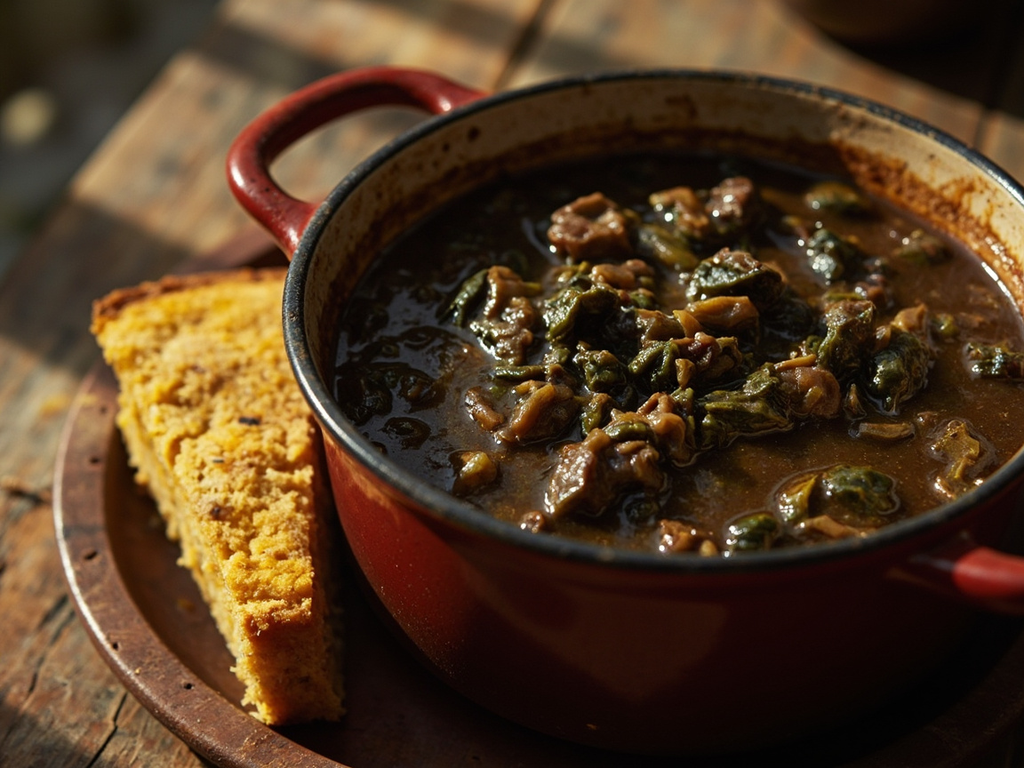
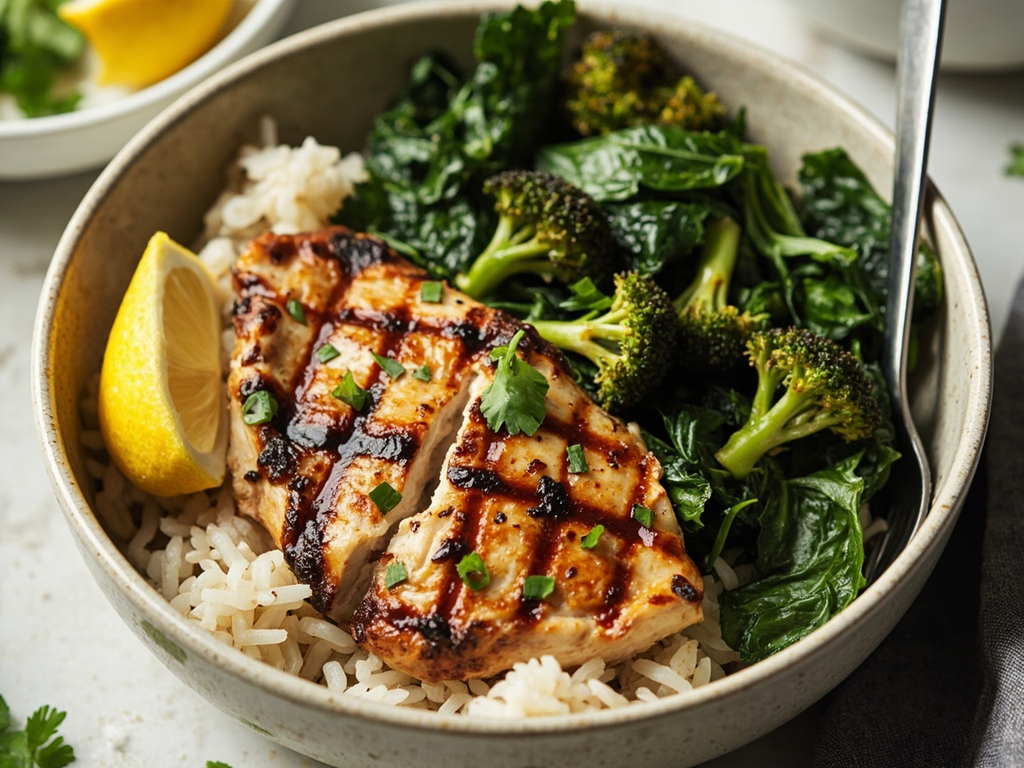
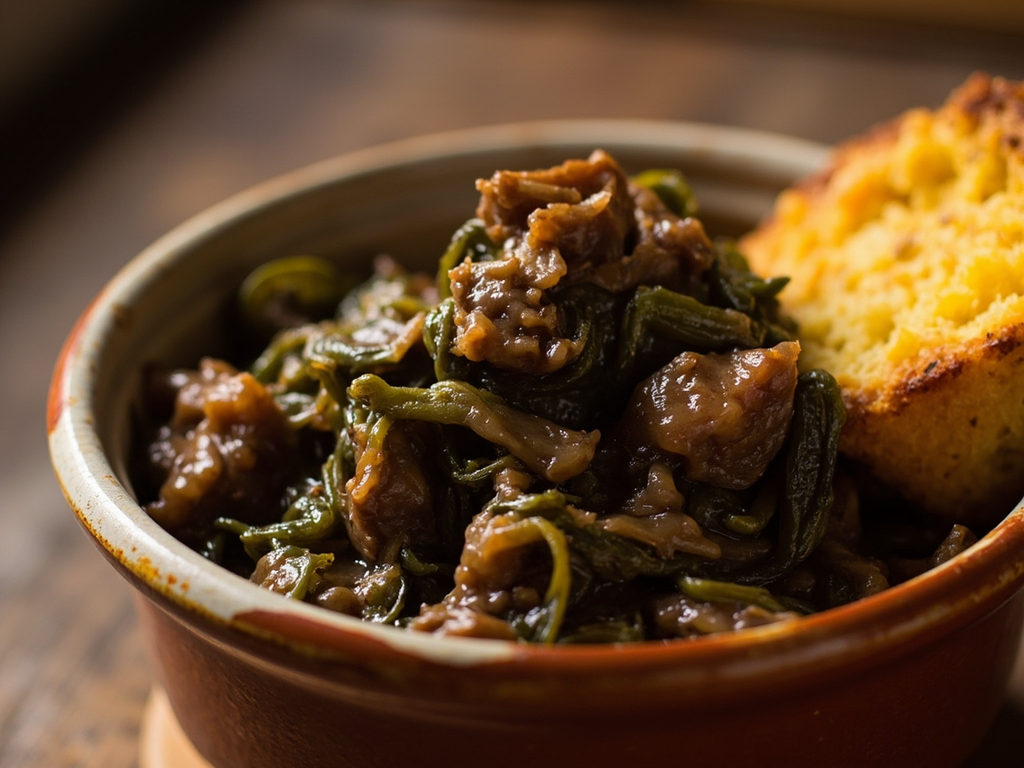
The Brazilian lunch in its purest form: a bed of white rice, a ladle of slow-cooked, tender black beans, and a quickly seared steak. Simple, complete, comforting — the everyday meal that sustains a full day of work.
When I arrived from Germany, I didn't know this little black bean that is served here every midday. My colleagues at the Institute taught me to love it: you let it cook slowly, for a long time, until it becomes almost a cream. The secret, they told me, is never to salt it too early, otherwise the skin stays hard. I pour it over the rice, add a slice of seared meat, and there you have what it takes to face an entire afternoon bent over the microscope.
- •White rice — one bowl per person (base)
- •Dried black beans — a good handful per person (protein base)
- •Onion and garlic — as needed (aromatics)
- •Bay leaf — one (flavor)
- •Thinly sliced beef — one per person (accompaniment)
- •Lard or oil — a little (cooking)
Arroz, feijão preto e bife — the daily carioca plate
The Brazilian lunch in its purest form: a bed of white rice, a ladle of slow-cooked, tender black beans, and a quickly seared steak. Simple, complete, comforting — the everyday meal that sustains a full day of work.
Why this dish? We are told that in Rio, Hertha Meyer had daily access to rice, black beans, and grilled meats: this is exactly the prato feito, the midday plate that nourished the academics of Ilha do Fundão between microscope sessions.
When I arrived from Germany, I didn't know this little black bean that is served here every midday. My colleagues at the Institute taught me to love it: you let it cook slowly, for a long time, until it becomes almost a cream. The secret, they told me, is never to salt it too early, otherwise the skin stays hard. I pour it over the rice, add a slice of seared meat, and there you have what it takes to face an entire afternoon bent over the microscope.
Ingredients (period version)
- White rice — one bowl per person (base)
- Dried black beans — a good handful per person (protein base)
- Onion and garlic — as needed (aromatics)
- Bay leaf — one (flavor)
- Thinly sliced beef — one per person (accompaniment)
- Lard or oil — a little (cooking)
Ingredients
- Long-grain white rice — 150 g raw (base)
- Black beans (dried or canned) — 200 g cooked (protein base)
- Onion — 1 (aromatic)
- Garlic — 2 cloves (aromatic)
- Bay leaf — 1 (flavor)
- Thin beef steak — 2 (accompaniment)
- Neutral oil — 2 tbsp (cooking)
- Salt, pepper — to taste (seasoning)
Method
- If using dried beans: soak overnight, then cook with bay leaf for 1 to 1½ hours until tender (do not salt at the beginning).
- Make a refogado: sauté chopped onion and garlic in oil, add a ladle of beans, mash, then return to the pot to thicken the broth. Salt at the end.
- Cook rice in salted water, drain and keep fluffy.
- Sear steaks over high heat for 1–2 minutes per side, salt and pepper.
- Plate: rice on one side, beans on the other, meat on top.
How it was made : The rice-and-beans duo (arroz com feijão) has been the foundation of Brazilian cuisine since the 19th century, a cross-cultural legacy of African, Portuguese, and indigenous traditions. Cooked in a large pot, feijão was reheated over several days and improved each time.
The contemporary twist : A spoonful of farofa (toasted cassava flour) sprinkled over the beans for crunch — the reflex of every carioca table.
Hertha Meyer · Charactorium