 flip
flipKāuru — sweet heart of tī kōuka
Kāuru — sweet heart of tī kōuka
Why this dish? The earth from which Hineahuone is made also hides its sweetness: the root of the tī kōuka (cabbage tree), long cooked in the umu, releases natural sugar. Dried into fibres, kāuru was slipped into the traveller's bag — the sweet of the land, which travels far.
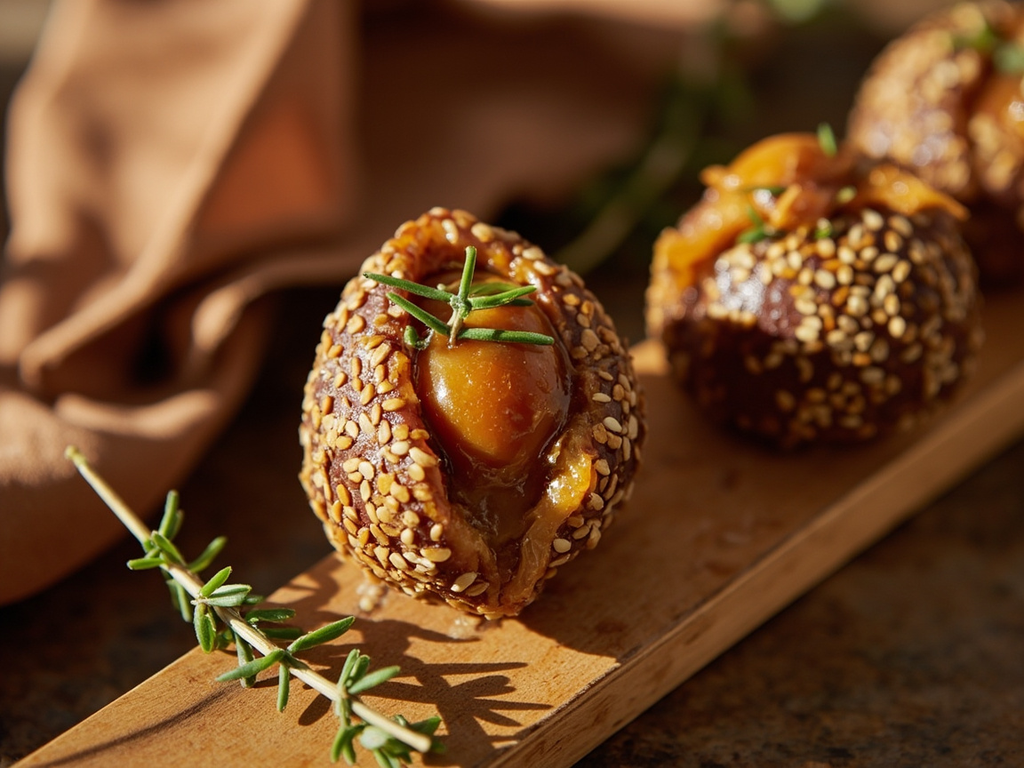
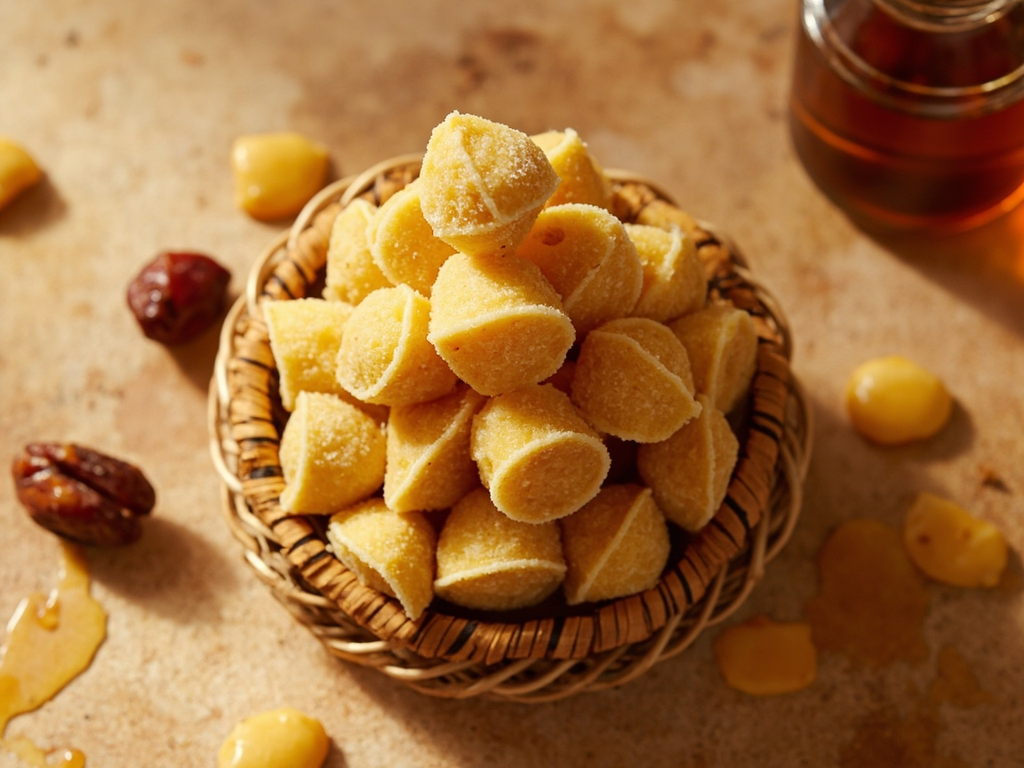
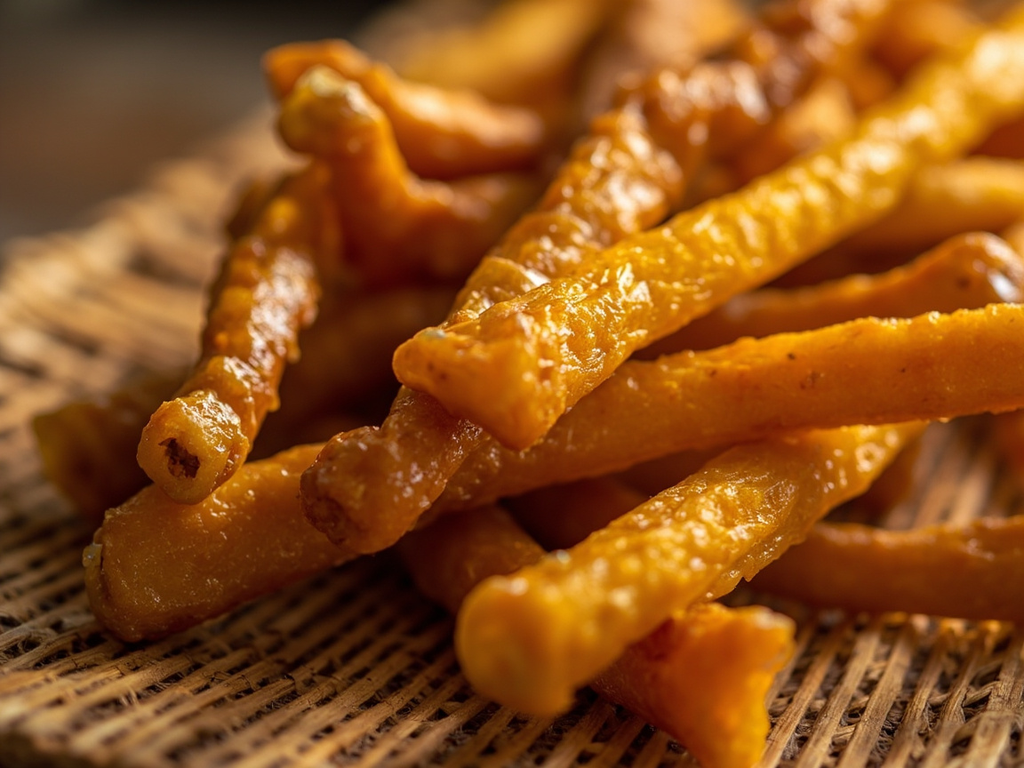
The trunk and root of the tī kōuka cooked very long in the earth oven: the heat transforms the fibre into a fibrous, sweet mass with a honeyed and smoky taste. Once dried, kāuru is sucked as a sweet and sustains long walks.
Do you think the land is only harsh, ē taku uri? It hides its sweetness too, and patience is needed to waken it. We laid the root of the tī kōuka in the umu for a full night, and more, until its hard fibre turned to honey. We stretched it, dried it in the wind, and the walker carried it for the long paths: a little kāuru under the tooth, and fatigue is forgotten. It is the sugar that Papatūānuku keeps for those who know how to wait.
- •Root and trunk of tī kōuka (cabbage tree) — sections (source of fibrous sugar)
- •Hot stones of the umu — a bed (long cooking)
Kāuru — sweet heart of tī kōuka
The trunk and root of the tī kōuka cooked very long in the earth oven: the heat transforms the fibre into a fibrous, sweet mass with a honeyed and smoky taste. Once dried, kāuru is sucked as a sweet and sustains long walks.
Why this dish? The earth from which Hineahuone is made also hides its sweetness: the root of the tī kōuka (cabbage tree), long cooked in the umu, releases natural sugar. Dried into fibres, kāuru was slipped into the traveller's bag — the sweet of the land, which travels far.
Do you think the land is only harsh, ē taku uri? It hides its sweetness too, and patience is needed to waken it. We laid the root of the tī kōuka in the umu for a full night, and more, until its hard fibre turned to honey. We stretched it, dried it in the wind, and the walker carried it for the long paths: a little kāuru under the tooth, and fatigue is forgotten. It is the sugar that Papatūānuku keeps for those who know how to wait.
Ingredients (period version)
- Root and trunk of tī kōuka (cabbage tree) — sections (source of fibrous sugar)
- Hot stones of the umu — a bed (long cooking)
Ingredients
- Parsnips and sweet-fleshed turnips — 500 g (evokes the fibrous root (tī kōuka is not a common food))
- Unrefined cane syrup — 2 tbsp (recalls the sugar released by long cooking)
- Water — a little (slow cooking)
Method
- Cut the roots into thick sticks.
- Cook them very slowly covered over low heat with a little water for 1.5 to 2 hours to concentrate their sugar.
- Add the cane syrup at the end and let caramelize slightly.
- Spread the sticks and dry in a very low oven (80°C) or dehydrator until fibrous and pliable.
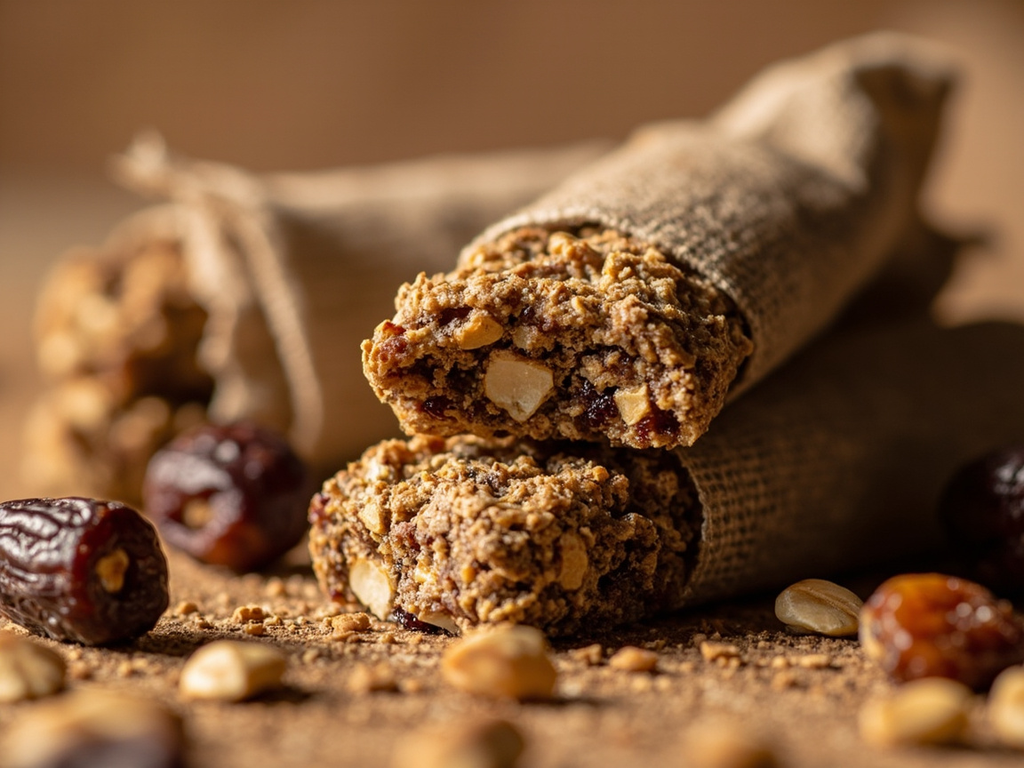
- Store in a cloth; nibble while walking, like a travel snack.
How it was made : Making kāuru was a demanding skill: the tī kōuka (Cordyline) was cooked in large umu for one to two days, converting the root's inulin into sugars. The mass was beaten, stretched, and dried. It was one of the few concentrated sugar sources and a valued travel and trade food.
The contemporary twist : Roll the dried sticks in a little toasted coconut fibre — a 'forest caramel' hiking bar.
Sources : Elsdon Best, Maori Agriculture (1925) · Murdoch Riley, Māori Healing and Herbal (1994)
Hineahuone · Charactorium