 flip
flipTuna — eel cooked in the umu
Tuna — eel cooked in the umu
Why this dish? It is said she feeds on the fish of the sacred rivers. The tuna (freshwater eel) is the treasure of the awa: it was caught in abundance during migrations, and the great earth oven transformed it into a community feast — the earth cooking the gift of the river.
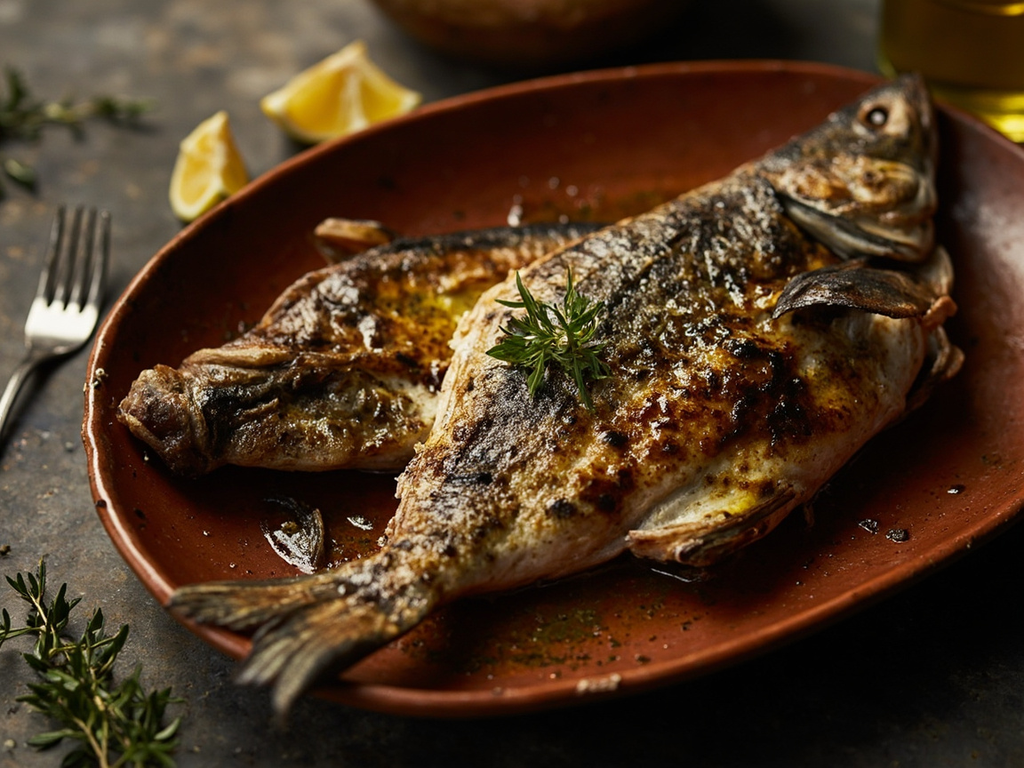
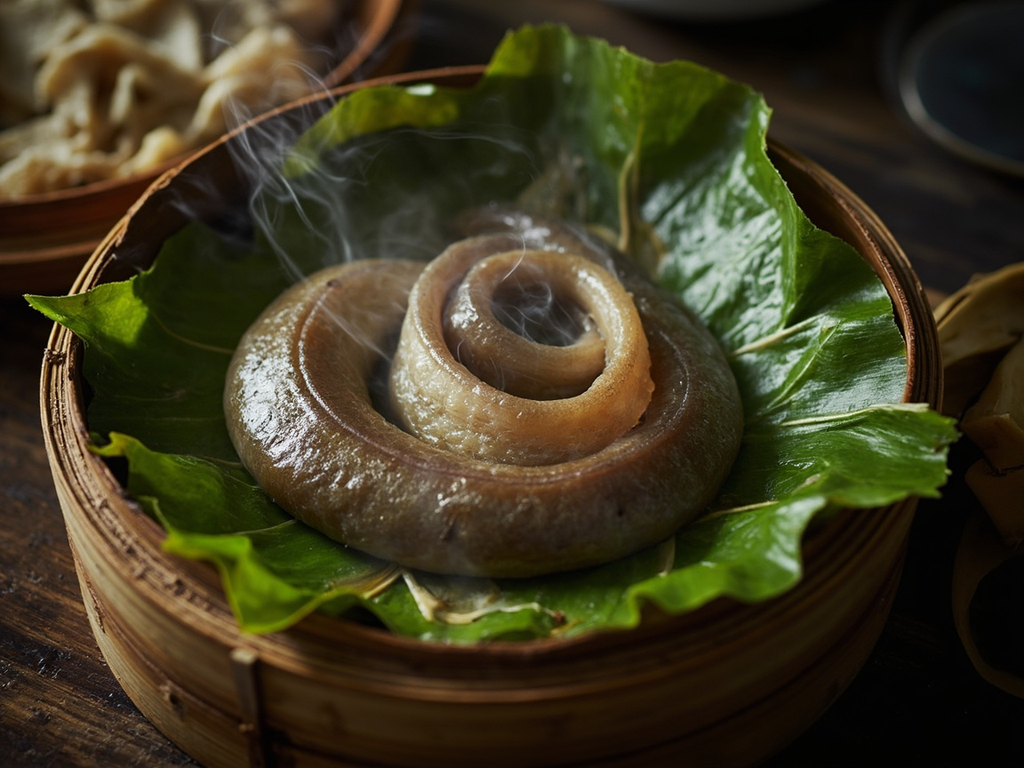
The fat eel, gutted and opened, wrapped in fragrant leaves and steamed in the gentle umu on hot stones. The flesh becomes melting, rich, deeply savory — a festive dish shared by hand.
Listen to the river, ē taku uri: it gives us the tuna when the moon commands it. Tāne, who shaped me with his hands, clothed these waters with fat fish. We heated the stones until they were red like the one of Kurawaka, we laid the eel in its bed of leaves, and the closed earth let its secret steam rise. When we opened the oven, the flesh slipped from the bone — and the whole hapū reached out together, for such a gift is never eaten alone.
- •Freshwater eel (tuna) — a fine specimen (centerpiece)
- •Scented green leaves — enough to wrap (steam cooking wrap)
- •River stones — a bed (umu heat)
- •Water — to sprinkle (generates steam)
Tuna — eel cooked in the umu
The fat eel, gutted and opened, wrapped in fragrant leaves and steamed in the gentle umu on hot stones. The flesh becomes melting, rich, deeply savory — a festive dish shared by hand.
Why this dish? It is said she feeds on the fish of the sacred rivers. The tuna (freshwater eel) is the treasure of the awa: it was caught in abundance during migrations, and the great earth oven transformed it into a community feast — the earth cooking the gift of the river.
Listen to the river, ē taku uri: it gives us the tuna when the moon commands it. Tāne, who shaped me with his hands, clothed these waters with fat fish. We heated the stones until they were red like the one of Kurawaka, we laid the eel in its bed of leaves, and the closed earth let its secret steam rise. When we opened the oven, the flesh slipped from the bone — and the whole hapū reached out together, for such a gift is never eaten alone.
Ingredients (period version)
- Freshwater eel (tuna) — a fine specimen (centerpiece)
- Scented green leaves — enough to wrap (steam cooking wrap)
- River stones — a bed (umu heat)
- Water — to sprinkle (generates steam)
Ingredients
- Eel fillets (or oily mackerel as substitute) — 600 g (centerpiece)
- Banana leaves or baking paper — 2 large (steam parcel)
- Sea salt — 2 tsp (seasoning)
- Water — 100 ml (steam in pot)
Method
- Salt the eel flesh and let rest 15 minutes.
- Wrap tightly in banana leaves (or parchment) to recreate the wrapped cooking of the umu.
- Place the parcel on a rack over 100 ml water in a covered pot over low heat (steam cooking).
- Cook 25 to 30 minutes until the flesh flakes.
- Open the parcel at the table, in its cloud of steam, and share by hand.
How it was made : Eels were caught in large numbers during migrations (heke), using traps (hīnaki) and channels. Surplus was smoked and dried on racks for the cold season. Festive cooking was done in the hāngī/umu, steam on hot stones covered with earth.
The contemporary twist : Open the parcel in front of guests to release the steam at once — a table theatre that re-enacts the opening of the earth oven.
Sources : Te Rangi Hīroa (Peter Buck), The Coming of the Maori (1949) · Elsdon Best, Fishing Methods and Devices of the Maori (1929)
Hineahuone · Charactorium