 flip
flipHerbal flower tisane
Herbal flower tisane
Why this dish? Host to Madame de La Sablière, a learned woman surrounded by minds curious about science and medicine, La Fontaine lived in a milieu where the virtues of "simples" were known. A soothing tisane of dried flowers evokes these 17th-century home remedies.
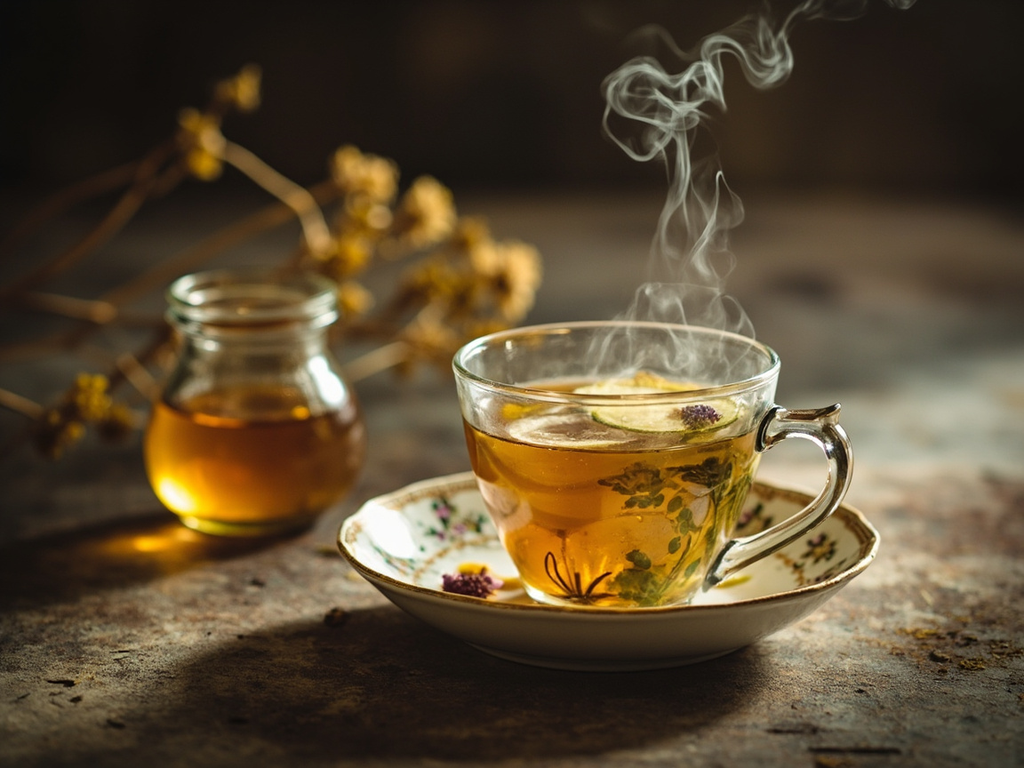
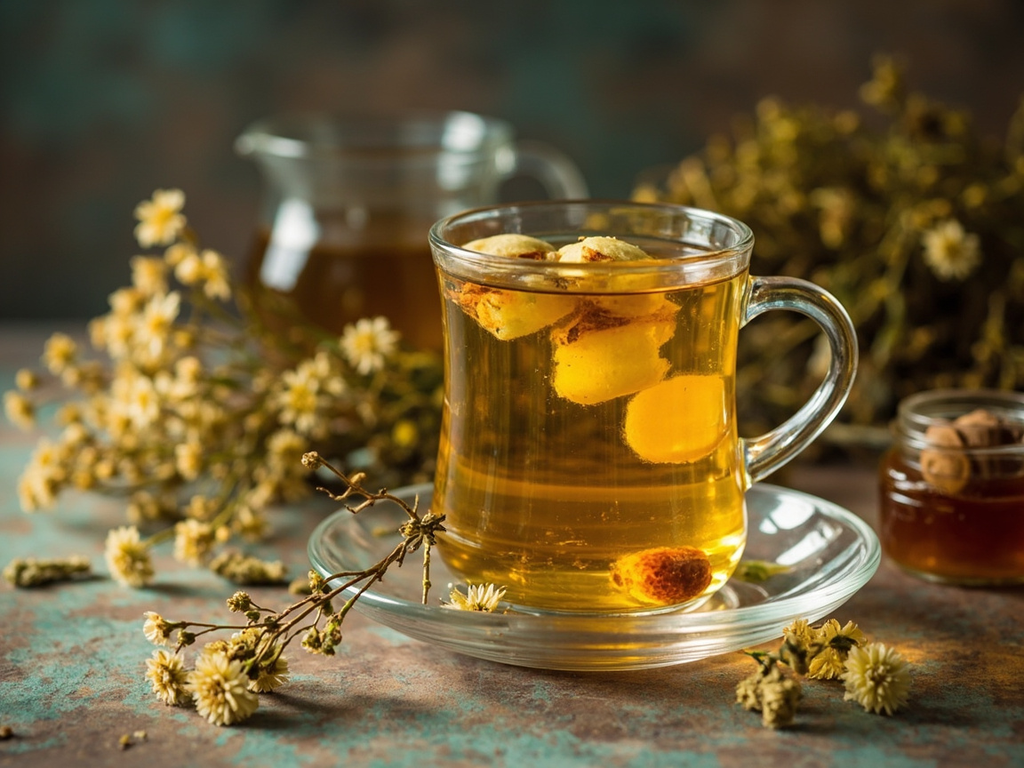
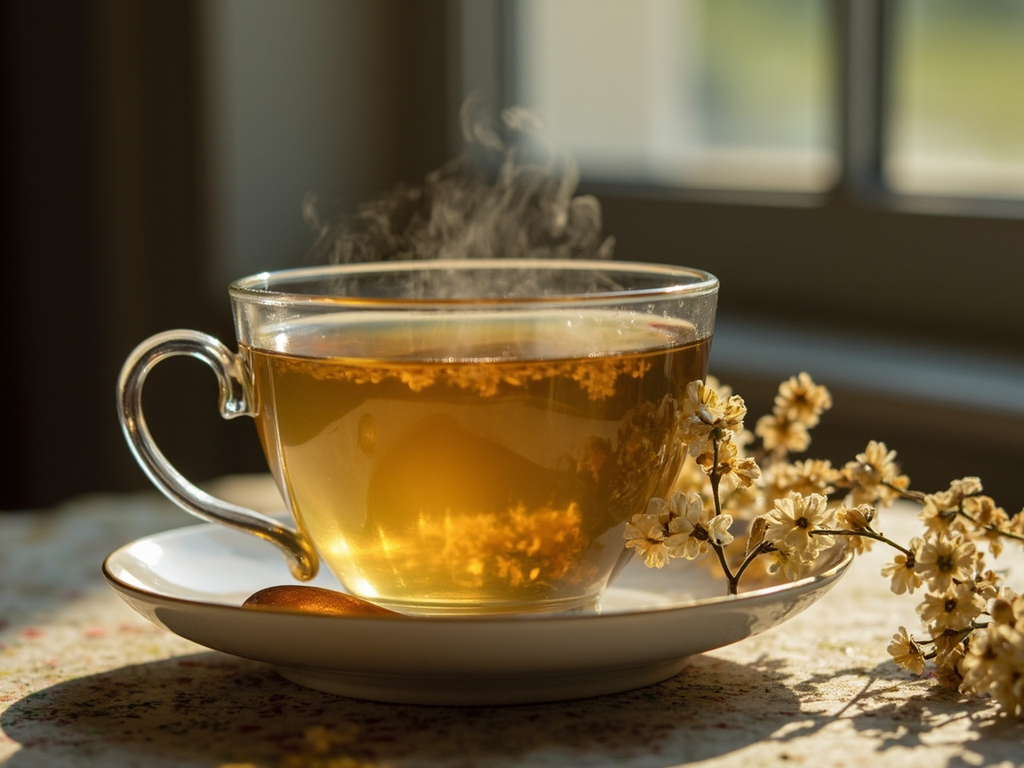
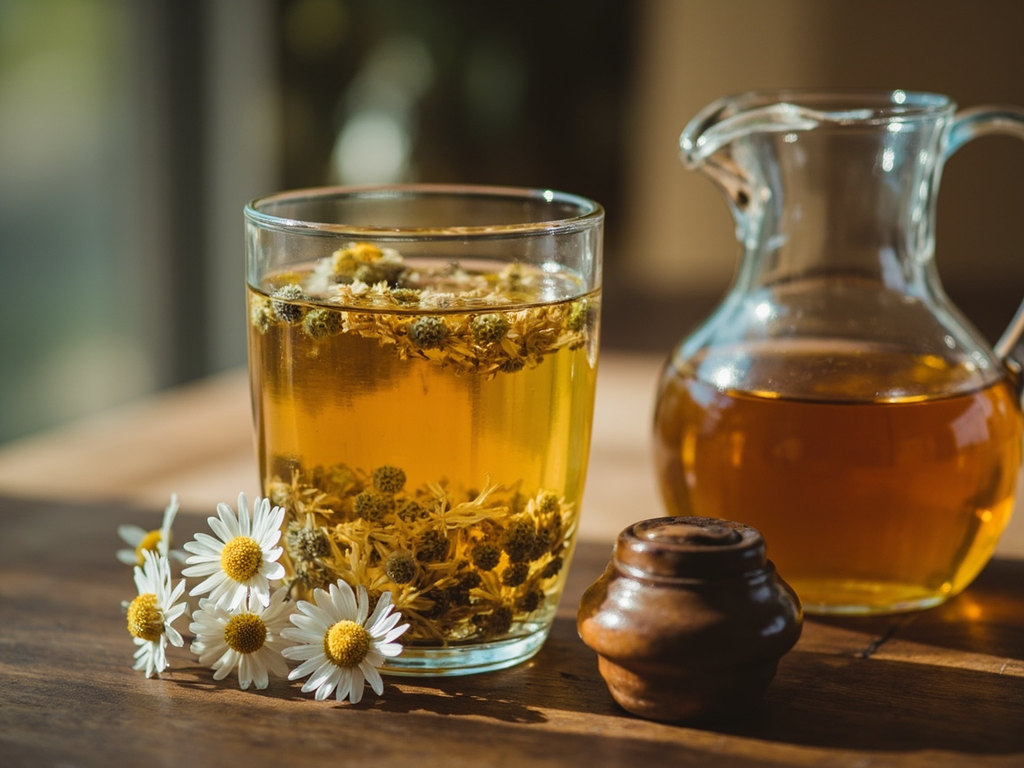
A hot infusion of dried flowers and herbs (linden, chamomile, lemon balm), sweetened with a little honey: the gentle remedy taken in the evening to calm the mind and promote sleep.
At Madame de La Sablière's, where they discoursed as much on physics as on poetry, they made great use of the simples from the garden. In the evening, when the mind refuses rest, nothing beats an infusion of linden and lemon balm, with a hint of honey. You pour boiling water over the dried flowers, you cover, you let it steep for the length of a short fable, then you drink it in small sips. It calms the vapors and disposes to sleep—and sometimes, who knows, to better dreams.
- •Dried linden flowers — a pinch (soothing)
- •Dried lemon balm and chamomile — a pinch (soothing)
- •Spring water — a bowl (infusion)
- •Honey — a spoonful (sweetness)
Herbal flower tisane
A hot infusion of dried flowers and herbs (linden, chamomile, lemon balm), sweetened with a little honey: the gentle remedy taken in the evening to calm the mind and promote sleep.
Why this dish? Host to Madame de La Sablière, a learned woman surrounded by minds curious about science and medicine, La Fontaine lived in a milieu where the virtues of "simples" were known. A soothing tisane of dried flowers evokes these 17th-century home remedies.
At Madame de La Sablière's, where they discoursed as much on physics as on poetry, they made great use of the simples from the garden. In the evening, when the mind refuses rest, nothing beats an infusion of linden and lemon balm, with a hint of honey. You pour boiling water over the dried flowers, you cover, you let it steep for the length of a short fable, then you drink it in small sips. It calms the vapors and disposes to sleep—and sometimes, who knows, to better dreams.
Ingredients (period version)
- Dried linden flowers — a pinch (soothing)
- Dried lemon balm and chamomile — a pinch (soothing)
- Spring water — a bowl (infusion)
- Honey — a spoonful (sweetness)
Ingredients
- Dried linden — 1 tbsp (soothing)
- Dried lemon balm and chamomile — 1 tsp each (soothing)
- Water — 25 cl (infusion)
- Honey — 1 tsp (sweetness)
Method
- Bring the water to a simmer without boiling too vigorously.
- Pour over the dried flowers and herbs placed in a cup or teapot.
- Cover and steep for 5 to 7 minutes.
- Strain, sweeten with a little honey, and drink hot, preferably in the evening.
How it was made : In the 17th century, domestic medicine relied heavily on "simples"—medicinal plants grown in the garden or foraged. They were made into tisanes, decoctions, and syrups, with recipes circulating in households. Honey served as a sweetener, sugar being expensive.
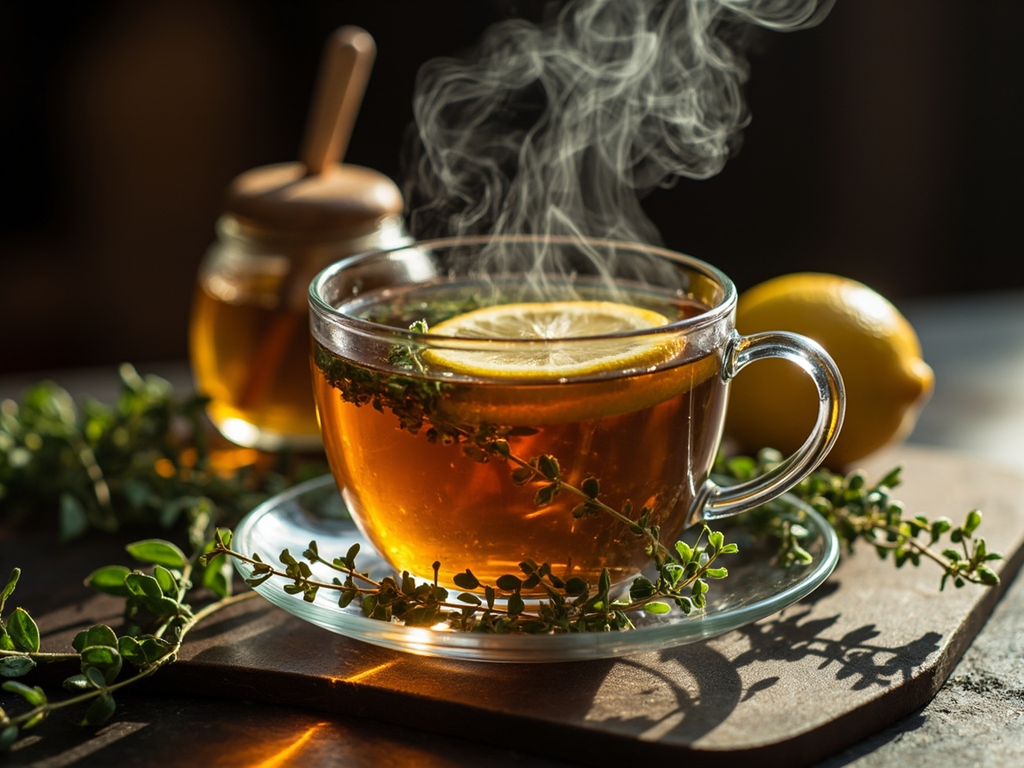
The contemporary twist : Serve in a glass teapot to admire the dancing flowers, with a crystallized honey stick.
Jean de La Fontaine · Charactorium