 flip
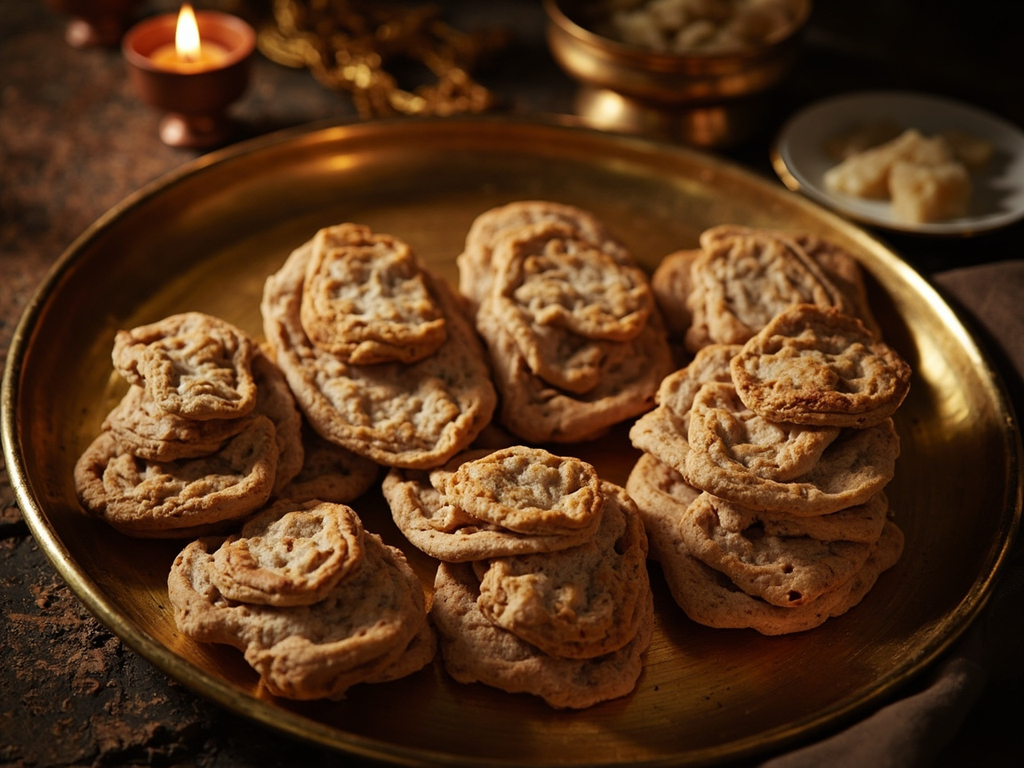
flipFine Flour Oil Cakes (inspired by the minha)
Fine Flour Oil Cakes (inspired by the minha)
Why this dish? A pious man, Job rose at dawn to offer sacrifices on behalf of his children, fearing they might have sinned (Job 1:5) — incense is among his belongings. These fine flour oil cakes, freely inspired by the vegetal offering (minha), evoke this gesture of devotion without reproducing the sacred rite.
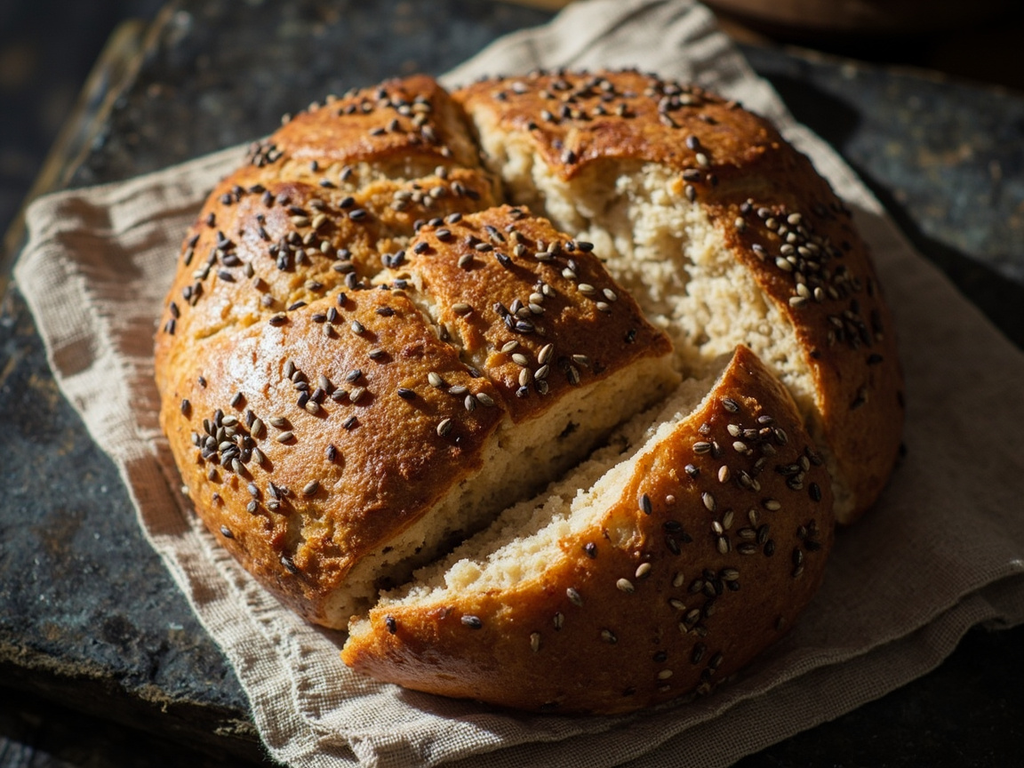
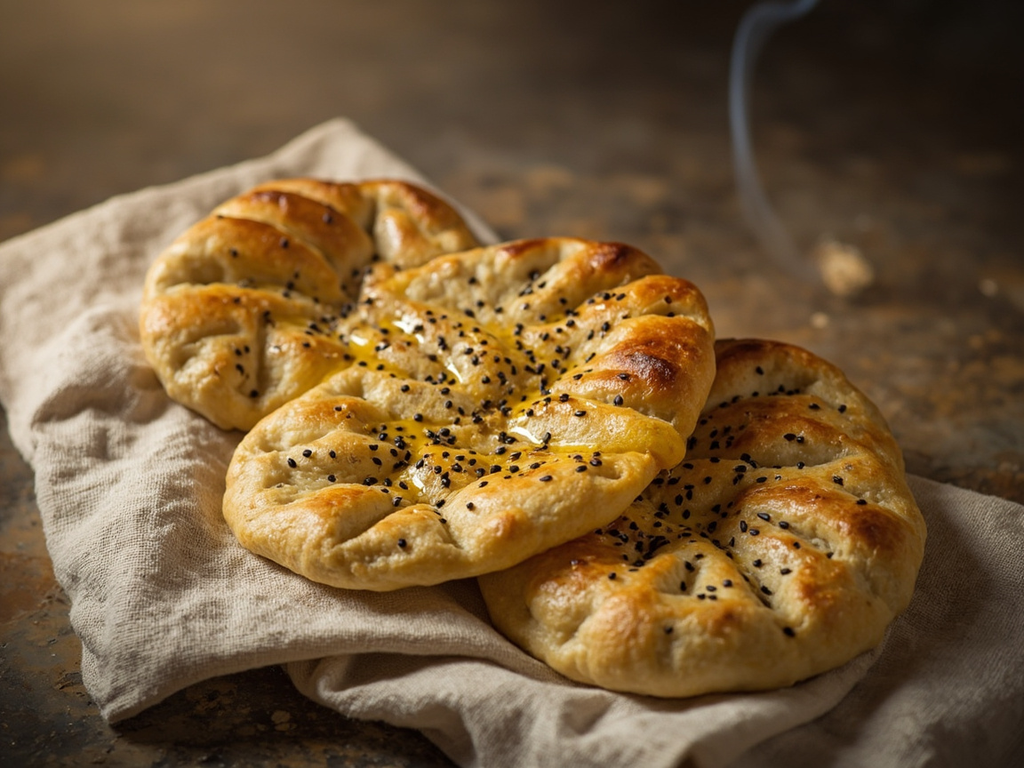
Small cakes of fine flour kneaded with olive oil, unleavened and without honey, sometimes sprinkled with roasted incense on the edge. Austere and golden, they speak of offering and purity more than indulgence.
As soon as dawn paled, I rose before all my household. For my sons feasted, and I said to myself: perhaps in their hearts they have forgotten God. So we kneaded the purest fine flour with fresh oil from the press, without leaven that puffs up pride, and made small cakes that the flame gilded. This is not a dish for the belly, stranger: it is the bread of a man who wants to walk upright before his God.
- •Fine wheat flour (the finest) — two measures (pure base)
- •First-press olive oil — as needed (binder and richness)
- •Salt — a pinch (ritual seasoning)
- •Incense grains (frankincense) — a few (offering aroma)
Fine Flour Oil Cakes (inspired by the minha)
Small cakes of fine flour kneaded with olive oil, unleavened and without honey, sometimes sprinkled with roasted incense on the edge. Austere and golden, they speak of offering and purity more than indulgence.
Why this dish? A pious man, Job rose at dawn to offer sacrifices on behalf of his children, fearing they might have sinned (Job 1:5) — incense is among his belongings. These fine flour oil cakes, freely inspired by the vegetal offering (minha), evoke this gesture of devotion without reproducing the sacred rite.
As soon as dawn paled, I rose before all my household. For my sons feasted, and I said to myself: perhaps in their hearts they have forgotten God. So we kneaded the purest fine flour with fresh oil from the press, without leaven that puffs up pride, and made small cakes that the flame gilded. This is not a dish for the belly, stranger: it is the bread of a man who wants to walk upright before his God.
Ingredients (period version)
- Fine wheat flour (the finest) — two measures (pure base)
- First-press olive oil — as needed (binder and richness)
- Salt — a pinch (ritual seasoning)
- Incense grains (frankincense) — a few (offering aroma)
Ingredients
- Fine wheat flour (T45/T55) — 250 g (base)
- Extra virgin olive oil — 60 ml (binder and flavor)
- Water — 90 ml (binding)
- Salt — 1/2 tsp (seasoning)
- Sesame seeds or nigella seeds (instead of incense, edible) — 1 tbsp (aromatic decoration)
Method
- Mix the flour and salt, make a well and pour in the oil then the water.
- Knead until you get a smooth, non-sticky dough; let rest for 20 minutes.
- Divide into small balls, flatten into thin discs, sprinkle with sesame or nigella.
- Bake at 200°C for 8 to 10 minutes until golden, or cook in a dry pan for 3 minutes per side.
- Serve warm, drizzled with olive oil.
How it was made : The vegetal offering (minha) was made of fine flour and oil, presented with incense. Leaven and honey were excluded (Leviticus 2:11), symbols of fermentation to be banished from the sacred fire. The spirit is kept here — purity, austerity, oil — without reconstructing the religious rite itself.
The contemporary twist : Serve these cakes as mini flatbreads for dipping in curds and olive oil, with a pinch of nigella: a contemporary 'offering board', simple and elegant.
Sources : Book of Job, 1:5 · Leviticus, 2:1-11
Job · Charactorium