 flip
flipFat thighs for the gods, honey and barley
Fat thighs for the gods, honey and barley
Why this dish? Before every feast, Achilles and the Achaeans burn for the gods the thighs wrapped in fat, doused with wine and barley. Inspired by this rite, this dish honors the religious dimension of the heroic table: one never eats without first giving to the Olympians.
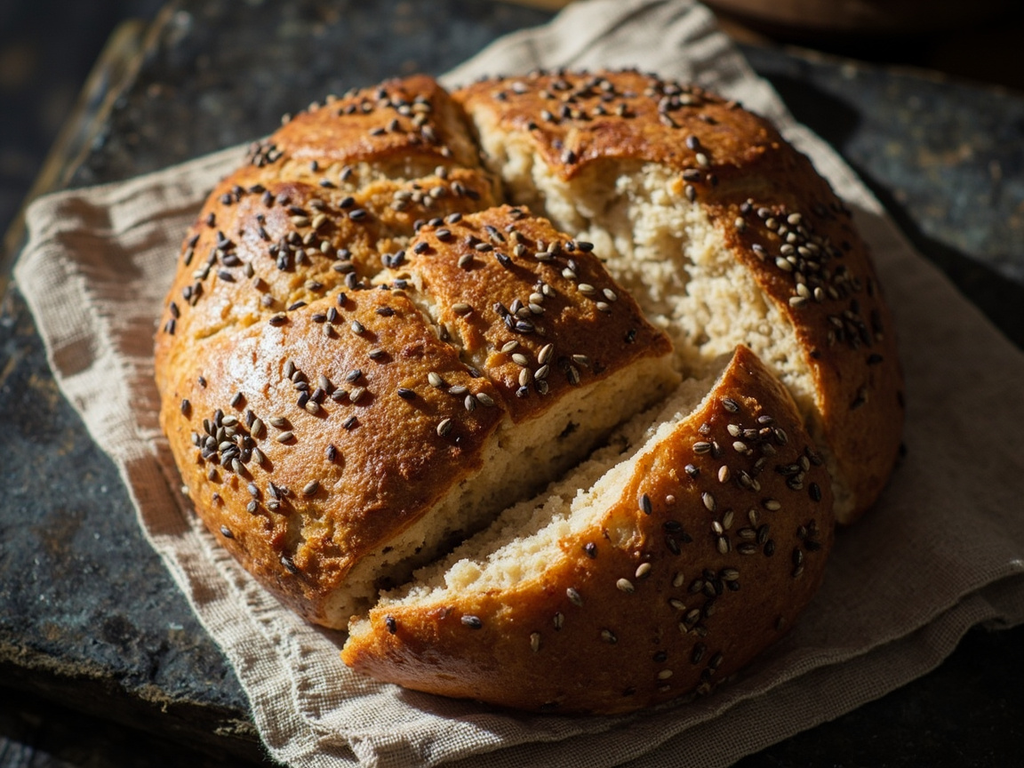
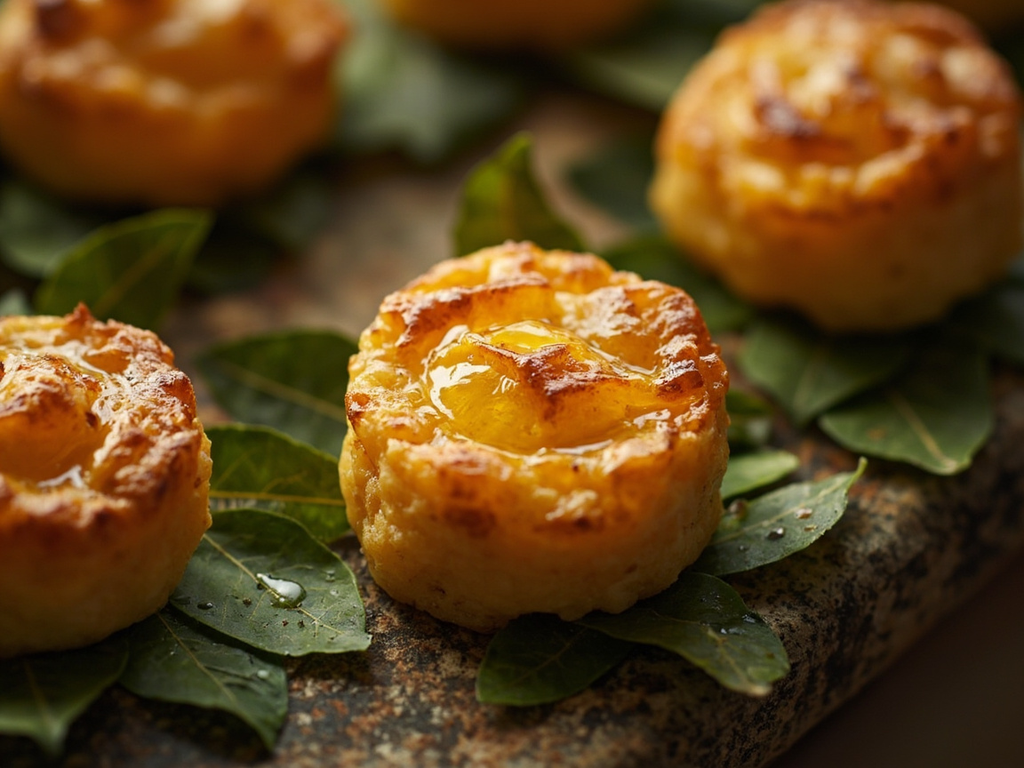
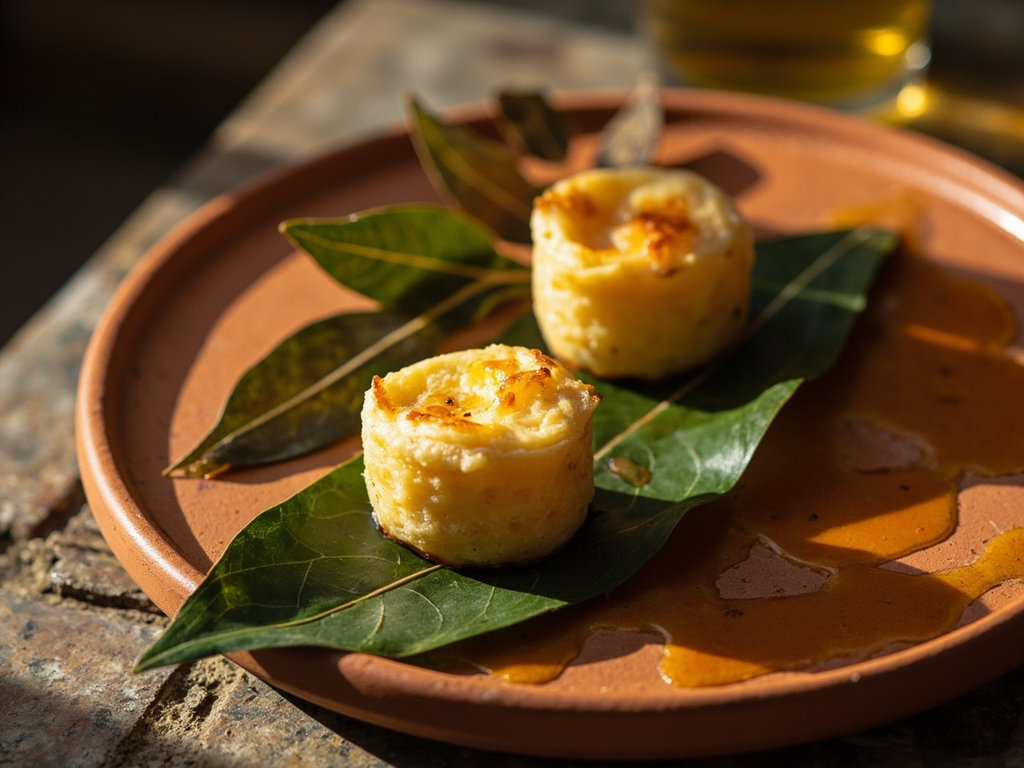
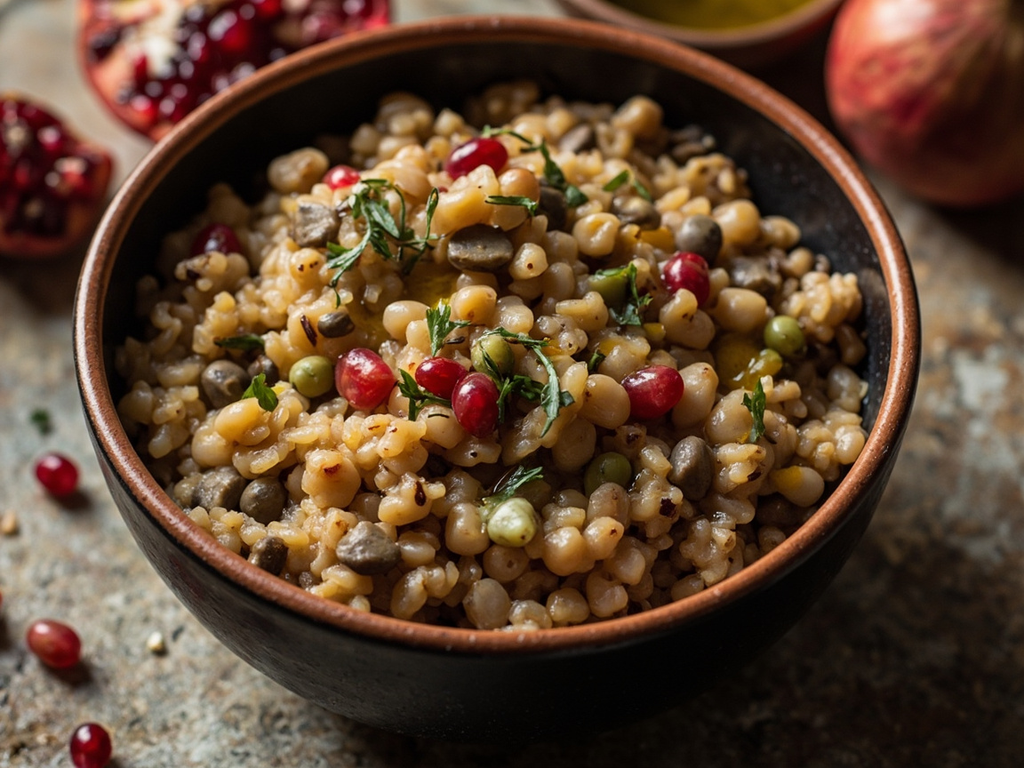
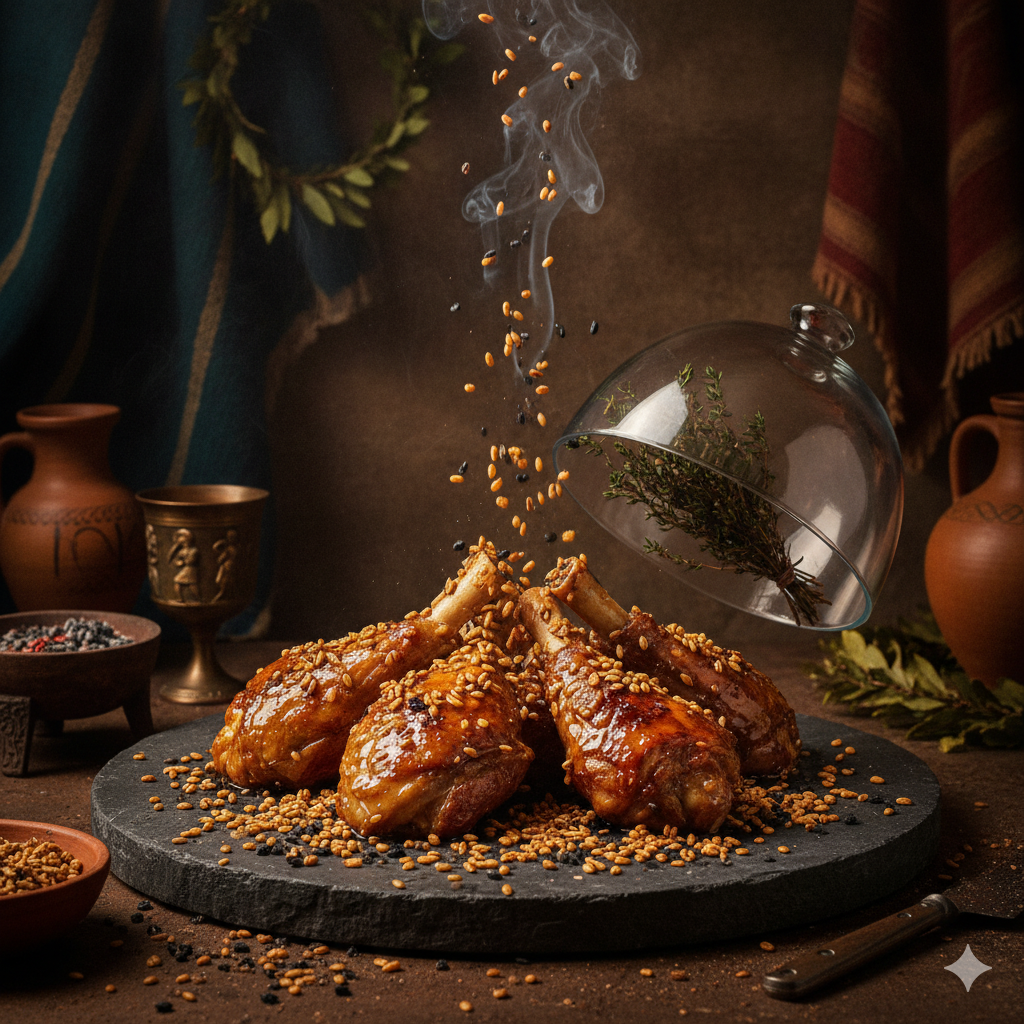
Honor portion reserved for the divine, here reinterpreted as a plate: pieces of fatty meat glazed with honey and sprinkled with toasted barley, evoking the fragrant smoke that rose to Olympus. An evocation, not a reproduction of a sacred rite.
Before my mouth touches the meat, I give the Immortals their share, as my father Peleus taught. We wrap the thighs in gleaming fat, pour dark wine, throw sacred barley, and the flame carries the scent to the nostrils of the gods. May Zeus and my mother Thetis be gracious to me! Then taste your portion, mortal, but remember: no feast is just that forgets those above.
- •Mutton thighs and fat — the fatty portion (burnt offering)
- •Wine — a libation (ritual dousing)
- •Barley — a handful (sacred grains)
- •Honey — a drizzle (offering sweetness)
Fat thighs for the gods, honey and barley
Honor portion reserved for the divine, here reinterpreted as a plate: pieces of fatty meat glazed with honey and sprinkled with toasted barley, evoking the fragrant smoke that rose to Olympus. An evocation, not a reproduction of a sacred rite.
Why this dish? Before every feast, Achilles and the Achaeans burn for the gods the thighs wrapped in fat, doused with wine and barley. Inspired by this rite, this dish honors the religious dimension of the heroic table: one never eats without first giving to the Olympians.
Before my mouth touches the meat, I give the Immortals their share, as my father Peleus taught. We wrap the thighs in gleaming fat, pour dark wine, throw sacred barley, and the flame carries the scent to the nostrils of the gods. May Zeus and my mother Thetis be gracious to me! Then taste your portion, mortal, but remember: no feast is just that forgets those above.
Ingredients (period version)
- Mutton thighs and fat — the fatty portion (burnt offering)
- Wine — a libation (ritual dousing)
- Barley — a handful (sacred grains)
- Honey — a drizzle (offering sweetness)
Ingredients
- Lamb shanks or ribs — 600 g (meat to glaze)
- Honey — 2 tbsp (golden glaze)
- Red wine — 100 ml (flavorful deglazing)
- Pearl barley — 3 tbsp (toasted garnish)
- Olive oil — 2 tbsp (cooking)
- Salt and thyme — to taste (seasoning)
Method
- Toast the pearl barley dry in a pan until golden and fragrant; set aside.
- Sear the meat in olive oil on all sides, salt, and add thyme.
- Deglaze with red wine, let reduce by half, then add honey.
- Glaze the meat over low heat, coating it with the syrup until shiny.
- Plate and sprinkle generously with toasted barley, evoking the grains cast on the altar.
How it was made : The Greek sacrifice (thysia) followed a precise ritual described by Homer and Hesiod: the thigh bones wrapped in fat (the least edible part, according to Prometheus’ cunning division at Mekone) were burned for the gods, doused with wine and barley, while the men ate the flesh. The fragrant smoke was the divine “share.”
The contemporary twist : Serve on a dark slate with a wisp of thyme smoke under a cloche, lifted at the table: a nod to the sacrificial smoke rising to Olympus.
Sources : Homer, Iliad, Book I (sacrifice to Apollo) · Hesiod, Theogony (division at Mekone, Prometheus)
Achilles · Charactorium