 flip
flipChocolate à la mode espagnole
Chocolate à la mode espagnole
Why this dish? Chocolate was all the rage at the court of Louis XIV, and Madame de Sévigné writes about it extensively to her daughter: sometimes she recommends it, sometimes she distrusts it and eventually gives it up only to come back to it. It is one of the drinks most closely tied to her correspondence.
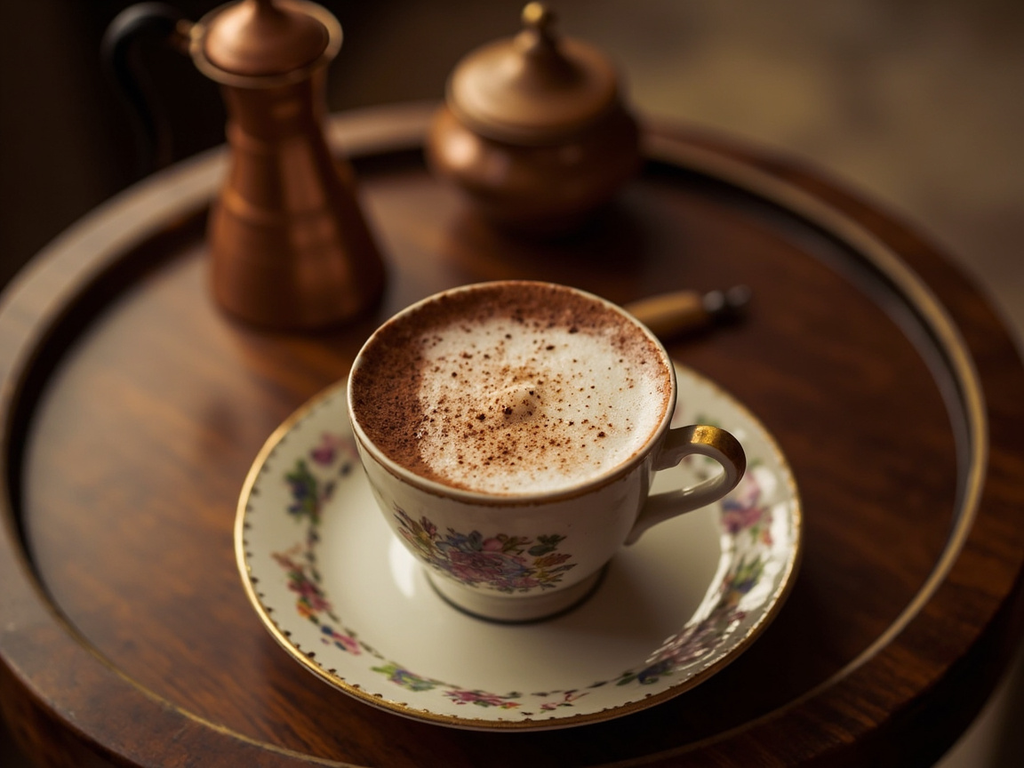
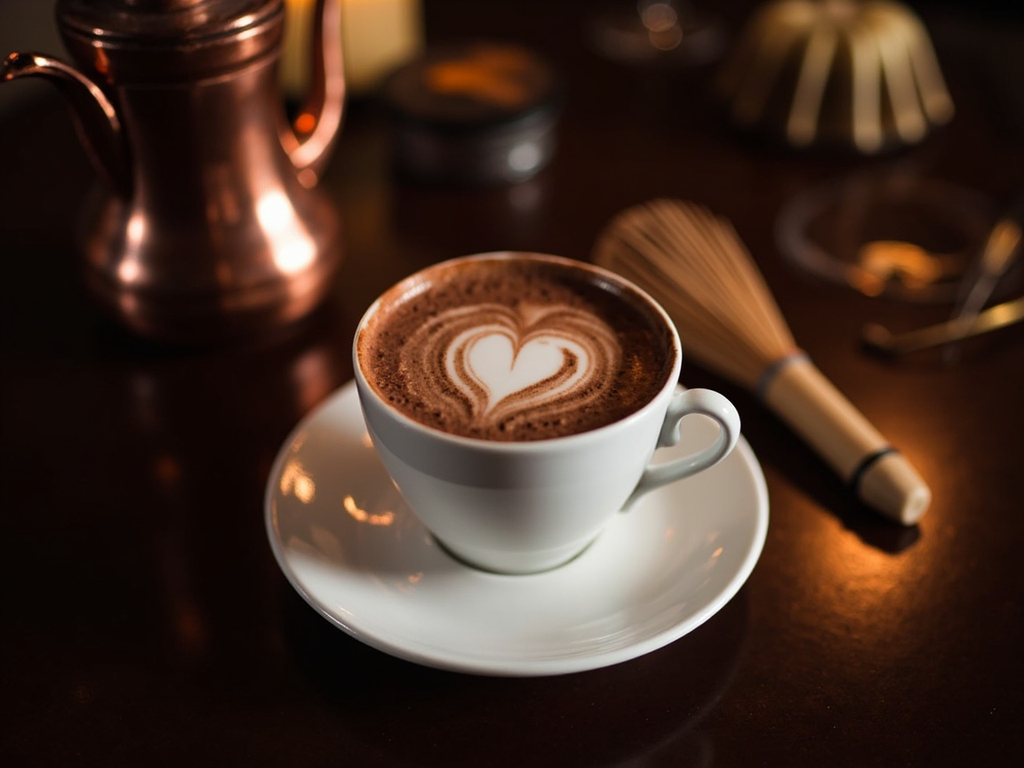
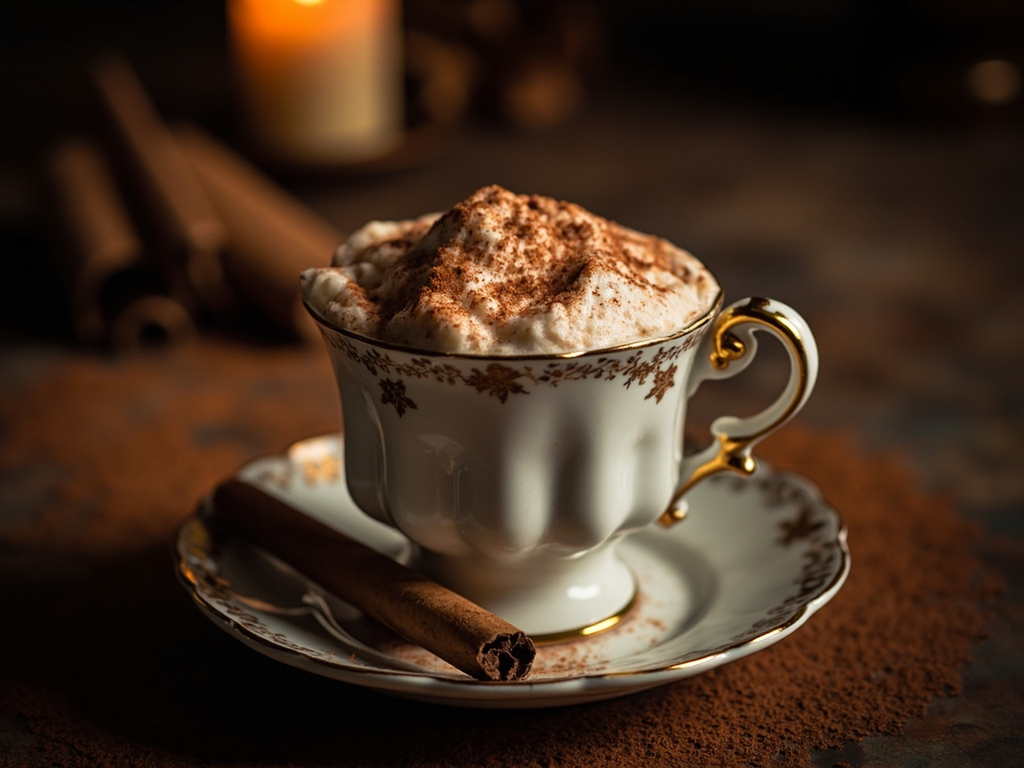
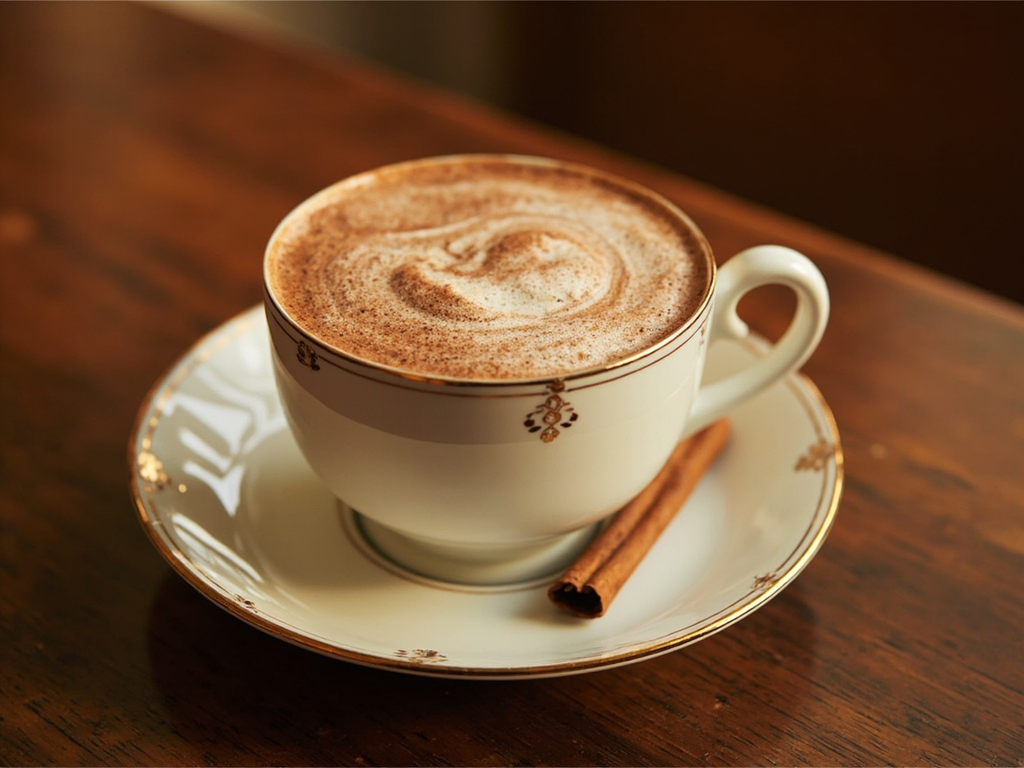
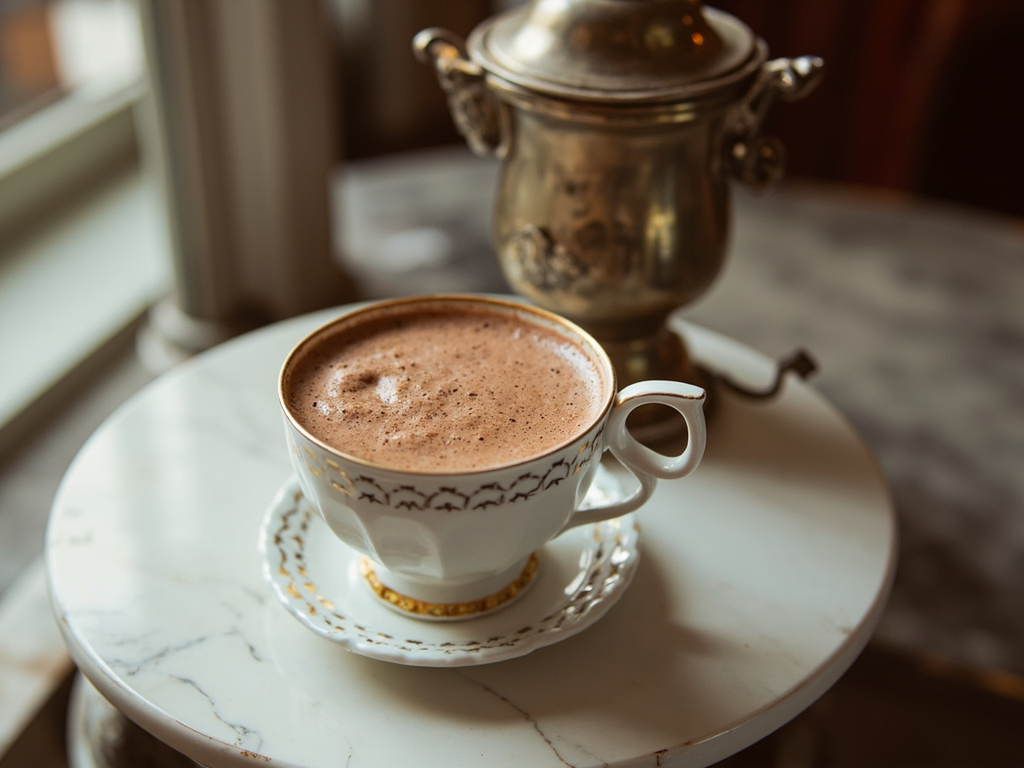
Grated cacao paste melted in hot water or milk, perfumed with cinnamon and whisked until frothy with a molinet. An exotic, expensive novelty served in silver chocolate pots at the lever of great ladies.
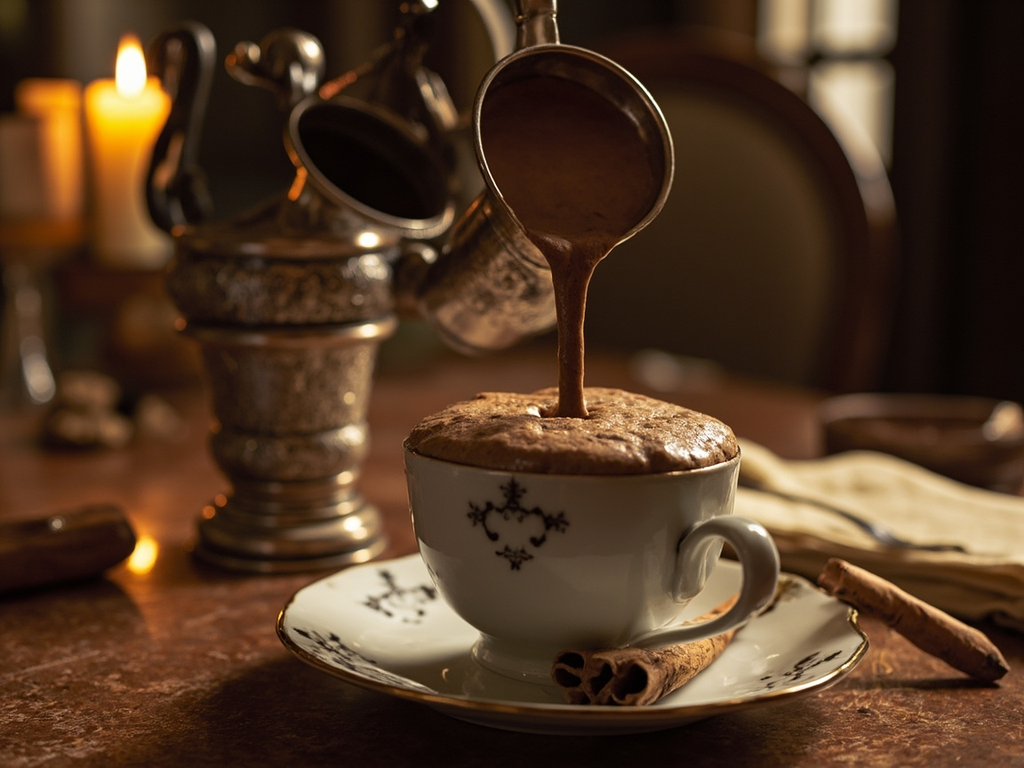
My daughter, let us speak of this chocolate that the court has become infatuated with. I took it up, I gave it up, I took it up again, so pleasant and troubling is this drug. It is whisked in its chocolate pot until it foams like the sea, cinnamon is added, and it flatters you marvelously. But beware: I was told that Madame de Coëtlogon drank so much of it during her pregnancy that she gave birth to a little child as black as the devil—see if moderation is not better than gluttony!
- •Chocolate tablet (cacao, sugar, cinnamon ground) — one stick (base)
- •Water or milk — one chocolate pot (liquid)
- •Cinnamon — a pinch (aroma)
- •Sugar — to taste (sweetness)
Chocolate à la mode espagnole
Grated cacao paste melted in hot water or milk, perfumed with cinnamon and whisked until frothy with a molinet. An exotic, expensive novelty served in silver chocolate pots at the lever of great ladies.
Why this dish? Chocolate was all the rage at the court of Louis XIV, and Madame de Sévigné writes about it extensively to her daughter: sometimes she recommends it, sometimes she distrusts it and eventually gives it up only to come back to it. It is one of the drinks most closely tied to her correspondence.
My daughter, let us speak of this chocolate that the court has become infatuated with. I took it up, I gave it up, I took it up again, so pleasant and troubling is this drug. It is whisked in its chocolate pot until it foams like the sea, cinnamon is added, and it flatters you marvelously. But beware: I was told that Madame de Coëtlogon drank so much of it during her pregnancy that she gave birth to a little child as black as the devil—see if moderation is not better than gluttony!
Ingredients (period version)
- Chocolate tablet (cacao, sugar, cinnamon ground) — one stick (base)
- Water or milk — one chocolate pot (liquid)
- Cinnamon — a pinch (aroma)
- Sugar — to taste (sweetness)
Ingredients
- Dark chocolate 70% — 100 g (base)
- Water (period version) or whole milk — 500 ml (liquid)
- Cinnamon stick — 1 (infused aroma)
- Cane sugar — 1 to 2 tbsp (sweetness)
Method
- Gently heat the water or milk with the cinnamon stick, without boiling.
- Grate or chop the chocolate and melt it into the hot liquid, stirring.
- Add sugar to taste and remove the cinnamon.
- Whisk vigorously (with a whisk or molinet) until a thick foam forms on the surface.
- Serve hot and frothy in cups or from the chocolate pot.
How it was made : Chocolate arrived in France via Spain and the court of Anne of Austria. It was drunk Spanish-style: thick, with water rather than milk, perfumed with cinnamon (sometimes ambergris or musk), and always frothed with a molinet, a stick rolled between the palms. It was a luxury: cacao, brought from the Americas, was very expensive.
The contemporary twist : Serve Spanish-style, thick, with biscuit fingers for dipping, or add a pinch of fleur de sel to enhance the cacao's bitterness.
Sources : Madame de Sévigné, Lettres (October 1671, letters on chocolate) · Massialot, Le Cuisinier roïal et bourgeois, 1691
Madame de Sévigné · Charactorium