 flip
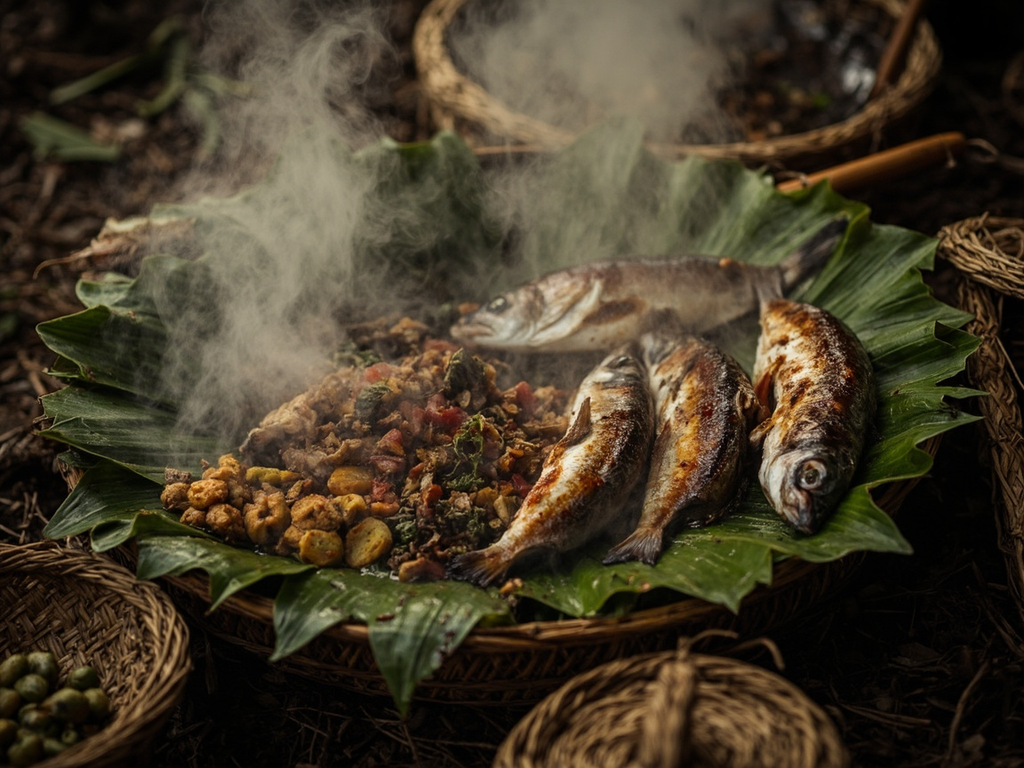
flipHāngī — kūmara, manu and kaimoana in the earth oven
Hāngī — kūmara, manu and kaimoana in the earth oven
Why this dish? The hāngī is the very embodiment of Mahuika's gift: fire is mastered through heated stones, and the spark that lights them is drawn from the kaikōmako, the tree where the goddess hid her last flame before entrusting it to the world. No Māori feast exists without this buried fire.
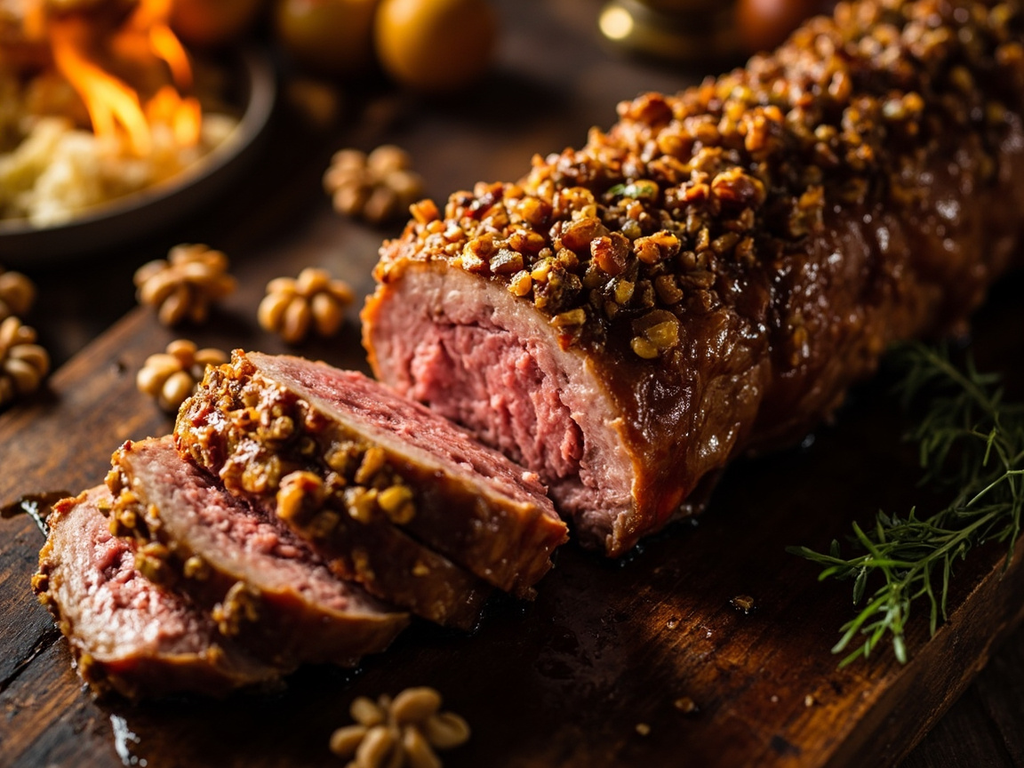
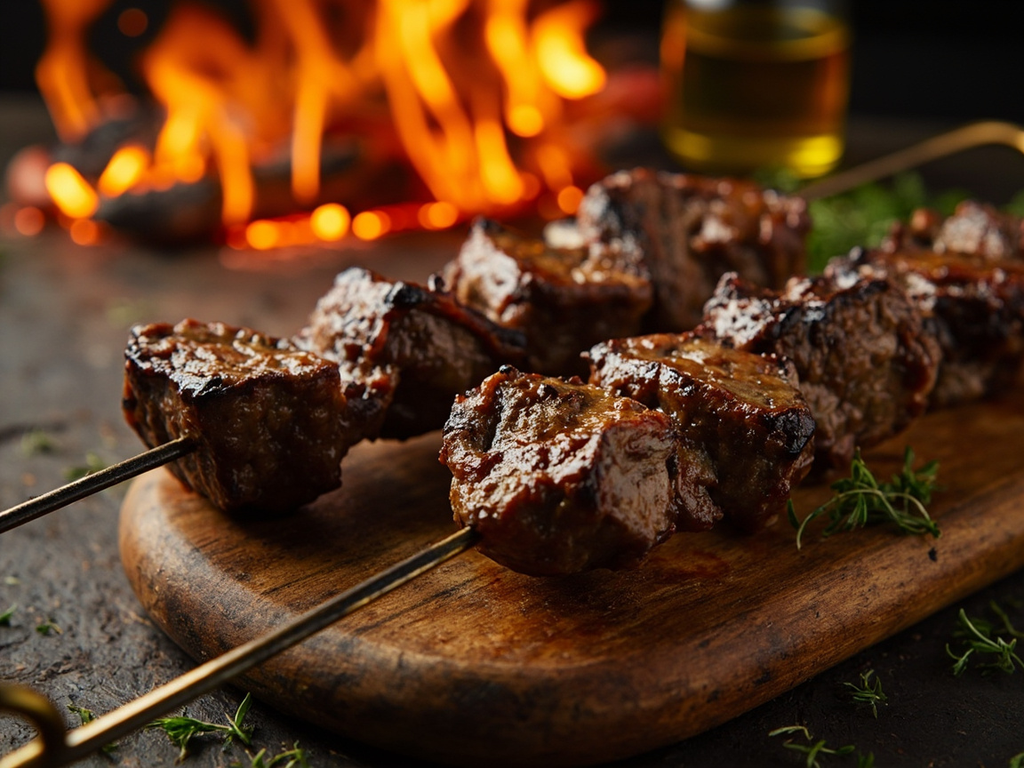
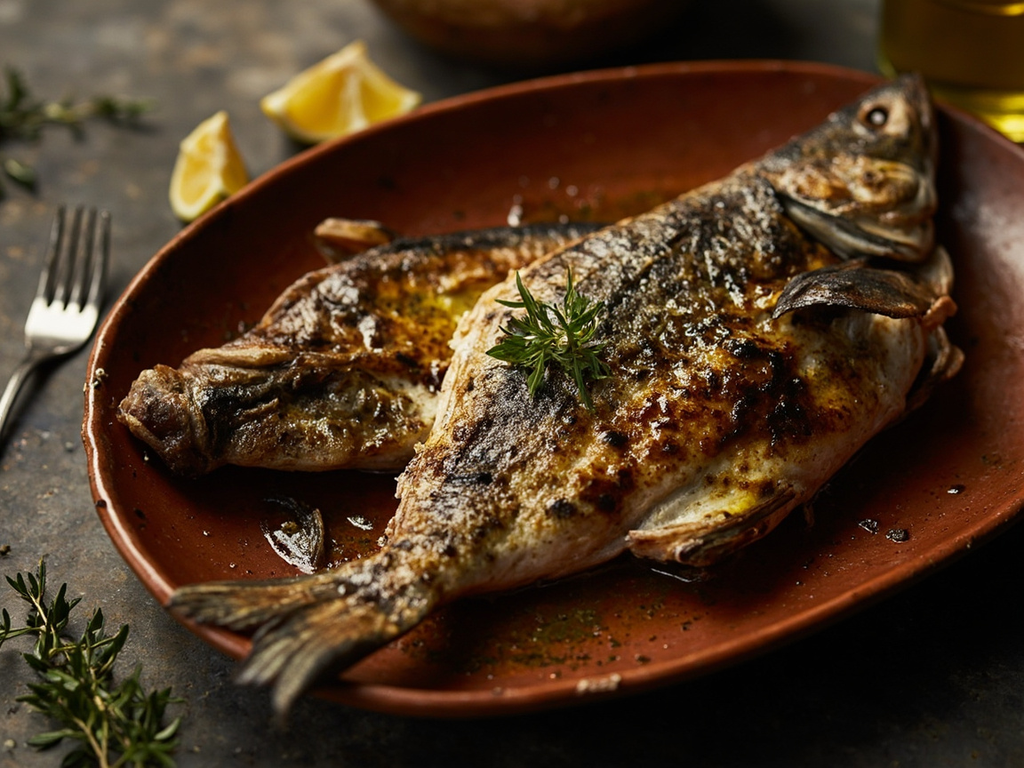
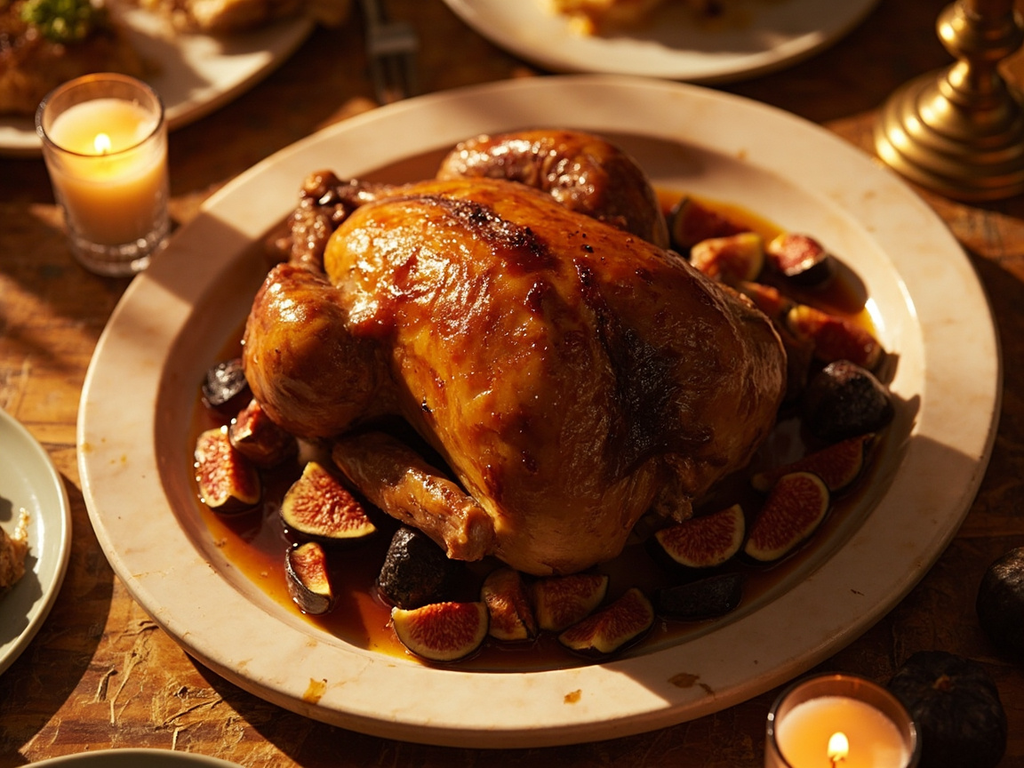
In a pit, stones are heated white-hot, covered with wet green leaves, then kūmara, taro, birds and fish, and finally earth. The trapped steam cooks everything for hours, yielding tender, smoky flesh. It is the dish of great occasions, from weddings to tangihanga (funerals).
Listen well, for this is the story of my fire: the cunning Māui coaxed my flames from me one by one, nail by nail, until I threw the last spark into the kaikōmako. From that wood your people now draw fire to heat the stones of the hāngī. Lay the kūmara, the fat bird and the fish on the burning stones, cover with leaves and earth, and let the steam rise like the breath of Earth-Mother. When you open the pit, the smoke that rises will be my memory.
- •Kūmara (sweet potato, brought by Polynesian ancestors) — as many as desired (sweet starch)
- •Taro — a few tubers (starch)
- •Fat birds (kererū, weka) — according to the hunt (festive meat)
- •Eel (tuna) and sea fish — according to the catch (marine umami)
- •River stones, green leaves, water — as needed (steam cooking)
Hāngī — kūmara, manu and kaimoana in the earth oven
In a pit, stones are heated white-hot, covered with wet green leaves, then kūmara, taro, birds and fish, and finally earth. The trapped steam cooks everything for hours, yielding tender, smoky flesh. It is the dish of great occasions, from weddings to tangihanga (funerals).
Why this dish? The hāngī is the very embodiment of Mahuika's gift: fire is mastered through heated stones, and the spark that lights them is drawn from the kaikōmako, the tree where the goddess hid her last flame before entrusting it to the world. No Māori feast exists without this buried fire.
Listen well, for this is the story of my fire: the cunning Māui coaxed my flames from me one by one, nail by nail, until I threw the last spark into the kaikōmako. From that wood your people now draw fire to heat the stones of the hāngī. Lay the kūmara, the fat bird and the fish on the burning stones, cover with leaves and earth, and let the steam rise like the breath of Earth-Mother. When you open the pit, the smoke that rises will be my memory.
Ingredients (period version)
- Kūmara (sweet potato, brought by Polynesian ancestors) — as many as desired (sweet starch)
- Taro — a few tubers (starch)
- Fat birds (kererū, weka) — according to the hunt (festive meat)
- Eel (tuna) and sea fish — according to the catch (marine umami)
- River stones, green leaves, water — as needed (steam cooking)
Ingredients
- Kūmara (sweet potato) — 4 large (sweet starch)
- Taro or new potatoes — 500 g (starch)
- Chicken or duck thighs (instead of protected birds) — 6 (meat)
- Whole firm fish (or smoked eel if available) — 1 (marine umami)
- Cabbage or banana leaves, water — a few (steam and aroma)
Method
- Without a pit: line a large casserole dish or deep baking dish with damp cabbage leaves.
- Place the starches (the longest to cook) at the bottom, then the meats, then the fish on top.
- Pour in half a glass of water, seal tightly with more leaves then the lid.
- Cook in the oven at 160°C for 2 to 2.5 hours, or very gently braised, until everything is tender.
- Open at the table to release the fragrant steam, and serve everything together on a large board or leaves.
How it was made : The authentic hāngī is cooked in a pit (umu): stones heated over a wood fire for hours, covered with wet green leaves (often harakeke or fern), baskets of kai, then sealed with earth. The slow steam cooking, without direct contact with the flame, gives a characteristic smoky flavor. Kūmara, brought by the first Polynesian navigators, is well attested before any European contact.
The contemporary twist : Slide a few wood chips (manuka if possible) into the casserole to sign the aroma of the umu even in an apartment kitchen.
Mahuika · Charactorium