 flip
flipKāuru — the sweet root of the traveler
Kāuru — the sweet root of the traveler
Why this dish? Māui and his people crossed the vast Pacific by canoe, from Hawaiki to the lands he fished up. For these long voyages, they carried kāuru: the root of the tī (cabbage tree) cooked until sweet, one of the few natural sweets before sugar — the energy of the Polynesian sailor.
The fleshy root of the cabbage tree (tī kōuka), long-cooked in the earth oven then dried: its flesh releases natural sugar. You chew it, fibrous and honeyed, or soak it for a sweet drink. The sweet comfort of great voyages.
You're going far on the black water? Then take kāuru, as we did from Hawaiki. We dig up the big root of the tī, we cook it in the burning oven for two whole days, until its fiber becomes soft as wild honey. You dry it, you tie it to the bottom of the waka, and when hunger gnaws at you between two islands, you chew this sweet wood and strength returns to your arms for paddling. The sea is long; sweetness, though, keeps.
- •Tī kōuka root (cabbage tree, Cordyline) — 1 large root (sugar source)
- •Hot stones from the earth oven — — (long cooking)
Kāuru — the sweet root of the traveler
The fleshy root of the cabbage tree (tī kōuka), long-cooked in the earth oven then dried: its flesh releases natural sugar. You chew it, fibrous and honeyed, or soak it for a sweet drink. The sweet comfort of great voyages.
Why this dish? Māui and his people crossed the vast Pacific by canoe, from Hawaiki to the lands he fished up. For these long voyages, they carried kāuru: the root of the tī (cabbage tree) cooked until sweet, one of the few natural sweets before sugar — the energy of the Polynesian sailor.
You're going far on the black water? Then take kāuru, as we did from Hawaiki. We dig up the big root of the tī, we cook it in the burning oven for two whole days, until its fiber becomes soft as wild honey. You dry it, you tie it to the bottom of the waka, and when hunger gnaws at you between two islands, you chew this sweet wood and strength returns to your arms for paddling. The sea is long; sweetness, though, keeps.
Ingredients (period version)
- Tī kōuka root (cabbage tree, Cordyline) — 1 large root (sugar source)
- Hot stones from the earth oven — — (long cooking)
Ingredients
- Parsnips (accessible substitute for tī root) — 500 g (sweet root)
- Water — a little (cooking moisture)
- Honey (optional, to approach the taste of kāuru) — 1 tbsp (enhances sweetness)
Method
- Note: real tī kōuka root is unavailable outside New Zealand; we recreate the spirit of the dish with parsnip, a naturally sweet root.
- Peel the parsnips and cut into thick sticks.
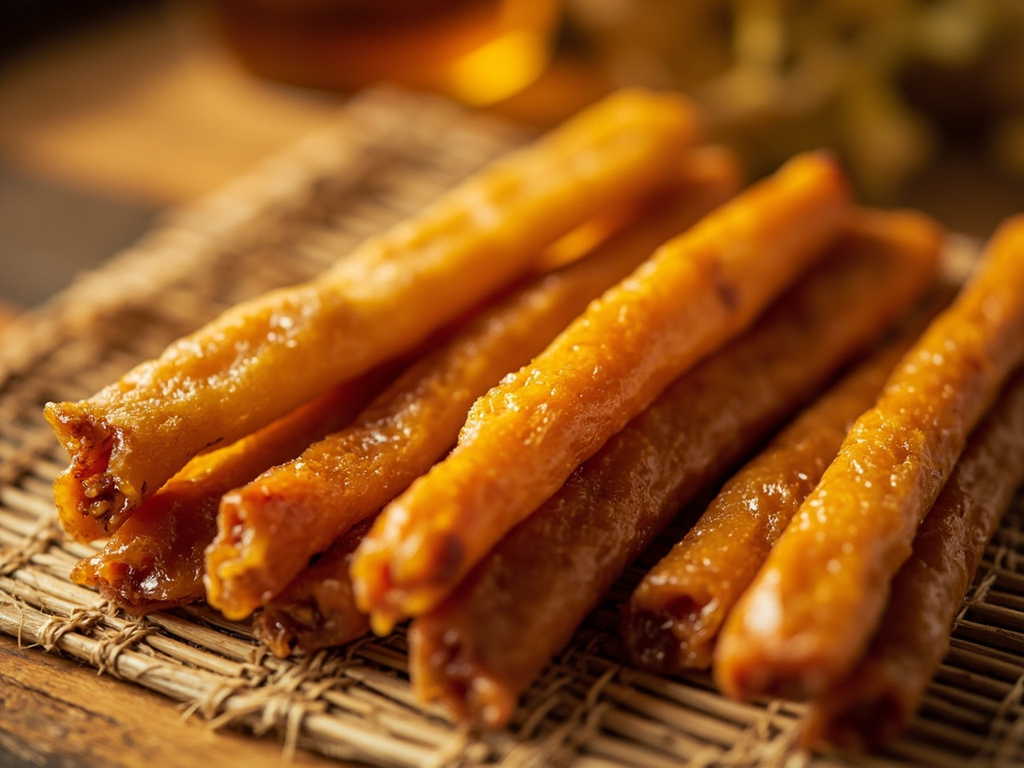
- Cook them very slowly in the oven at 130 °C for 2 h, covered, until they caramelize and become tender.
- Uncover, brush with a thin layer of honey, and continue for 20 min to concentrate the sugar.
- Let them air-dry or in a warm oven: they become fibrous and keep for several days, like real travel provisions.
How it was made : Kāuru was a precious commodity for the Māori: the root and trunk of the tī kōuka, rich in fructan, were cooked in huge earth ovens for one to two days, then beaten and dried. Chewed as is or infused in water, it was one of the main sources of sugar for a people who had neither cane nor abundant sweet fruits — and an ideal reserve food for long marches and voyages.
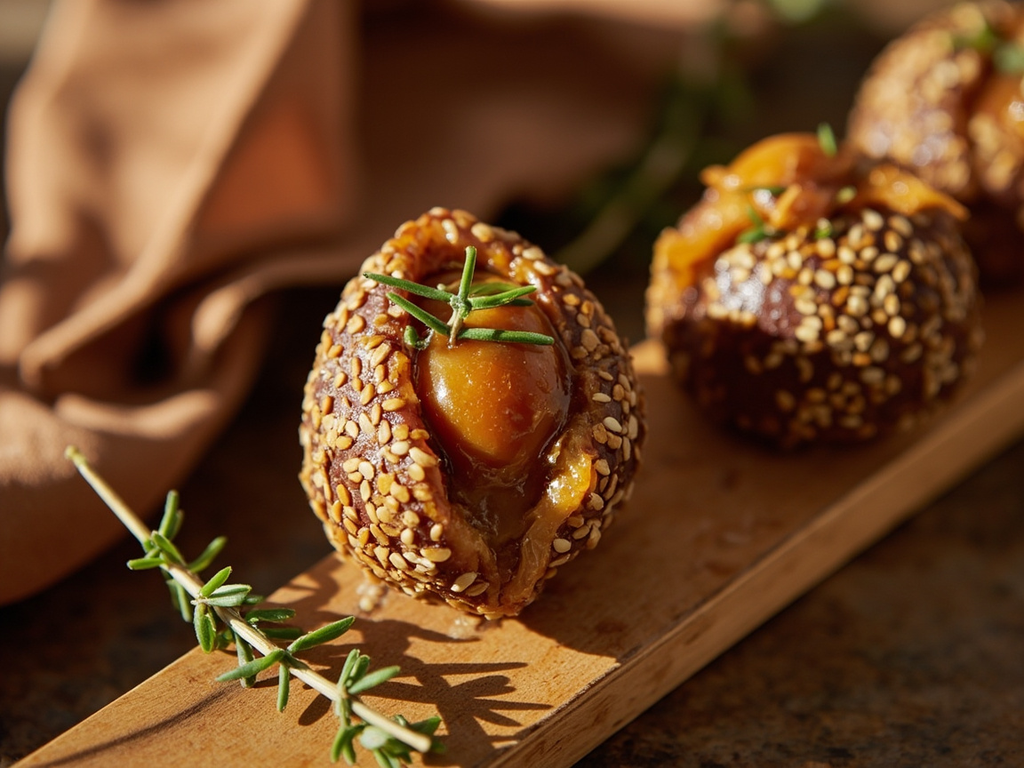
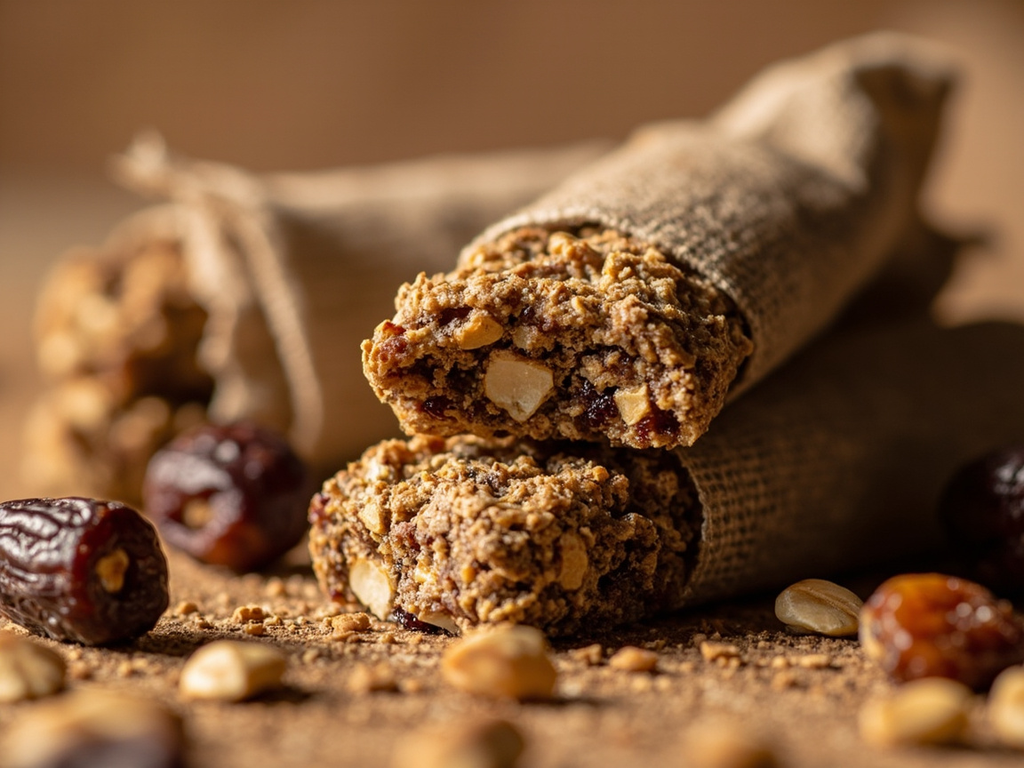
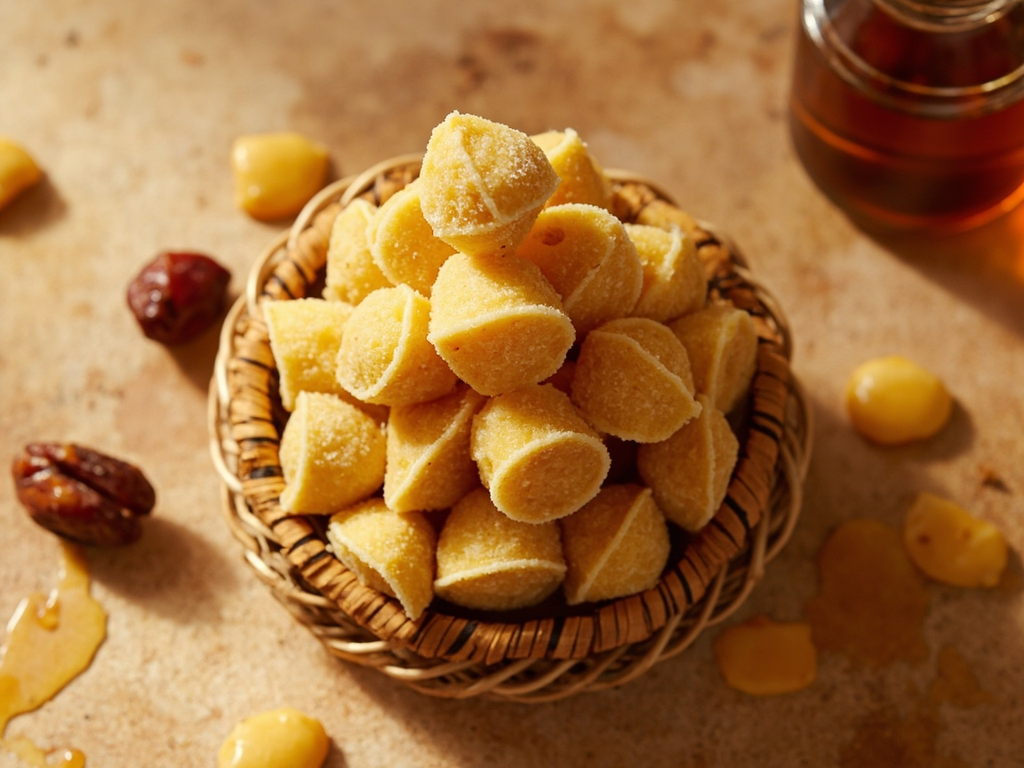
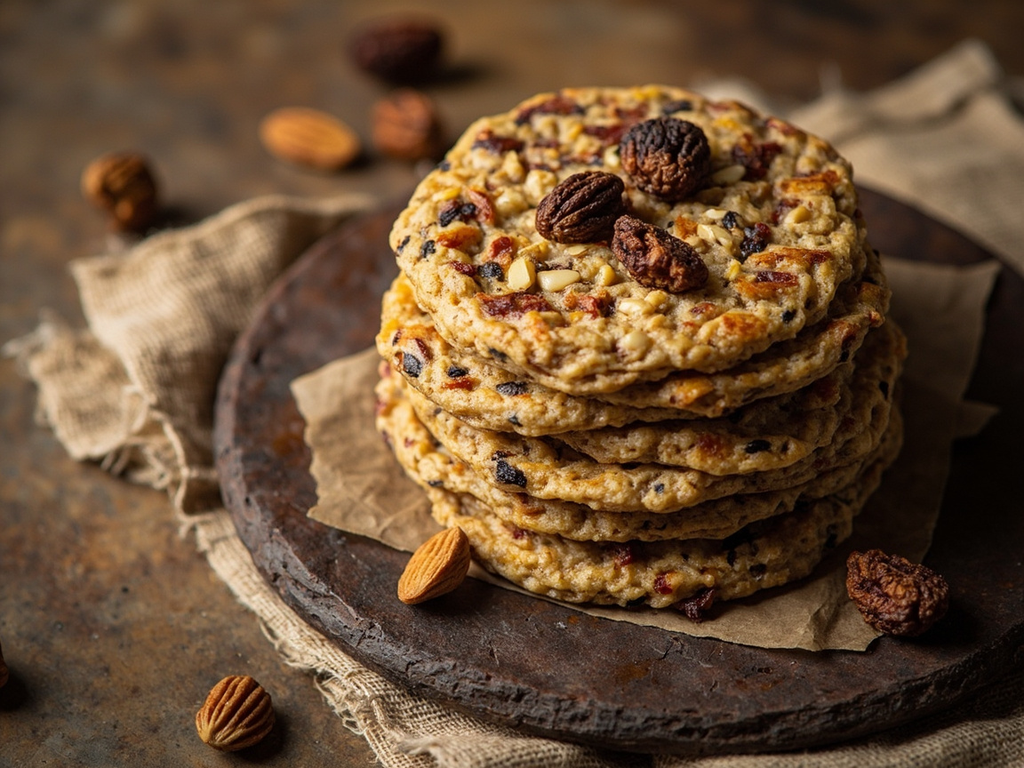
The contemporary twist : Served as caramelized sticks to nibble, like an ancestral 'energy bar' for the navigator.
Sources : Elsdon Best, Māori Agriculture (1925)
Maui-tikitiki-a-Taranga · Charactorium