 flip
flipBeef Tea (restorative beef broth)
Beef Tea (restorative beef broth)
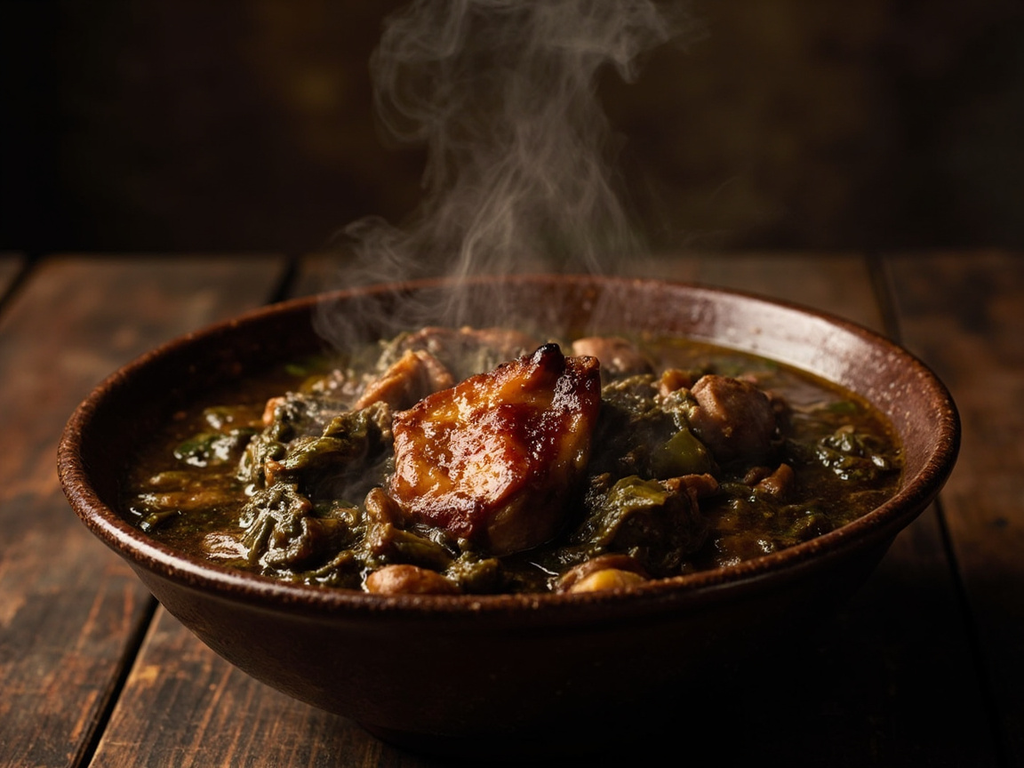
Why this dish? Wilkins, of fragile health and nervous temperament, belonged to a generation raised in the belief of the restorative virtues of beef tea — a clear broth that British families administered to convalescents and exhausted students. This sick-room remedy spanned the early 20th century.
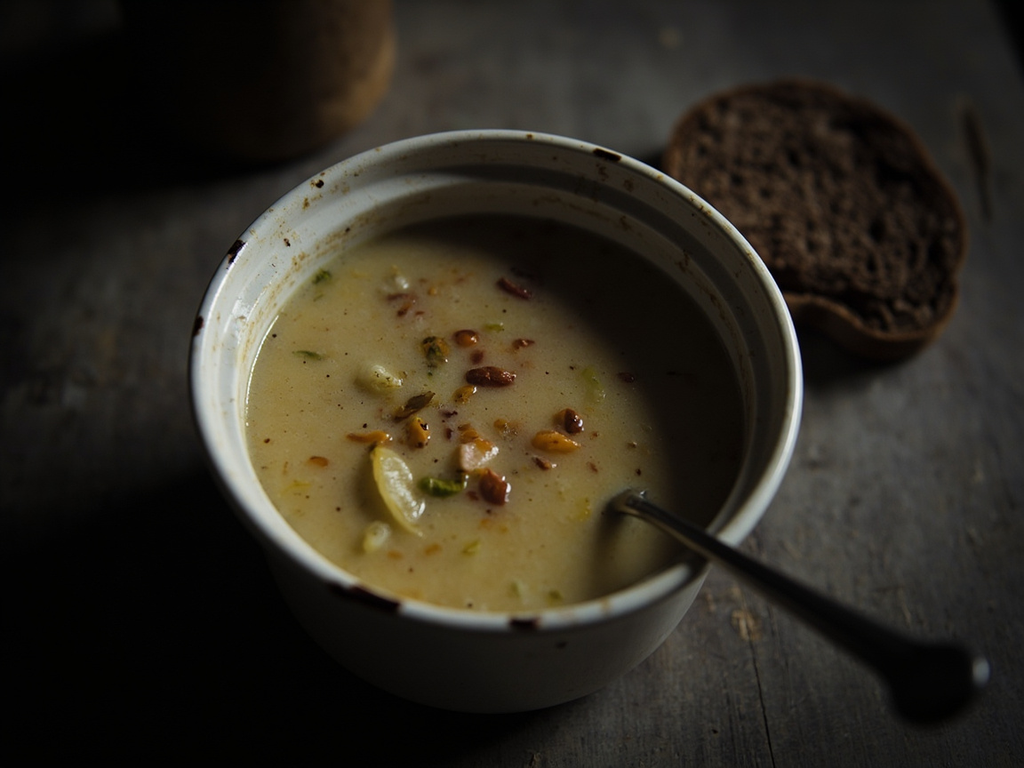
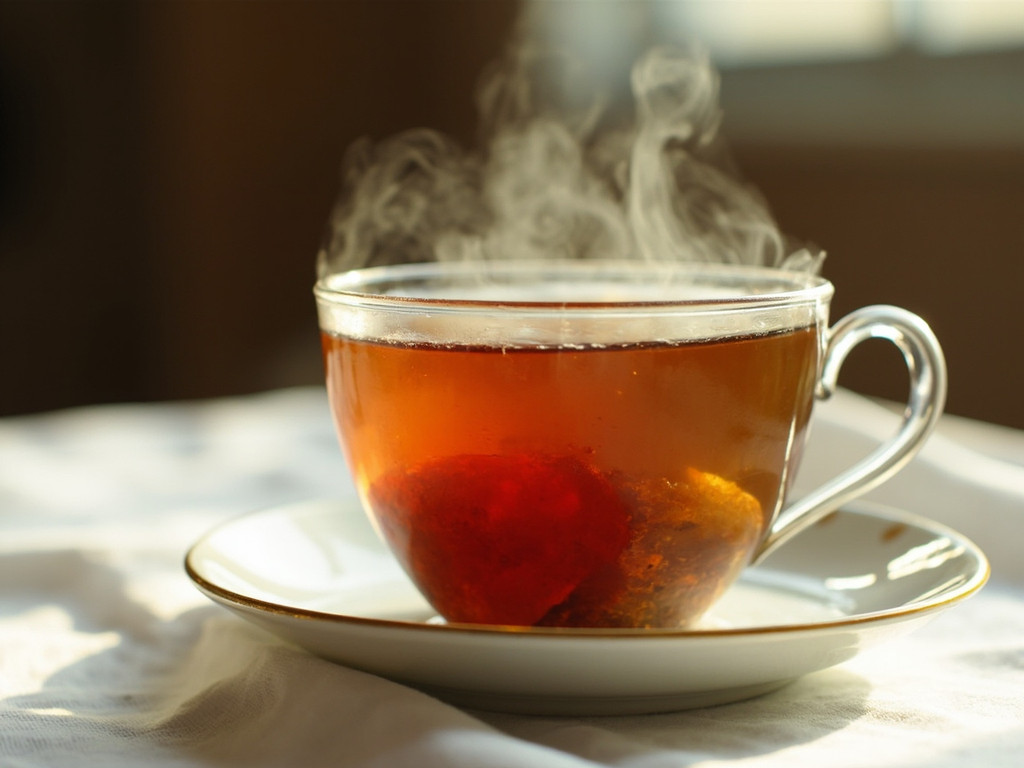
An extremely concentrated, clear, deeply savoury beef broth, served hot as a tonic. Not a soup: an essence of meat, long-extracted over very low heat.
When one was ill, or simply drained by work, my mother — and later the landladies of London — would prepare a beef tea. It was not a soup, mind you: it was the very essence of meat, drawn at such a low heat that it never boiled. One drank it scalding hot, from a cup, and swore one felt one's strength return. Old wives' medicine, perhaps — but after a sleepless night bent over my DNA fibres, I would not have turned away anyone who offered me a cup.
- •Lean beef — a good piece, finely minced (source of essence)
- •Cold water — just to cover (extraction)
- •Salt — a pinch (seasoning)
Beef Tea (restorative beef broth)
An extremely concentrated, clear, deeply savoury beef broth, served hot as a tonic. Not a soup: an essence of meat, long-extracted over very low heat.
Why this dish? Wilkins, of fragile health and nervous temperament, belonged to a generation raised in the belief of the restorative virtues of beef tea — a clear broth that British families administered to convalescents and exhausted students. This sick-room remedy spanned the early 20th century.
When one was ill, or simply drained by work, my mother — and later the landladies of London — would prepare a beef tea. It was not a soup, mind you: it was the very essence of meat, drawn at such a low heat that it never boiled. One drank it scalding hot, from a cup, and swore one felt one's strength return. Old wives' medicine, perhaps — but after a sleepless night bent over my DNA fibres, I would not have turned away anyone who offered me a cup.
Ingredients (period version)
- Lean beef — a good piece, finely minced (source of essence)
- Cold water — just to cover (extraction)
- Salt — a pinch (seasoning)
Ingredients
- Lean braising beef (shin) — 500 g, finely minced or sliced (base)
- Cold water — 500 ml (extraction)
- Salt — to taste (seasoning)
- Pepper — 1 pinch (lift (optional))
Method
- Put the finely cut beef in a jar or saucepan with the cold water, without boiling.
- Let stand for 30 min to start extraction, then heat very gently (ideally in a bain-marie) for 2 to 3 h, never reaching boiling point.
- Strain through a muslin, pressing well to collect the clear liquid.
- Skim off fat, season lightly with salt, and serve very hot in a cup.
How it was made : Beef tea was a mainstay of Victorian and Edwardian domestic medicine, recommended by Mrs Beeton and popularised in commercial form by products like Bovril. It was thought more digestible and strengthening than solid food for the sick. Modern science sees it mainly as a comforting broth, rich in flavour but low in nutrients.
The contemporary twist : Serve it in a cup as a winter aperitif, like a clear consommé: it is the direct ancestor of the Bovril drink that Britons still consume at football matches.
Maurice Wilkins · Charactorium