 flip
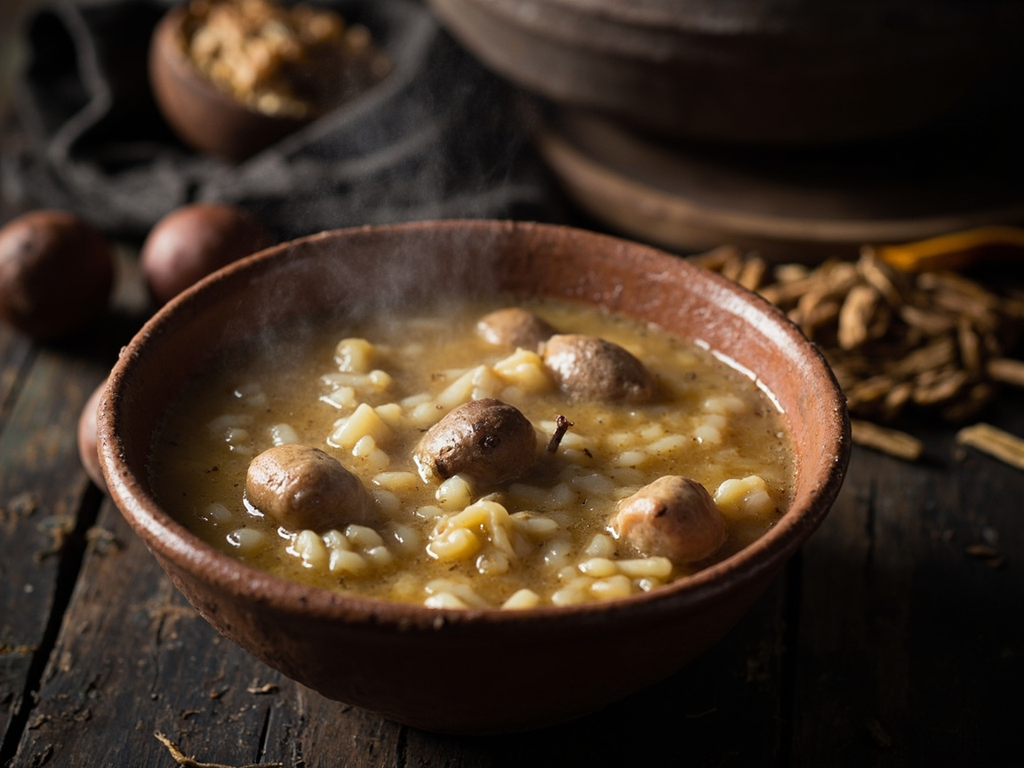
flipMinestra di riso e castagne (rice and chestnut soup)
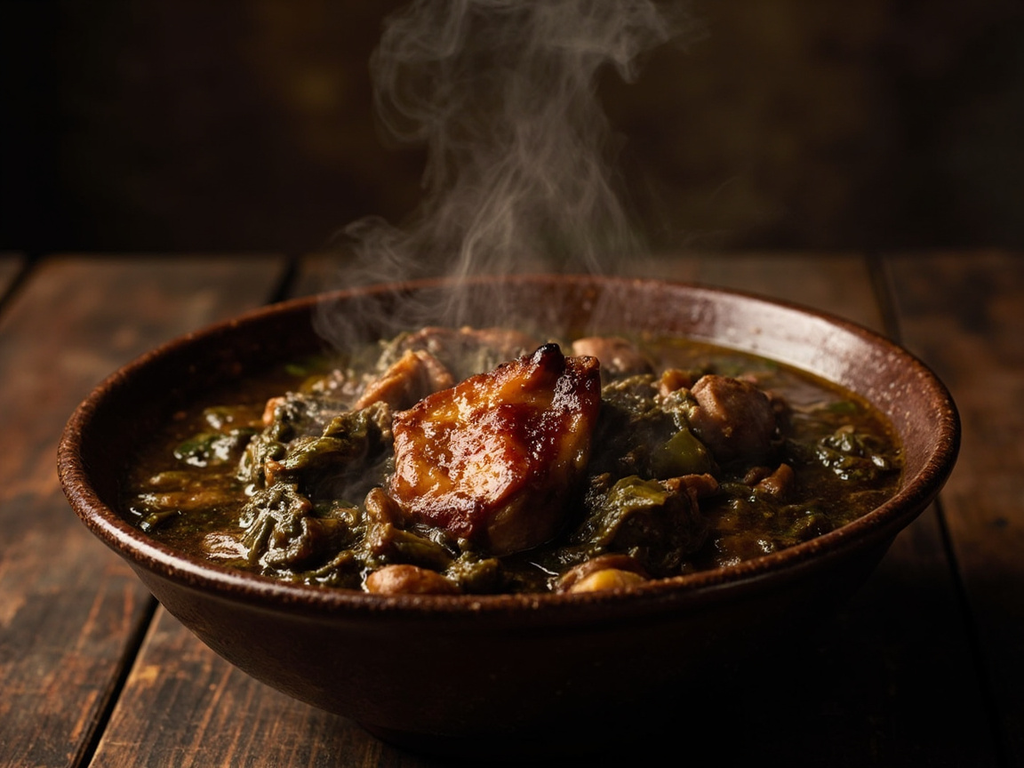
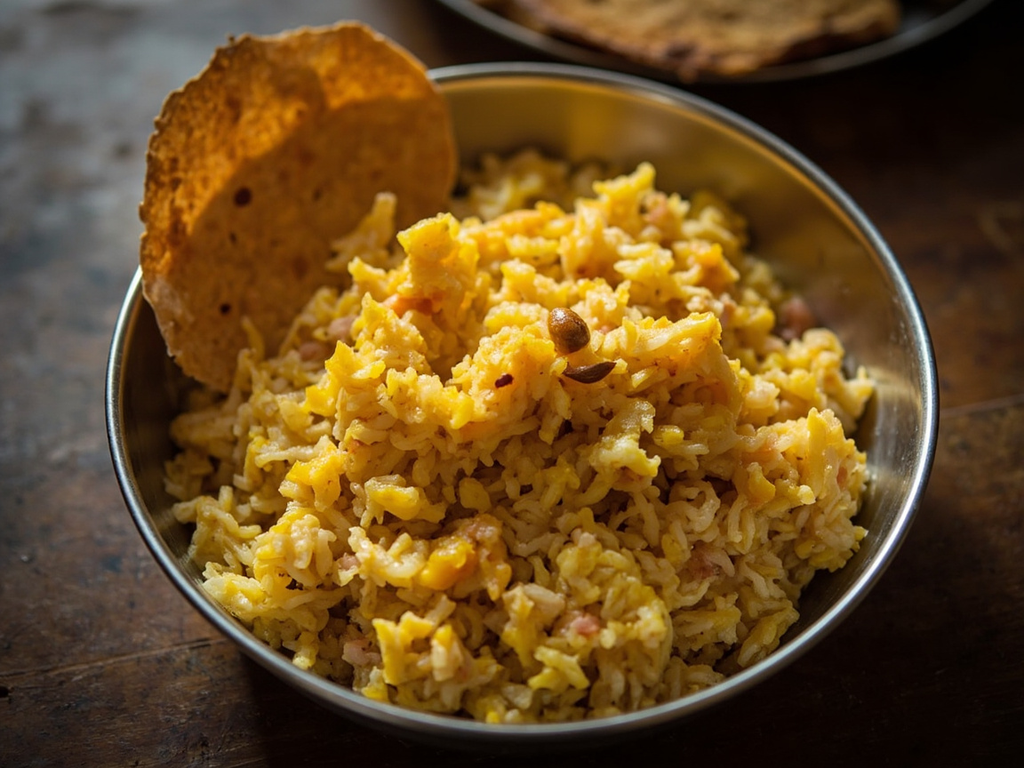
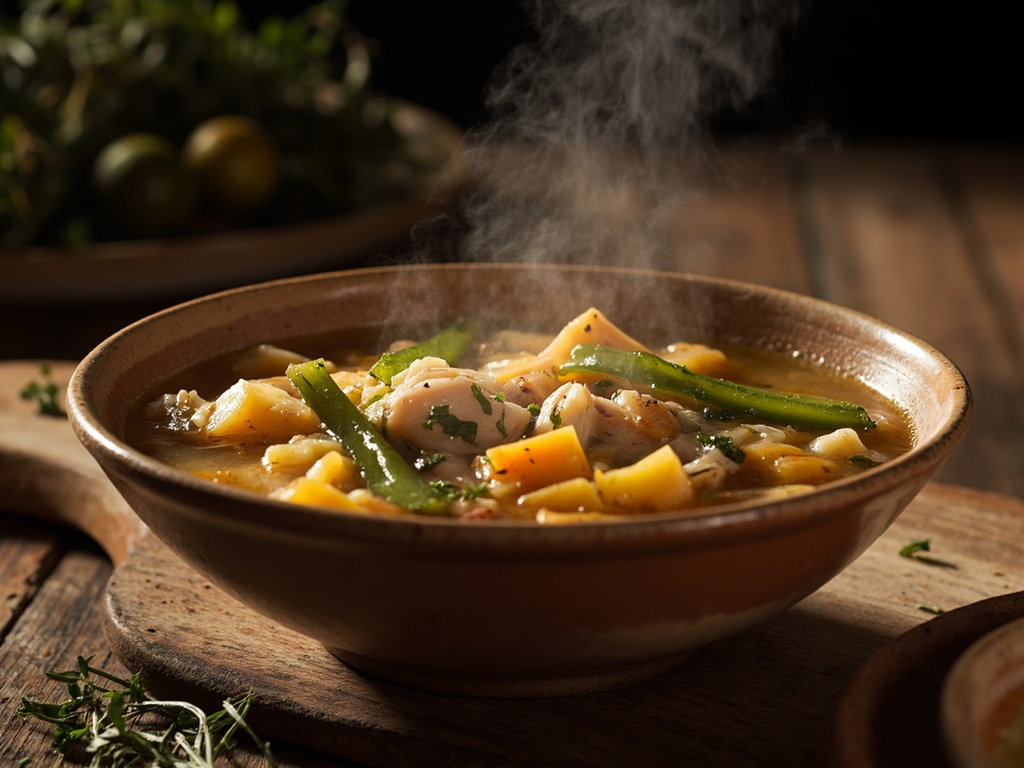
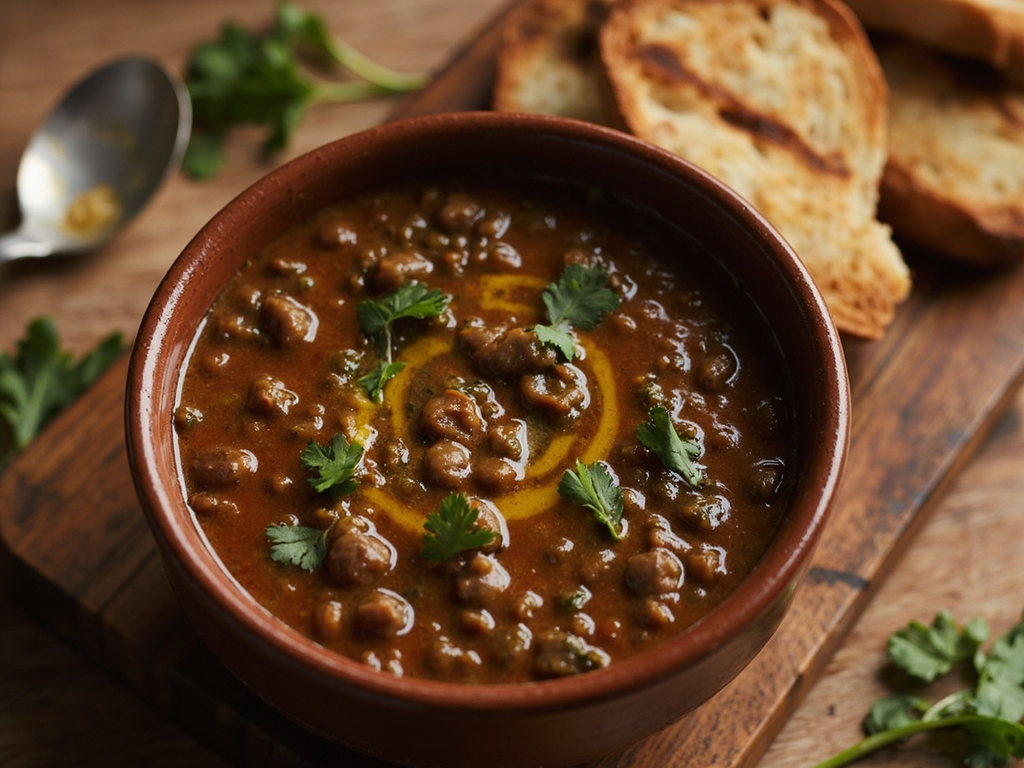
Minestra di riso e castagne (rice and chestnut soup)
Why this dish? This humble, warm soup of rice and chestnuts, a mountain food from Piedmont and the Aosta Valley that Levi loved, directly echoes his testimony: after the hunger of Auschwitz, he describes food as a vital need for regained dignity. A hot soup that warms and satisfies is, for him, almost a remedy for the soul.
A thick peasant soup of rice (Piedmont is a land of rice paddies) and chestnuts, long-simmered in broth flavored with a little lard or butter: simple, warm, restorative food for alpine winter evenings.
There are dishes that cannot be told without gravity. This soup of rice and chestnuts, they made it in the valleys, in winter, when the cold grips your bones: the rice from our paddies, the chestnuts from the woods, a little broth, and the patience of the fire. I will not speak to you here of the hunger I knew there — but know that upon returning, a simple warm bowl, set before you without fear of the next day, seemed to me for a long time the most precious thing in the world. Eating your fill, with dignity, is a right whose value you only measure after having lost it.
- •Piedmontese rice — one measure (nourishing grain)
- •Chestnuts — a good handful (sweetness and body)
- •Vegetable or bone broth — enough to cover (base)
- •Lard or butter — a little (flavorful fat)
- •Onion, bay leaf — to taste (aromatics)
Minestra di riso e castagne (rice and chestnut soup)
A thick peasant soup of rice (Piedmont is a land of rice paddies) and chestnuts, long-simmered in broth flavored with a little lard or butter: simple, warm, restorative food for alpine winter evenings.
Why this dish? This humble, warm soup of rice and chestnuts, a mountain food from Piedmont and the Aosta Valley that Levi loved, directly echoes his testimony: after the hunger of Auschwitz, he describes food as a vital need for regained dignity. A hot soup that warms and satisfies is, for him, almost a remedy for the soul.
There are dishes that cannot be told without gravity. This soup of rice and chestnuts, they made it in the valleys, in winter, when the cold grips your bones: the rice from our paddies, the chestnuts from the woods, a little broth, and the patience of the fire. I will not speak to you here of the hunger I knew there — but know that upon returning, a simple warm bowl, set before you without fear of the next day, seemed to me for a long time the most precious thing in the world. Eating your fill, with dignity, is a right whose value you only measure after having lost it.
Ingredients (period version)
- Piedmontese rice — one measure (nourishing grain)
- Chestnuts — a good handful (sweetness and body)
- Vegetable or bone broth — enough to cover (base)
- Lard or butter — a little (flavorful fat)
- Onion, bay leaf — to taste (aromatics)
Ingredients
- Round rice (arborio or carnaroli) — 150 g (grain)
- Cooked peeled chestnuts — 200 g (body and sweetness)
- Vegetable broth — 1.2 l (base)
- Butter (or smoked lard) — 30 g (flavorful fat)
- Onion — 1 small, sliced (aromatic)
- Bay leaf, salt, pepper — 1 leaf + seasoning (flavor)
Method
- Melt the butter (or lard) and gently brown the sliced onion over low heat.
- Add the chestnuts, bay leaf, and broth; let simmer for 15 minutes.
- Roughly mash some of the chestnuts to thicken the soup.
- Add the rice and cook for 16-18 minutes until tender, stirring occasionally.
- Adjust seasoning; serve hot, with a drizzle of oil or a pat of butter.
How it was made : In the alpine valleys of Piedmont and the Aosta Valley, the chestnut was long the poor man's bread tree, and rice, grown in the Po plain, was a staple. Combining them into a thick soup was a way to stretch and enrich a modest meal to get through the winter. It was bound with lard or butter depending on what was available.
The contemporary twist : Serve in a small steaming bowl with a few crushed roasted chestnuts on top and a twist of pepper, a full-on 'comfort food' version.
Primo Levi · Charactorium