 flip
flipRice Porridge for the Dying (Tender Rice from Nirmal Hriday)
Rice Porridge for the Dying (Tender Rice from Nirmal Hriday)
Why this dish? At Nirmal Hriday, the home for the dying opened in Calcutta in 1952, people too weak to chew were welcomed. A porridge of overcooked rice, barely salted, warm and easy to swallow, was a food of comfort as much as care — given spoonful after spoonful, so that no one would die alone and on an empty stomach.
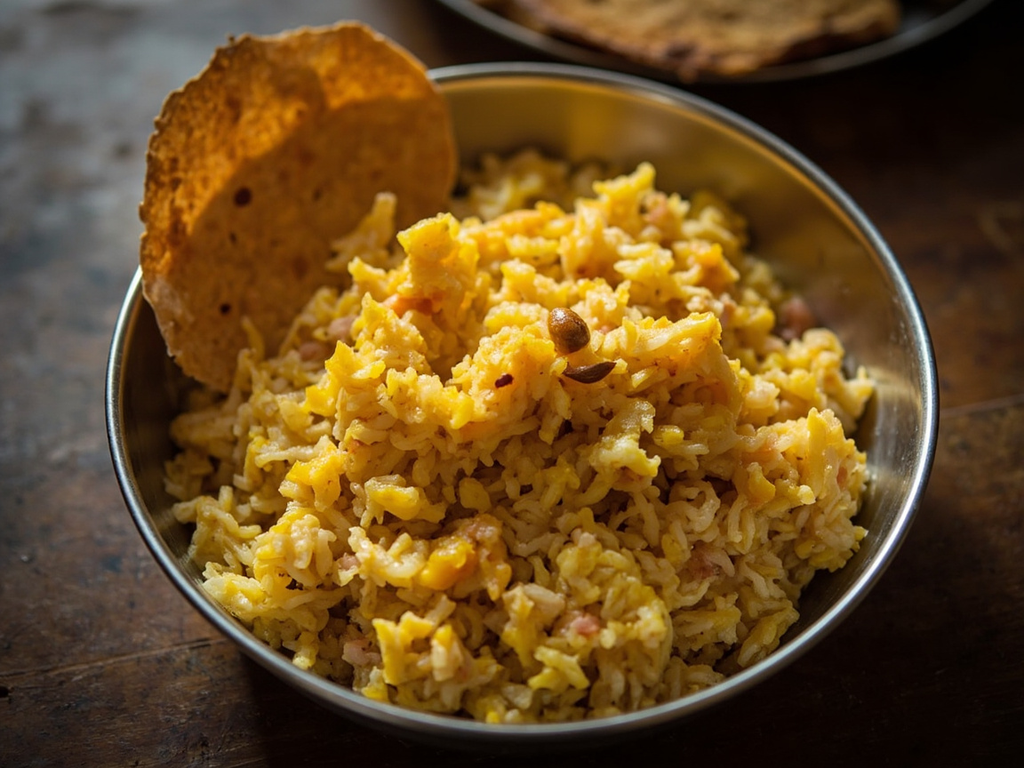
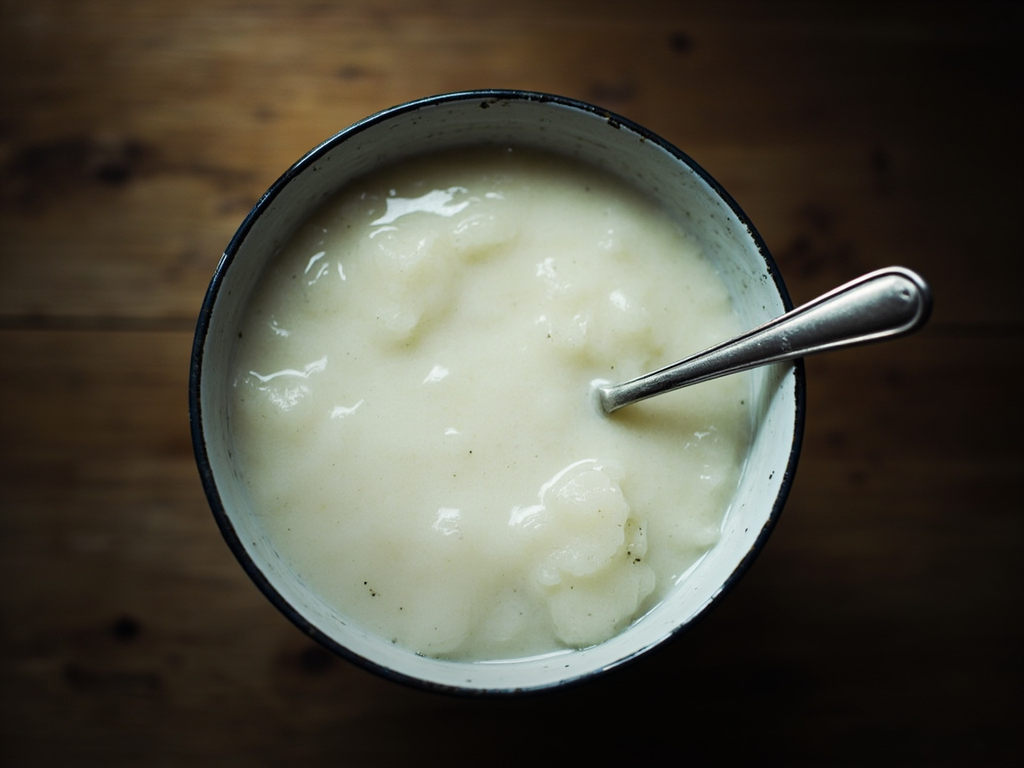
Rice cooked for a long time in plenty of water until it becomes a smooth, soft porridge, barely salted, sometimes enriched with a little lentil cooking water. A comfort food for exhausted bodies.
Come gently, he is so weak. We will not give him a large plate — he could not take it. Only this rice cooked long, until it melts on its own, warm, barely salted. You will give him a spoonful, then wait, then another. It doesn't matter that he has little time left: what matters is that he feels loved until the very last moment.
- •Rice — a small handful (digestible base)
- •Water — plenty (long cooking)
- •Salt — a pinch (light seasoning)
- •Lentil water — a little (optional) (nourishing strength)
Rice Porridge for the Dying (Tender Rice from Nirmal Hriday)
Rice cooked for a long time in plenty of water until it becomes a smooth, soft porridge, barely salted, sometimes enriched with a little lentil cooking water. A comfort food for exhausted bodies.
Why this dish? At Nirmal Hriday, the home for the dying opened in Calcutta in 1952, people too weak to chew were welcomed. A porridge of overcooked rice, barely salted, warm and easy to swallow, was a food of comfort as much as care — given spoonful after spoonful, so that no one would die alone and on an empty stomach.
Come gently, he is so weak. We will not give him a large plate — he could not take it. Only this rice cooked long, until it melts on its own, warm, barely salted. You will give him a spoonful, then wait, then another. It doesn't matter that he has little time left: what matters is that he feels loved until the very last moment.
Ingredients (period version)
- Rice — a small handful (digestible base)
- Water — plenty (long cooking)
- Salt — a pinch (light seasoning)
- Lentil water — a little (optional) (nourishing strength)
Ingredients
- Short-grain or basmati rice — 80 g (digestible base)
- Water — 1 liter (porridge cooking)
- Salt — 1 pinch (light seasoning)
- Clear lentil broth — 1 ladle (optional) (gentle enrichment)
Method
- Rinse the rice, then put it in a large amount of cold water.
- Bring to a boil, then cook over low heat for 45 minutes, stirring regularly, until you get a smooth porridge.
- Optionally mash the rice with a spoon for a finer texture.
- Season very lightly with salt and add, if desired, a little clear lentil broth.
- Let it cool to a gentle temperature before serving with a spoon.
How it was made : Giving the sick and dying heavily cooked, almost liquid rice (similar to Asian congee) is an ancient and universal practice in rice-based regions: easy to digest, rehydrating, and prepared without costly ingredients. In Bengal, the rice cooking water (maad) itself was drunk by the poorest and the convalescent.
The contemporary twist : Served warm with a squeeze of lime and a pinch of roasted cumin, it becomes a 'comfort congee' for days when you're under the weather.
Mother Teresa · Charactorium