 flip
flipBeach plum jam
Beach plum jam
Why this dish? The beach plum (Prunus maritima) grows wild on dunes and rocky shores along the Atlantic coast from Maine to New Jersey — exactly the coastal environments Rachel Carson studied and celebrated. Making jam from them is the classic preservation tradition of coastal families.
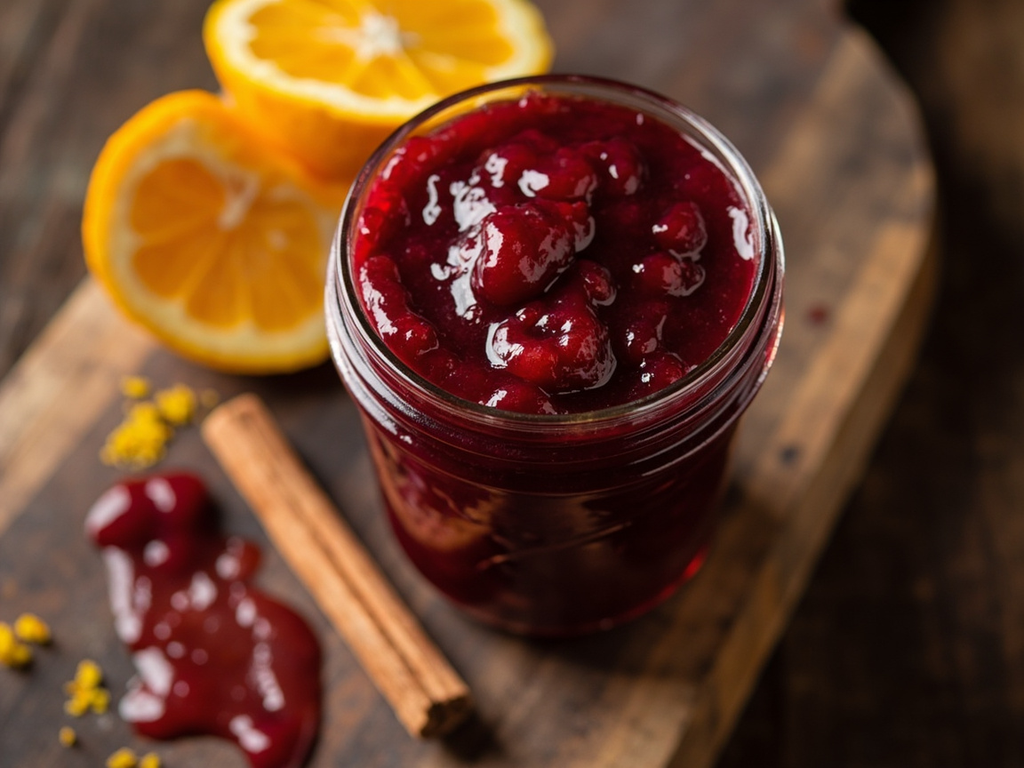
A tangy, fragrant jam made from a small wild seaside fruit, preserved to last through winter. A seasonal gesture that connects the pantry to the coastal ecosystem dear to the biologist.
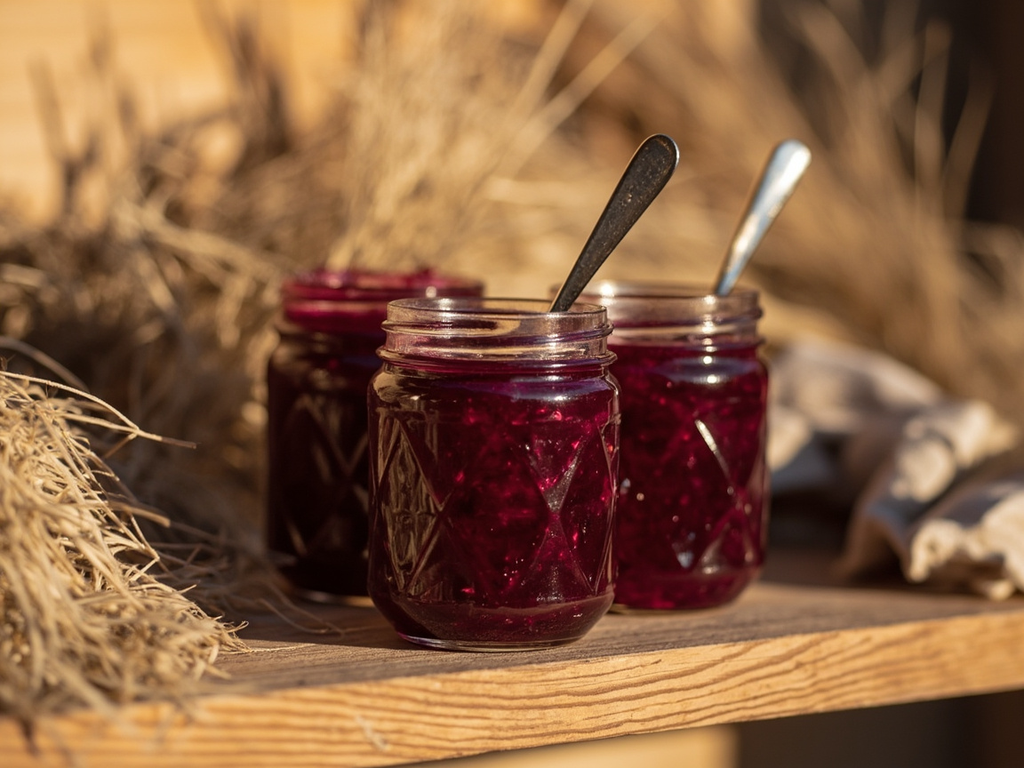
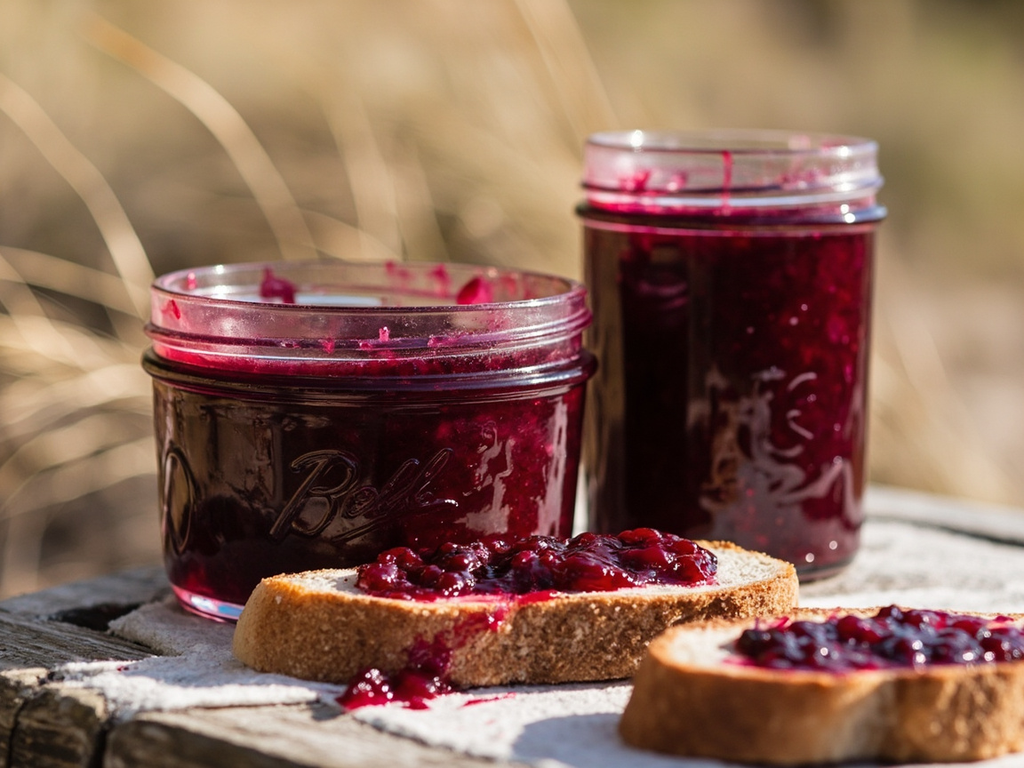
On the dunes, where few plants dare to take root in the sand and salt wind, the beach plum clings and in September yields its small purple fruits, tart and fragrant. I picked them after the first frosts, when they are just right, and boiled them down with sugar until a drop set on a cold plate. Putting these jars aside was like keeping a bit of shore summer for the long dark months — for nothing in nature is lost, everything transforms and passes on. A little on toast, and the dune returned to my table in the dead of winter.
- •Wild beach plums — all that you picked (fruit, natural pectin)
- •Sugar — about equal weight to fruit (preservation, gelling)
- •Water — a splash (juice extraction)
Beach plum jam
A tangy, fragrant jam made from a small wild seaside fruit, preserved to last through winter. A seasonal gesture that connects the pantry to the coastal ecosystem dear to the biologist.
Why this dish? The beach plum (Prunus maritima) grows wild on dunes and rocky shores along the Atlantic coast from Maine to New Jersey — exactly the coastal environments Rachel Carson studied and celebrated. Making jam from them is the classic preservation tradition of coastal families.
On the dunes, where few plants dare to take root in the sand and salt wind, the beach plum clings and in September yields its small purple fruits, tart and fragrant. I picked them after the first frosts, when they are just right, and boiled them down with sugar until a drop set on a cold plate. Putting these jars aside was like keeping a bit of shore summer for the long dark months — for nothing in nature is lost, everything transforms and passes on. A little on toast, and the dune returned to my table in the dead of winter.
Ingredients (period version)
- Wild beach plums — all that you picked (fruit, natural pectin)
- Sugar — about equal weight to fruit (preservation, gelling)
- Water — a splash (juice extraction)
Ingredients
- Beach plums (or substitute: small tart plums / mirabelles + 1 wedge of tart apple for pectin) — 1 kg (main fruit)
- Granulated sugar — 700 g (gelling, preservation)
- Lemon juice — 2 tbsp (acidity, set)
- Water — 100 ml (extraction)
Method
- Wash the plums, place them in a preserving pan with the water, and cook gently until they burst.
- Strain to remove the pits (or remove them by hand once the fruit is soft).
- Return the pulp to the pan with the sugar and lemon juice; bring to a full rolling boil.
- Boil hard, stirring, until setting point is reached: a drop placed on a cold plate should gel (about 104 °C).
- Skim, pour boiling into sterilized jars, seal immediately, and invert the jars to create a vacuum.
- Label and store in a cool, dark place.
How it was made : Home canning was a universal autumn activity in America before refrigerators became common. Wild coastal fruits — beach plums, cranberries, elderberries — were gathered and turned into jams and jellies sealed with wax or lids, to ensure sweetness in the pantry during winter.
The contemporary twist : Label the jar like a "specimen" with date and location (place of harvest, date), in the style of a naturalist's field notebook.
Sources : USDA Complete Guide to Home Canning · Sandra Oliver, Saltwater Foodways (1995)
Rachel Carson · Charactorium