 flip
flipSocca Niçoise
Socca Niçoise
Why this dish? Simone Jacob was born in Nice in 1927 and spent her entire childhood there. Socca, a chickpea pancake baked in a wood-fired oven and sold piping hot in the streets of Old Nice, is THE popular taste of her hometown, the one shared during walks along the Cours Saleya market.
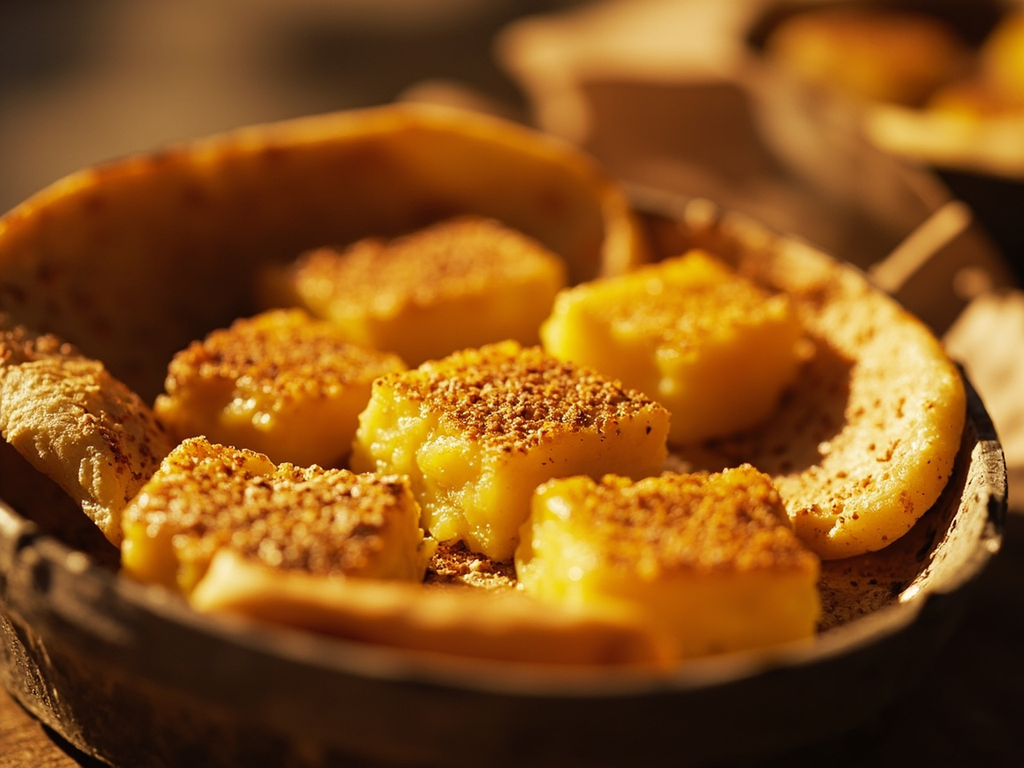
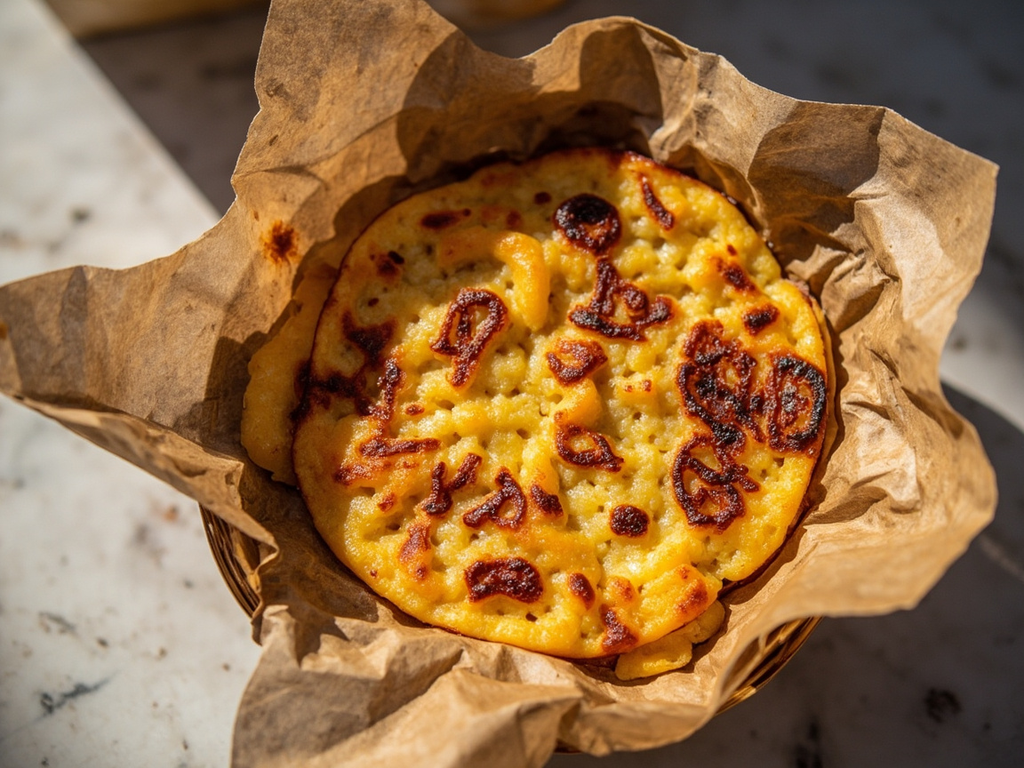
A large golden, soft pancake made from simple chickpea flour, water, and olive oil, baked at very high heat until browned in patches. It is served hot, peppered, torn by hand in paper.
In Nice, you see, socca was not a table dish: it was a street pleasure, bought piping hot from the vendor and eaten standing, with burnt fingers. My mother, however, made sure at home to get the proportions right — one measure of chickpea flour, two of water, a good drizzle of oil, and patience to let the batter rest. Believe me: you need a very hot oven, and you pepper generously upon taking it out. It is the taste of my sunny childhood, before everything changed.
- •Chickpea flour — one measure (base of the pancake)
- •Water — two measures (binder)
- •Olive oil from Nice — a good drizzle (softness and aroma)
- •Salt and pepper — a pinch (seasoning)
Socca Niçoise
A large golden, soft pancake made from simple chickpea flour, water, and olive oil, baked at very high heat until browned in patches. It is served hot, peppered, torn by hand in paper.
Why this dish? Simone Jacob was born in Nice in 1927 and spent her entire childhood there. Socca, a chickpea pancake baked in a wood-fired oven and sold piping hot in the streets of Old Nice, is THE popular taste of her hometown, the one shared during walks along the Cours Saleya market.
In Nice, you see, socca was not a table dish: it was a street pleasure, bought piping hot from the vendor and eaten standing, with burnt fingers. My mother, however, made sure at home to get the proportions right — one measure of chickpea flour, two of water, a good drizzle of oil, and patience to let the batter rest. Believe me: you need a very hot oven, and you pepper generously upon taking it out. It is the taste of my sunny childhood, before everything changed.
Ingredients (period version)
- Chickpea flour — one measure (base of the pancake)
- Water — two measures (binder)
- Olive oil from Nice — a good drizzle (softness and aroma)
- Salt and pepper — a pinch (seasoning)
Ingredients
- Chickpea flour — 250 g (base of the pancake)
- Warm water — 500 ml (binder)
- Olive oil — 4 tbsp + a little for the pan (softness and aroma)
- Fine salt — 1 tsp (seasoning)
- Black pepper, freshly ground — generously (finishing)
Method
- Whisk the chickpea flour into the warm water, avoiding lumps; add salt and 3 tbsp of oil.
- Let the batter rest at least 1 hour (ideally 2 hours) at room temperature: it should be fluid like a thin crêpe batter.
- Preheat the oven to maximum (250°C, broiler setting if possible) with a large pan or baking sheet greased inside.
- Pour a thin layer of batter onto the very hot pan and bake for 8–12 minutes, until golden and even slightly charred patches appear.
- Remove, pepper generously, tear into pieces, and serve immediately, very hot.
How it was made : In Old Nice, socca was cooked on enormous copper sheets in wood-fired ovens, transported still steaming on carts and sold by the piece from early morning. It was a cheap, working-class food, inherited from Mediterranean trade around chickpeas.
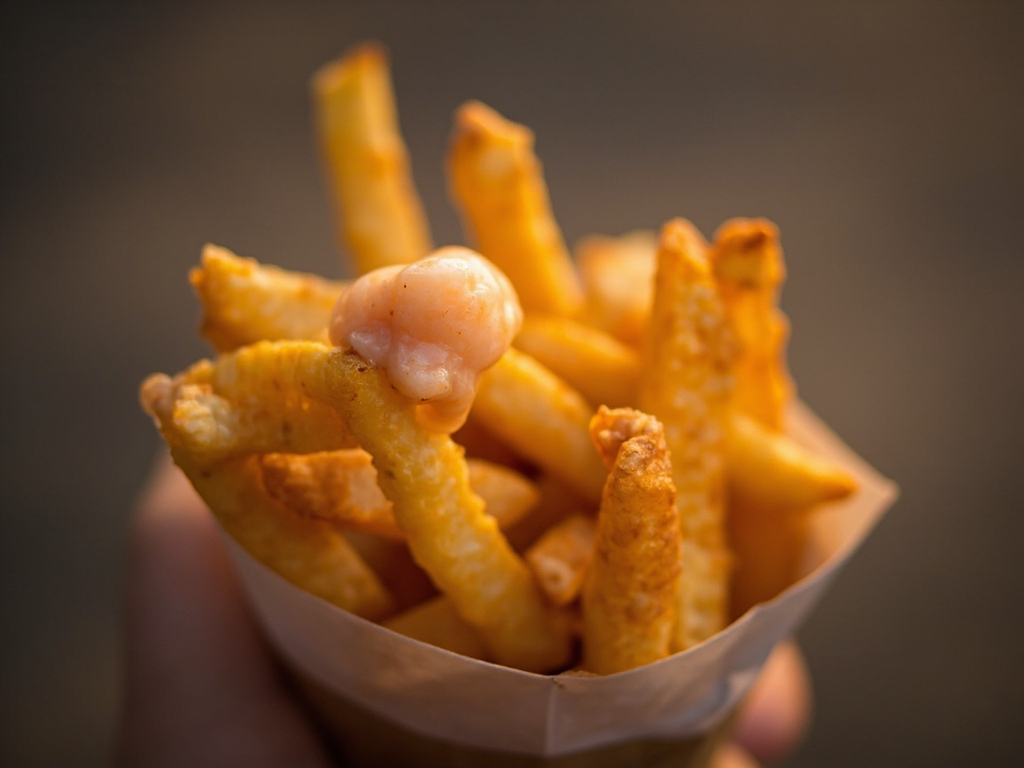
The contemporary twist : Serve it in strips in a paper cone, like on Cours Saleya, with a simple pinch of fleur de sel and a glass of Provençal rosé for adults.
Sources : Jacques Médecin, La Cuisine du Comté de Nice (1972)
Simone Veil · Charactorium