 flip
flipFigs with honey and sesame, offering of the table
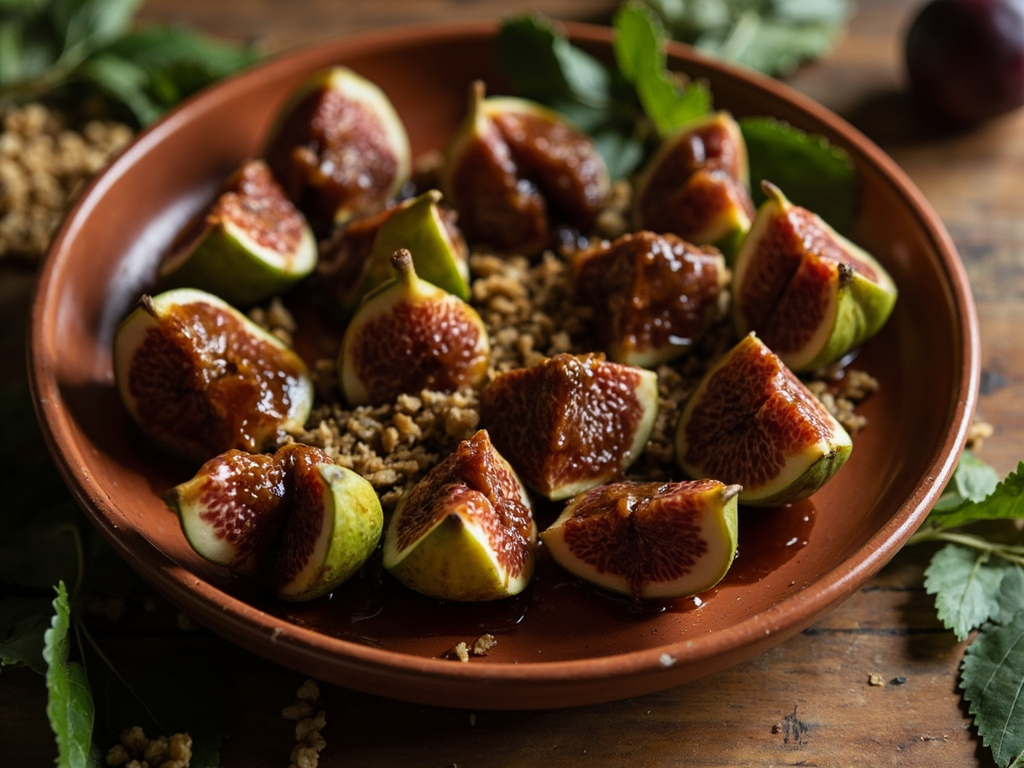
Figs with honey and sesame, offering of the table
Why this dish? The fig is one of the king fruits of Ionia, and honey the only true sweetness in the Greek world before sugar. Placing figs and honey on the altar of the gods or at the close of a meal was a common gesture. For Thales, who brought back from Egypt and Babylon as much knowledge as customs, this sweet and luminous dish honors the gods and the return of the traveler.
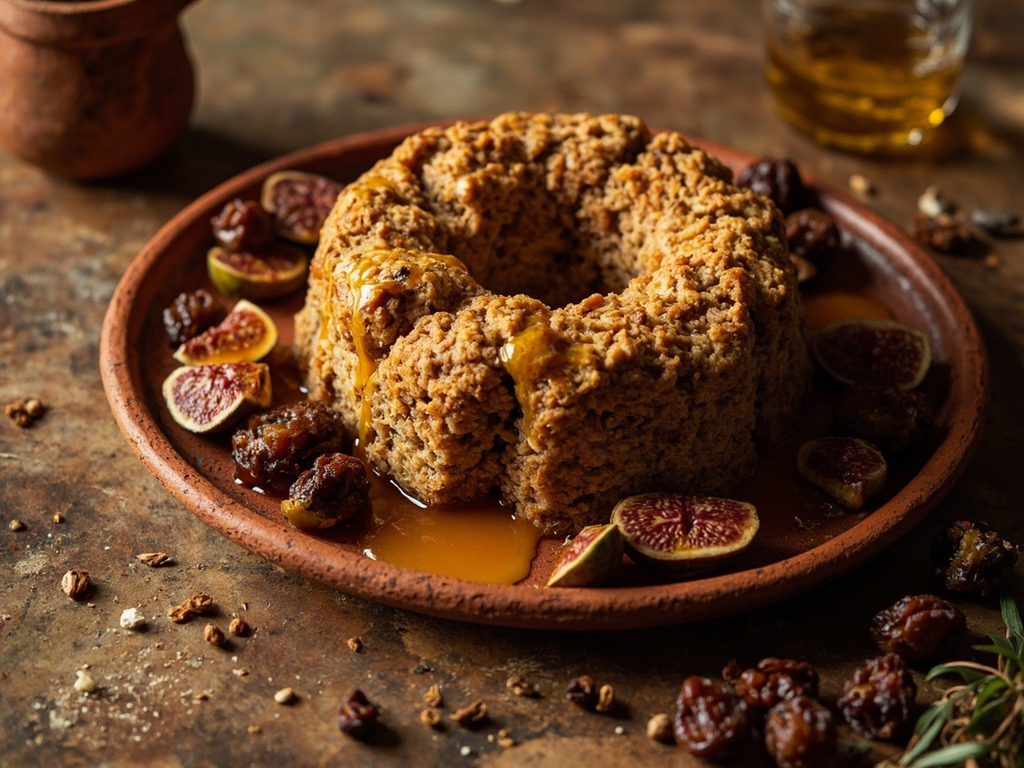
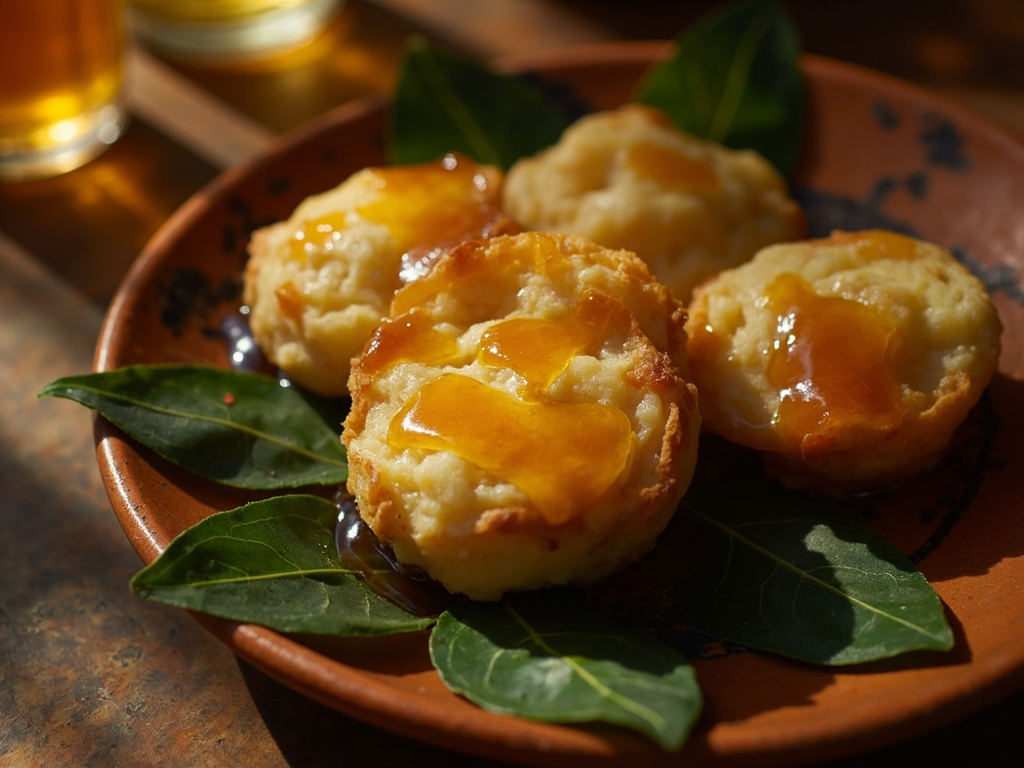
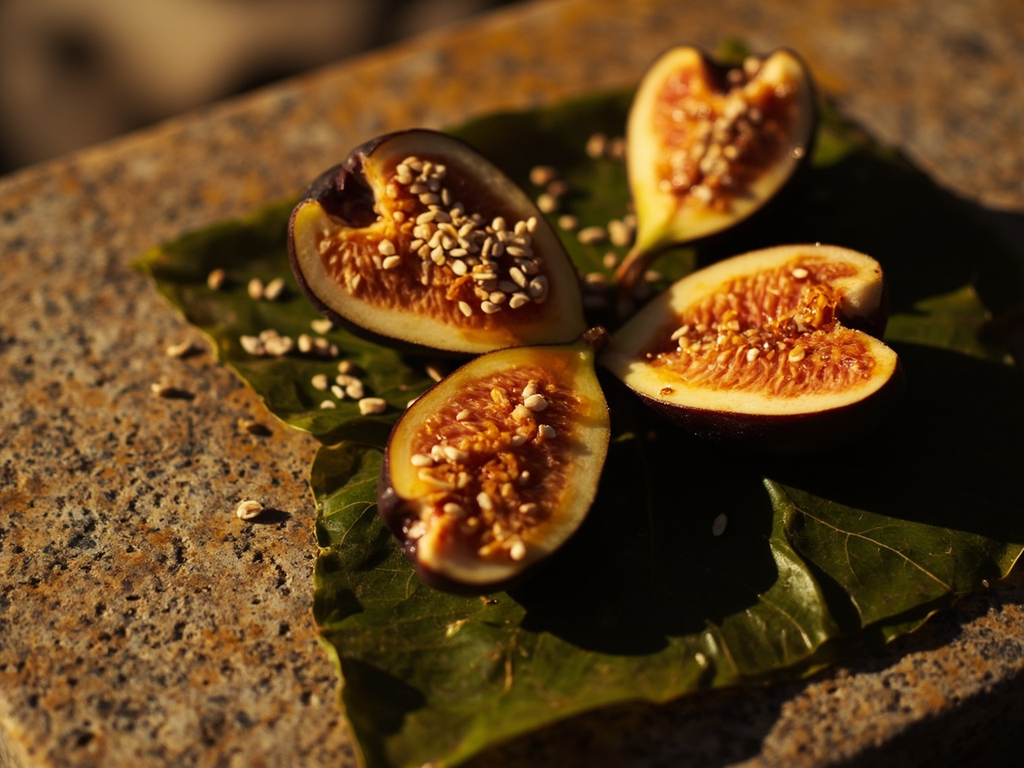
Ripe figs opened, drizzled with warm honey and rolled in toasted sesame — a simple sweetness, offered to the gods and shared among guests at the end of the deipnon.
Before you leave, taste this, stranger. Our figs of Miletus, swollen with sun, I open them as one opens a gift. A little honey from the Maeander, warmed so it flows, and the sesame I brought from the markets of the East, toasted until it sings under the tooth. I always set a portion on the altar — for he who receives much from the gods owes them the sweetest of his table. Share the rest: measure lies also in giving.
- •Ripe figs — a basket (fruit)
- •Honey — as much as you like (topping)
- •Sesame seeds — a handful (coating)
- •Thyme or bay leaf — a sprig (aromatic (optional))
Figs with honey and sesame, offering of the table
Ripe figs opened, drizzled with warm honey and rolled in toasted sesame — a simple sweetness, offered to the gods and shared among guests at the end of the deipnon.
Why this dish? The fig is one of the king fruits of Ionia, and honey the only true sweetness in the Greek world before sugar. Placing figs and honey on the altar of the gods or at the close of a meal was a common gesture. For Thales, who brought back from Egypt and Babylon as much knowledge as customs, this sweet and luminous dish honors the gods and the return of the traveler.
Before you leave, taste this, stranger. Our figs of Miletus, swollen with sun, I open them as one opens a gift. A little honey from the Maeander, warmed so it flows, and the sesame I brought from the markets of the East, toasted until it sings under the tooth. I always set a portion on the altar — for he who receives much from the gods owes them the sweetest of his table. Share the rest: measure lies also in giving.
Ingredients (period version)
- Ripe figs — a basket (fruit)
- Honey — as much as you like (topping)
- Sesame seeds — a handful (coating)
- Thyme or bay leaf — a sprig (aromatic (optional))
Ingredients
- Fresh ripe figs — 8 (fruit)
- Honey (thyme or flower) — 4 tbsp (topping)
- Sesame seeds — 3 tbsp (coating)
- Fresh thyme — a few leaves (aromatic (optional))
Method
- Toast the sesame seeds in a dry pan over low heat until golden and fragrant. Set aside.
- Cut the figs in a cross without separating completely, so they open up.
- Warm the honey to make it runny, then drizzle generously over the figs.
- Sprinkle with toasted sesame and a few thyme leaves. Serve warm or at room temperature.
How it was made : Figs and honey were among the most common Greek offerings, placed on domestic altars. At the end of a meal, the tragêmata ('nibbles') — dried fruits, figs, nuts, honey — replaced dessert as we know it. Since sugar was unknown, honey reigned supreme over all things sweet.
The contemporary twist : Pass the honey-drizzled figs under the grill for 3 minutes to lightly caramelize, and arrange them on a fig leaf: a 'gourmet offering' worthy of a sage's banquet.
Thales · Charactorium