 flip
flipMelitoutta, honey and sesame cakes for the gods
Melitoutta, honey and sesame cakes for the gods
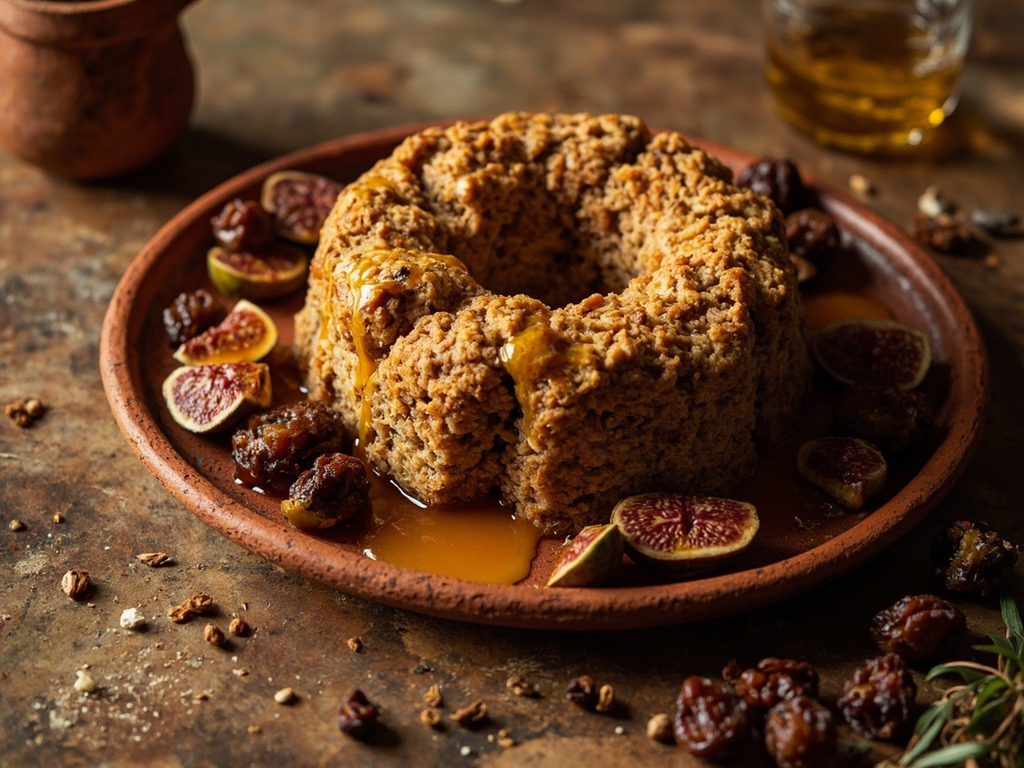
Why this dish? Before setting sail for Crete to face the Minotaur, and at every step of his exploits, Theseus honors the gods. These small honey and sesame cakes are the sweet offering placed on the altar or shared at the symposion, inspired by Greek offering pastries.
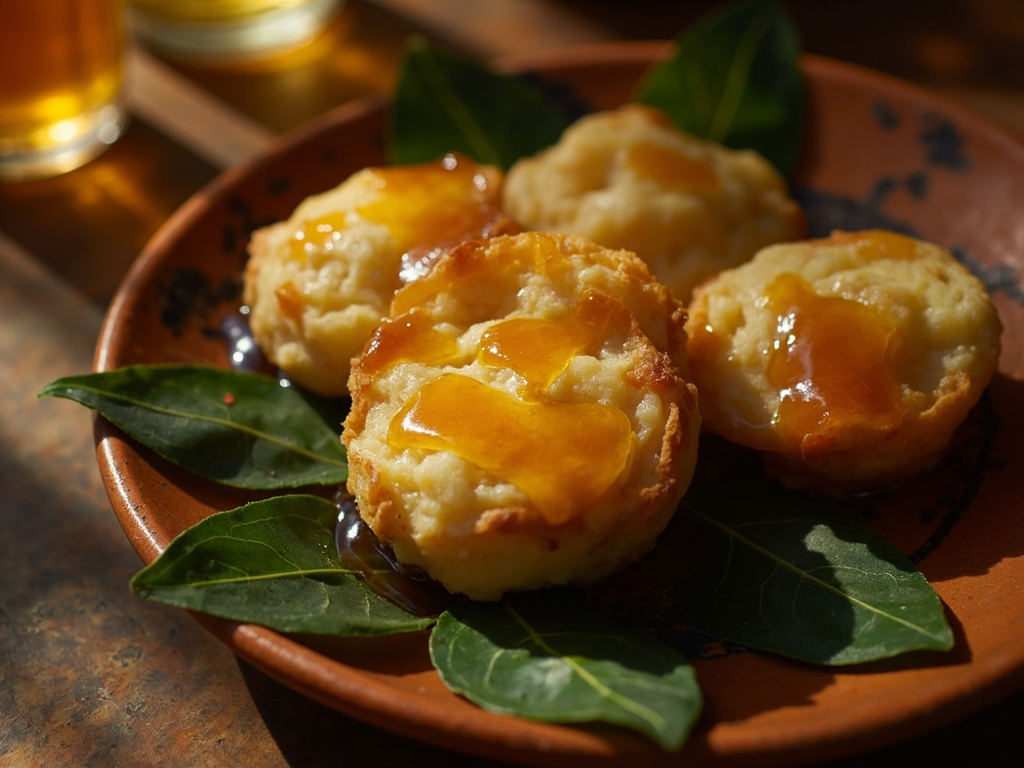
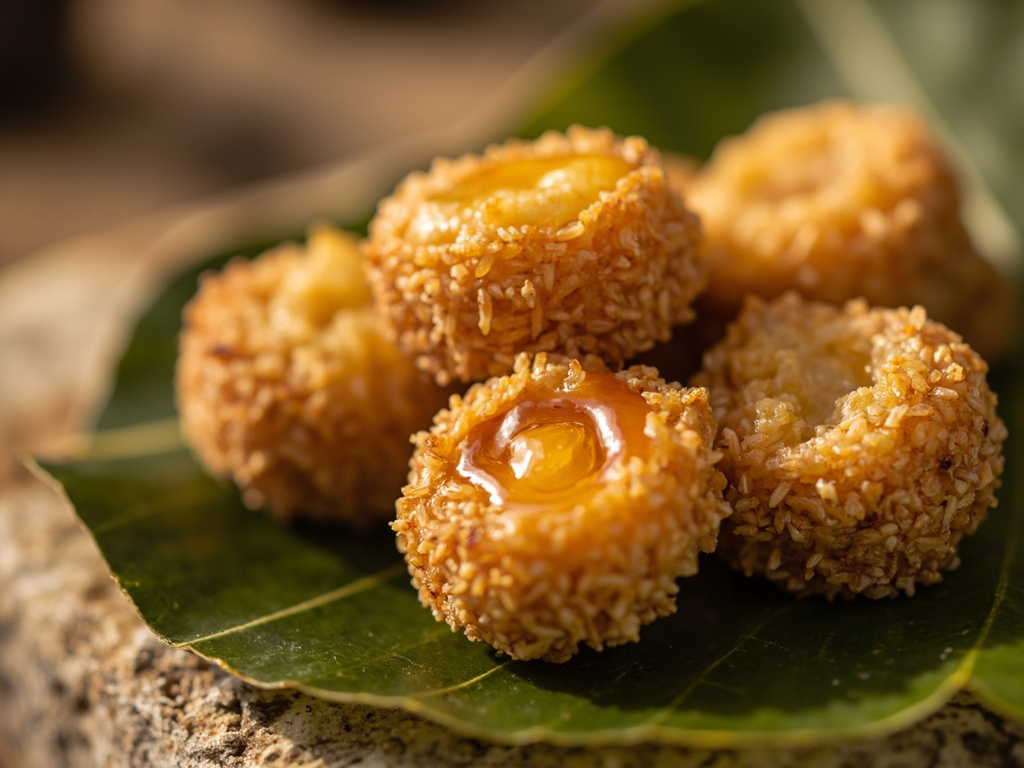
Small bites of flour bound with honey and rolled in toasted sesame, crunchy on the outside, melting on the inside. The Greek sweet treat, without sugar or butter: all is in the honey.
Before the black sail swelled toward Crete, my mother kneaded these honey cakes for the gods — for no sensible man sets out to face a monster without winning heaven's favor. One binds the flour with thick honey, rolls each bite in toasted sesame, and places them warm on the altar. What the Immortals accept, we then share, cup of wine in hand. Taste: it is sweet like a prayer answered.
- •Wheat (or barley) flour — two handfuls (base of the dough)
- •Honey — generously (sole binder and sweetener)
- •Sesame seeds — a handful, toasted (crunchy coating)
- •Olive oil — a drizzle (softness)
Melitoutta, honey and sesame cakes for the gods
Small bites of flour bound with honey and rolled in toasted sesame, crunchy on the outside, melting on the inside. The Greek sweet treat, without sugar or butter: all is in the honey.
Why this dish? Before setting sail for Crete to face the Minotaur, and at every step of his exploits, Theseus honors the gods. These small honey and sesame cakes are the sweet offering placed on the altar or shared at the symposion, inspired by Greek offering pastries.
Before the black sail swelled toward Crete, my mother kneaded these honey cakes for the gods — for no sensible man sets out to face a monster without winning heaven's favor. One binds the flour with thick honey, rolls each bite in toasted sesame, and places them warm on the altar. What the Immortals accept, we then share, cup of wine in hand. Taste: it is sweet like a prayer answered.
Ingredients (period version)
- Wheat (or barley) flour — two handfuls (base of the dough)
- Honey — generously (sole binder and sweetener)
- Sesame seeds — a handful, toasted (crunchy coating)
- Olive oil — a drizzle (softness)
Ingredients
- Flour — 150 g (base)
- Honey — 120 g (plus a little for coating) (binder and sweetener)
- Sesame seeds — 60 g (coating)
- Olive oil — 1 tbsp (softness)
- Water — a little if needed (dough adjustment)
Method
- Toast the sesame seeds in a dry pan until golden and fragrant; set aside.
- Mix the flour, oil, and honey to form a thick, manageable dough (add a little water if too firm).
- Shape into small balls or flat cakes the size of a walnut.
- Roll them in the toasted sesame seeds to coat well.
- Bake at 170°C for 12 to 15 minutes, until golden.
- Let cool slightly, then drizzle with a little honey before serving.
How it was made : The Greeks did not know sugar: honey was the only sweetener, and sesame was a prized treat (they already made bars mixed with honey, ancestors of pasteli). Offering cakes, like the pelanos, were placed on altars; the sacred and the table converged.
The contemporary twist : Stacked in a pyramid on a fig leaf, as Mediterranean-style after-dinner mignardises.
Theseus · Charactorium