 flip
flipErsatz Coffee with Barley and Chicory
Ersatz Coffee with Barley and Chicory
Why this dish? In Vercors's biography, the ersatz coffee appears in black and white among the daily staples of the occupied life. Real coffee having practically disappeared, it is replaced by roasted grains: barley, chicory, sometimes acorns. It is the bitter cup of every morning of the Resistance.
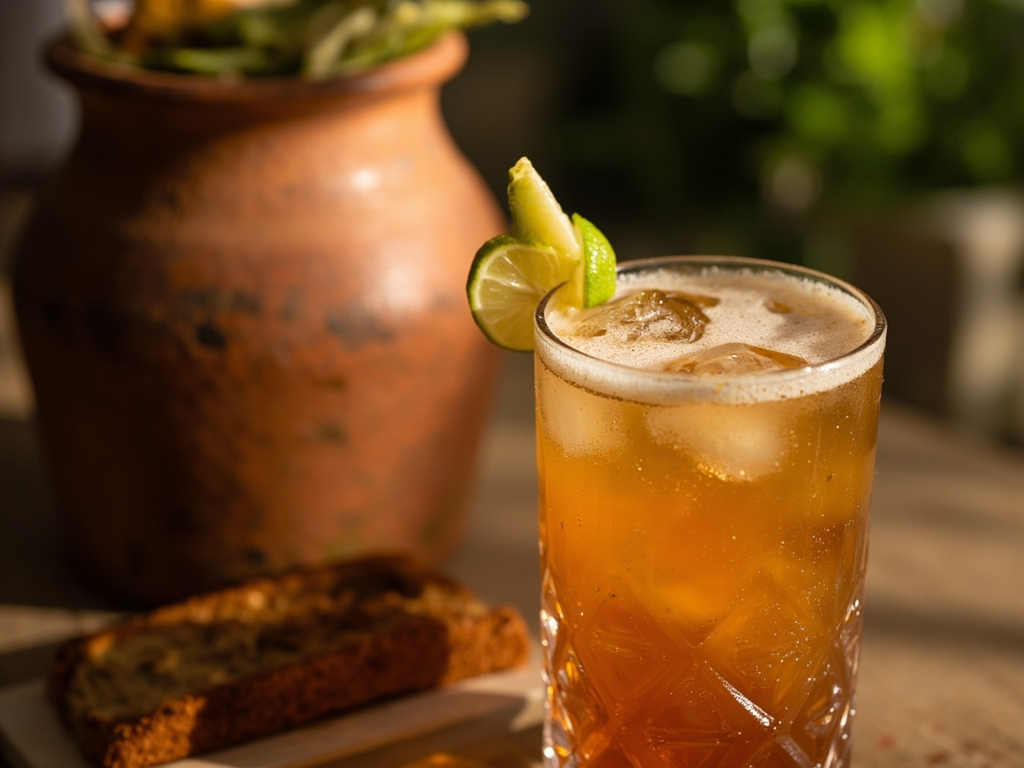
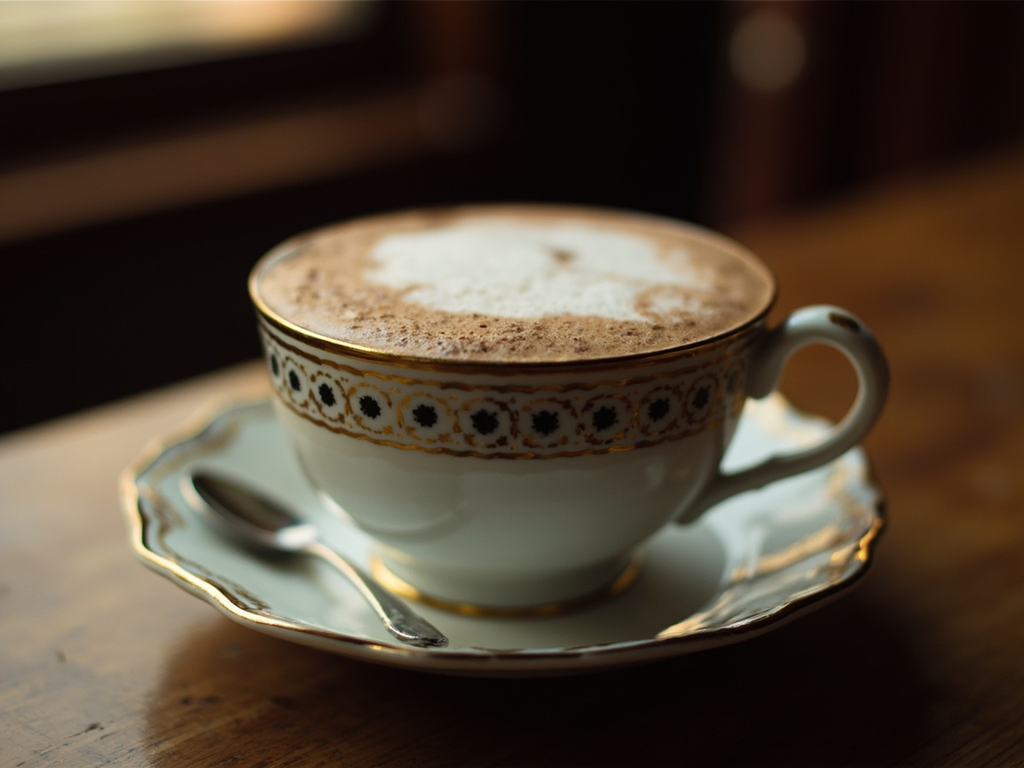
The fake coffee cup of the dark years: roasted barley and chicory brewed. Bitter, caffeine-free, but hot and black as it should be to open your eyes at dawn.
Real coffee? We no longer saw its color, except maybe a stray bean saved for special days. In the morning, it was barley and chicory that we toasted in the pan until they blackened and a good bitterness rose. We poured boiling water over it, and held the cup with both hands, more for the warmth and the illusion than for the taste, I admit. It wasn't coffee — but when you were rereading your pages before curfew, that cup kept you awake and on your feet, and that was what mattered.
- •Barley grains — a handful (roasted body, bitterness)
- •Chicory root — as available (deep bitterness, black color)
- •Dried acorns (sometimes) — as a substitute (supplement, fallback)
- •Water — a saucepanful (infusion)
Ersatz Coffee with Barley and Chicory
The fake coffee cup of the dark years: roasted barley and chicory brewed. Bitter, caffeine-free, but hot and black as it should be to open your eyes at dawn.
Why this dish? In Vercors's biography, the ersatz coffee appears in black and white among the daily staples of the occupied life. Real coffee having practically disappeared, it is replaced by roasted grains: barley, chicory, sometimes acorns. It is the bitter cup of every morning of the Resistance.
Real coffee? We no longer saw its color, except maybe a stray bean saved for special days. In the morning, it was barley and chicory that we toasted in the pan until they blackened and a good bitterness rose. We poured boiling water over it, and held the cup with both hands, more for the warmth and the illusion than for the taste, I admit. It wasn't coffee — but when you were rereading your pages before curfew, that cup kept you awake and on your feet, and that was what mattered.
Ingredients (period version)
- Barley grains — a handful (roasted body, bitterness)
- Chicory root — as available (deep bitterness, black color)
- Dried acorns (sometimes) — as a substitute (supplement, fallback)
- Water — a saucepanful (infusion)
Ingredients
- Pearl or roasted barley — 3 tbsp (roasted base)
- Roasted chicory (grains or instant) — 1 to 2 tsp (bitterness and color)
- Water — 500 ml (infusion)
- Milk or honey (optional) — to taste (soften bitterness)
Method
- Dry-roast the barley in a pan over medium heat, stirring, until it browns and smells fragrant (8 to 10 minutes).
- Coarsely crush the grains with a mortar or grinder.
- Bring the water to a simmer, add the crushed barley and chicory.
- Let steep for 5 to 8 minutes covered, off the heat, then strain.
- Serve very hot, plain, or softened with a little milk or honey.
How it was made : The 'national coffee' of the Occupation was made from anything that could turn black and bitter when roasted: barley, rye, chicory, acorns, grape seeds. Each family had its own makeshift recipe. Chicory, grown in the north, remained a stubborn habit in French breakfasts after the war.
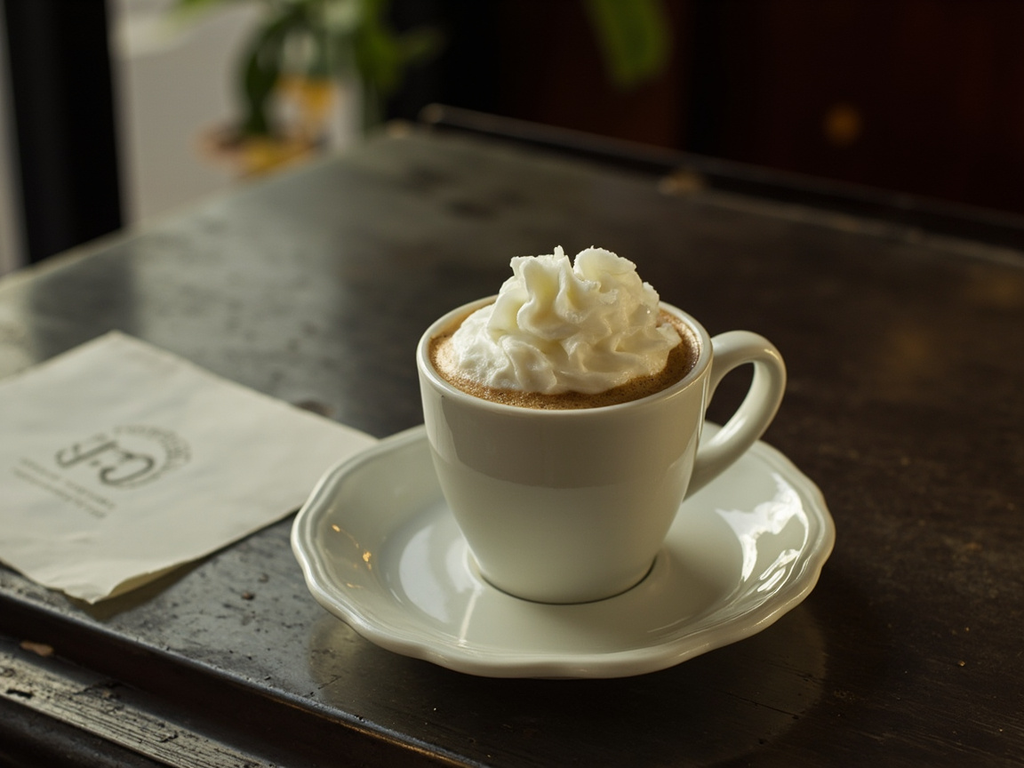
The contemporary twist : Serve it as a frothy 'barley latte' with a cloud of plant milk: the ersatz of scarcity becomes a very trendy caffeine-free drink.
Vercors · Charactorium