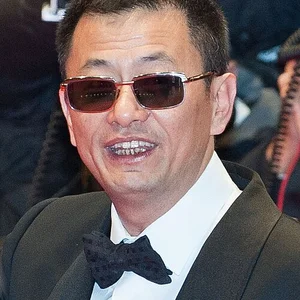

Wong Kar-wai is a Hong Kong director, screenwriter, and producer born in 1958 in Shanghai. A major figure of Asian auteur cinema, he is celebrated for his mesmerizing visual style and his melancholic stories about love and the passage of time.
Wong Kar-wai(1958 — ?)
Wong Kar-wai
Hong Kong britannique
6 min read
Frequently asked questions
Key Facts
- Born on July 17, 1958 in Shanghai, he emigrated as a child to Hong Kong in 1963
- Directed his first feature film, As Tears Go By, in 1988
- Won the Best Director award at the Cannes Film Festival in 1997 for Happy Together
- Directed In the Mood for Love (2000), an iconic film acclaimed around the world
- Was named president of the jury of the Cannes Film Festival in 2006, a first for an Asian filmmaker
Works & Achievements
First feature film, a sentimental crime drama that already foreshadows his taste for emotion and visual style.
A drama set in 1960s Hong Kong that lays the foundations of his nostalgic world.
A cult film about urban loneliness, shot quickly and handheld; it introduced Wong to international audiences.
The story of a gay couple living in exile in Buenos Aires; it earned him the Best Director award at Cannes.
The pinnacle of his work, about a thwarted love in 1962 Hong Kong; a masterpiece of world cinema.
A melancholic sequel to “In the Mood for Love,” blending memory and science fiction.
An epic about martial arts master Ip Man, combining a fight film with a meditation on time.
Anecdotes
Born in Shanghai in 1958, Wong Kar-wai moved to Hong Kong at the age of five with his mother. Speaking only Mandarin in a Cantonese-speaking city, the young boy felt isolated and spent countless afternoons at the cinema with his mother. This solitary childhood spent in the darkness of movie theaters would later feed his fascination with memory and nostalgia.
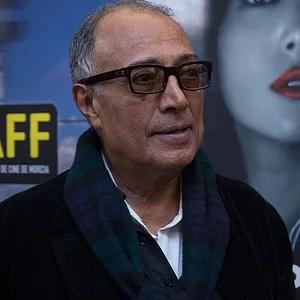
Wong Kar-wai is almost always photographed wearing thick black sunglasses, even indoors. Having become his trademark, they are so much a part of his public image that he is instantly recognizable on festival red carpets.
In 1994, exhausted by the endless shoot of *Ashes of Time*, Wong improvised a light-hearted film in just a few weeks during an editing break: it became *Chungking Express*, shot handheld in the bustling streets of Hong Kong. Born out of urgency, this film would become one of his most famous.
In 1997, Wong Kar-wai won the Best Director award at the Cannes Film Festival for *Happy Together*, becoming the first Hong Kong director to receive this honor. This triumph, in the same year as Hong Kong's handover to China, placed the city's cinema under the global spotlight.
Wong is known for shooting without a fixed script, rewriting scenes from day to day. The filming of *In the Mood for Love* stretched over nearly fifteen months, with his actors often unaware of how the story would end. This disorienting method demands total trust from his actors and crew.
Primary Sources
I never begin with a complete screenplay. I prefer to discover the film while making it, the way you discover a person by spending time with them.
This film is about the way people keep their secrets and the way they choose to share them. It's the story of a bygone era, the Hong Kong of the 1960s where I grew up.
This award belongs as well to the whole crew and to Hong Kong cinema, at such a particular moment in our history.
Key Places
Wong Kar-wai's birthplace, which he left as a child but which haunts his imagination. He would return to it with the series *Blossoms Shanghai*.
The city where Wong grew up and shot most of his films. Its alleys, its buildings and its nocturnal atmosphere are at the heart of his work.
The institution where Wong studied graphic design before turning to television and then cinema.
The shooting location for *Happy Together*, at the opposite end of the world from Hong Kong. There Wong filmed the wanderings of two exiled lovers.
The stage of his greatest accolades: the Best Director award in 1997 and then the presidency of the jury in 2006.
Typical Objects

Thick dark glasses that Wong Kar-wai wears almost constantly, including indoors. They have become the visual emblem of the public persona he embodies.

His tool of choice for the improvised shoots he films in the streets of Hong Kong. It allows for the mobile camerawork and tight framing that characterize his cinema.

A figure-hugging traditional Chinese dress worn by Maggie Cheung in “In the Mood for Love”; she sports about twenty of them over the course of the film. The garment becomes a character in its own right, marking the passage of time and the restraint of feelings.

A recurring motif in his films, the clock sets the rhythm of his characters' waiting and nostalgia. The passing of time is one of his obsessive themes.

The source of the haunting music that fills his films, from the Latin songs of “Happy Together” to Shigeru Umebayashi's theme. The soundtrack is central to his cinematic language.

Present in almost all of his films, cigarette smoke diffuses the light and creates hushed, melancholic atmospheres. It accompanies moments of solitude and waiting.
School Curriculum
Vocabulary & Tags
Key Vocabulary
Tags
Daily Life
Morning
Wong Kar-wai is known for his unusual, nocturnal work rhythm. Mornings are often devoted to rest or preparation, since his shoots stretch late into the night. A perfectionist director, he reflects at length on his framing and lighting before filming.
Afternoon
In the afternoon, on set, he confers with his cinematographer and his actors, sometimes rewriting scenes at the last moment. He works without a complete screenplay, letting the story build day by day. This method demands patience and improvisation from the entire crew.
Evening
Evenings are the heart of his activity: most of his urban scenes are shot at night, beneath the neon lights of Hong Kong. He may run through many takes of a single scene until he captures the atmosphere he is after. Editing and the choice of music then occupy him for long months.
Food
Like many Hongkongers, he frequents the restaurants and noodle stalls that often appear in his films. Street food and cafés are recurring settings in his cinema. Tea and shared dishes become moments of intimacy there.
Clothing
Wong almost always appears in dark, understated attire, topped by his inseparable black sunglasses. This minimalist style contrasts with the colorful richness of his films. His silhouette is instantly recognizable at festivals.
Housing
He lives and works in Hong Kong, a vertical metropolis of tightly packed buildings and bustling alleyways. This dense urban environment, made of cramped apartments and narrow corridors, directly permeates the staging of his films.
Historical Timeline
Period Vocabulary
Liens externes & ressources
Références
Œuvres
As Tears Go By (Le Direck du cœur)
1988
Nos années sauvages (Days of Being Wild)
1990
Happy Together
1997