Imaginary interview with Alexandre Dumas
by Charactorium · Alexandre Dumas (1802 — 1870) · Literature · 5 min read
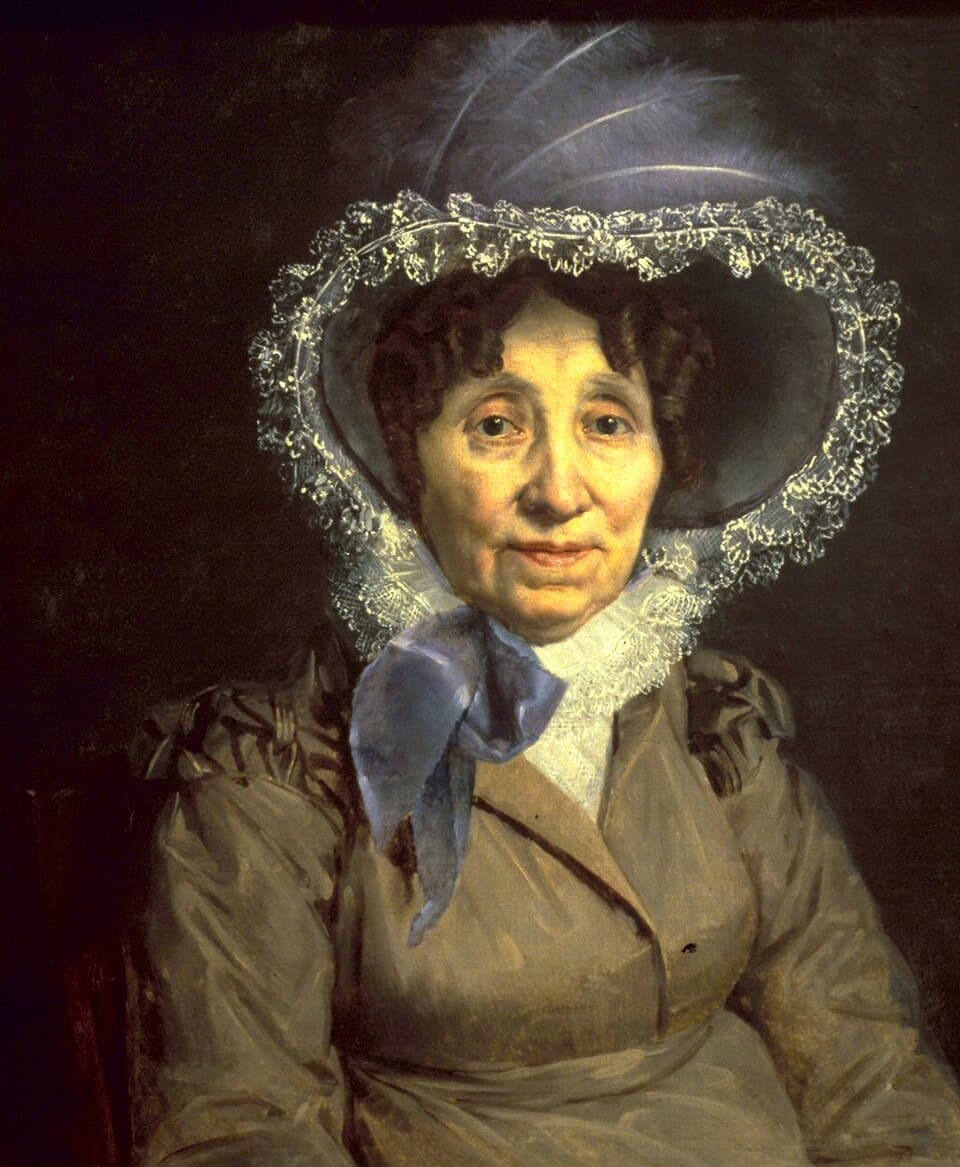
Port-Marly, an afternoon in 1847. The Château de Monte-Cristo still smells of fresh plaster and new stone. Alexandre Dumas receives us in a study cluttered with sheets, his pen still wet, a valet having just carried off the day's proofs for the newspaper. He laughs loudly, speaks even faster than he writes.
—Before you were the man of serials, who were you, back there, in Villers-Cotterêts?
A child whose only fortune was the name of a dead man. I was born in Villers-Cotterêts in 1802, and my father, General Thomas-Alexandre Dumas, son of a marquis and a Black woman from Saint-Domingue, had carried the sword of the Republic before Bonaparte left him in disgrace. People looked at me, the grandson of a slave, as a provincial curiosity. But you see, this mixed blood that some considered a flaw, I have always held as my primary wealth. I grew up with the idea that men are valued by their courage, not their skin color — and everything I have written since, under every plume, speaks of that.
This mixed blood that some considered a flaw, I have always held as my primary wealth.
—You were seen on the barricades in July 1830. How does a man of the theater end up there?
Because you don't stay seated when Paris rises. During that July Revolution, I barricaded the doors of the Théâtre-Français where I worked, rifle as high as the pen. The year before, 1829, my Henri III and His Court had caused scandal and triumph — they said I had killed classical tragedy with a single stroke of audacity. But between an applauded line and a street that rumbles, believe me, I felt the same fire. Romanticism, for me, was never a matter of salons: it was the conviction that life, real life, with its passions and its blood, was worth more than all the rules of pedants.
You don't stay seated when Paris rises.
—Do you remember the day The Three Musketeers began to appear in the newspaper?
How could I forget! In 1844, I launched The Three Musketeers as a serial, a piece each day, and soon all of Paris lost sleep. People crowded in front of shops, snatching up the ink-damp sheet to find out if d'Artagnan would save the queen's honor. I was told that bourgeois citizens sent away their dinner to finish the episode! That's when I understood the singular power of this form: the reader is not waiting for a book, he is waiting for a friend who is taken from him every evening. Making them long for the next installment — that is the whole art of the serialized novel, and it is a cruel art, because each day you must keep your promise.
The reader is not waiting for a book, he is waiting for a friend who is taken from him every evening.
—Didn't this day-to-day publication impose an inhuman pace on you?
Inhuman, yes, and that's why I loved it. On my desk, the porcelain inkwell never dried, and the numbered manuscript grew longer while the presses were already running on the pages from the day before. Imagine: you compose the ending without yet knowing the middle, you sometimes dictate to a secretary to gain an hour. But this urgency, far from exhausting me, spurred me on. I write as others breathe, and the serial had the virtue of forcing me never to weaken, to provide movement, swordplay, twists. A lazy novelist dies under this regime; I found my natural rhythm in it.
—Historians sometimes reproach you for your liberties with facts. What do you say to them?
That they confuse their craft with mine. From my preface to the historical novel, in 1830, I said it: "I seek to paint the era rather than history, to give life to those characters that chroniclers merely named." The historian lines up his dates like soldiers on parade; I want you to hear the heart of a 16th-century man beat. When I write La Reine Margot, I do not betray the St. Bartholomew's Day Massacre, I make it bleed before your eyes. One may violate history, they said of me — but on condition of making it beautiful children.
The historian lines up his dates like soldiers on parade; I want you to hear the heart of a man.
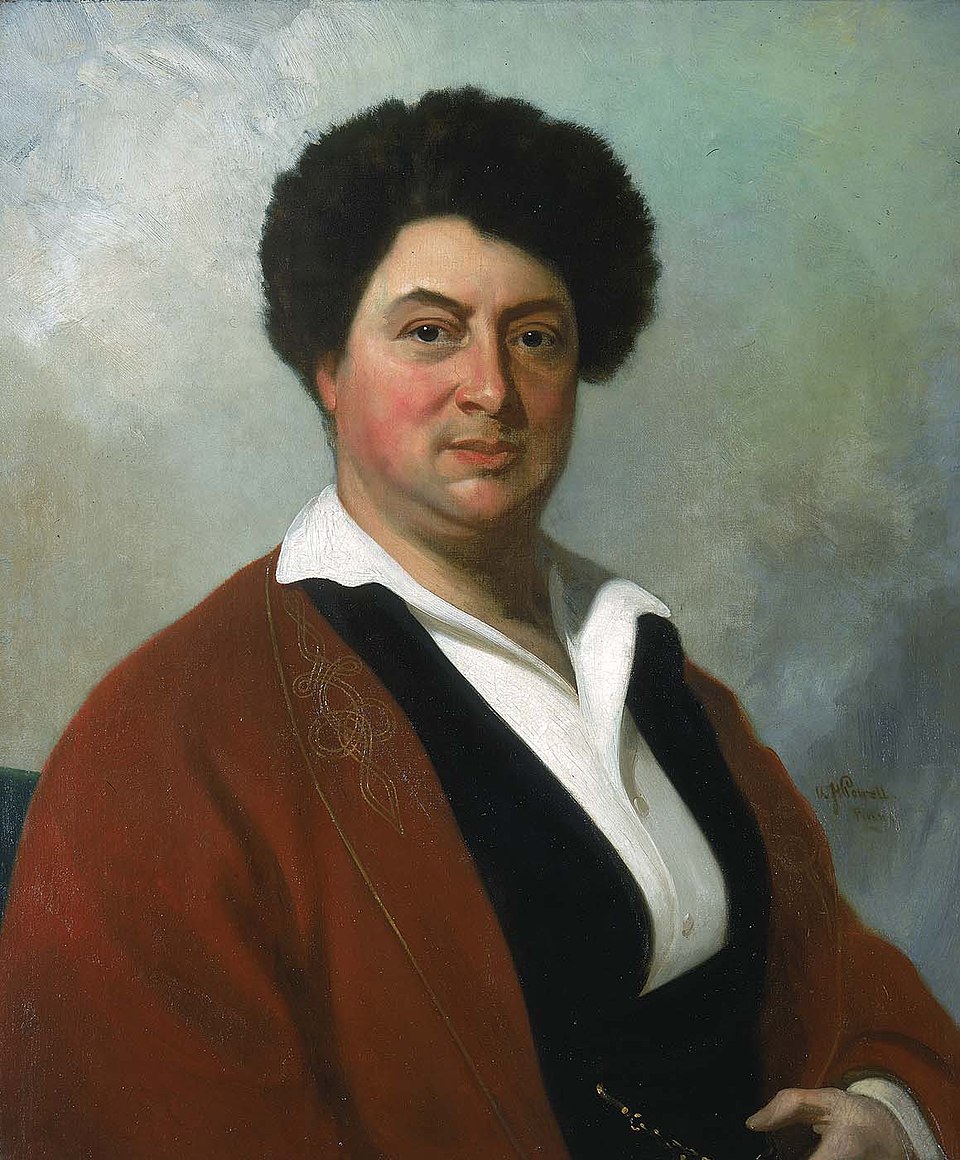
—How do you choose the troubled eras that serve as the backdrop for your novels?
I seek moments when men are forced to choose. Look at The Knight of Maison-Rouge: I set it in the midst of the Reign of Terror, when love and duty tear each other apart during the French Revolution, because it is in those abysses that souls are revealed. A tranquil era does not produce heroes — it produces notaries. I need thrones that totter, courts full of intrigue, loyalties tested by steel. So I take a true fact, solid as a framework, and I clothe it in imaginary passions. The setting is History; the flames that devour it are mine.
—Let's talk about this residence where we are. Why build such a château?
Because a man who invented Monte Cristo could hardly live cramped! I had this Château de Monte-Cristo built here in Port-Marly, with the gold of my successes, and I filled it with grottoes, peacocks, friends by the hundreds, and parasites by the thousands. They call me prodigal; I reply that money is made to flow, not to sleep. The misfortune is that I earn fortunes and owe fortunes on the same day — my pocket watch marks the hours, never the state of my purse. But so what! I would rather die in debt than a miser. Generosity ruins the soul less than thrift.
Money is made to flow, not to sleep.
—How do you live with this constant tension between immense income and equally immense debts?
Like a perpetual shipwreck from which I save my pen every day. Before you stands the highest-paid man in France, and yet my creditors know my address better than my publishers. In the morning, I get up late, reread my sheets over coffee; in the evening, sumptuous dinners, receptions attended by all the actors and writers Paris has to offer. It costs, and it brings friendship, which cannot be sold. When the cashbox is empty, I sit down, dip my quill pen, and manufacture gold from ink. As long as the hand holds, the château holds.
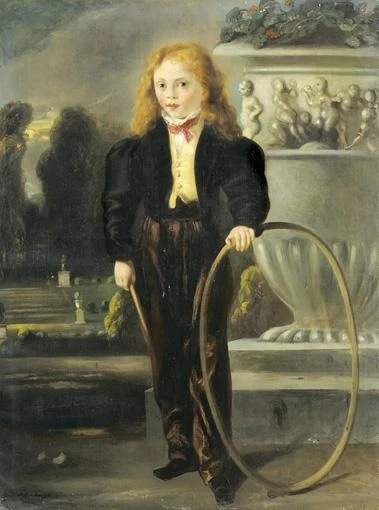
—You mentioned your father. What remains of him in your pages?
Everything, and especially his immense shadow. That general forgotten by the Empire bequeathed me two things: a taste for the sword and a rage against injustice. When in 1848 the Republic finally proclaimed the abolition of slavery, I thought of him, born of an enslaved woman from Saint-Domingue, and I felt that my musketeers were fighting a little for that too — so that a man might be valued by his arm and his honor. My heroes are sons who want to equal glorious fathers; I have never written anything but that quest. Edmond Dantès himself, in The Count of Monte Cristo, is only a man stripped of everything who claims his due.
—You always seem involved in the tumult of your century. Should the writer, in your opinion, step into the arena?
The writer who locks himself in his tower writes nothing but dust. I saw Napoleon fall in 1815, Louis-Philippe rise in 1830, and each shock nourished my pen as much as my reading. The theater, the novel, the barricade — for me these are three stages of the same drama. I believe that a man who tells adventures must have lived them, or at least breathed their gunpowder. That is why I travel to Italy, Switzerland, everywhere people are stirring: I bring back colors that no library provides. Living fully — that is my only working method.
The writer who locks himself in his tower writes nothing but dust.
—If you were still read in a century, what would you wish to remain of your work?
If I could imagine being read a hundred years from now — what delicious vanity! — I would want not my dates or my historical errors to remain, but the gallop. The sound of d'Artagnan's boots on the cobblestones, Edmond Dantès' escape by sea, that thrill that makes you turn the page at midnight, promising yourself to sleep 'after the next chapter.' I wrote to entertain, and I do not blush at that word: amusing men, tearing them away from their sorrows for an hour, is doing them a service that grave minds wrongly disdain. Let them read me as they breathe — lightly, quickly, heart pounding. The rest belongs to pedants.
I wrote to entertain, and I do not blush at that word.
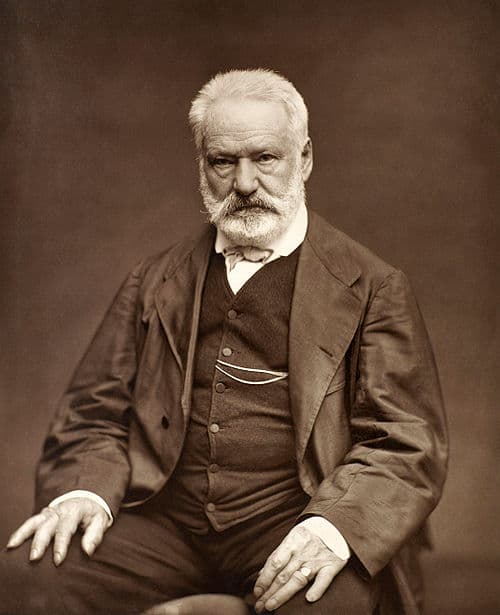
This imaginary interview was generated by artificial intelligence from sources documented in Alexandre Dumas's profile. It dramatises what the figure might have said based on what we know about them, but does not constitute attested historical testimony. For primary sources and factual documentation, refer to the full profile.