Kids interview Alexandre Dumas
by Charactorium · Alexandre Dumas (1802 — 1870) · Literature · 5 min read
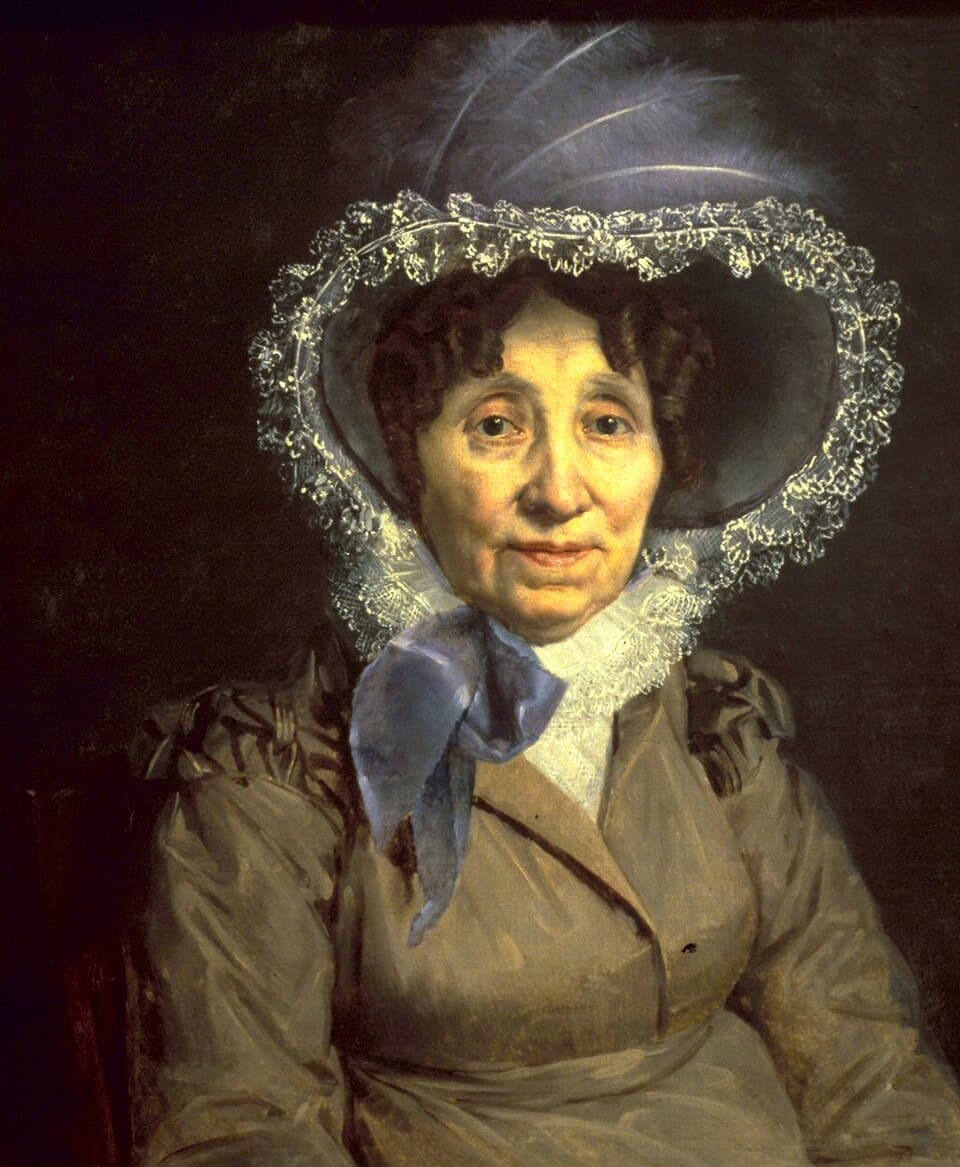
That morning, two middle school students on a field trip push open the door of a castle with a thousand turrets. Amid manuscripts and quill pens, a huge, laughing man, overflowing with life, awaits them: Alexandre Dumas. He motions for them to sit down, delighted to be questioned.
—Where were you born, and who was your dad?
I was born in Villers-Cotterêts, a small town, in 1802. My father was a general in the armies of the Revolution. Can you imagine a man so huge, strong as three men, with a voice that made the walls tremble? That was him. When I was little, I looked at him like you look at a legendary hero. He died when I was still very young, but his memory never left me. And later, all my musketeers, all my courageous heroes... I think I drew them thinking of him.
—Is it true that in your family, there was blood from far away?
Yes, my child. My grandfather had known, on the island of Saint-Domingue, a black woman. So my father was of mixed blood, and so was I. In my time, in France, that was rare, and some people made me feel it nastily. As a child, it fascinated me more than it hurt me: I had within me two worlds, two colors, two histories. And you know what? It taught me very early a very simple thing. That's why, in my books, courage and heart matter more than the name you bear.
A man is a man.
—What's that story about the barricades you built at the theater?
In 1830, the people of Paris rose up against the king. Three days of shouts, gunshots in the streets, furniture piled across the roads. I was working at the Théâtre-Français then. Well, instead of hiding, I went to barricade the theater doors! Imagine the scene: a young writer, his pen still stained with ink, stacking chairs to block a door. My heart was pounding. But I thought this: a writer does not live in a bubble. He breathes the same air as his people.
—Were you scared during those three days of battle in Paris?
Scared? Of course I was scared! What normal man wouldn't be scared under bullets? During that July Revolution, in 1830, you could hear gunshots ricocheting off the cobblestones. At every street corner, you could die. My heart was racing. But you know, there is one thing stronger than fear: the feeling of being in the right place, for something just. I was young, full of fire. I think I would have been much more afraid to stay home doing nothing, and to feel cowardly afterward.
—Why did people go crazy waiting for the next installment of your stories?
Ah, The Three Musketeers! In 1844, I published it bit by bit, in a newspaper. A piece each day, like giving a treat. And then it went crazy! People would wait for the next day's paper to find out if d'Artagnan would make it. Pages were snatched up in cafés. Imagine an entire city holding its breath because of a story you invent at your table in the evening. It's exhilarating, you know. It made me famous overnight. I had found the secret of the feuilleton: those novels published in episodes.
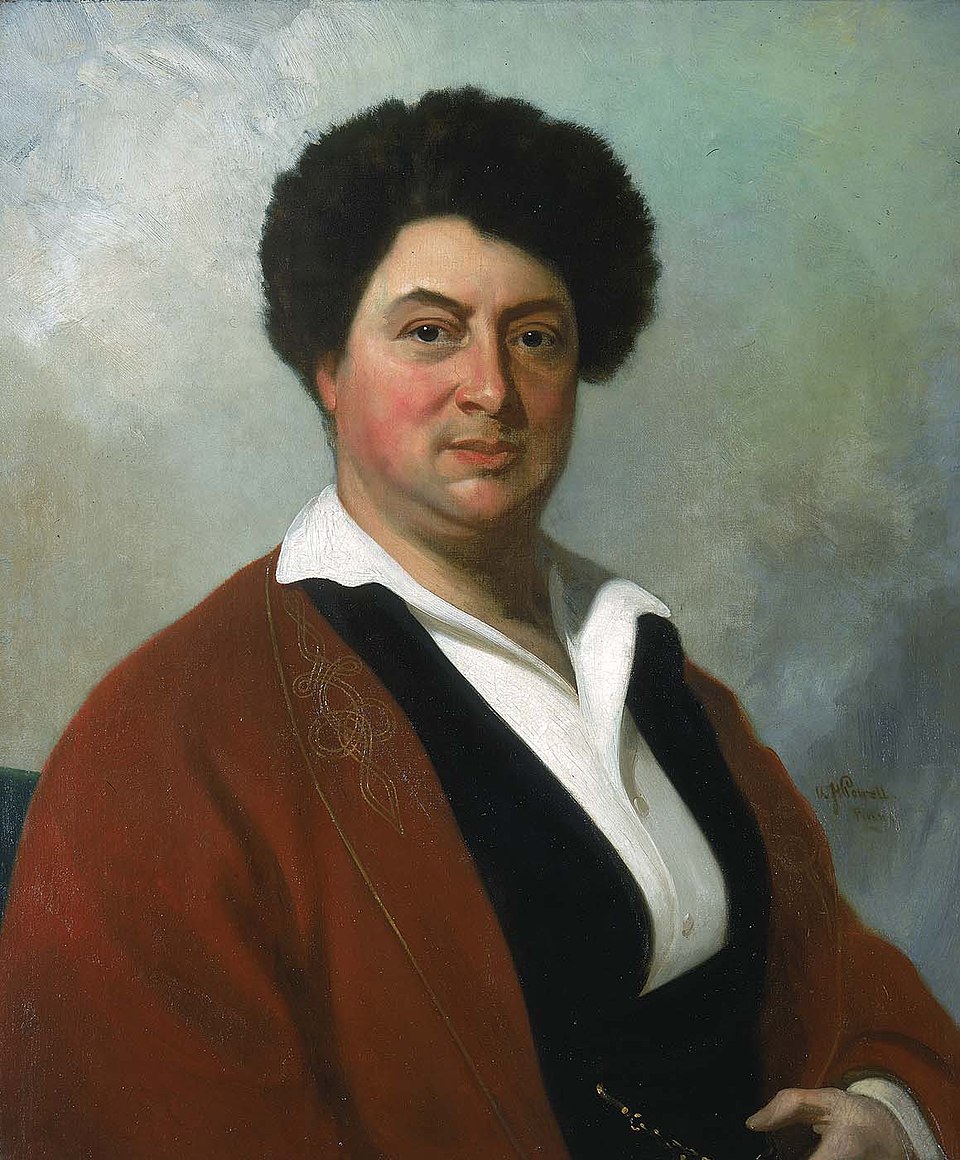
—And you, how did you manage to write so many pages every day?
How did I do it? I worked like a galley slave! I got up late, it's true, but then I covered pages and pages with ink. My manuscript grew, sheet after sheet, all numbered in order. When the newspaper demanded the next installment, I had to deliver, otherwise the readers grumbled. Imagine that every day, someone knocks at your door demanding the next part of your story. No rest! Sometimes I dictated aloud while someone wrote for me. I had a thousand ideas jostling in my head.
Writing a serial is like running without ever stopping.
—What's the difference between the history you learn at school and your novels?
You know, history in schoolbooks is often a list of dates and battles. All dry! It bored me. I once wrote: "I seek to paint the era rather than history." What does that mean? That I prefer to make you smell the street, feel a character's fear, hear the clash of swords, rather than recite a lesson. Chroniclers only noted names. I give them back a face, a voice, a beating heart. That is what the historical novel is: truth and invention mixed together.
I seek to paint the era rather than history.
—In La Reine Margot, what is true and what do you invent?
Take La Reine Margot. The story takes place in the 16th century, during a terrible night, the St. Bartholomew's Day Massacre, where thousands of people were killed because of their religion. All that is true, it really happened. But in the middle, I insert characters, loves, betrayals. Same in Le Chevalier de Maison-Rouge, which is set during the Revolution. Imagine taking a real historical painting and adding heroes who breathe. The setting is true, the feelings too... only the adventures are mine. That's how you learn history without falling asleep!
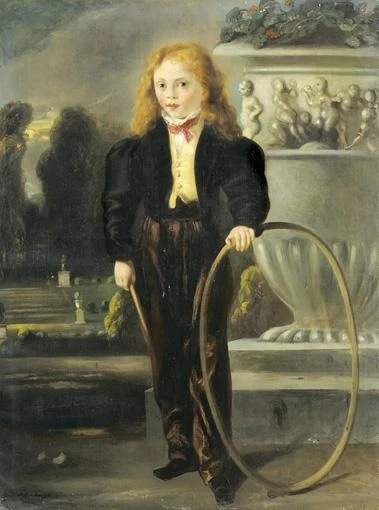
—Is it true that you had a real castle built for yourself?
In 1846, money was flowing in thanks to my books. So I did something crazy: I had a castle built! I called it the Château de Monte-Cristo, after my novel. Imagine a house full of turrets, gardens, and fountains, with even a miniature castle to write in peace. It was my childhood dream turned to stone. I entertained all of Paris there: artists, friends, sometimes even strangers I fed! The son of a penniless general gave himself a palace. Can you imagine the journey from little Villers-Cotterêts?
—If you earned so much money, why were you always in debt?
Rich? On paper, yes, enormously! But you know, money slipped through my fingers like sand. I spent without counting: parties, travels, friends to feast, and that castle that cost a fortune. So despite all the gold I earned, I was almost always in debt! Funny, isn't it? The most-read man in France chasing after his money. But I regret nothing. I loved life, people, generosity too much. My greatest luxury was not the castle: it was writing what I wanted, free as the air.
—What would please you most, if you saw us today?
What would touch me most? That children like you still read The Count of Monte Cristo or The Three Musketeers. I didn't write for scholars, you see. I wrote so that people would turn pages with beating hearts. If, long from now, a boy, a girl, shivers following d'Artagnan or Edmond Dantès, then I will have won my bet. Kings pass, empires crumble. But a beautiful story never dies. That's what I'd like to leave you: the idea that a book can be an adventure as powerful as real life.
A beautiful story never dies.
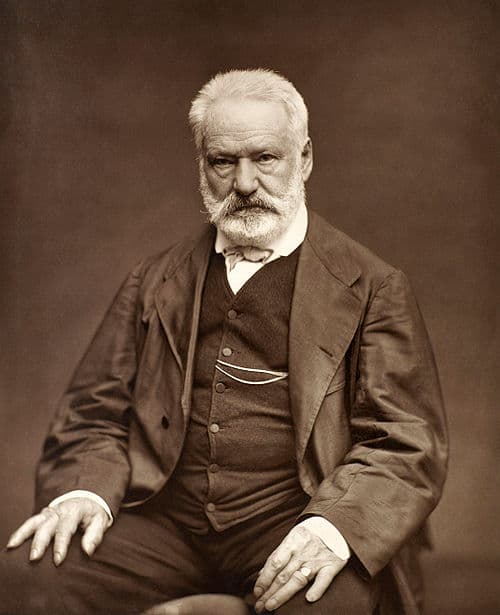
This imaginary interview was generated by artificial intelligence from sources documented in Alexandre Dumas's profile. It dramatises what the figure might have said based on what we know about them, but does not constitute attested historical testimony. For primary sources and factual documentation, refer to the full profile.