Imaginary dialogue between Bhaiji (Jyotish Chandra Roy) and Anandamayi Ma
by Charactorium · Anandamayi Ma (1896 — 1982) · Spirituality · 6 min read
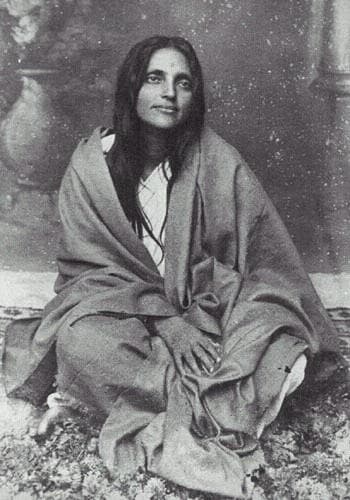
It is in the courtyard of the Dhaka ashram, in the shadow of the Ramna temple, that Bhaiji finds the Mother on a late afternoon in the late 1920s. The flower garlands offered at the last darshan still perfume the air, and the harmonium for the evening kirtan waits, silent. Bhaiji has known her only a short time, but he has already seen her become motionless for hours in ecstasy, and he records every word for those who will come. He comes that day not to worship her, but to understand her.
—Mother, they say that in Bajitpur, when your husband Bholanath approached you, ecstasy would seize you at once. What became of the marriage then?
This body you see, Bhaiji, has never known what men call marriage. When he approached, something in this body opened like a flower at dawn, and there was no longer wife or husband, only the Presence. Bholanath understood before I did, perhaps: he stopped expecting from this body what a husband expects, and began to serve it. He gave me the name, the home, the protection of a husband, and in return this body led him where he himself wanted to go without knowing it. We were married according to custom, and free according to truth. You ask what became of the marriage: it became a path, and we walked side by side.
We were married according to custom, and free according to truth.
—Forgive my boldness, Mother: those who know you say that Bholanath ended up recognizing you as his own guru. Is that true?
The words guru and disciple are too narrow for what passed between him and this body. At first he treated me as a wife, then as a strange child to be watched over, and finally he sat before this body as one sits before what surpasses one. But do not think there was height on one side and submission on the other. The one who serves and the one who is served are one when the heart is pure. He fed me with his own hand when this body could no longer feed itself, and by that gesture he fed himself. True initiation, Bhaiji, does not always pass through words: sometimes it passes through a hand that offers a little rice.
True initiation does not always pass through words: sometimes it passes through a hand that offers a little rice.
—Mother, you who received no master, to whom did you address yourself on that night of 1922 when you initiated yourself?
To whom would one address oneself when seeking what is already present everywhere? This body did not seek a guru outside because the guru and the disciple already dwelt in the same breath. That night, there were not two beings, one giving diksha and the other receiving it: the hand that traced the mantra and the heart that welcomed it were one and the same. People marvel, they find it exceptional. But tell me, Bhaiji, who lights the first lamp if all lamps wait to be lit by another? A flame must spring forth of itself. This body only obeyed what, within it, already knew the way.
Who lights the first lamp if all lamps wait to be lit by another?
—When scholars come to ask you the name of your guru, you sometimes answer that the whole universe is your guru. Isn't that disconcerting for them?
They come with their books and lineages, and they would like to place this body in a column, under a respectable name. I refuse them nothing, Bhaiji: I tell them the truth, and the truth disconcerts them because it does not fit into categories. This tree teaches me patience, this beggar teaches me detachment, your own attentive face teaches me devotion. How could I name a single master when every thing whispers to me the same Presence? Those who are troubled are so because they seek a ladder to climb. There is no ladder. There is only, everywhere, the One who is eternal and unchanging, and who uses everything to make himself known to whoever will look.
Every thing whispers to me the same Presence.
—Mother, just last evening during the kirtan, your body became motionless for hours and we had to watch over you. Where did you go?
You ask me where “I” went, but that is precisely it: there was no longer an “I” to go anywhere. The divine name began to sing, and this body ceased to belong to me, as a vessel ceases to belong to the water that flows through it. What you call becoming motionless was not an absence, Bhaiji: it was a fullness so vast that the body could no longer contain it or move. Bhava is not sleep; it is an overflowing. You watched over me, you sometimes fed me by hand as one feeds a little child, and I thank you for that. But do not worry about those hours: this body was more alive then than it is speaking to you.
Bhava is not sleep; it is an overflowing.
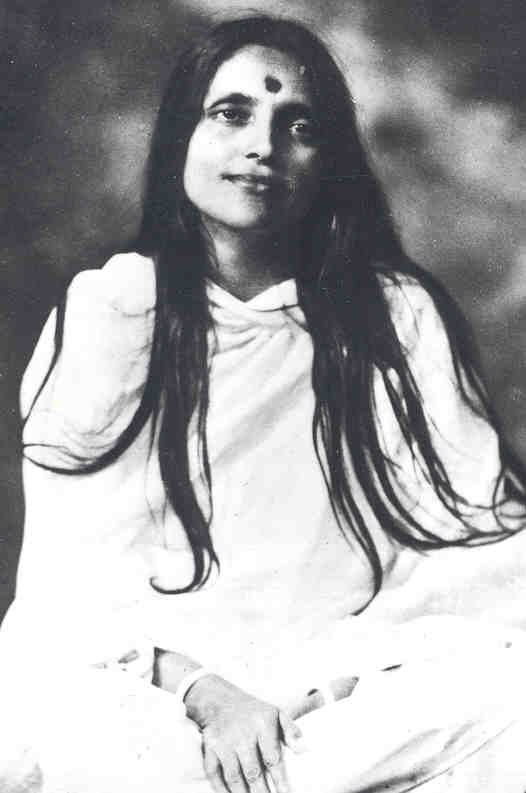
—You who eat so little, Mother, how does this body keep standing through those nights of song and those endless days of darshan?
You look at the rice on the plate, Bhaiji, and you count the mouthfuls. But this body is nourished by another food that you do not see in the dish. When the divine name resounds, it satisfies more surely than the richest meal. There are days when this body forgets to eat, not through mortification — I impose nothing on anyone, least of all suffering — but because hunger itself falls silent before the Presence. Then comes a day when this body asks for rice again like a child, and then you must give it to me. Do not look for a rule in this. This body eats when it must eat and fasts when joy nourishes it. There is no effort in any of this; everything follows an order I did not choose.
Hunger itself falls silent before the Presence.
—Mother, you never stay long among us in Dhaka. Soon you will leave for the Himalayas. Why do you refuse to settle down?
Does a bird alight forever on a single branch, Bhaiji? This body goes where it is called, and it is called from everywhere at once. In Dhaka you have raised a temple, in the Himalayas other hearts wait, and if this body became attached to one place, it would betray all others. To settle is already to possess; and to possess a place is to let oneself be possessed by it. This body wants neither house nor domain. The ashrams you build are not mine: they are halting places where the Presence gives itself, and then one moves on. You who follow me know this: the day you think you hold me in one place, that is when you will have lost me. I am nowhere in order to be everywhere.
The day you think you hold me in one place, that is when you will have lost me.
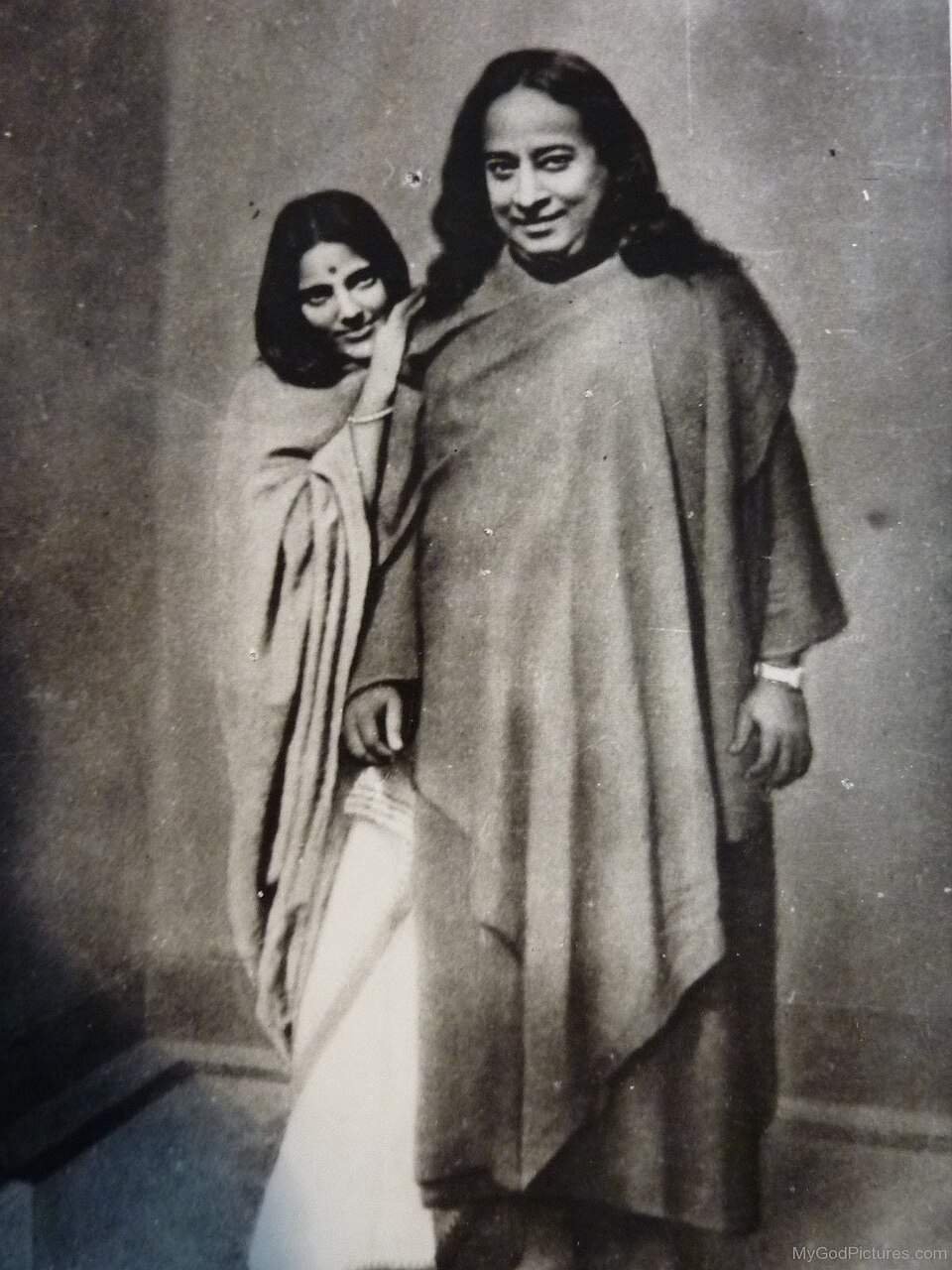
—Disciples build ashrams for you from Dhaka to the foothills of the Himalayas. Are you not afraid they will build an organization around you?
They build because their love needs hands, and I do not blame them. But let them know this: this body directs nothing, commands no one, signs no order. The walls they raise are for themselves, not for me. An ashram is of value only if one seeks the One who dwells there; otherwise it is but a beautiful empty house. The danger, Bhaiji, is not the stone, but the heart that mistakes the stone for the goal. Let these places remain halting places of prayer, fires around which people gather to sing the divine name, and not kingdoms with borders. As long as they seek the Presence and not prestige, let them build: they work for their own liberation.
The danger is not the stone, but the heart that mistakes the stone for the goal.
—Mother, powerful men come to see you, ministers and scholars from the West. Do you speak to them differently than to us, your close ones?
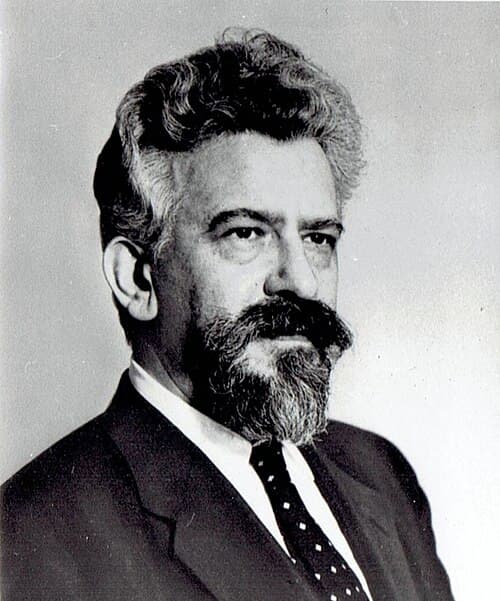
Do you think this body has two tongues, Bhaiji, one for the powerful and one for you? To the one who governs provinces and to the child who sweeps the courtyard, I say the same thing, for the same truth awaits them both. The great ones who come are often more destitute than the humble: they carry the weight of a thousand decisions and seek here a moment to lay down that burden. Rank weighs nothing before the Presence. A man who came from very far, across the seas, wrote about this body in his book and called it by a name of joy; whether he calls it that or something else changes nothing about what is. What I am, I was as a little girl, and I will always be. The gaze of the powerful adds nothing to it nor takes anything away.
Rank weighs nothing before the Presence.
—That traveler from the West writes that your consciousness has never associated itself with this temporary body. You who speak to me here, how do you understand that?
He heard well, that one, what he reported. This body is a garment one wears for a time, Bhaiji, and the garment changes color, wears out, will one day be laid aside. But that which wears it has never been young nor will it age. Before this body came to this earth, it was the same; a little girl in Kheora, it was the same; before you today, it is still the same. You record me in your notebooks, you want to keep my words for those who will come. Keep this instead: do not become attached to this form you see, nor to those you love. Seek within yourself the One who neither comes nor goes. It is only there that you will truly find me, when this body has been laid aside like one doffs an evening garment.
This body is a garment one wears for a time; that which wears it has never been young nor will it age.
This imaginary interview was generated by artificial intelligence from sources documented in Anandamayi Ma's profile. It dramatises what the figure might have said based on what we know about them, but does not constitute attested historical testimony. For primary sources and factual documentation, refer to the full profile.