Imaginary interview with Ang Lee
by Charactorium · Ang Lee (1954 — ?) · Performing Arts · Visual Arts · Culture · 6 min read
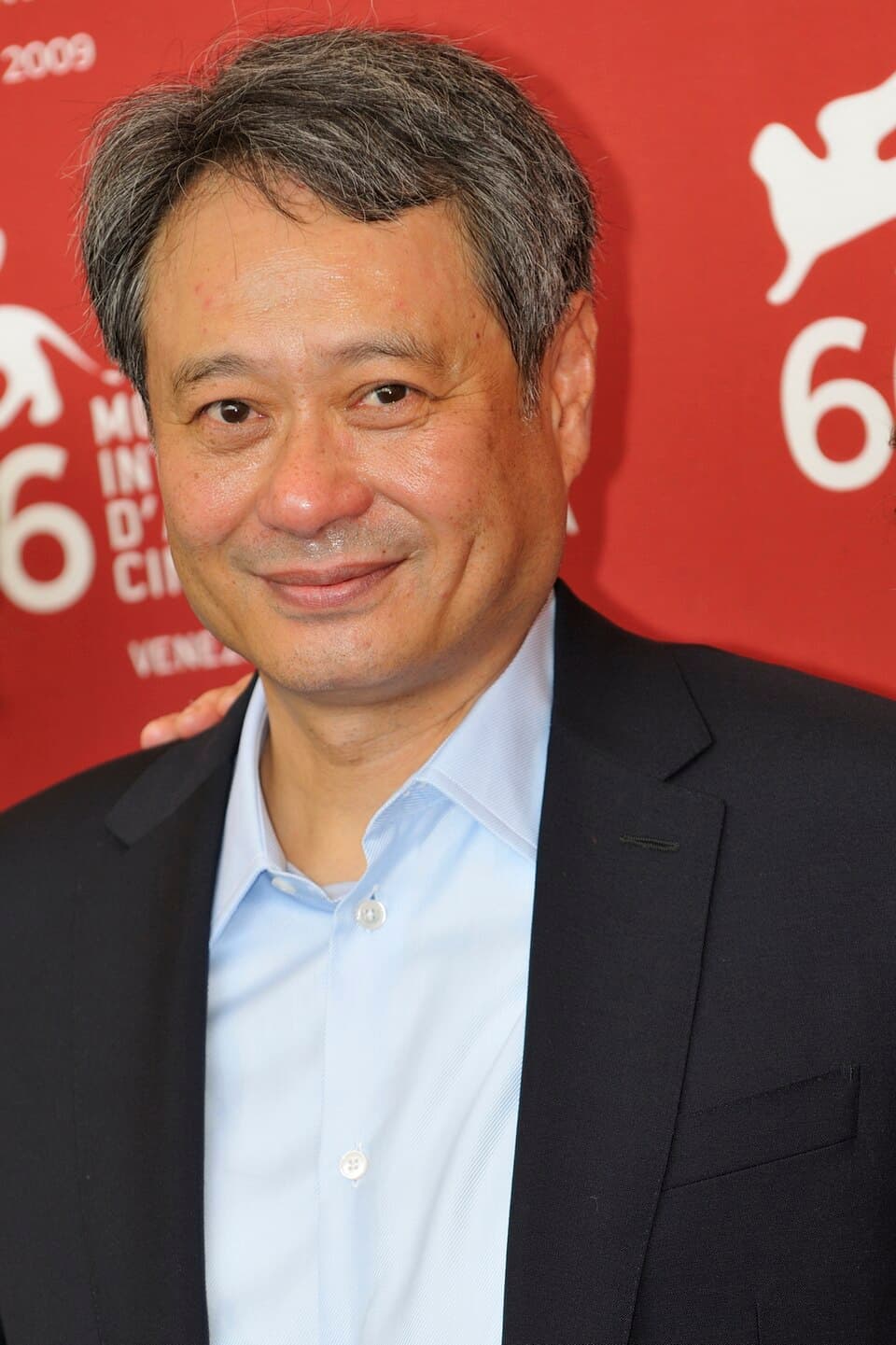
One winter morning, in a New York editing room where coffee grows cold beside a pile of annotated storyboards. Ang Lee speaks softly, with long silences, as if searching for each shot before letting it out. On the frozen screen behind him, a digital sea waits to be adjusted.
—Before any success, there was a long wait. How did you experience those years after your degree?
Six years. I got my MFA at Tisch School in New York in 1984, and then nothing. Not a single film. I stayed home, I did the shopping, I cleaned, I looked after our boys, and I wrote scripts that no one read. It was Jane, my wife, a molecular biology researcher, who supported the family. I remember my shame, some days, while tidying the kitchen. A man raised in a Confucian family, whose father was a school principal, expected to succeed through degrees—and here I was keeping house. But I believe those years taught me the patience of the set. In cinema, you wait a lot. You wait for the light, you wait for the actor to find his truth. I learned to wait there, in my suburban kitchen, long before I waited behind a camera.
I learned to wait in my suburban kitchen, long before I waited behind a camera.
—What finally broke this lean period?
A Taiwanese producer noticed my scripts, around 1991. It seems sudden, but nothing was. I had failed the university entrance exam twice in Taiwan—a real trauma, my father never quite forgave me. I drifted into theater, then to America, almost by default. So when Pushing Hands became possible, I understood that nothing I had lived through was wasted: neither the shame of the exam nor the silent housekeeping. All that accumulated humiliation, I could finally put it into a film about an old Chinese father uprooted in America. It was the first installment of what critics called my father trilogy. I wasn't filming an idea. I was filming my own debt to my father.
—In several of your films, food seems to speak for the characters. Where does this obsession come from?
From childhood, entirely. In a family like mine, you didn't say I love you. You put a dish on the table, and the dish said it for you. That's exactly what I wanted to show in Eat Drink Man Woman, in 1994: an old chef in Taipei who has lost his taste but cooks lavish banquets for his daughters, because it's the only language he has left. The sound of chopsticks, the steam from a fish, a knife on the cutting board—for me these are dialogues. Even today, when I'm shooting far away, I look for an Asian restaurant on the first evening. I can't work if I lose that concrete link to the flavors of my childhood. It's my real passport, more than any visa.
You didn't say I love you. You put a dish on the table, and the dish said it for you.
—After those intimate films, you adapted Jane Austen. How does a Taiwanese filmmaker end up in 19th-century England?
Everyone thought I was crazy. What did a boy from Pingtung know about the English countryside, drawing rooms, the proprieties of 1811? But Sense and Sensibility, in 1995, with Emma Thompson and Kate Winslet, spoke precisely about what I know in my bones: families where everything is held in, where duty stifles desire, where two sisters embody head and heart. Confucian restraint and Victorian restraint are strangely alike. That film won the Golden Bear in Berlin, and above all it proved something to me: a true emotion has no nationality. A father dying and leaving his daughters penniless—that is understood in Taipei as in Devonshire. I believe my only homeland is that emotion.
—You refuse to be labeled a Taiwanese or American director. Why this resistance?
Because it's a box, and boxes lie. I grew up in a family of refugees from the mainland after the civil war; in Taiwan, we were already exiles from within. Then I left for America. I am a man of the diaspora, and the diaspora does not fit into any drawer. I shot Crouching Tiger, Hidden Dragon in the mountains of China, Life of Pi in India, Austen in England. What today is called transnational cinema, I didn't theorize it, I simply inhabited it. I seek universal truth inside very particular stories, and I build bridges between worlds that think they are strangers to each other. A director does not belong to a country. He belongs to the faces he films.
I am a man of the diaspora, and the diaspora does not fit into any drawer.
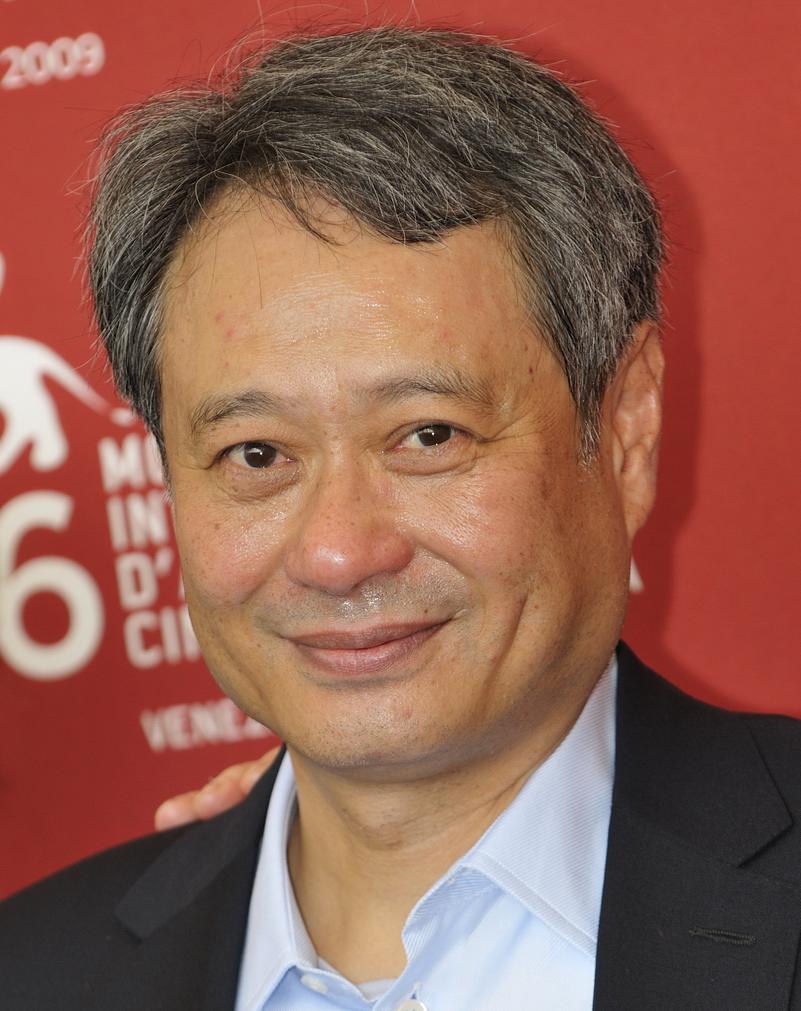
—Crouching Tiger, Hidden Dragon met with unexpected worldwide success. What did that reception teach you?
That the world was hungry for a poetry it thought it didn't understand. Wuxia, that Chinese genre of knight-errants flying over rooftops, I devoured it as a child in novels. In 2000, I wanted to film it seriously, with Taoist melancholy and heroines who decide their own fate. I was told: Americans will never read subtitles for aerial fights. And Crouching Tiger, Hidden Dragon became the first non-English-language film to surpass one hundred million dollars in the United States, crowned with four Oscars. That day I understood that cultural globalization is not a threat to particular cultures—on the contrary, sometimes it's the most rooted, the most local, that crosses borders best.
—Brokeback Mountain made you the first Asian director to win an Oscar. What did that story mean to you?
A love condemned to silence, in the Wyoming of the sixties. Two cowboys who love each other and must hide that part of themselves all their lives. When I received the Oscar for Best Director in 2006, the first for a man of Asian origin, I didn't think about records. I thought about all those who had to conceal who they loved, and I dedicated that award to their courage. I thanked Heath Ledger and Jake Gyllenhaal, because it took courage, for them too, to carry those roles. You know, I who spent six years hiding my failure behind my kitchen door, I know what it costs to silence a part of yourself. That film, I could not not make it.
I know what it costs to silence a part of yourself. That film, I could not not make it.
—That film sparked a global debate. Did you feel you had triggered a rupture?
I never seek provocation. I seek emotional truth, the same one I hunt on set by making an actor repeat twenty times until something true surfaces. But Brokeback Mountain, in 2005, touched a nerve. Some theaters refused to show it, others celebrated it. I hadn't intended a manifesto; I had intended a tragic love story, as simple and ancient as that. Perhaps it was precisely its simplicity that disturbed: impossible to reduce it to a cause, there remained two beings who suffer. A director should not preach. He should open a door and let the spectator decide whether to enter. The anger and the debate, afterwards, belong to the world, not to the film.
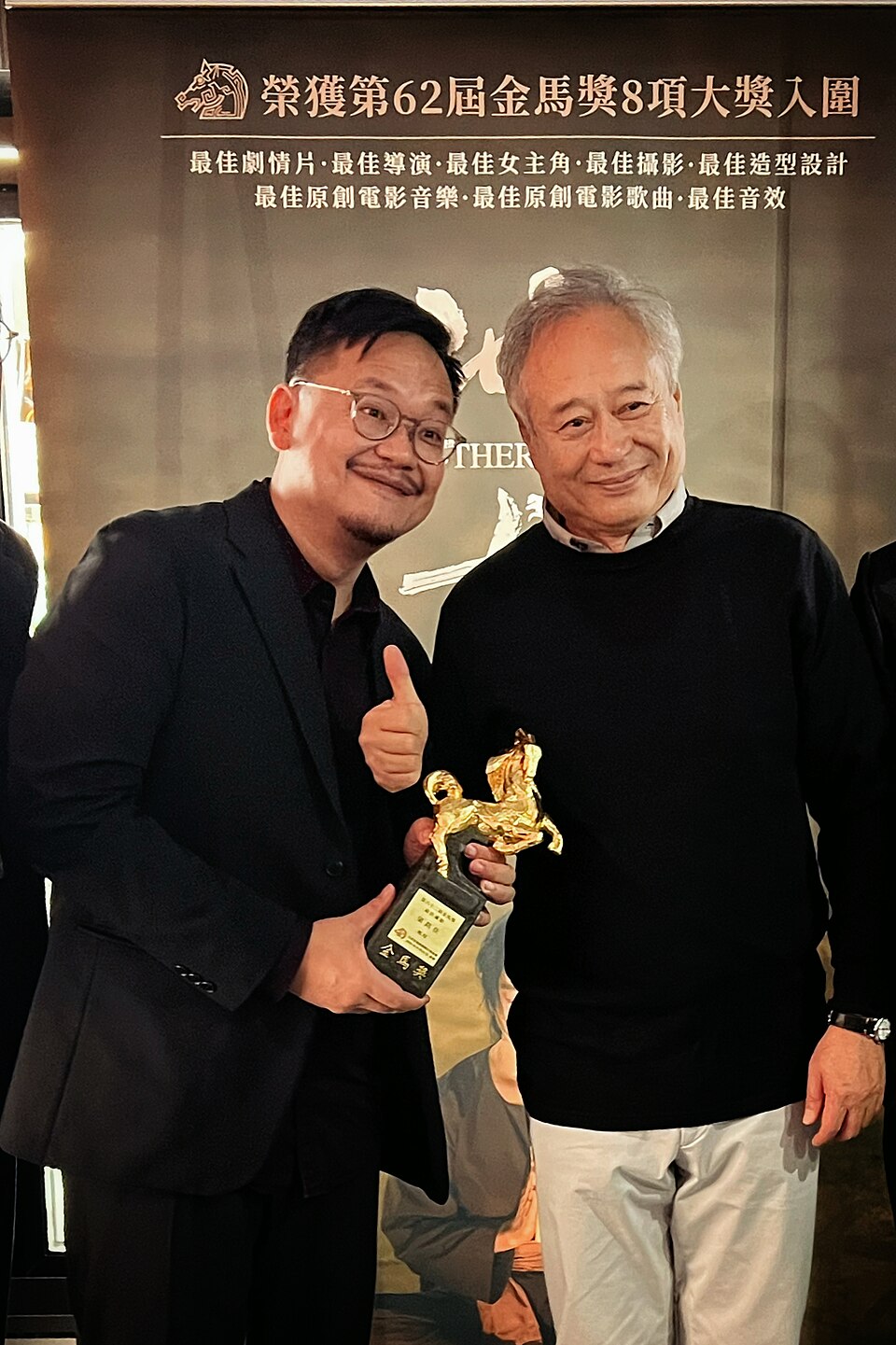
—With Life of Pi, you entrusted a central role to a tiger that didn't exist. How does one approach such a challenge?
With a lot of anxiety, I admit. Yann Martel's novel tells of a teenage boy shipwrecked alone on a lifeboat with a Bengal tiger. You can't put a real wild animal opposite a young actor for months. So, in 2012, we had to create Richard Parker entirely by computer. Hundreds of technicians, render farms running day and night on their workstations, to simulate every muscle, every drop of water on his coat, the light in his eye. The film won the Oscar for Best Visual Effects. But the paradox is that all this cold technology was needed to tell a story of faith. I wanted it that way: to direct the most modern digital tools toward spirituality, rather than letting them replace it.
—You won a second Oscar for Best Director for that film. What did you feel at that moment?
Gratitude, above all, and a bit of dizziness. In 2013, going up to receive that second Oscar for Best Director, I thought of the teams scattered between India, Taiwan, Canada, and the United States. A film like Life of Pi has no single author; it's a collective art, a bridge thrown between cultures and crafts. I also thought of the young man tidying his kitchen in New York, wondering if he would ever make a single film. Twice this award, when I had almost made none. I don't believe in solitary genius. I believe in the hundreds of hands, in Bombay as in Taichung, that simulated a sea so that a boy and an imaginary tiger could survive in it.
I don't believe in solitary genius. I believe in the hundreds of hands that simulated a sea.
—You continue to experiment technically, even after so many awards. What still drives you?
Curiosity, that old companion. In 2016, with Billy Lynn, I shot at one hundred twenty frames per second, against the twenty-four that cinema has used since the twenties. Almost no one could project it that way; I was called unreasonable. But I wanted to see if we could make human presence more naked, closer, almost unbearable in its truth. I spend my evenings watching the rushes, looking for what is still missing, and in the morning I revise my storyboards—I prepare every shot in the smallest detail. Yet I know the best always remains what the camera hadn't planned. A filmmaker who stops being afraid of his next film should stop. I am still afraid. That's a good sign.
This imaginary interview was generated by artificial intelligence from sources documented in Ang Lee's profile. It dramatises what the figure might have said based on what we know about them, but does not constitute attested historical testimony. For primary sources and factual documentation, refer to the full profile.