Imaginary dialogue between Jane Lin (Jane Lin) and Ang Lee
by Charactorium · Ang Lee (1954 — ?) · Performing Arts · Visual Arts · Culture · 6 min read
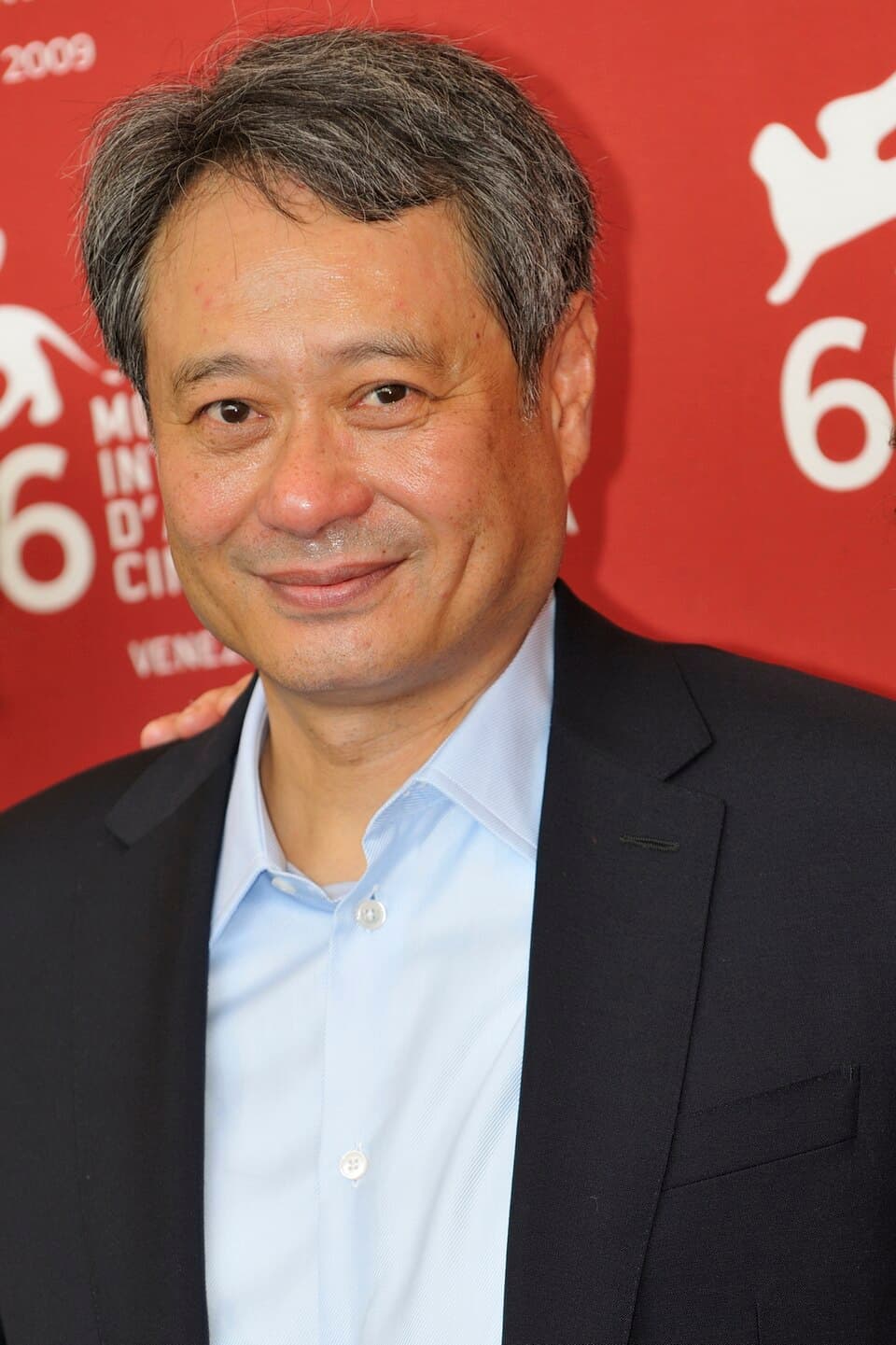
It is in their suburban New York home, one autumn evening in 1996, that Jane Lin finally sits down opposite Ang Lee, between two shoots, a steaming cup of tea on the kitchen table. Outside, the light fades on the maples; inside, the smell of a simmering broth lingers. They have known each other since their university days, married since 1983, and she lived alongside him through the six years when he did not shoot a single film. Tonight, the microbiology researcher sets down her test tubes to question the man she watched wait his turn in silence.
—Ang, do you remember those years after your NYU degree in 1984? Six years without a camera, and me at the lab. What were you thinking, in the morning, when I left?
I remember every day, Jane. In the morning, I watched you put on your lab coat to go feed the family while I stayed with the kids and my scripts that no one wanted to read. I was ashamed, sometimes, to wash the rice instead of shooting. But you never reproached me for that silence, and that is what kept me standing. I wrote, I rewrote, I cooked, and without knowing it I learned to observe families, tensions at the table, unspoken things. My entire father trilogy was born from those domestic afternoons. What others call lost years, I call my real apprenticeship. You gave me the rarest luxury for an artist: the time to fail without dying.
What others call lost years, I call my real apprenticeship.
—When that Taiwanese producer finally noticed you, in 1991, what did you feel? I remember your face that evening.
That evening, I think I didn't know what to say to you, Jane, I was so afraid to believe it. After so many rejections, a call that says yes feels like a mistake. I made Pushing Hands as if it were my one and only chance — perhaps it was. You, who had seen me doubt myself, knew what that yes weighed. I promised myself never to waste that trust finally given to me. Every film since, I shoot a little with the fear of someone who has waited too long to allow himself to be mediocre. Patience was not a virtue, it was a necessity: I had nothing but hope and you.
A call that says yes, after so many rejections, first feels like a mistake.
—You shot Eat Drink Man Woman around family meals in Taipei. Was it our kitchen, our table, that you were secretly filming?
Of course it was our table, and my father's before us. In that film, an old chef prepares sumptuous banquets for his daughters, but he cannot tell them he loves them — so he says it with food. How many times, Jane, have I expressed through a dish what I dared not put into words? Taiwanese cuisine, chopsticks, the simmering broth, that is my most concrete link to Pingtung and my childhood. When I shoot far from you, I always look for an Asian restaurant to find those flavors. I feel neither entirely Taiwanese nor entirely American. But a set table — that is a country where I always recognize myself.
An old father cannot tell his daughters he loves them, so he says it with food.
—After Sense and Sensibility, people asked how a Taiwanese could film Jane Austen. Did that hurt you, you who have crossed so many borders?
A little, yes, but mostly it made me smile, Jane. People think an emotion has a passport. The English restraint of Emma Thompson, the conventions that stifle desire — but I grew up in Confucianism, where you silence your feelings out of respect! I knew that world from the inside without ever being born into it. That is my deepest conviction: the most particular stories carry the most universal truths. An arranged marriage in Taipei, a lady from Devonshire, two cowboys from Wyoming — deep down, they are the same hearts hiding. My job is to build bridges between worlds that think they are strangers to each other. You know that, you who have seen me move from one language to another without ever choosing.
People think an emotion has a passport. My job is to build bridges between worlds that think they are strangers.
—You are currently preparing a martial arts film in China, that wuxia you tell me about in the evenings. Why do you want to make swordsmen fly in the air?
Because it is the dream of my childhood, Jane — the Chinese chivalry novels I devoured in Pingtung, those warriors who leaped to the tops of bamboo. Wuxia is not just action: it is a philosophy, a code of honor, an art of restraint even in combat. We will shoot near Beijing and in the mountains of Huangshan, where the mist itself seems made for poetry. Making a body fly in the air is not defying gravity, it is showing desire that escapes all grasp. I am afraid, I admit, because no one in the West expects this from me. But a filmmaker must sometimes return to what made him dream as a child, otherwise he becomes a soulless craftsman.
Making a body fly in the air is not defying gravity, it is showing desire that escapes all grasp.
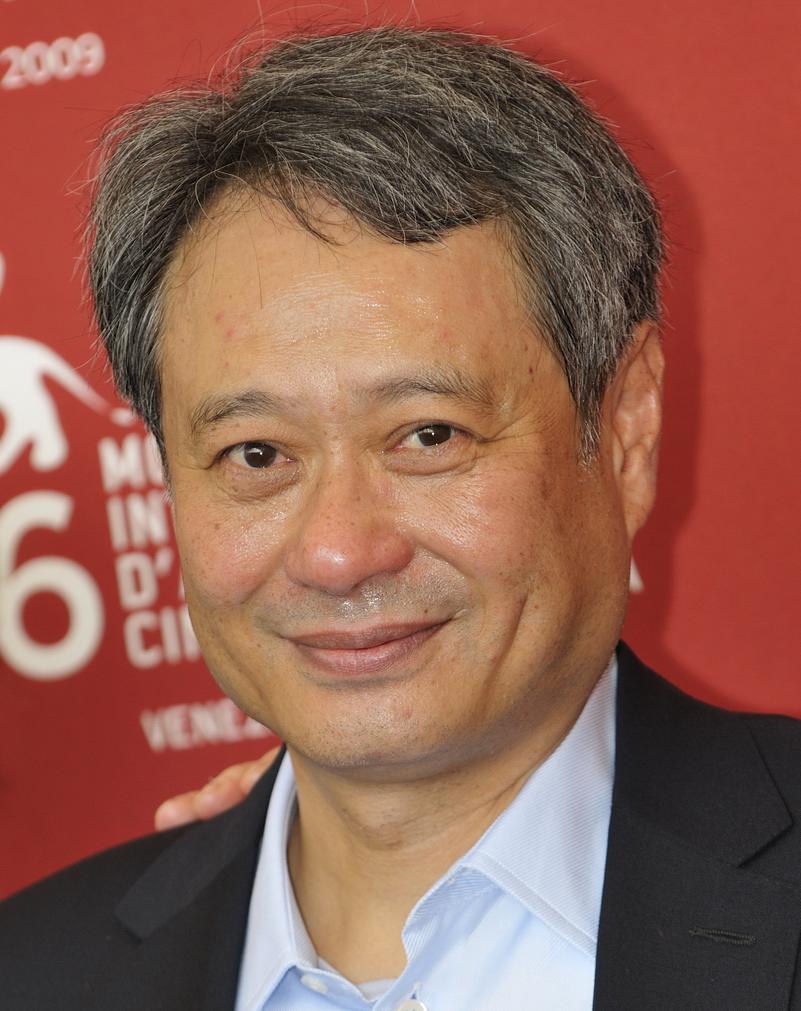
—These aerial choreographies obsess you night and day. How do you concretely craft a gesture that must appear both superhuman and graceful?
With the patience of an ant and a lot of wires, Jane! We suspend the actors on cables that will be erased later, and they must dance while keeping their faces serene, as if flying cost them nothing. It is terribly physical, exhausting, and yet all the work aims to hide the effort. I rehearse each shot dozens of times, you know me, until the emotional truth emerges beneath the feat. A sword stroke must convey a feeling, not just slice the air. I want the Western viewer, who knows nothing of this genre, to forget the technique and feel the melancholy of my warriors. If one sees only the acrobatics, I will have failed. The right gesture is one that weeps without showing the rope.
A sword stroke must convey a feeling, not just slice the air.
—You sometimes tell me about a risky project, a love story between two men in rural America. Aren't you afraid of getting burned, Ang?
Afraid, yes, terribly, Jane — and that is exactly why I must do it. A forbidden love story between two cowboys, in a country that idolizes the virile image of the cowboy, will disturb, I know. But what is a filmmaker worth who only tells what reassures? What I want to show is not provocation, it is the pain of having to hide a part of oneself for a lifetime. That pain, I understand in my flesh: I too long hid my dreams from my father, I too lived the shame of silence. A love that cannot be named remains a love. If my film can make a viewer who thought he was alone weep, then the risk will be worth it, no matter what people say around us.
What is a filmmaker worth who only tells what reassures?
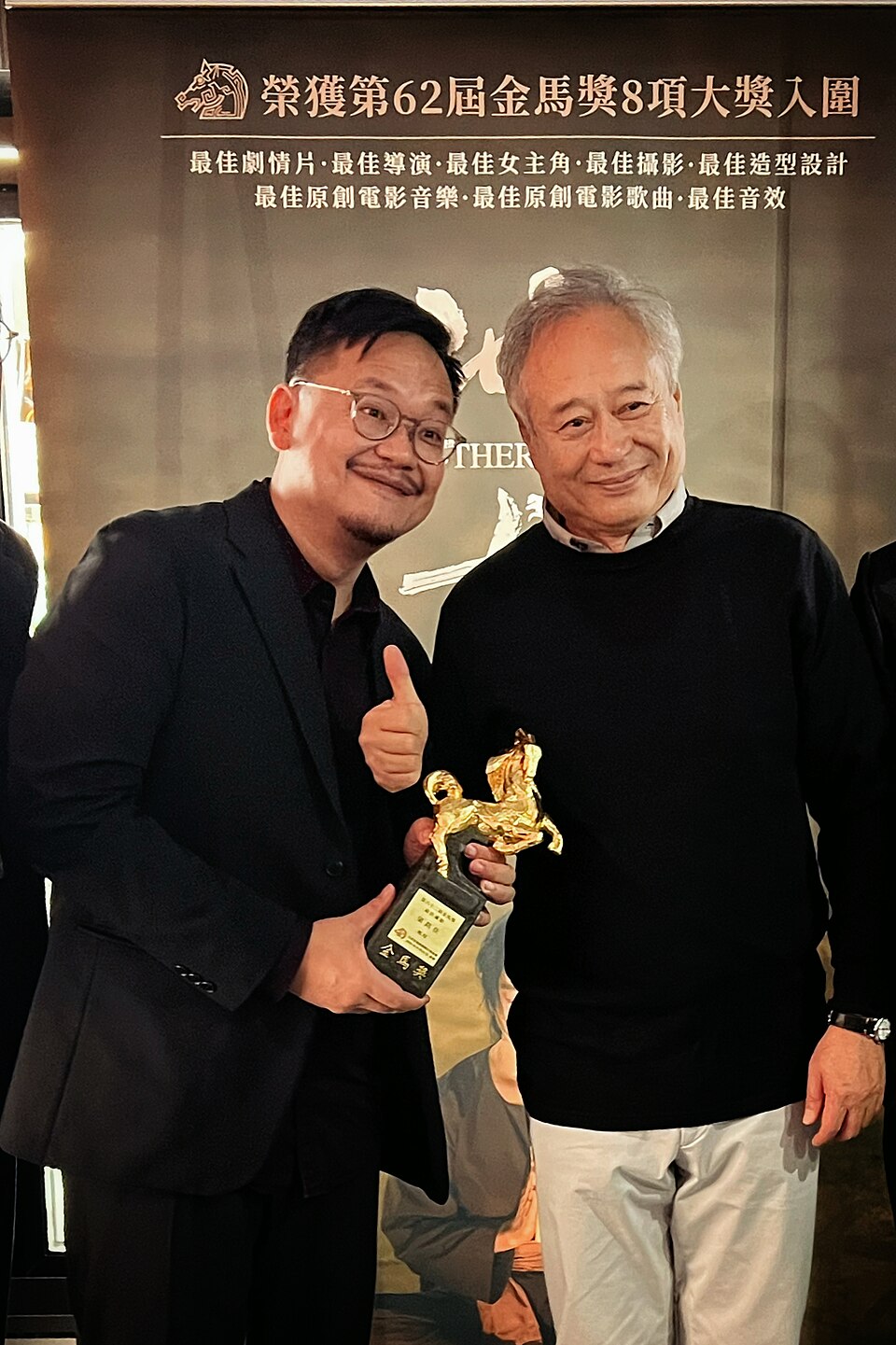
—You who have known the shame of hiding your dreams from your father, what do you hope to say to those who will one day have to hide whom they love?
I would like to tell them, Jane, that they are not monsters and they are not alone. My father wanted a son who was a professor, not a man who plays with cameras; I carried that disagreement like a weight for years. So I think I understand a little those who carry an even heavier secret. Cinema does not change laws, but it can change a gaze, open a breach of compassion in someone who condemned yesterday. I do not do politics, I tell hearts. And if one day, leaving the theater, a father takes the hand of his son he did not understand, then I will have done my job. It is to them, to those who have the courage to love despite everything, that I think while writing.
Cinema does not change laws, but it can change a gaze.
—You told me you wanted one day to film an animal that does not exist, created by computers. Doesn't that betray your faith in the real, Ang?
That is the paradox I seek, Jane, and I fully embrace it. Imagine a young castaway alone on the ocean with a Bengal tiger: I cannot put a child in danger with a real beast. So hundreds of technicians will craft an entirely digital animal, every hair, every muscle, every reflection in the eye. And yet, my film will speak of faith, of God, of spirituality. The coldest machine at the service of the oldest mystery — that is what delights me. Technology, if directed well, can serve the soul instead of replacing it. I want the viewer to forget the tiger is fake and to believe, for an instant, in something greater than themselves. That is my way of continuing to push the boundaries of the possible.
The coldest machine at the service of the oldest mystery — that is what delights me.
—Since our beginnings, you are always running toward the next technique, the new camera. Where does this pioneer hunger that never leaves you come from?
Perhaps from those six years when I had nothing, Jane. When you have waited so long, you no longer want to waste a second repeating what others have already done. Digital camera, 3D, one day perhaps images smoother than the eye has ever seen — all of it attracts me like a child before a new toy. Not technique for technique's sake: every tool must serve an emotion, otherwise it is vanity. But I believe cinema is still a young art, and there remain entire continents to explore in the way of making people feel. You who live in a lab, you know that pleasure of pushing a limit. We do the same job, really: searching for what we could not yet see.
Every tool must serve an emotion, otherwise it is vanity.
This imaginary interview was generated by artificial intelligence from sources documented in Ang Lee's profile. It dramatises what the figure might have said based on what we know about them, but does not constitute attested historical testimony. For primary sources and factual documentation, refer to the full profile.