Kids interview Ang Lee
by Charactorium · Ang Lee (1954 — ?) · Performing Arts · Visual Arts · Culture · 5 min read
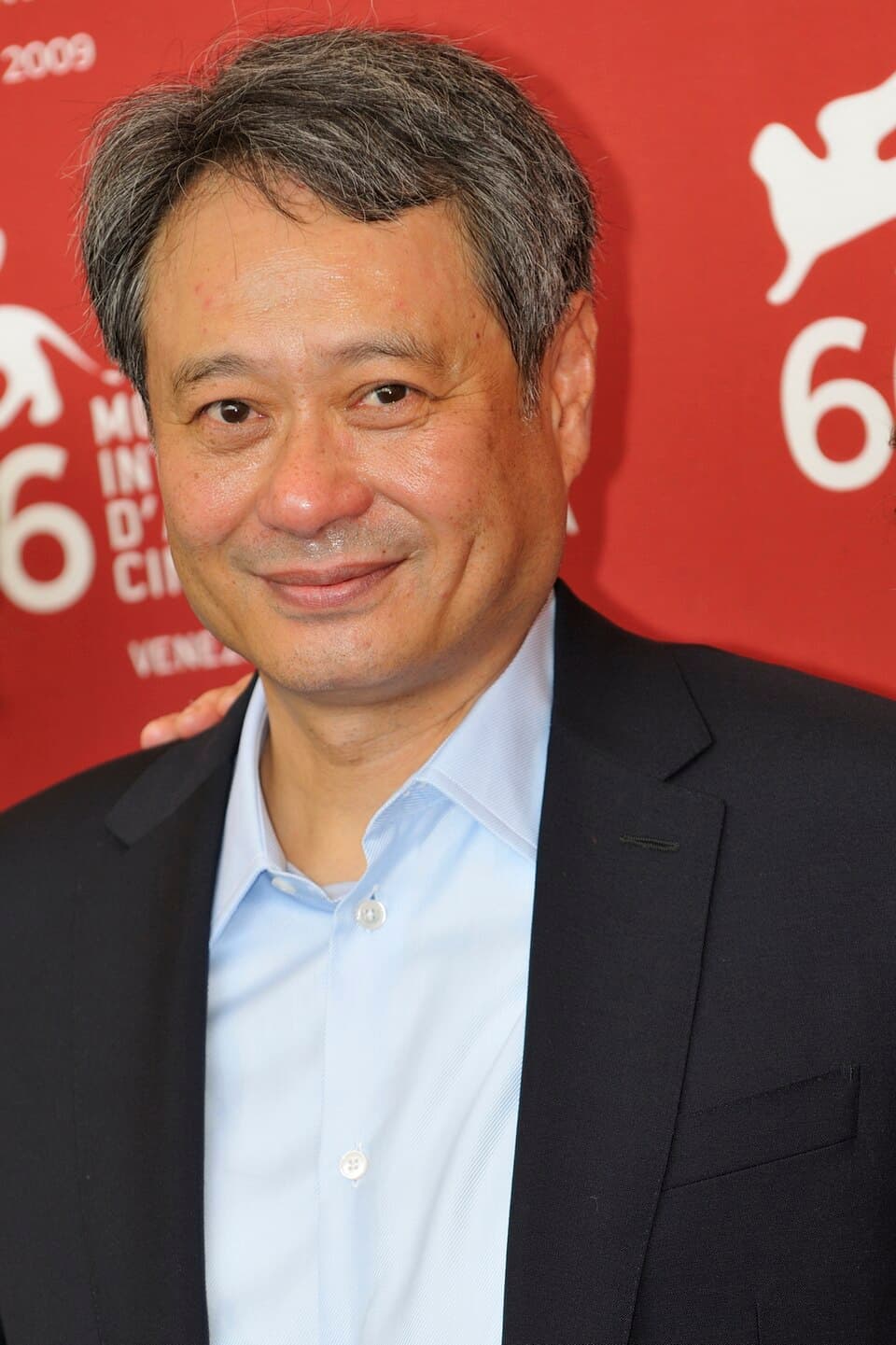
Two 5th-grade students, on a school trip to a film festival, sit across from a director with a gentle smile. He places his hands on the table and waits for their questions, visibly moved that children are interested in him. The lights dim, and he begins to tell his story.
—What was your life like right after film school?
You know, my child, it was very hard. I graduated from New York University in 1984. And then... nothing. Six years without shooting a single film. Imagine preparing a big meal every day, but no one ever comes to sit at the table. That's what it was like. I stayed home, in our New York suburb. I took care of the kids, I cooked, I wrote stories at night. And it was my wife, Jane Lin, a biology researcher, who earned the household income. Six years of waiting, in silence. I often doubted. But I kept writing.
Six years of preparing a meal that no one came to eat.
—Didn't you want to give up and do another job?
Of course I did! Some evenings I felt ashamed. A thirty-year-old man with no salary, while his wife goes to work every morning. In my time, that wasn't very common, you understand. But Jane never told me to stop. Never. She believed in me more than I believed in myself. So I held on. And one day, in 1991, a producer from Taiwan noticed my scripts. Everything changed overnight. If I had given up a week earlier, you wouldn't be sitting in front of me today. Patience is sometimes the greatest talent.
Patience is sometimes the greatest talent.
—Why are there so many meal scenes in your early films?
Ah, you noticed! In my family, in Pingtung, we never said 'I love you.' Never. It was tradition, you see, respect for the father above all. So feelings passed through food. In my film Eat Drink Man Woman, from 1994, an old chef prepares magnificent dishes for his daughters every Sunday. He doesn't know how to talk to them, so he cooks. The chopsticks, the steaming dishes on the table... that's his way of saying everything he dares not speak. I too love Taiwanese cuisine. Even when filming abroad, I always look for an Asian restaurant. It's my link to childhood.
In my family, we didn't say 'I love you,' we cooked.
—Do you feel more Taiwanese or more American?
That's a beautiful question, and I'll tell you a secret: neither one nor the other. I was born in Taiwan, into a family that had fled mainland China. Then I built my life in the United States. So where is my home? For a long time it made me sad. And then I understood that it was my strength. Imagine a bridge: it belongs to neither bank, but it allows passage. I build bridges between worlds. I've shot in China, India, America. I try to find a truth that speaks to everyone, starting from a small, particular story.
A bridge belongs to no shore, but it allows passage.
—Did you miss Taiwan when you were far away?
Enormously. I was born in Pingtung, at the southern tip of the island, in 1954. My family had arrived from the mainland after the war. We lived between two worlds: the old tradition on one side, modernity arriving on the other. When I left to study in America, I carried those images with me. The meals, my father's silences, the smell of the streets of my childhood. You know, when you leave your country, you never truly leave it. It stays inside you. And all my films, even those set in America, speak a little of that longing.
When you leave your country, it stays inside you.
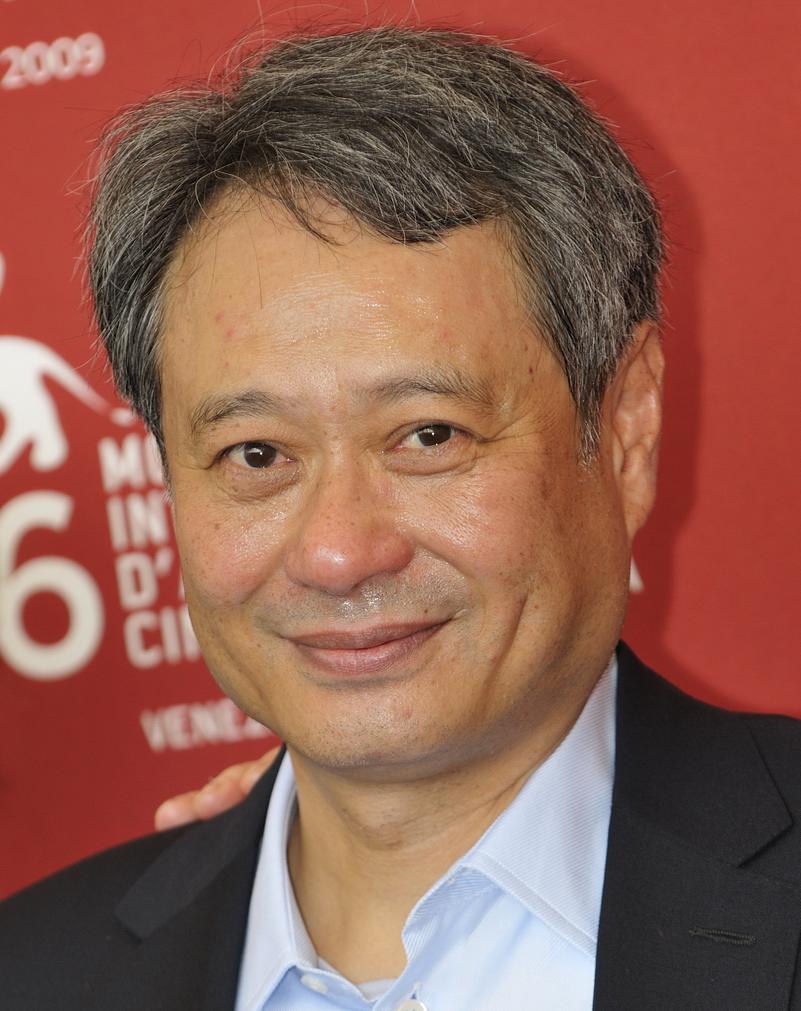
—Was it risky to make a love story between two cowboys?
Yes, my child, very risky. In 2005, I shot Brokeback Mountain, the story of two cowboys who love each other in secret, in the mountains, over many years. At the time, many people thought you couldn't show that in a big film. I was warned. But I thought of all those who had to hide who they were, hide who they loved. That must hurt so much, don't you think? The film sparked debates worldwide. And a year later, in 2006, I received the Oscar for Best Director. I dedicated my award to all those who have the courage to love.
I dedicated my award to all those who have the courage to love.
—Were you afraid of people's reaction before the release?
A little, yes. You never know how the public will react. But you know, I've learned one thing: when a story is true and full of emotion, people receive it. My two actors, Heath Ledger and Jake Gyllenhaal, were very brave to accept those roles at a time when it wasn't easy. I thanked them for that. What matters is not knowing whether a subject is allowed or forbidden. It's telling people's pain and love with honesty. The rest, the audience feels on their own. And they responded, far beyond what I hoped.
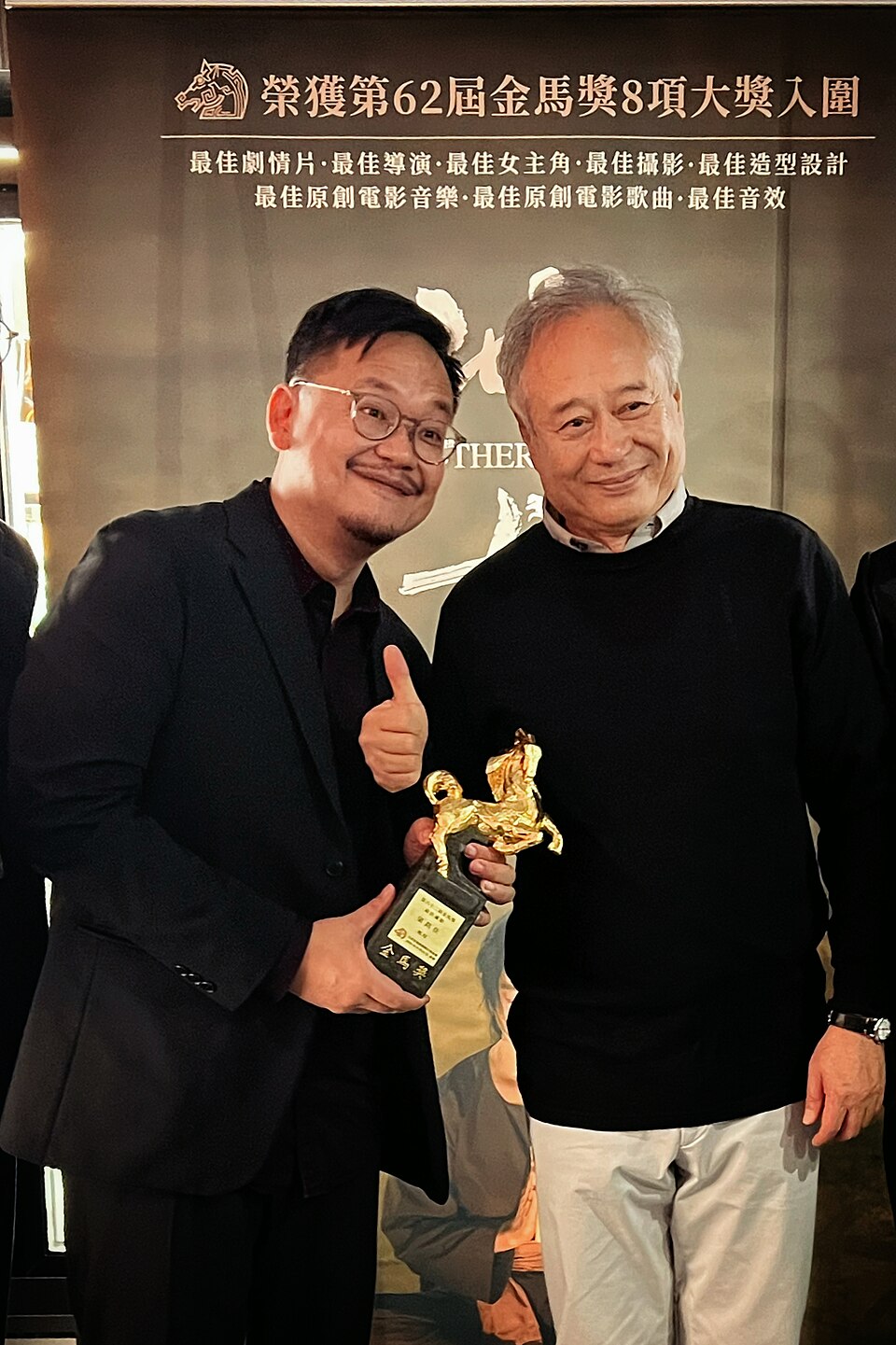
—Is it true that the tiger in Life of Pi wasn't real?
It's true! For Life of Pi, in 2012, we needed a teenager alone in a lifeboat, in the middle of the ocean, with a huge Bengal tiger. Impossible to put a real tiger next to a young actor, imagine the danger! So hundreds of technicians built the tiger using powerful computers. Every hair, every muscle, every reflection in the water: everything was calculated, for months. When you watch the film, you'd swear it's breathing. It's magic made by machines. The film won the Oscar for Best Visual Effects. And for me, my second Oscar for Best Director.
It's magic made by machines.
—Why do you love trying new technologies in cinema so much?
Because it lets me tell things that were impossible before! But be careful, technique is never the goal. Life of Pi is a story of faith, survival, spirituality. And I wanted to tell it with the most modern tools. It's a paradox, I know. Many people believe that machines distance you from the soul. I think the opposite: used well, technology can serve the spirit, not replace it. In 2016, I even shot a film at one hundred and twenty frames per second, instead of the usual twenty-four, so the image would be incredibly sharp. I'm always searching, you see. An artist must never stop searching.
Used well, technology can serve the spirit, not replace it.
—If you could talk to the young man you were, what would you say?
Oh... I would tell him: don't be ashamed of those six years of waiting. They are not wasted. While you thought you were failing, you were learning to watch people, to understand families, silences, hidden emotions. Everything you lived in your little suburban house, you will later put into your films. Nothing is ever wasted, my child. Your wife Jane was right to believe in you. Be patient, be honest, and always tell true stories. Success, Oscars, glory—they may come or not. But that is not the most important thing.
Nothing is ever wasted: even waiting prepares the work.
This imaginary interview was generated by artificial intelligence from sources documented in Ang Lee's profile. It dramatises what the figure might have said based on what we know about them, but does not constitute attested historical testimony. For primary sources and factual documentation, refer to the full profile.