Imaginary dialogue between Michel Fokine and Anna Pavlova
by Charactorium · Anna Pavlova (1881 — 1931) · Literature · 6 min read
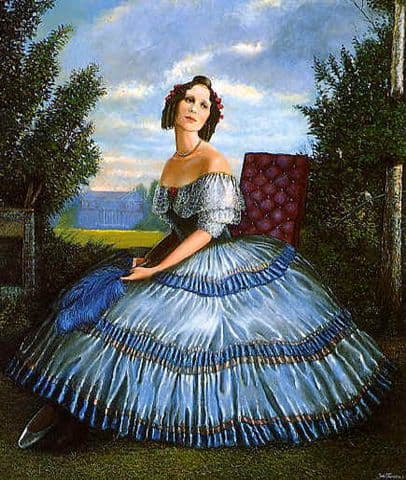
It is by the pond of Ivy House, in Hampstead, that Michel Fokine meets Anna Pavlova on a gray autumn afternoon in 1923. The swans glide on the dark water, and one of them, whom she calls Jack, approaches the bank as if he recognized her. They have known each other since the classes at the Imperial School, since that two-minute solo he once composed for her to Saint-Saëns's music. The choreographer came without a notebook or protocol, only with the desire to understand what had become, in the body of his former interpreter, of the things they had dreamed together in Saint Petersburg.
—Anna, do you remember when I brought you that little solo in 1905? Two minutes, barely. Did you think then that it would follow you like this?
You who brought it to life with your own hands, Misha, how could I have guessed? You showed me those arms that should undulate like the surface of a lake, and at first I thought it was just a line exercise. But from the very first time, something happened: that wounded swan was no longer a figure; it was me refusing to stop living. I danced it on every stage in the world, in sumptuous theaters and makeshift halls, and never twice the same way. People weep, you know, even those who have never seen ballet. The Dying Swan has become my evening prayer. I think the day I can no longer dance it, I will no longer be quite alive.
That wounded swan was no longer a figure; it was me refusing to stop living.
—These swans you raise here, on your pond—do they still nourish your dance? I see you watching them like a painter studies his model.
They teach me every day what no ballet master could teach me, Misha. Look at Jack, there: the carriage of his head, the way he bends his neck without ever breaking the line. None of us attains that grace without effort, while he possesses it by nature. In the morning, even before my barre, I come to watch them on the water. The slowness, the restraint, the sudden quiver when they spread their wings—I carry all of that into my body. The public thinks the swan imitates the dancer; it is the opposite. I spend my life trying to deserve what these birds have known since birth. Ivy House is the only place where I stop long enough to watch them.
The public thinks the swan imitates the dancer; it is the opposite.
—I remember your feet at the School—those high arches, those toes too long. How did you finally tame them?
You are well placed to remember, you who saw me suffer at the barre! My feet were a curse and a gift at once: too arched, my toes too long, so that the weight fell badly on the point and I wobbled where others stood straight. I was accused of cheating, of being unstable. So I took my shoes to my cobbler and asked him to slip a stiff cardboard strip under the box, to distribute the support and sustain the arch. They cried scandal; they said I was relying on a trick. But I wanted to fly, not to fight against my own foot. Today I see young dancers asking for the same reinforced shoes. What is taken for a flaw, through hard work, sometimes becomes a new way of dancing.
I wanted to fly, not to fight against my own foot.
—Even here, far from theaters, you do not give up your morning barre. Where does this discipline that nothing undermines come from?
Because talent without work is only a promise never kept, Misha. You know better than anyone: we learned together that the evening stage is won in the solitude of the morning. Wherever I am—a sleeper car crossing the Andes, a hotel room in Melbourne, or this house by the lake—I begin with an hour, often two, at the barre. Alone, or with my ballet master. It is as vital to me as bread. One day without practice, and the body forgets; two days, and the public senses it. I refuse that shame. People think I am fragile because I am thin; in truth, this fragility is built every morning, beam by beam, like raising a house.
The evening stage is won in the solitude of the morning.
—Let us speak again of Paris, in 1909. We were together for those first Ballets Russes seasons. What did you feel when Europe discovered our ballet?
It was a vertigo, Misha. We arrived from Saint Petersburg with our Sylphides—your Chopiniana—and Paris looked at us as if we came from another world. At the Opéra, the audience held its breath; those jaded spectators, who thought they knew everything about theater, suddenly discovered that a body could say what no words say. Diaghilev had staked everything on that season, and we felt that something was tipping for ballet as a whole. I once told a journalist from Le Figaro that the art of ballet should be universal, that it should speak to every child in the world. Paris convinced me it was possible. But very soon I wanted more: not to dazzle capitals, but to bring this beauty where it was not expected.
A body could say what no words say.
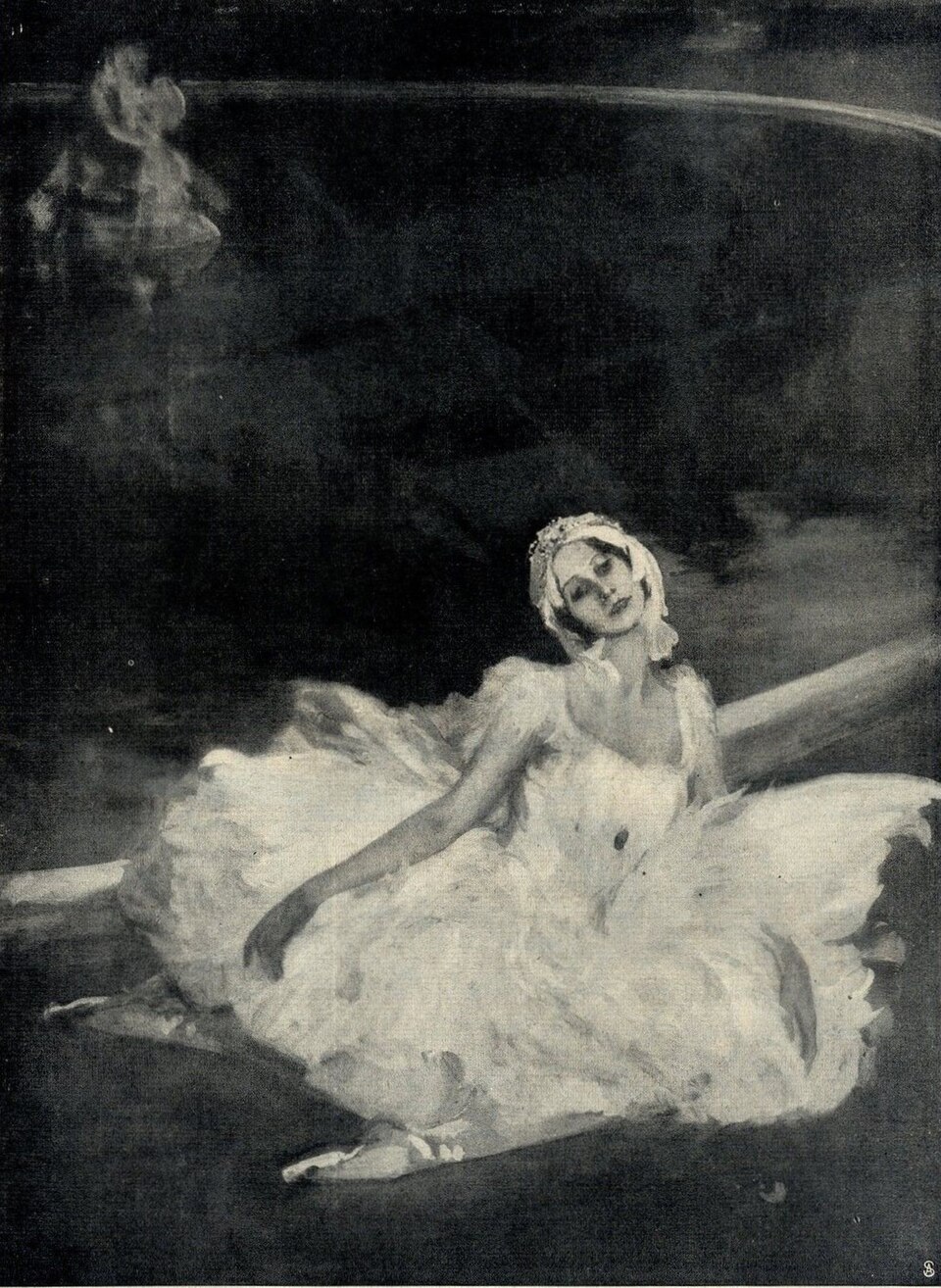
—You left Diaghilev's company almost immediately. We talked about it at the time—why that choice that so surprised the ballet world?
Because Diaghilev's house, however brilliant, was not mine. You saw as I did where he was heading: Stravinsky's music, avant-garde sets, sought-after scandal. A magnificent art, I do not deny it—but an art of the capital, made to surprise the initiated. Yet I dreamed of something else. I wanted my own repertoire, my own tours, the freedom to dance Giselle one evening and a two-minute solo the next, before whoever would care to see me. Diaghilev offered Parisian glory; I sought the whole world. We parted without bitterness, each faithful to his truth. I believe history will remember his audacities—but I preferred to build my own path, even if I had to travel it alone for twenty years.
Diaghilev offered Parisian glory; I sought the whole world.
—Speaking of that path: six continents, twenty years of almost endless touring. What drives you never to stop like this?
The idea, quite simple, that everywhere there are children who have never seen dancing. Misha, I have trodden stages in India, Australia, South America, in cities where the very word ballet did not exist. I have seen entire halls discover, in silence, that a human body could rise like a flame. That is my true work—not a role, but this seed cast to the four corners of the earth. I was told that a little girl in Lima decided, upon seeing me dance one evening, to devote her life to dance. That story is worth all the triumphs of the great capitals. The sumptuous theaters applauded me; but it is in the distant provinces that I believe I truly served my art.
Everywhere there are children who have never seen dancing.
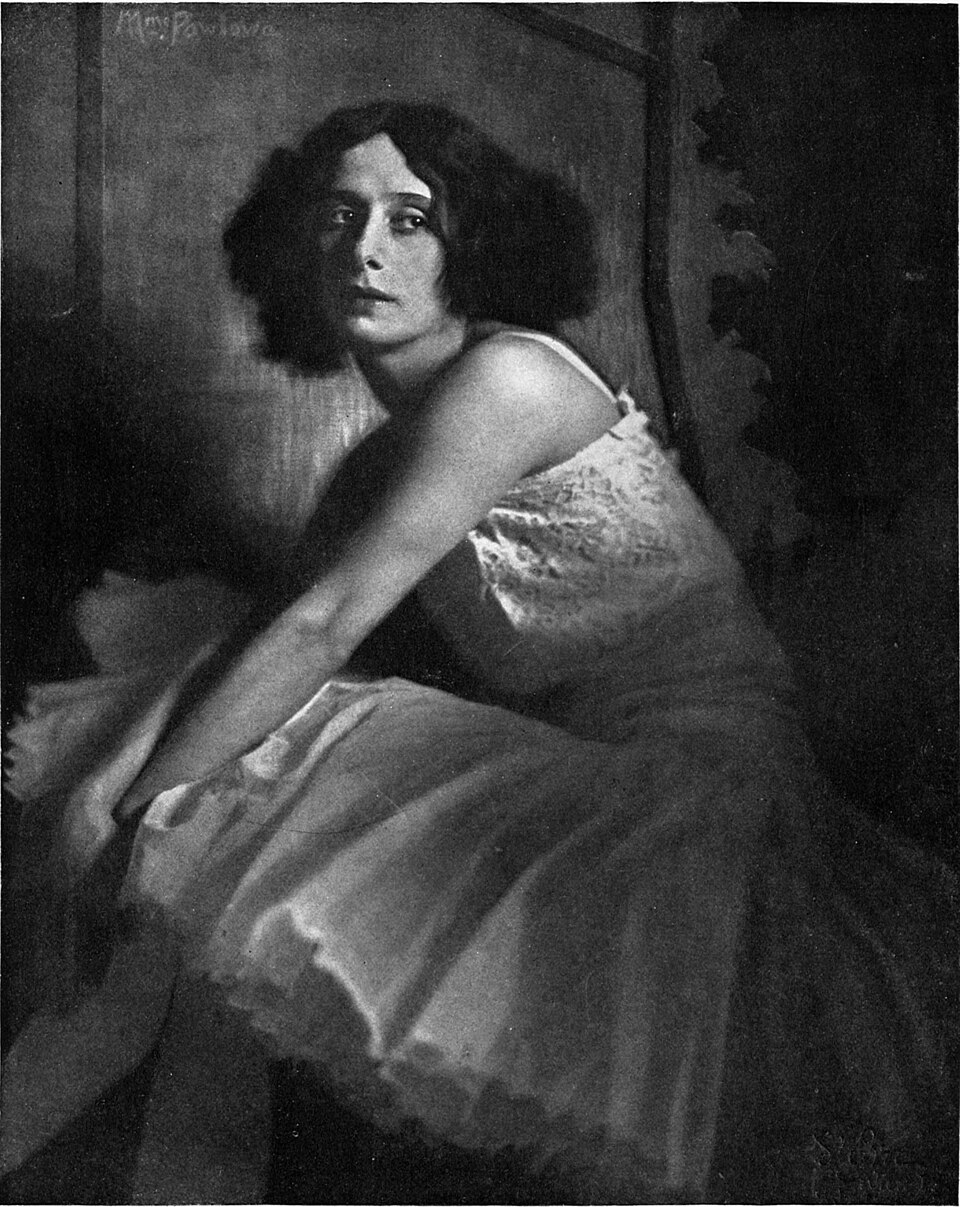
—These endless tours, in trunks and sleeper cars—how does your body endure a life that few robust men would withstand?
Badly, if I am to be frank! But one does not ask a flame if it is tired of burning. We live for months on trains, our costumes and scores packed in large leather-bound trunks, setting up a theater at night to dismantle it at dawn. I eat little—broths, some vegetables, a fruit—to keep my lightness. I sleep when I can. My impresario sometimes begs me to slow down, and I always give him the same answer: to stop dancing would be to stop living. The body protests, so be it; but the soul knows no fatigue. Each new city is another swan to bring to life. As long as my legs carry me to the stage, I will continue.
To stop dancing would be to stop living.
—We both grew up at the Mariinsky, under imperial gold. Since 1913, you have not returned. What remains of that Russia in you?
Everything, Misha. Everything and nothing at once. When I left Saint Petersburg in 1913, I thought I was leaving for a season, two at most. Then came the war, then the turmoil of 1917, and the Russia we had known—the Imperial School, rehearsals under Petipa's eye, the smell of rosin in the wings of the Mariinsky—that Russia no longer exists. I carry within me a homeland that has disappeared. Ivy House, my swans, this gentle English lake: nothing replaces the winter light on the Neva. I dance everywhere, I have a home everywhere and nowhere. You who knew those walls with me, you understand what no foreigner would understand: one can conquer the world and remain, at heart, an exile.
One can conquer the world and remain, at heart, an exile.
—And if tomorrow Russia called you back, Anna—would you return to dance one last time on the stage of our beginnings?
Ah, the question I dare not ask myself... My heart would say yes before my reason even spoke. To dance once more on that stage where I was prima ballerina, to feel under my pointe shoes the floor that saw me born to art—what joy, and what pain. But the Russia that would call me back would no longer be mine. The theaters may still stand, but the soul that inhabited them has flown away with so many of us, scattered like me to the four winds. So I dance around the world what I can no longer dance at home. Each Dying Swan is a little return, a repeated farewell to a country that no longer awaits me. Perhaps that, after all, is my true role: to be everywhere the ambassador of a Russia that exists only in our memories.
Each Dying Swan is a repeated farewell to a country that no longer awaits me.
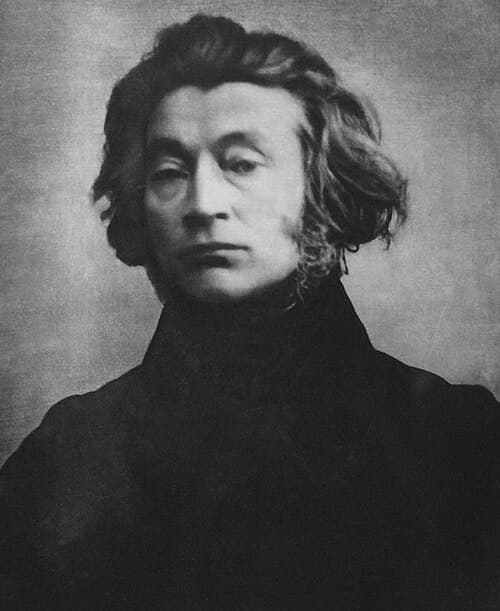
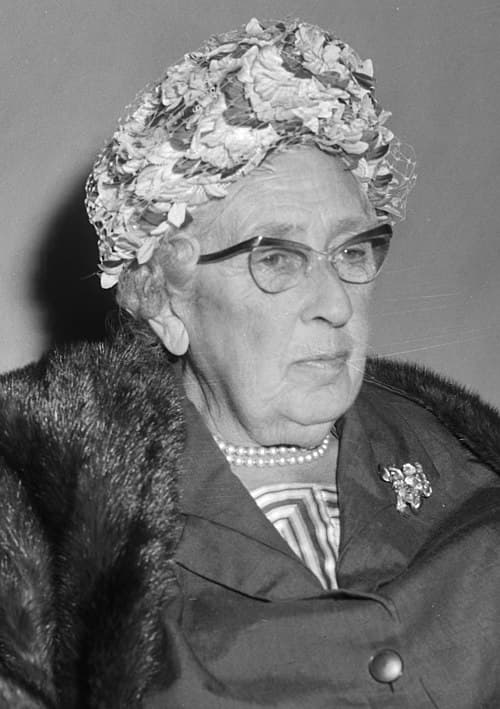
This imaginary interview was generated by artificial intelligence from sources documented in Anna Pavlova's profile. It dramatises what the figure might have said based on what we know about them, but does not constitute attested historical testimony. For primary sources and factual documentation, refer to the full profile.