Kids interview Anna Pavlova
by Charactorium · Anna Pavlova (1881 — 1931) · Literature · 4 min read
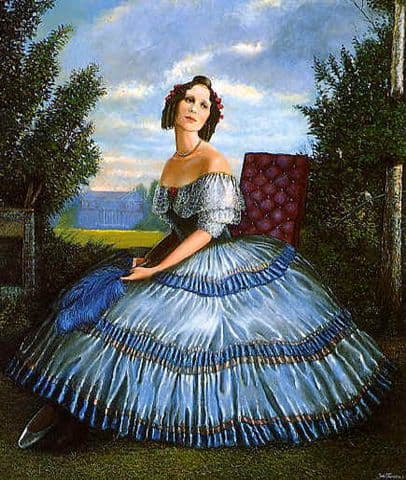
That morning, two young visitors of twelve pushed open the door of a rehearsal studio. An upright piano waited in a corner, a pair of white ballet shoes dried on a windowsill. Anna Pavlova greeted them, still out of breath from a barre exercise, and sat down near them to answer their questions.
—How old were you when you decided to dance your whole life?
You know, my child, I was very small. At eight years old, I was taken to see a ballet, and something lit up inside me. After that, nothing else mattered. I once wrote that from that age, dance became my entire life. I gave everything to it: comfort, money, rest. Imagine finding, very young, the one thing in the world that makes you truly alive. You never let it go. That's what happened to me. At ten years old, I was already entering the Imperial Ballet School in St. Petersburg to learn, every day, for years.
Since I was eight, dance has been my entire life.
—Is it true you had weird feet for dancing?
Yes, and it made me laugh a little bitterly! I had very high arches and very long toes. To dance en pointe — that is, on the very tips of the toes, like balancing on a postage stamp — my shoes wouldn't hold. So I asked my shoemaker to slip a piece of stiff cardboard into the toe to reinforce it. Imagine a little shield hidden inside the shoe. Everyone criticized me, they thought it was cheating. But after me, all dancers' shoes changed. Sometimes, a small flaw becomes an invention.
Sometimes, a small flaw becomes an invention.
—What is your most famous dance?
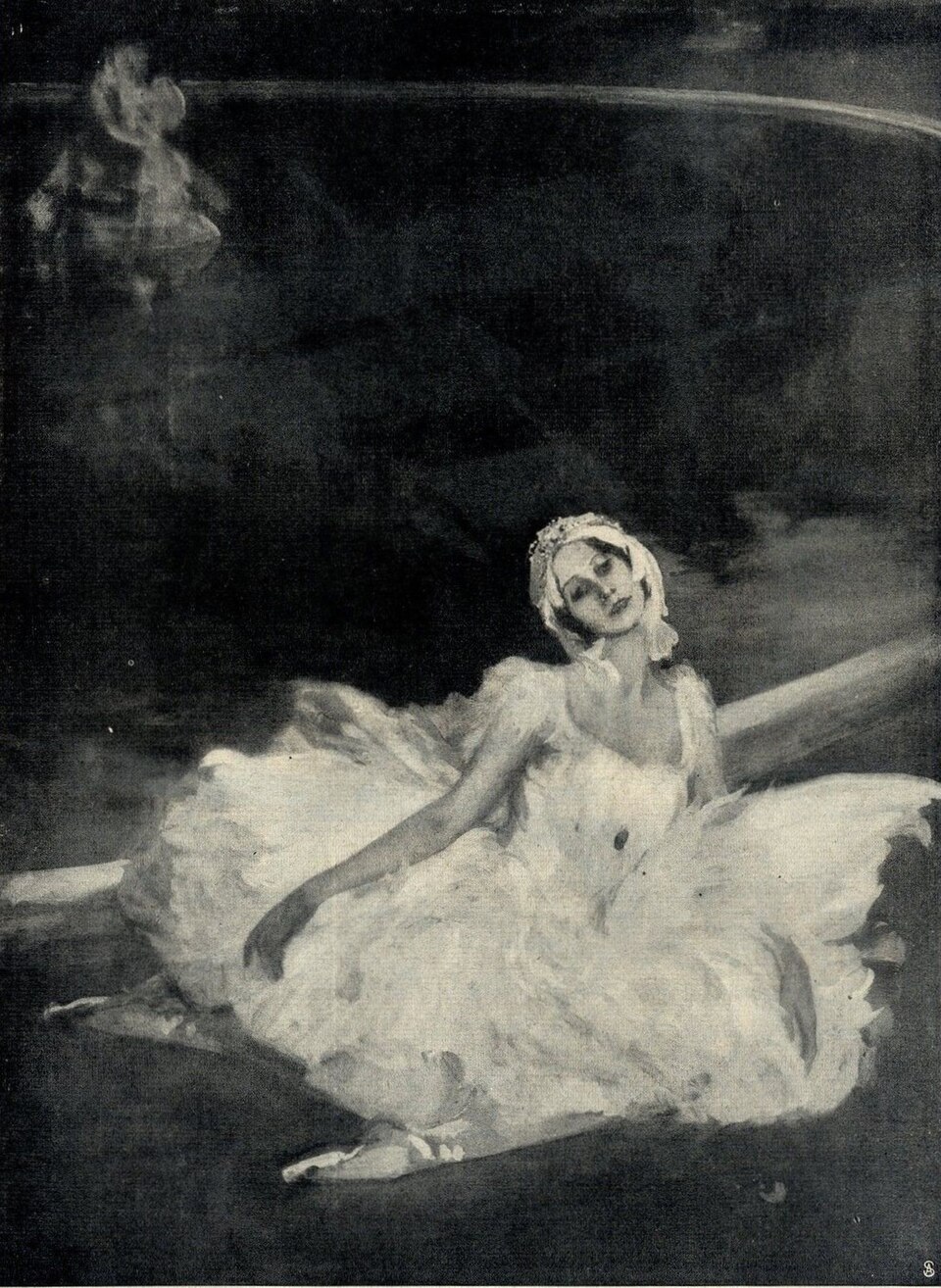
A tiny solo, my child: The Dying Swan. Two minutes, no more! Choreographer Michel Fokine created it for me in 1905, to a soft piece by Saint-Saëns. I played a wounded swan that struggles, trembles, then gently fades. I wore a white tulle tunic and a feathered headdress. Do you know how many times I danced it? Thousands! On every stage in the world. People left the theater moved, as if they had seen something sacred. In two minutes, you can make an entire audience cry.
In two minutes, you can make an entire audience cry.
—Why did you love swans so much?
Ah, that's my whole life! I danced the swan a thousand times, and I ended up raising real ones. At my house in London, there was a pond, and swans swam there. I had a favorite; I called him Jack. I spent hours watching them glide on the water. You see, a swan never moves abruptly: its neck draws slow curves, its bearing is full of nobility. I learned from them. I copied their grace and put it into my dance. The best masters are not always human.
The best masters are not always human.
—What were your travels with your company like?
Oh, it was exhausting and wonderful at the same time! With my own company, I traveled for nearly twenty years, across six continents. Imagine entire months living in train sleeper cars, sleeping while rolling from one city to another. We carried everything in huge wooden trunks bound with leather: costumes, scores, shoes. We arrived in cities where no one had ever seen a ballet! In India, Australia, Latin America, people discovered this dance for the first time. We danced, then packed up, and the train left again into the night.
—What was the point of dancing in such faraway countries?
To plant seeds, my child. When you dance before a child who has never seen ballet, you don't know what will grow in their heart. In Australia, my 1925 tour inspired an entire generation of little girls to dance. They even say that in Lima, a little girl saw me onstage and decided, that very evening, to become a dancer. I always said that the art of ballet must be universal, that every child in the world should be able to understand what beauty is. That was my true mission: to spark vocations everywhere.
The art of ballet must be universal.
—What was your house in London like?
It was called Ivy House, in Hampstead, and it was my only real home. A villa with a garden, a pond, my swans swimming on it. I had a studio installed to rehearse at home. Imagine a house half-English, half-Russian, filled with objects brought back from around the world. You know, I lived almost always on tour, in hotels and trains. So when I returned to Ivy House, even for a few days, I could finally breathe. I walked around the pond, I looked at the water. It was the only place on earth where I set down my trunks for good.
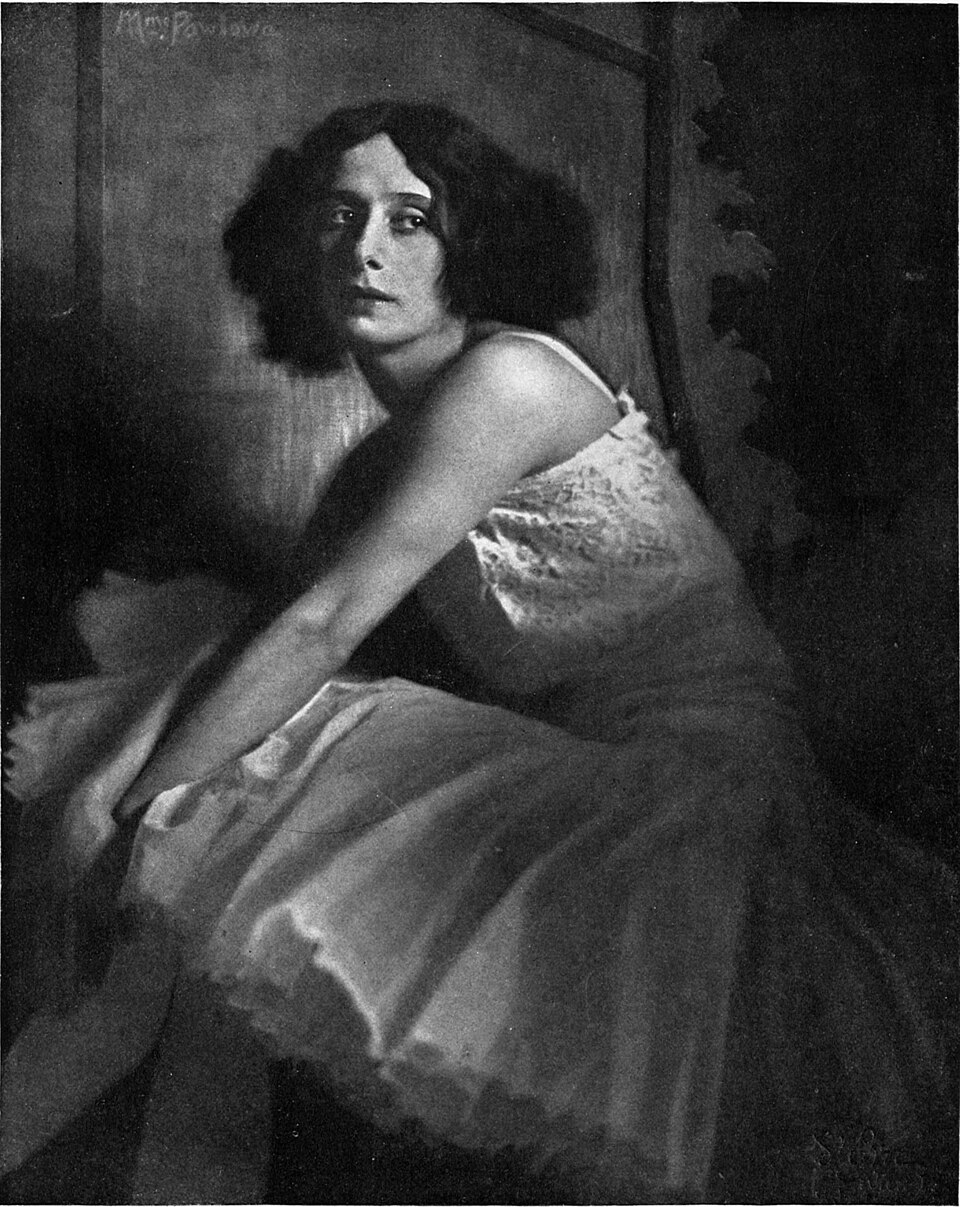
—Were you sad to have left Russia?
Deeply, my child. I left Russia in 1913, never imagining I would never see it again. Then the 1917 Revolution swept everything away: the country of my childhood disappeared, and returning became impossible. I was born in St. Petersburg into a modest family, I grew up at the Imperial School... and all of that was lost. Imagine you go on a trip and they erase, behind you, the house where you were born. You can dance on every stage in the world and still carry a lost country in your heart.
You can dance on every stage in the world and still carry a lost country in your heart.
—What did a normal day look like for you?
It started early, very early! One to two hours of work at the barre, alone or with my ballet master. That's the wooden bar along the wall you hold onto to warm up your legs. I never skipped it, even tired, even on tour. In the afternoon, I rehearsed with my company, correcting every position. In the evening, there was the performance. And I ate very little: broths, vegetables, a bit of chicken, to stay light onstage. A dancer, you see, is like a musician: if you stop practicing for a day, it shows the next.
—Did you never want to rest and stop?
Never really, no. I once wrote to my husband, Victor Dandré, that I could not stop dancing: 'If I stop, I will cease to live.' It wasn't a pretty phrase; it was the truth. Even very ill, at the end, I refused to slow down my tours. They say that a few hours before dying in The Hague, in 1931, I asked for my swan costume to be prepared. You see, dancing was not my job. It was my breathing. You don't ask someone to stop breathing.
If I stop, I will cease to live.
This imaginary interview was generated by artificial intelligence from sources documented in Anna Pavlova's profile. It dramatises what the figure might have said based on what we know about them, but does not constitute attested historical testimony. For primary sources and factual documentation, refer to the full profile.