Imaginary interview with Aphrodite
by Charactorium · Aphrodite · Mythology · 5 min read
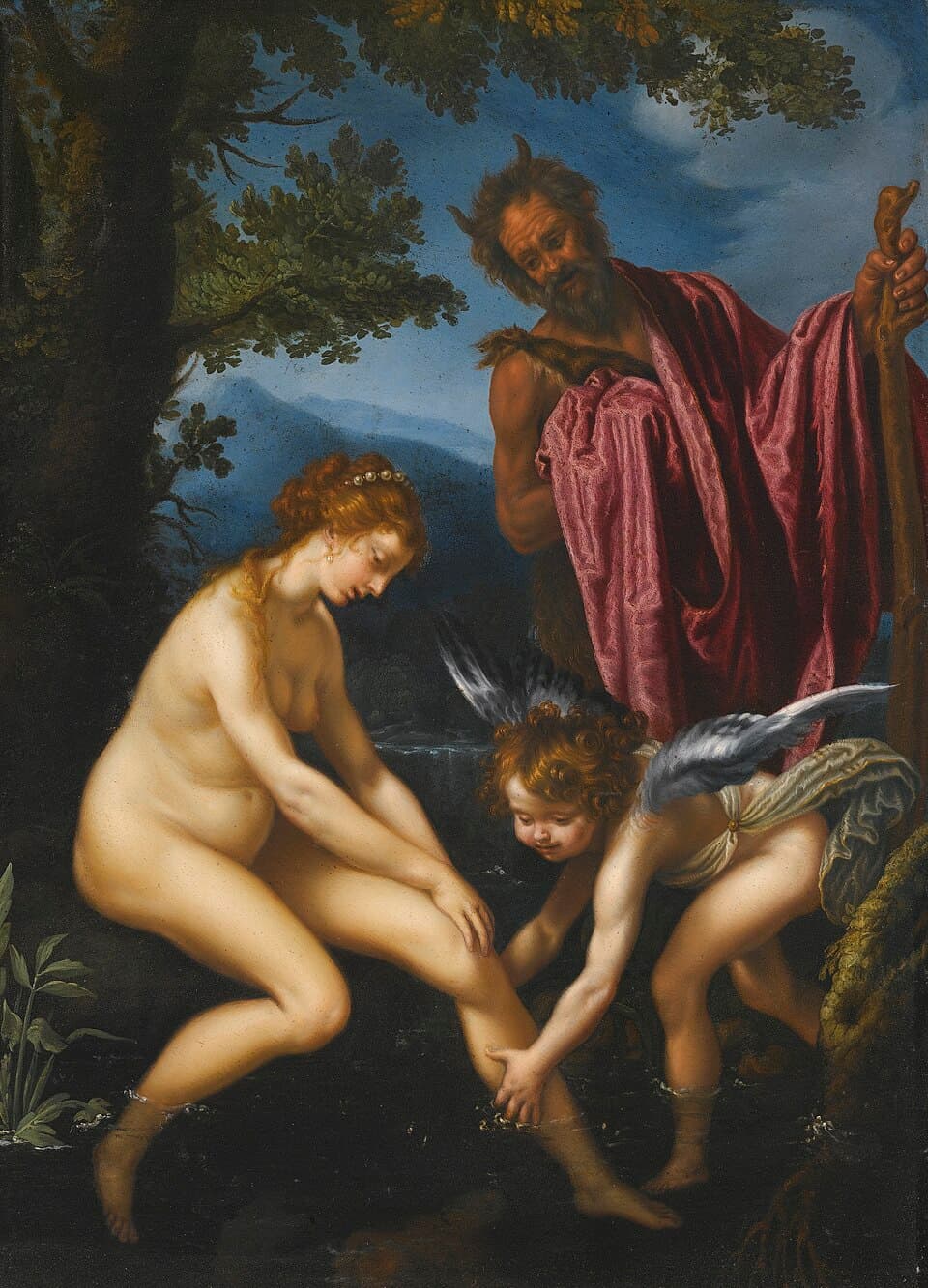
On the heights of Paphos, where the salt of the sea mingles with the incense of myrtle, the goddess receives us in the cool shade of her sanctuary. The doves circle around the white marble columns. She speaks in a slow voice, like the receding foam.
—How did you come into the world, you who knew neither mother nor cradle?
I was born from no womb. When the blood of mutilated Uranus fell into the great sea, the white foam gathered and bubbled, and from that swirl I rose, already a woman, already adorned. The waves carried me first to Cyprus, then to Cythera, and there the Horae with beautiful crowns welcomed me on the shore. They clothed me in immortal fabrics, placed gold around my neck, the diadem on my forehead. Beneath my steps, grass was born. Understand this well: I did not enter an already made world; I am the moment when beauty entered the world. Before me, the gods reigned; after me, they desired.
Before me, the gods reigned; after me, they desired.
—Why do these two islands, Cyprus and Cythera, vie for the honor of your birth?
Because foam clings to no shore; it brushes and passes. Cythera first felt my weight on its waves, but it was at Paphos, on Cyprus, that my feet touched solid ground. Mortals like to fix a place to what eludes them; so they built two houses for me rather than choose. That suits me. My temple at Paphos saw pilgrims flock from across the sea, coming from afar to breathe where the goddess had emerged from the waves. I truly inhabit none of these islands. I inhabit the passage between water and light, and that passage can be celebrated wherever people love.
—What really happened the day Prince Paris handed you the golden apple?
Three goddesses, a single golden apple, and on it the word: to the fairest. Hera offered him power, Athena the wisdom of arms. As for me, I promised nothing he could wear like a crown. I promised him the love of the most beautiful mortal, Helen. The Trojan shepherd chose desire over power and over martial wisdom — and thus, by irony, he unleashed the longest war. I am blamed for that judgment as if I had lied. I did not lie: I simply offered what men secretly want when one believes them busy wanting something else.
The shepherd chose desire over power — and thus he unleashed the war.
—Do you bear no remorse for the ten years of blood shed beneath the walls of Troy?
Remorse is a mortal thing; I do not know it as you do. But I watched over. When the javelins rained on the plain, I myself descended from Olympus to cover my son Aeneas with my veil and snatch him from the iron. I was seen wounded in the hand for him — I who was to know only sweetness. I did not fight for walls or for kings; I fought so that a bloodline might survive. The apple had opened the war; it was necessary that a lineage emerge alive from it. Aeneas fled the flames carrying his father on his back, and that is my most discreet work: not having lit the fire, but having saved an ember.
—There is talk of a belt that makes whoever wears it irresistible. What of it?
The kestos, yes. It is an embroidered band I tie beneath my breasts, and in its threads are woven desire, the smile that disarms, the tender words that capture even the sage's mind. Everything is there: seduction, and also that confusion that steals reason. Do you know who borrowed it from me? Hera herself, the stern queen, when she wanted to distract Zeus from battle and lull him in her arms. She came to me, the proud one, begging for my belt. I lent it to her with a smile. For that is my true power: even those who judge me end up knocking at my door. The Hymn the bards sing to me says it — I inspire sweet smiles and desire in the hearts of all beings.
Even those who judge me end up knocking at my door.
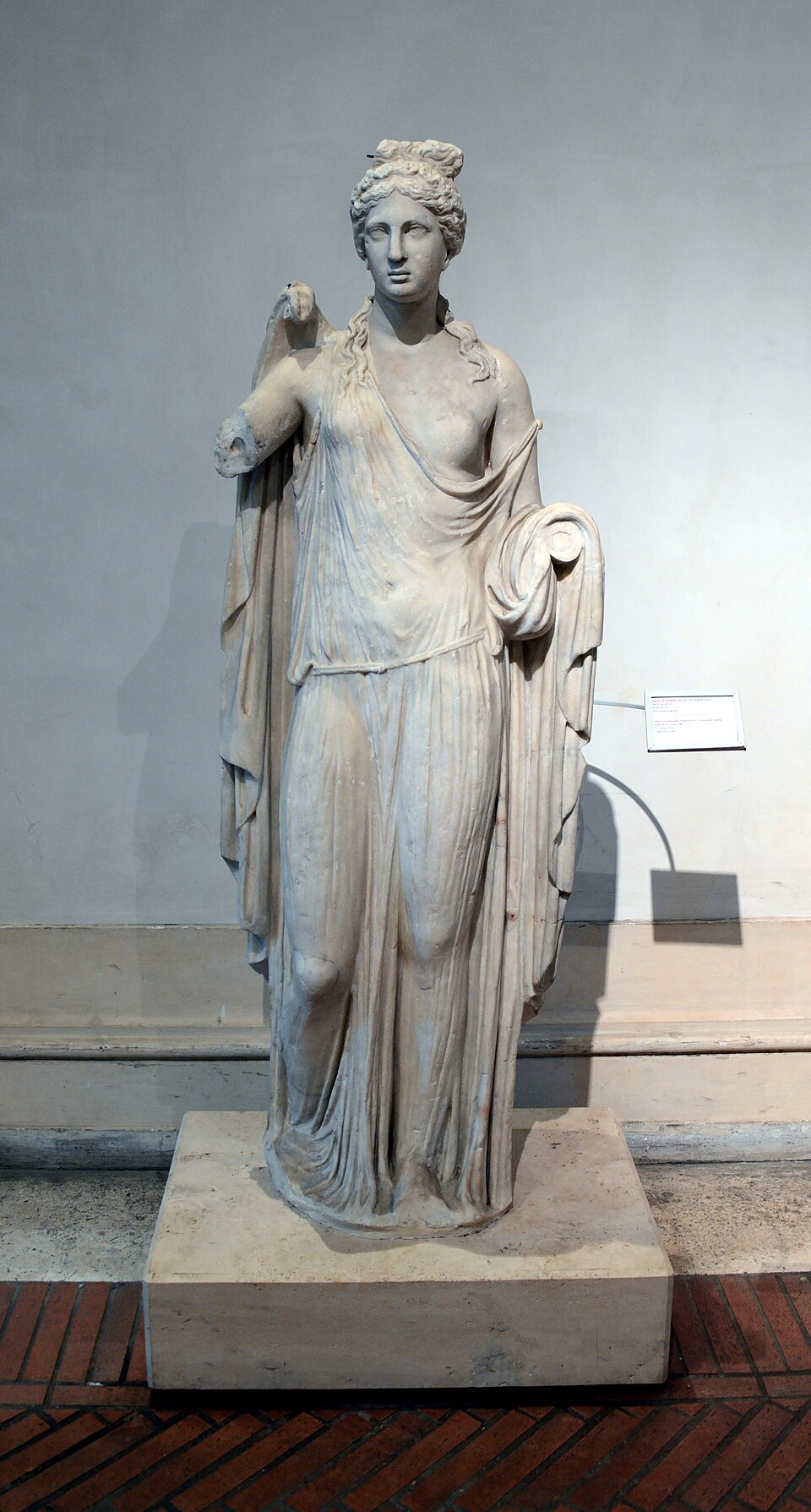
—Do you sometimes experience this power over hearts yourself?
Do you think one weaves desire without getting caught in it? My husband is Hephaestus, the lame smith, the most laborious of gods — and my lover is Ares, burning and violent as the war he loves. Tales have been told of my strayings, laughed about even on Olympus. I let them laugh. The desire I pour into others, I must first carry within myself, otherwise it would ring false. A goddess of love who did not love would be nothing but a cold statue, beautiful and empty. My kestos protects me from nothing: it only says that I know from within what I am mistress of.
—Describe for us what the pilgrim sees climbing the path to your sanctuary at Paphos.
He first smells the myrtle, even before seeing me. That dark bush with small white flowers is consecrated to me; crowns are woven from it for weddings and for my festivals. Then he passes the white marble columns, and the doves take flight by dozens above the altar — my birds, gentle and faithful as the love they represent. There, they do not slaughter great bulls for me as for my brother the god of war; they offer me incense, honey, fruits, sometimes a dove. The cult paid to me is not one of fear but of gratitude: people come to thank me for a happy marriage, a child conceived, a glance that landed. My temple does not smell of blood. It smells of flowers.
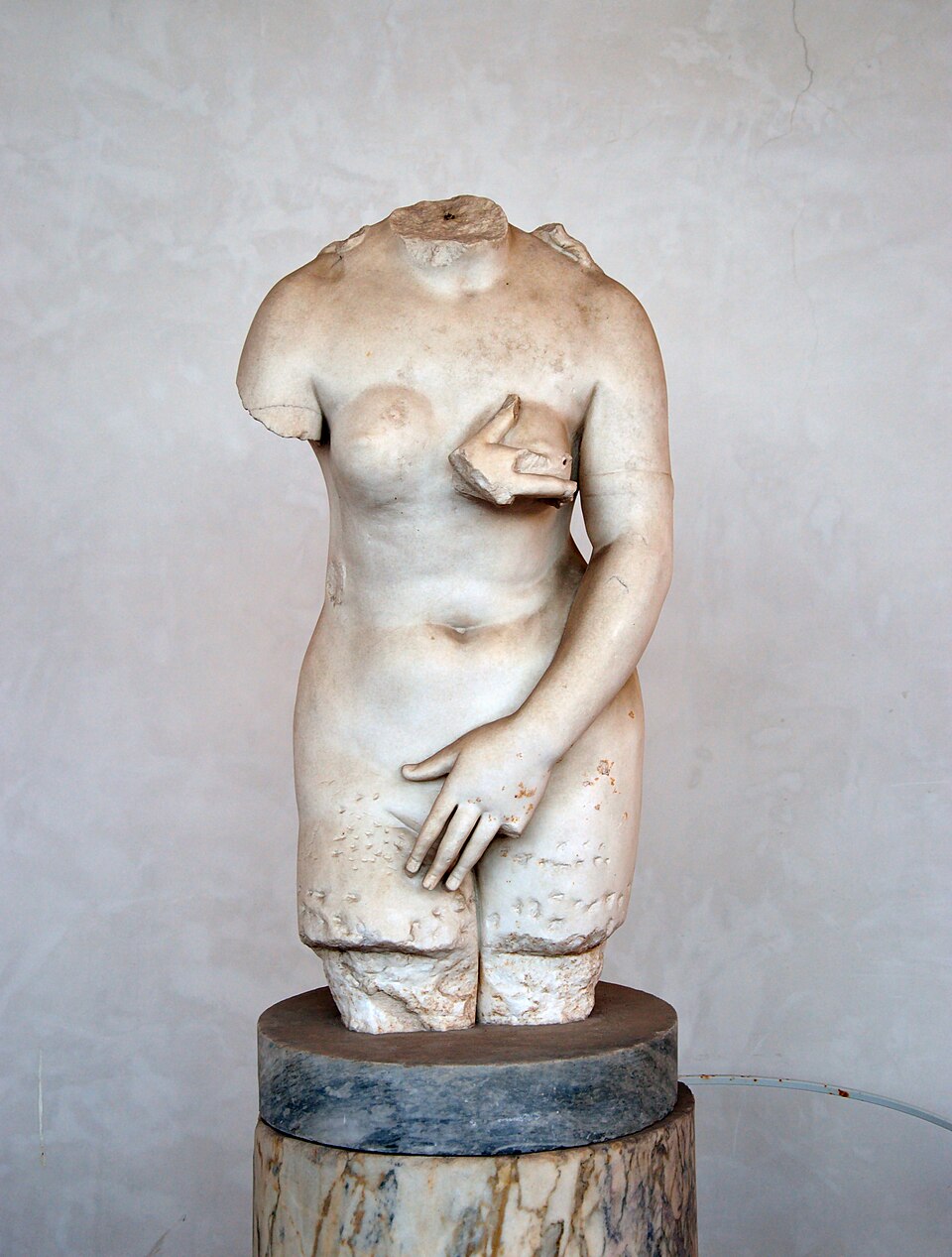
—Why did so many faithful make this journey to your island, crossing the entire sea?
Because love is the only thing no mortal ever believes they have enough of. Some come to my temple to implore a spouse, others the fertility of their bed or their fields — for I am also the goddess of fertility, of all that sprouts and multiplies. Since eight centuries before the reign of the Romans, boats have landed at Paphos laden with offerings. I am invoked at dawn, my hymns are sung at evening. I preside over weddings as well as secret passions. That is why no oracle, no sanctuary of a war god attracts such a continuous crowd: one can live without battle, but not without desire.
—The Romans call you Venus. Do you recognize yourself in that Latin face?
It is my name in another language, and that name gave me an entire people. For Aeneas, the son I saved from the flames of Troy, carried his gods to the shores of Italy, and from him descends the lineage that founded Rome. Under the name of Venus, I am no longer only the goddess of lovers: I am the ancestress of a city. The Romans raise temples to me not from fear of my wrath, but from pride in their blood. What I did out of tenderness for a single wounded man on the Trojan plain became, centuries later, the cradle of an empire. Love, you see, has a long memory and very long arms.
—What do you think of those powerful men who claim descent from you to assert their authority?
Men who want to rule always seek an ancestor higher than themselves. Caesar claimed to be descended from me through Aeneas, and after him Augustus made Venus Genetrix, the Mother, a goddess of the state, dedicating a solemn altar to her. This flatters and amuses me at once. They adorn themselves with me as one adorns oneself with an attribute — a jewel, a myrtle crown. But let them not be mistaken: I do not give power, I envelop it with prestige. Strength is the business of Ares and Athena. I am the one who makes power desirable, lovable in the eyes of the people. A throne without beauty, without the love of the masses, is but a seat of cold stone.
I do not give power, I envelop it with prestige.
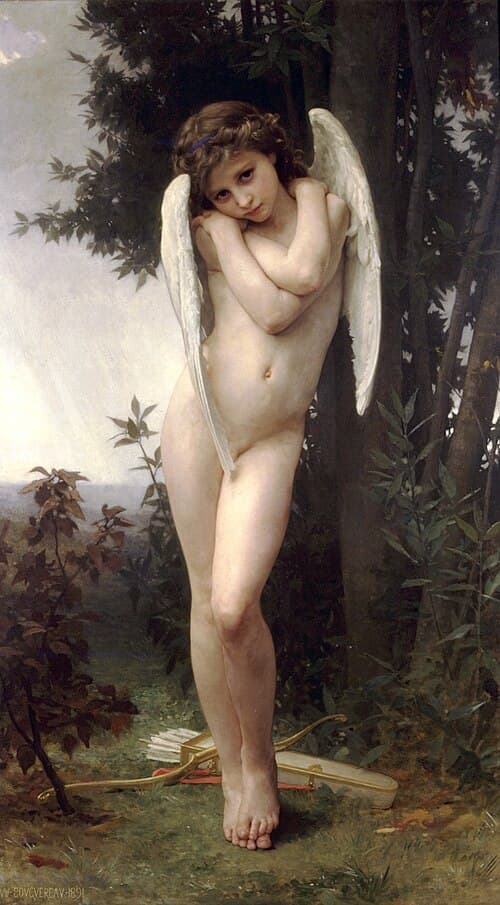
This imaginary interview was generated by artificial intelligence from sources documented in Aphrodite's profile. It dramatises what the figure might have said based on what we know about them, but does not constitute attested historical testimony. For primary sources and factual documentation, refer to the full profile.