Imaginary dialogue between Arès and Aphrodite
by Charactorium · Aphrodite · Mythology · 5 min read
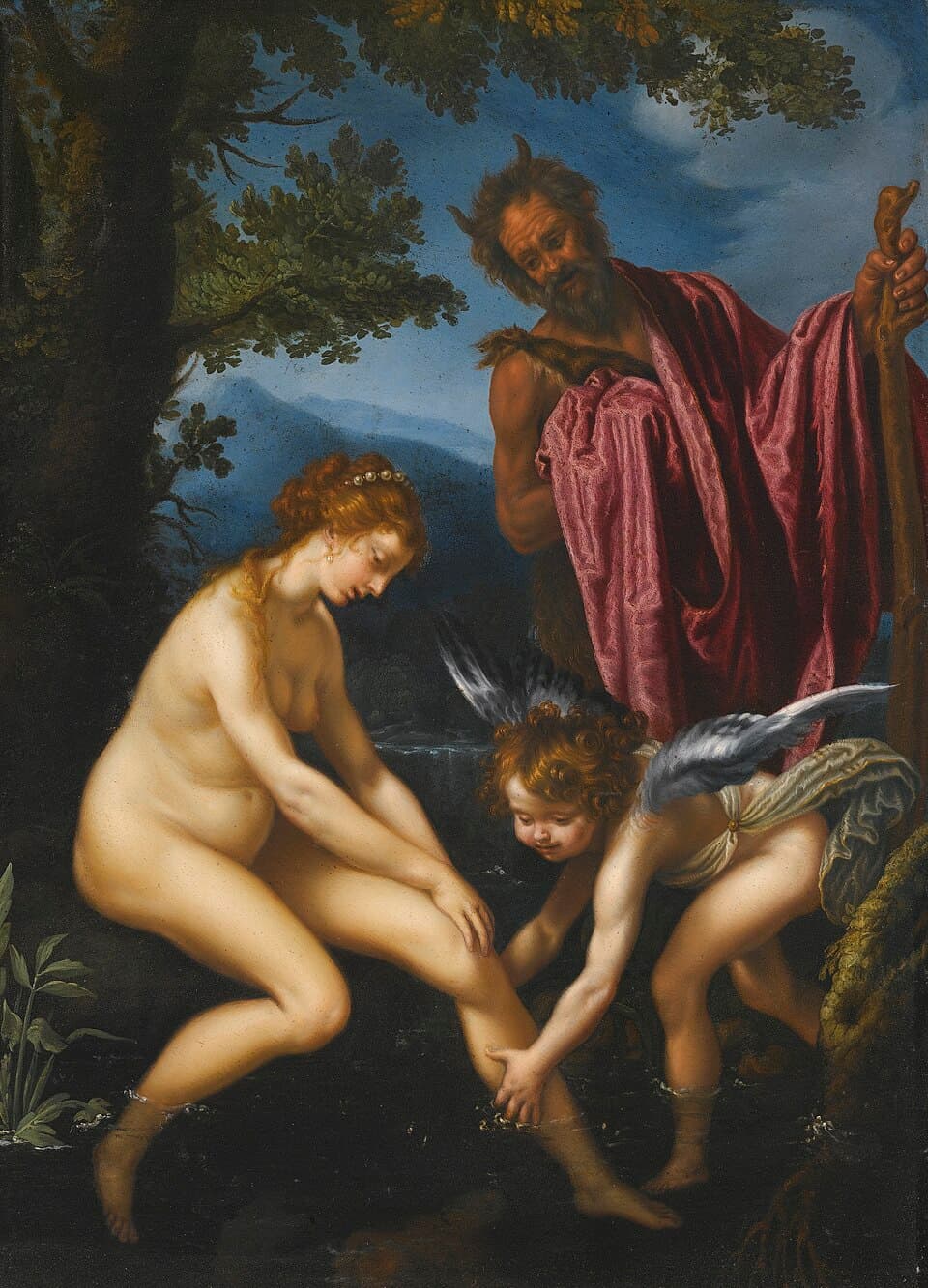
It is on the fragrant slopes of Cyprus, not far from the sanctuary of Paphos, that Ares finds Aphrodite one evening when the sea still glows red with sunlight. The scent of myrtle rises from the groves, and doves circle above the marble altar where offerings smoke. The god of war, who knows the goddess better than anyone on Olympus, has come to hear her speak of herself — of her birth, her power, and the passions they have shared. Between them, no mask is needed: they have too many shared memories for that.
—Everyone says you rose from the foam after the fall of Uranus. Tell me truly, how did you come into the world?
You know as well as I, Ares, that I am no child of any bed. When the blood of Uranus fell into the waves, the white foam gathered, and from that living froth I rose, already a woman, already desire. No mother bore me, no childhood shaped me: I was born complete, like love that knows no timid beginning. That is what Hesiod sings in his Theogony, and he speaks true. I am older than many gods who think themselves my elders. You, son of Zeus and Hera, carry a lineage; I emerged from the primordial chaos. That is why no one fully commands me.
No mother bore me: I was born complete, like love that knows no timid beginning.
—And when you first touched land, who welcomed you on these shores where we stand tonight?
The currents first carried me to Cythera, then here, to Cyprus, this island I chose for my own. The Horae with their beautiful crowns awaited me on the shore. They clothed me in immortal garments, girded my brow with gold, and where my feet brushed the sand, the grass began to bloom. From that day, Paphos has been my home, and pilgrims come from across the sea to honor her who was born of the wave. Look at this sanctuary, Ares: it stands on the very spot of my first step. Mortals saw rightly — it is from here that I rule over hearts, since the first dawn of the world.
Where my feet brushed the sand, the grass began to bloom.
—You who have so often disarmed me, tell me about that girdle, that kestos you tie around your waist. What power have you locked into it?
Ah, you know something of it, Ares, you whom my bonds have held more surely than your own weapons. My kestos is woven of everything that enslaves the heart: desire, tenderness, words that trouble, and sweet bewilderment. Whoever wears it becomes irresistible, be they the most graceless of beings. Hera herself came to borrow it from me to bring Zeus back to her bed, the day she wanted to turn his gaze from the battlefield. Imagine that: the queen of the gods, forced to beg for my girdle! My power is not brandished like your spear; it slips in, it envelops, and no shield stops what I decide to inspire.
My power is not brandished like your spear; it slips in, it envelops.
—I always see you surrounded by your doves, a myrtle crown on your brow. Why do these symbols follow you everywhere?
Because they say what I am without a word being needed. The dove coos and mates endlessly: it is the tenderness and fertility I spread. The myrtle, for its part, keeps its leaves green and its persistent fragrance — it is love that does not fade, the love woven into weddings and laid upon my altars. When my devotees wish to please me, they offer these gifts, and a bronze mirror in which beauty is reflected. These are not vain ornaments, Ares. Each attribute is a promise: where the dove passes, desire awakens; where the myrtle grows, union is sealed. My symbols work for me even when I look away.
The myrtle keeps its persistent fragrance: it is love that does not fade.
—Let us speak of that golden apple that set Olympus ablaze. How did you win the judgment against Hera and Athena?
The apple bore these words: "to the fairest." Eris had thrown it to sow discord, and there we were, three coveting it — Hera, Athena, and I. Zeus, prudent, refused to decide: he gave the choice to a mortal, the young Paris, prince of Troy. Each of us made her promise. Hera offered him empire, Athena victory in battle — you who love war would have leaned toward her. I promised him the love of the most beautiful woman. What is a throne, what is a battle, compared to desire? Paris handed me the apple. I had understood what the others ignored: no power weighs heavier than the one I wield.
What is a throne, what is a battle, compared to desire?
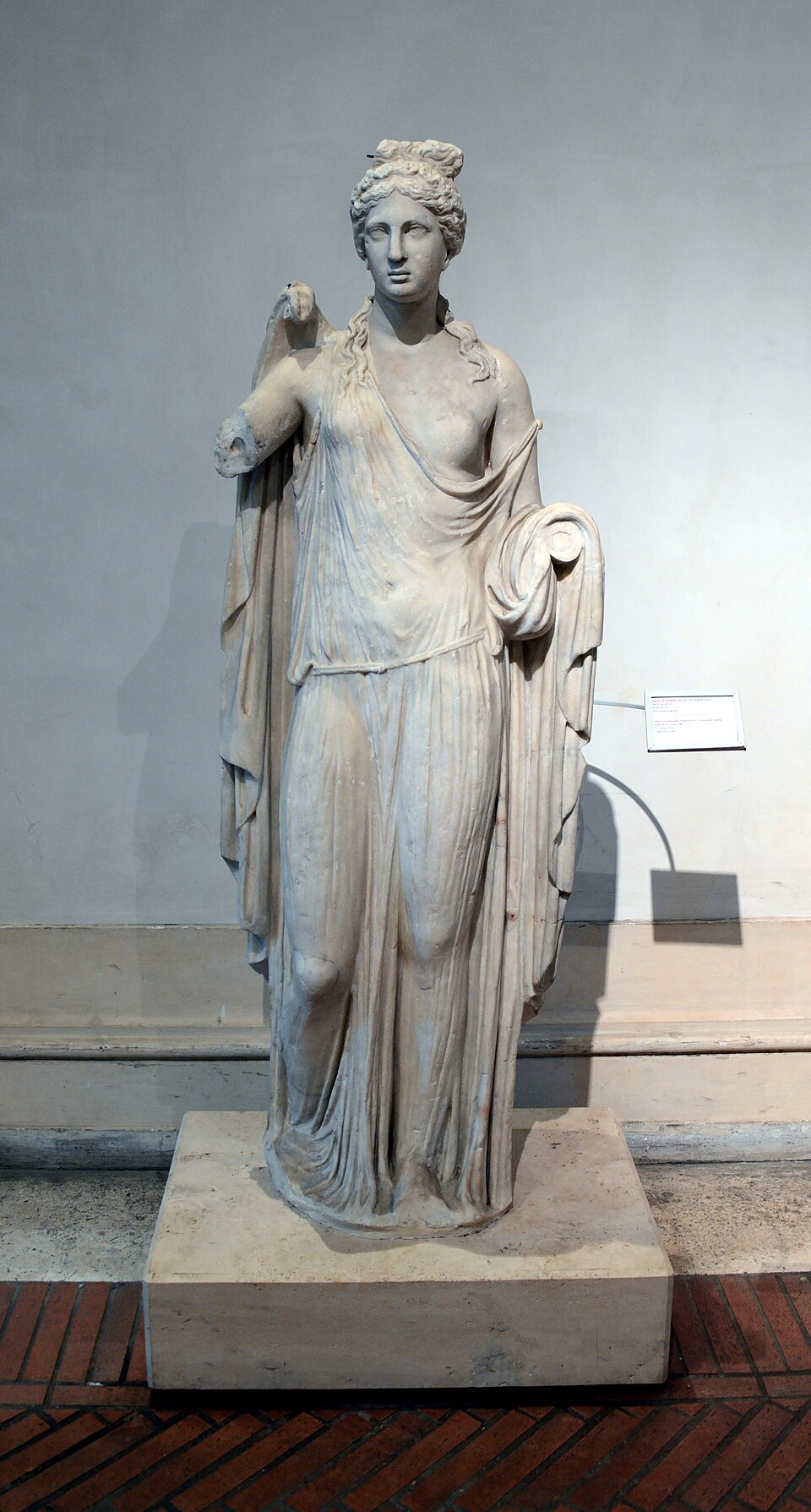
—But that promise plunged Troy into war, my domain. Did you know, when you chose Helen, what you were unleashing?
I knew, and I did not regret it. I had sworn to Paris the most beautiful of mortals: that was Helen, wife of the king of Sparta. By giving her to him, I kept my word. That the Greek kings armed a thousand ships to take her back, that your war, Ares, devoured so many heroes beneath the walls of Troy — that changes nothing of my part. Hera and Athena, humiliated by my triumph, ceaselessly sought the city's fall; their resentment fueled the conflict as much as my promise. You see, our two powers mingled there: love that lights the spark, and war that consumes. I merely honored my word. The rest belongs to men and their fury.
Love that lights the spark, and war that consumes.
—Beneath the walls of Troy, I saw you wounded while protecting your son Aeneas. Why did you descend into the fray yourself for him?
Because he is my blood, Ares, and no mother lets her child be slaughtered. You remember that day: Diomedes was pressing hard, and I covered Aeneas with my veil to snatch him from the blows. The mortal dared to pierce my hand — me, a goddess! — and I fled to Olympus, divine blood flowing from my wound. They laughed at my weakness in battle. But I had not come to wage war: I had come to save. And I saved him. Aeneas is not a hero destined to die beneath Ilion; a greater fate awaits him, I know it. You wield the iron for a day's glory; I watch over a lineage that must cross the ages.
You wield the iron for a day's glory; I watch over a lineage.
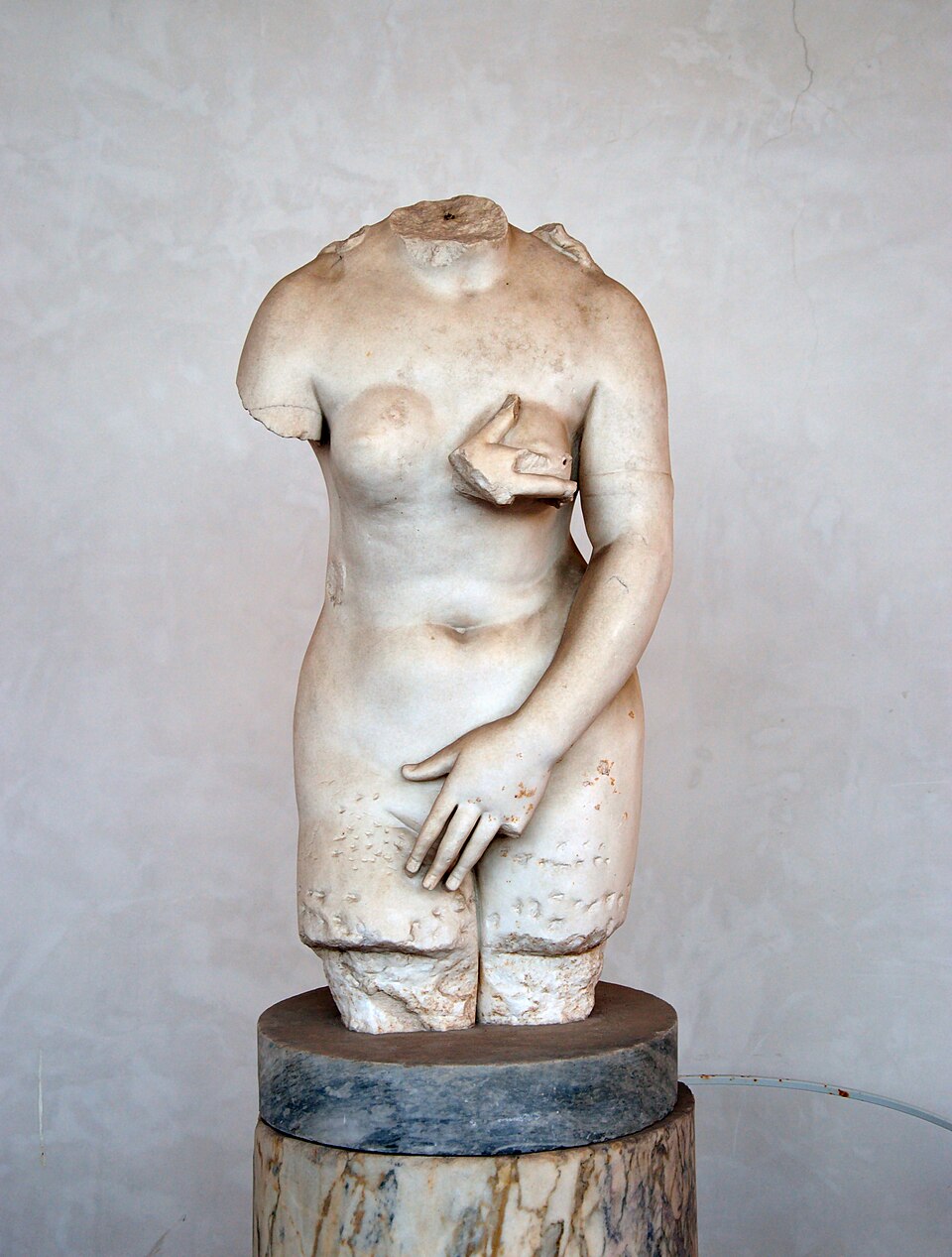
—You speak of a greater fate for Aeneas. What do you know of what awaits his descendants after the fall of Troy?
The Moirai do not hide everything from me. When Troy falls — for it will fall, I do not delude myself — Aeneas will not perish in the flames. He will flee, carrying his aged father on his shoulders and the gods of his hearth in his arms. Beyond the seas, on a land still nameless, his race will found a city, then a people, then an empire whose glory will eclipse that of Ilion. Kings will one day claim descent from my blood through him, and will honor me as the ancestress of their power. That is why I protected him before your eyes, Ares: not for one man, but for all that will be born of him. Love, you see, also knows how to build nations.
Love, you see, also knows how to build nations.
—This sanctuary of Paphos where we are draws pilgrims from across the sea. What do you expect from those who climb to your altar?
I expect them to understand what they come seeking. They climb the hill with their offerings — doves, myrtle crowns, honey, and wine — and they think they are praying for a happy marriage or fulfilled passion. But in honoring me, they salute the very force of life: that which unites bodies, makes wombs fruitful, and perpetuates generations. My white marble temple stands where I was born, and its scent of incense rises to Olympus. No Greek city ignores me: from Corinth to Athens, altars are raised to me. For without me, Ares, the warriors you reap would not even be born. I am at the beginning of all that breathes.
Without me, the warriors you reap would not even be born.
—You are the wife of Hephaestus, the lame smith. Yet you came to me. Why this marriage you fled?
Do not play naive, Ares: you know this story better than anyone, since you were the accomplice. Zeus gave me to Hephaestus, the most skillful but the least lovable of the gods, to appease his jealousy. A goddess of love bound to the forge and soot! The heart cannot be commanded, and mine beat for you. You remember the bronze net he had woven, so fine it was invisible, and with which he enveloped us both to display us to the laughing gods. Homer still sings of this misadventure in the Odyssey. We laughed about it afterward, didn't we? For neither a husband's chains nor a moment's shame can hold what I decide to love.
Neither a husband's chains nor a moment's shame can hold what I decide to love.
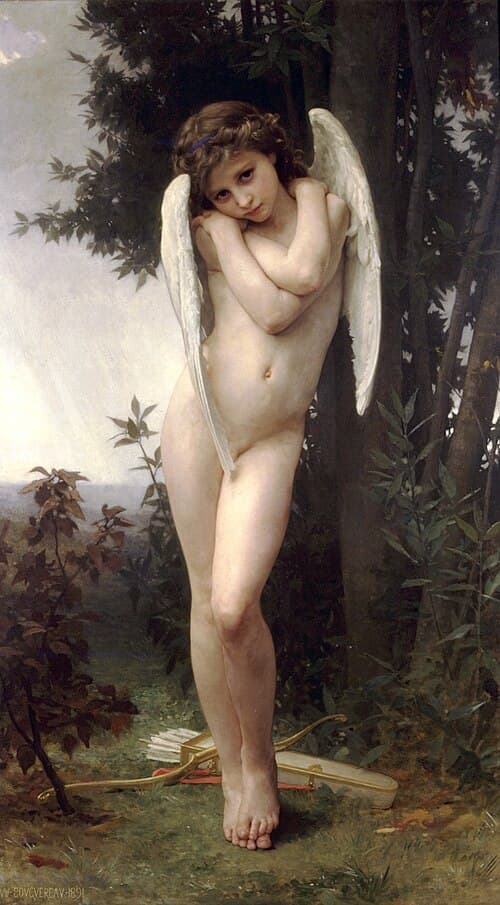
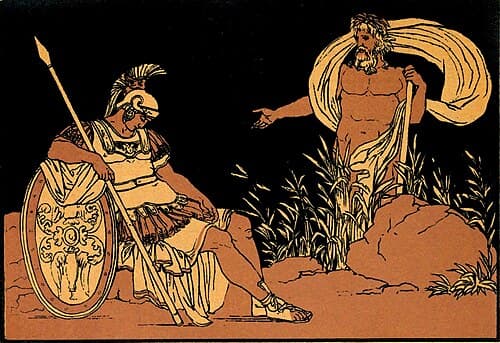
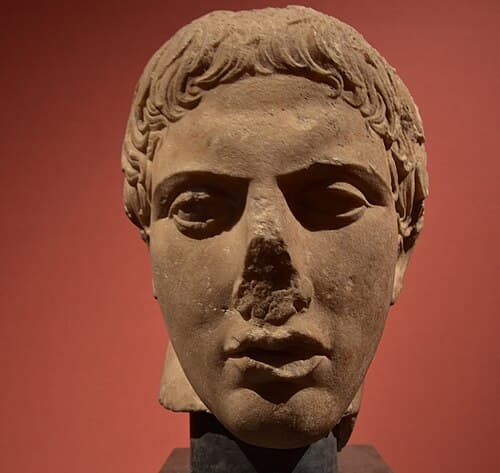
This imaginary interview was generated by artificial intelligence from sources documented in Aphrodite's profile. It dramatises what the figure might have said based on what we know about them, but does not constitute attested historical testimony. For primary sources and factual documentation, refer to the full profile.