Kids interview Aphrodite
by Charactorium · Aphrodite · Mythology · 4 min read
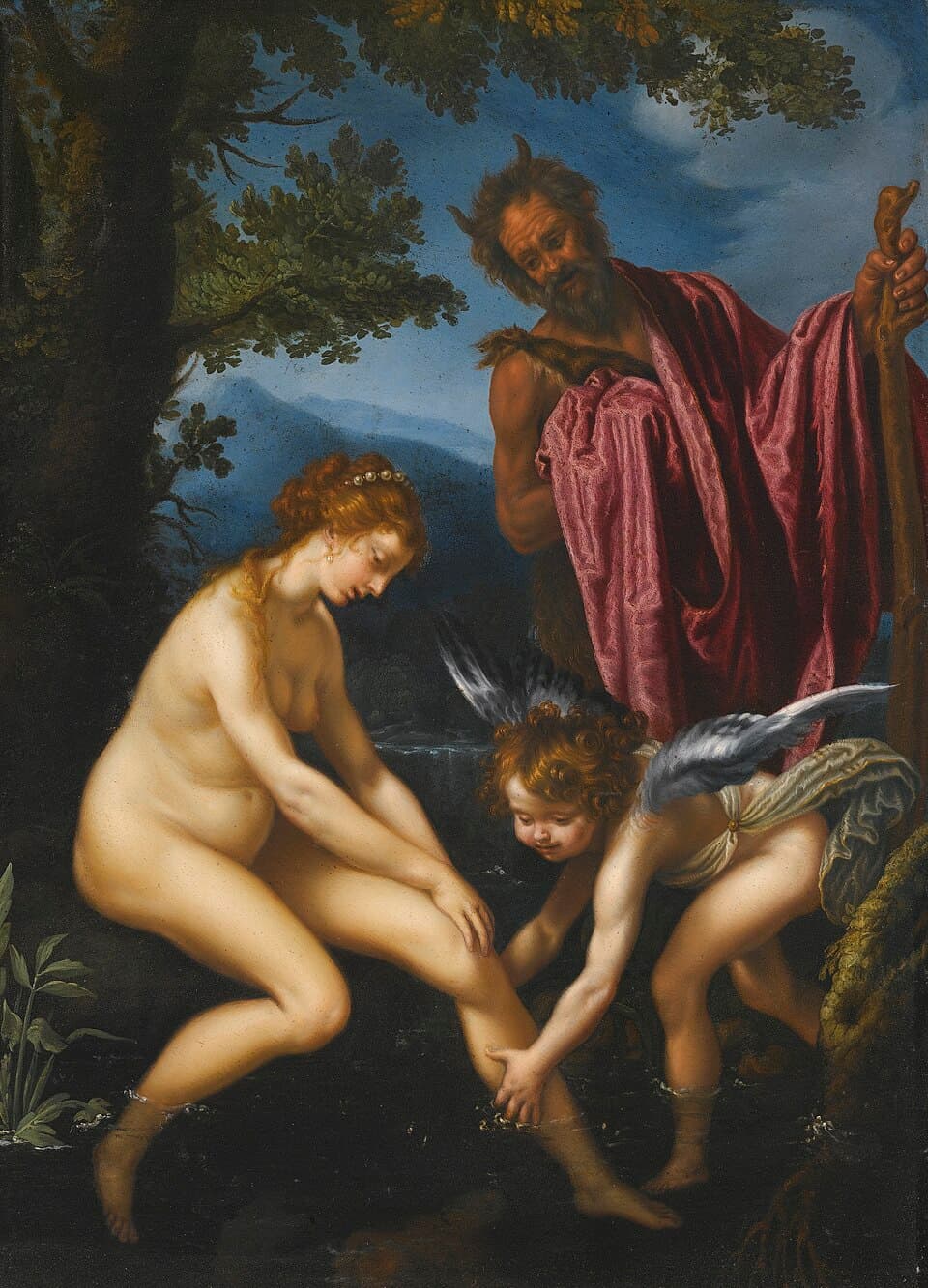
Two twelve-year-old students visit a museum with their class. In front of an armless marble statue, the air begins to smell of myrtle and the sea. A gentle voice smiles at them: the goddess of love has agreed to answer their questions.
—Is it true you were born in the sea? What is it like, being born that way?
Yes, my child, and it's quite a story. I wasn't born from a mother, like you. I emerged from the white foam of the waves, that light froth that forms when water breaks on the rocks. The old poet Hesiod tells how the currents carried me, brand new, to the island of Cyprus. Imagine: no cry, no cradle, just the warm sea and salt on my skin. The goddesses of the seasons welcomed me and dressed me. That's why, in images, I'm often shown standing on a large seashell.
I wasn't born from a mother: I emerged from the foam of the sea.
—And was there a place where people came to see you? What was it like?
Yes! At Paphos, on the island of Cyprus, they built me a temple of white marble. People came from far away, all around the Mediterranean, by boat. Imagine a weary crowd finally arriving, carrying flowers and small gifts. They believed that this was the very spot where I came out of the sea. So they left offerings to thank me or ask for help in love. These visitors were called pilgrims, travelers journeying to a sacred place. My oldest cult goes back a very, very long time.
—They say you had a magic girdle. What was its magic?
Ah, you've been paying attention! This girdle was called the kestos. Its power was simple: whoever wore it became irresistible; you couldn't help but love them. Imagine a ribbon that would suddenly make you the most charming person in your class. Even Hera, the queen of the gods and wife of Zeus, came to borrow it from me one day. She wanted to win back her husband! That teaches you something: love isn't just for mortals. Even the greatest gods lose their heads a little over it. And I smiled gently.
Even the queen of the gods came to borrow my girdle.
—Why are you always depicted with a dove beside you?
Because the dove is my bird, my child. It's a gentle little bird that coos and snuggles close to its mate: the perfect symbol of tenderness. Beside it, they often placed the myrtle, a green shrub with a sweet scent, used to make crowns. These things that always accompany me are called my attributes: signs that let you recognize me at once in a statue. If you see a beautiful lady with a dove and a myrtle branch, it's me. Sometimes I also hold a bronze mirror to look at myself.
—And the famous golden apple, what was that story?
Oh, that apple caused me a lot of trouble! One day, three goddesses argued: Hera, Athena, and me. They needed to choose the most beautiful, and the prize was a golden apple. They chose a judge: a young prince of Troy named Paris, a simple shepherd. Each of us made him a promise to win. I offered him the love of the most beautiful woman in the world. And he gave me the apple! You see, I didn't cheat: I just promised what I know best. But that apple, alas, would cost dearly.
I didn't cheat: I promised what I know best.
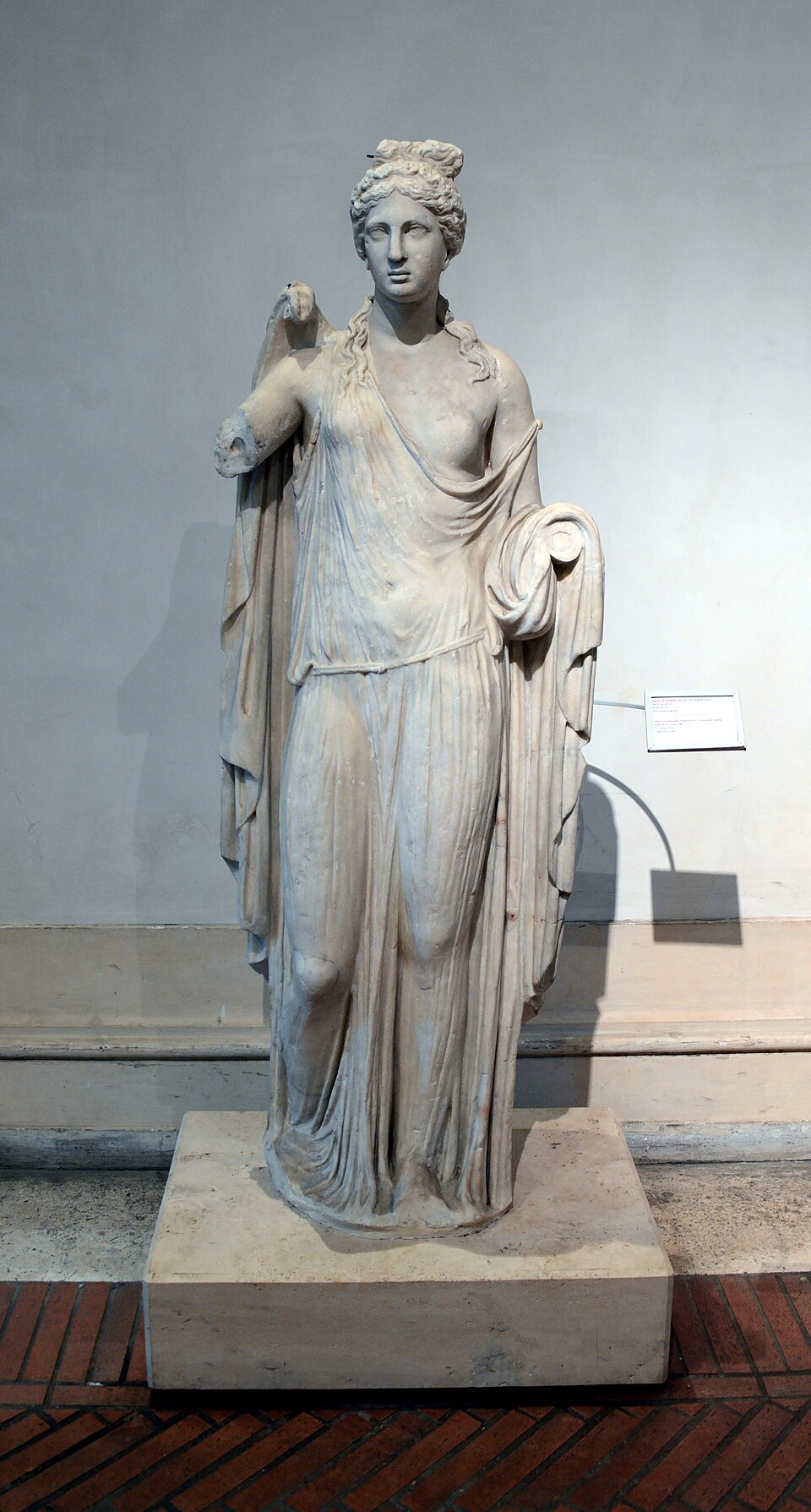
—Why did it cost dearly? What happened after?
Well, the woman I had promised to Paris was named Helen. The problem was that she was already married to a Greek king! When Paris took her to Troy, the Greeks became terribly angry. They gathered a huge army, boarded their ships, and that was the Trojan War. A war that lasted ten long years, my child, all because of a single promise of love. Do you understand why I don't forget that apple? Poets have made magnificent stories about it, but behind the beauty of the tale, there were many tears and courage.
—During the war, did you do anything to help someone?
Yes, and that was my mother's heart speaking. My son was named Aeneas, a Trojan hero. In the war, I feared for him in every battle. The poet Homer, in the Iliad, tells how I came down from Olympus, the mountain of the gods, right into the battle to protect him. Imagine a mother throwing herself into a giant fight to cover her child with her arms. That's exactly what I did. And thanks to that, Aeneas survived. Later, his descendants would found a great city. But that's a story for later.
I came down into the thick of battle, like a mother shielding her child.
—Is it true you were called by another name elsewhere?
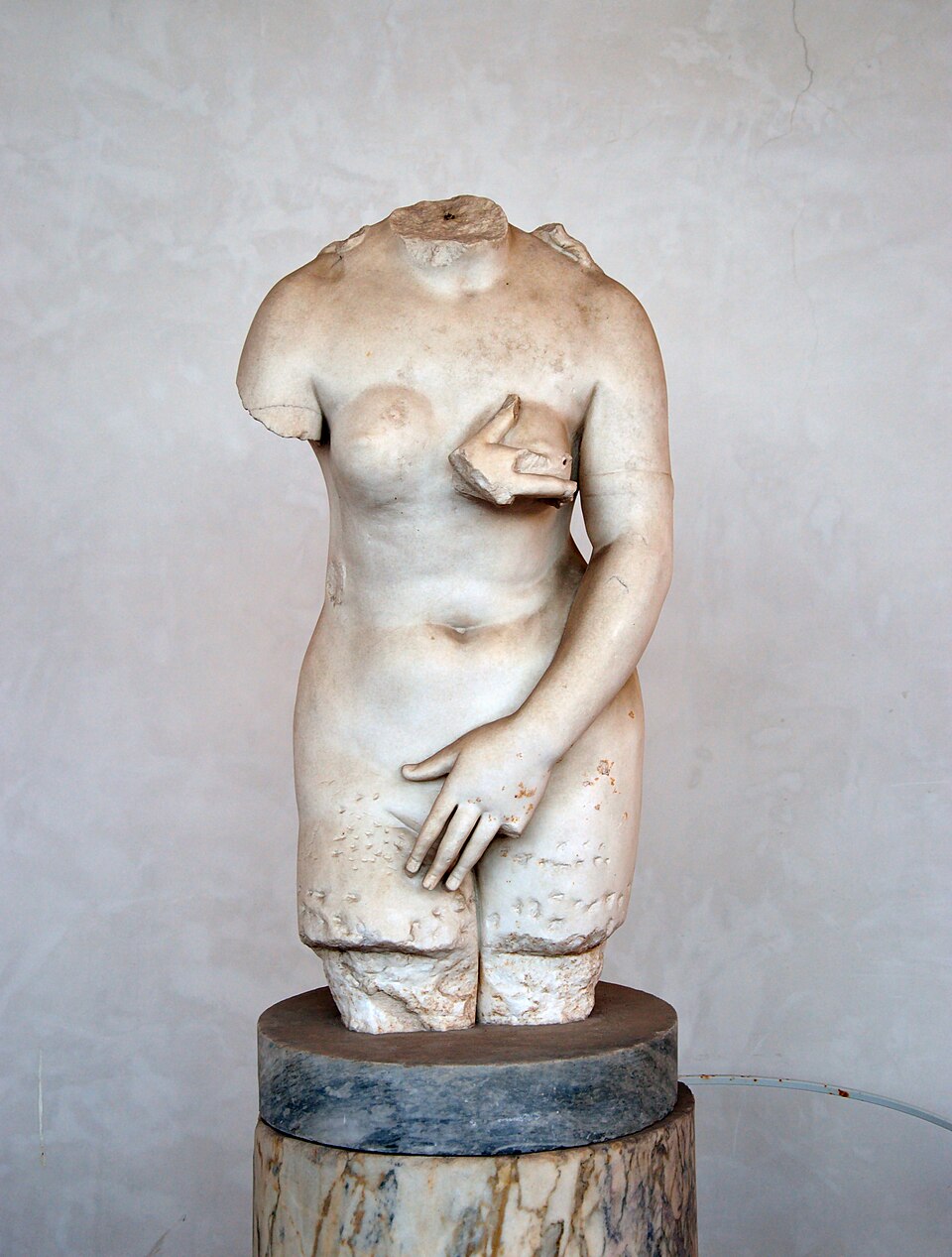
Yes! When you go west, to the city of Rome, they no longer say Aphrodite. They say Venus. The Romans recognized me as their own goddess of love, and they gave me that name. It's a bit like changing your first name when you move to another country, but you remain the same person. Imagine a Roman street, with no engine noise, just chariots and merchants, and at the end, a temple in my name. In Rome, I was loved as much as in Greece. Same goddess, two languages, two peoples, one heart.
Same goddess, two languages, two peoples, one heart.
—And why did very powerful Roman leaders say they were from your family?
Ah, you're sharp! Remember my son Aeneas, saved from the war. Well, his distant descendants in Rome formed a great family. And two very powerful men, Caesar and then Augustus, claimed to be from that lineage. So, going all the way back, they descended from me, Venus! Imagine the pride: saying you have a goddess as an ancestor impresses people. In 29 BC, Augustus even dedicated an official cult to me in Rome. It wasn't just love: it was also politics. My name made their power shine brighter.
—And today, no one prays to you in temples anymore. Does that make you sad?
That's a beautiful question, my child. It's true that one day, in 380 AD, an emperor banned the old cults, and my temples gradually fell silent. But you know what? I never really left. Look at this statue called the Venus de Milo, in its great museum: thousands of people still come to gaze at it. Painters and poets keep redrawing me. As long as two children like you stop before an image and ask about my story, I remain alive. Beauty and love, you see, cannot be locked up by any decree.
Beauty and love cannot be locked up by any decree.
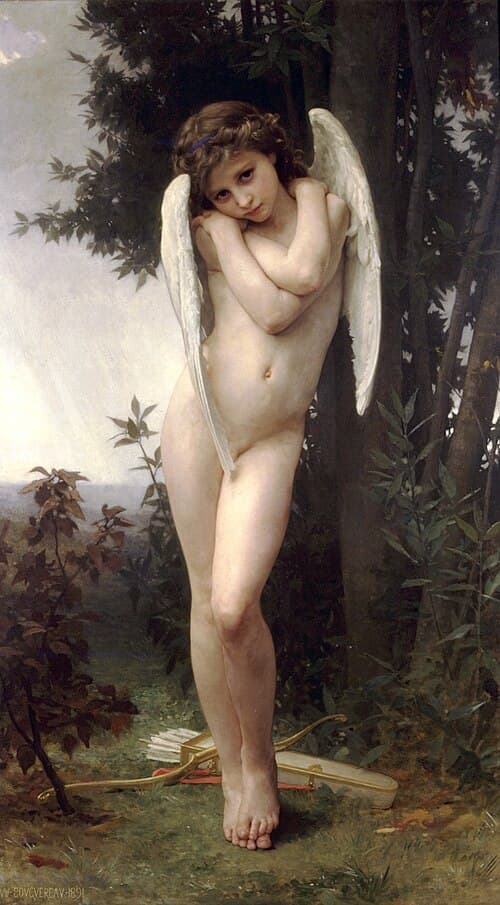
This imaginary interview was generated by artificial intelligence from sources documented in Aphrodite's profile. It dramatises what the figure might have said based on what we know about them, but does not constitute attested historical testimony. For primary sources and factual documentation, refer to the full profile.