Imaginary dialogue between Apollon and Artemis
by Charactorium · Artemis · Mythology · 5 min read
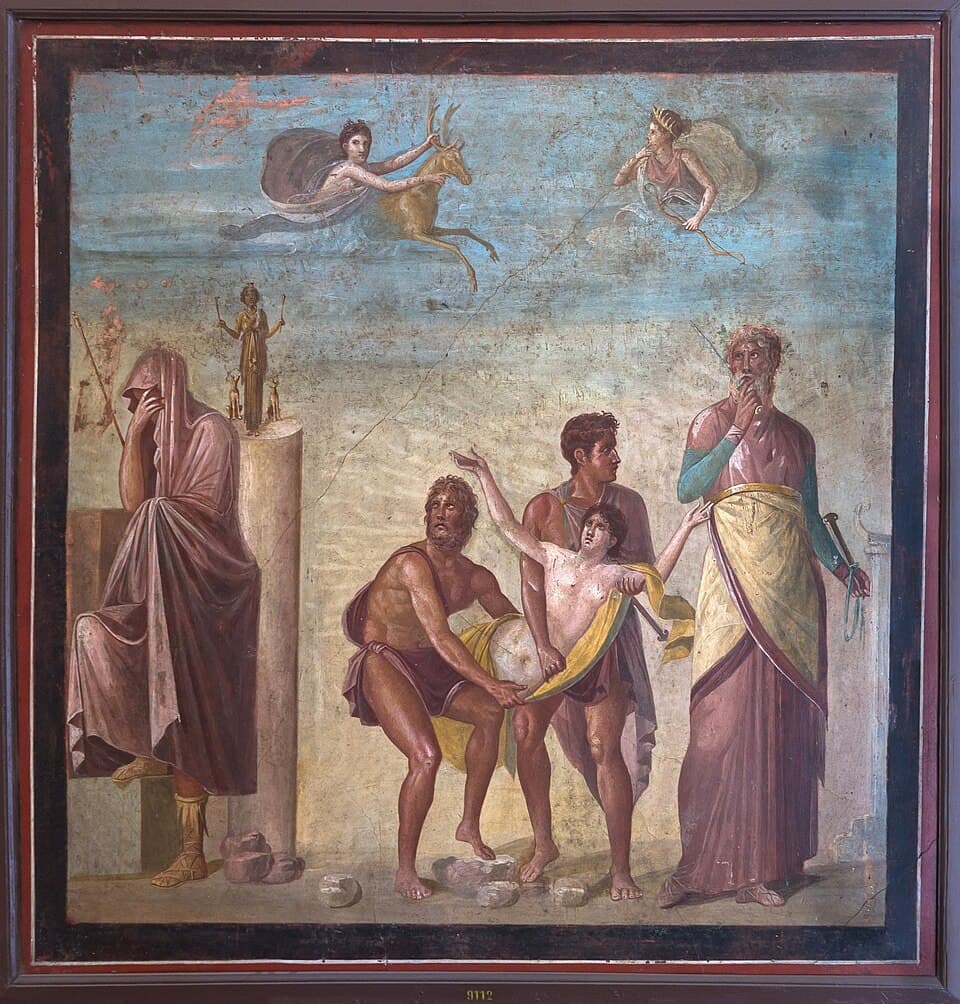
It is on the island of Delos, under the palm tree where Leto gave them birth, that Apollo joins his twin sister at dusk. Artemis returns from the hunt, her golden bow still warm in her hand, a sleeping doe at her feet. They were born of the same breath, share the cycles of day and night, and Apollo, who rules over the sun and light, comes to probe what his sister keeps for the forests. A scent of resin and game floats between them.
—My sister, we were born together here, at Delos. But you alone went to ask our father Zeus never to marry you. Why?
You remember, Apollo, I had barely left our mother's arms when I was already climbing onto our father's knees. I asked him for the bow, the pack, the mountains — and to remain a virgin forever. It was not a whim. Marriage would have chained me to a hearth, a husband, sons. I wanted the virgin forests, the freedom to run where no one commands me. Zeus smiled and granted me everything. You, who know me better than anyone, know I have never regretted it: Greek maidens come to pray to me precisely because I refused what is imposed on them. My independence is the gift I give them.
I wanted the virgin forests, the freedom to run where no one commands me.
—You are sung of the golden arrows, and our quivers resemble each other. But your bow, tell me, what is it to you beyond the weapon?
My bow is not just the weapon that fells the stag, brother. It is the extension of my hand, the boundary between what lives and what must die. With my quiver on my shoulder and my pack before me, I am fully myself. You loose your shafts to punish or heal; I stalk in the silence of the undergrowth, lying in wait, until the arrow flies. My dogs know my breath before my gesture. A doe runs beside me without fear, for she knows I choose my prey. Hunting is not killing for pleasure — it is reigning over wild nature, respecting its laws, and striking true.
My bow is the boundary between what lives and what must die.
—I have heard about Actaeon, that hunter turned into a stag. They whisper your vengeance was cruel. Do you regret it, sister?
He surprised me at my bath, Apollo, when I was unarmed, exposed to the gaze of a mortal. You know what that means to me: my body belongs to no one, and no man's eye shall profane it. I turned him into a stag, and his own dogs tore him apart without recognizing him. Cruel? Perhaps. But I am not weak because I am a virgin. Those who scorn my domain or my person learn that I strike without trembling. The wild nature I protect has its laws, and the hunter who kills without respect, like the one who dishonors me, knows my punishment. I do not forgive such transgressions — that is how I am feared and revered.
I am not weak because I am a virgin.
—Father divided time between us: to you the moon, to me the sun. When I descend in the west, what do you do with the night?
When you drive your chariot into the west, brother, I mount mine. White horses pull me across the black sky, and my torch lights the paths you never see. The night is my kingdom as much as the forests. I guide lost travelers, I watch over sailors, I regulate the tides and the secret rhythms of women. You illuminate the world so it may work; I watch over it while it sleeps. We are the two halves of the same day, you and I, and that is why the Greeks honor us together in their rites. My light is gentler than yours — but without it, the night would be nothing but darkness.
We are the two halves of the same day, you and I.
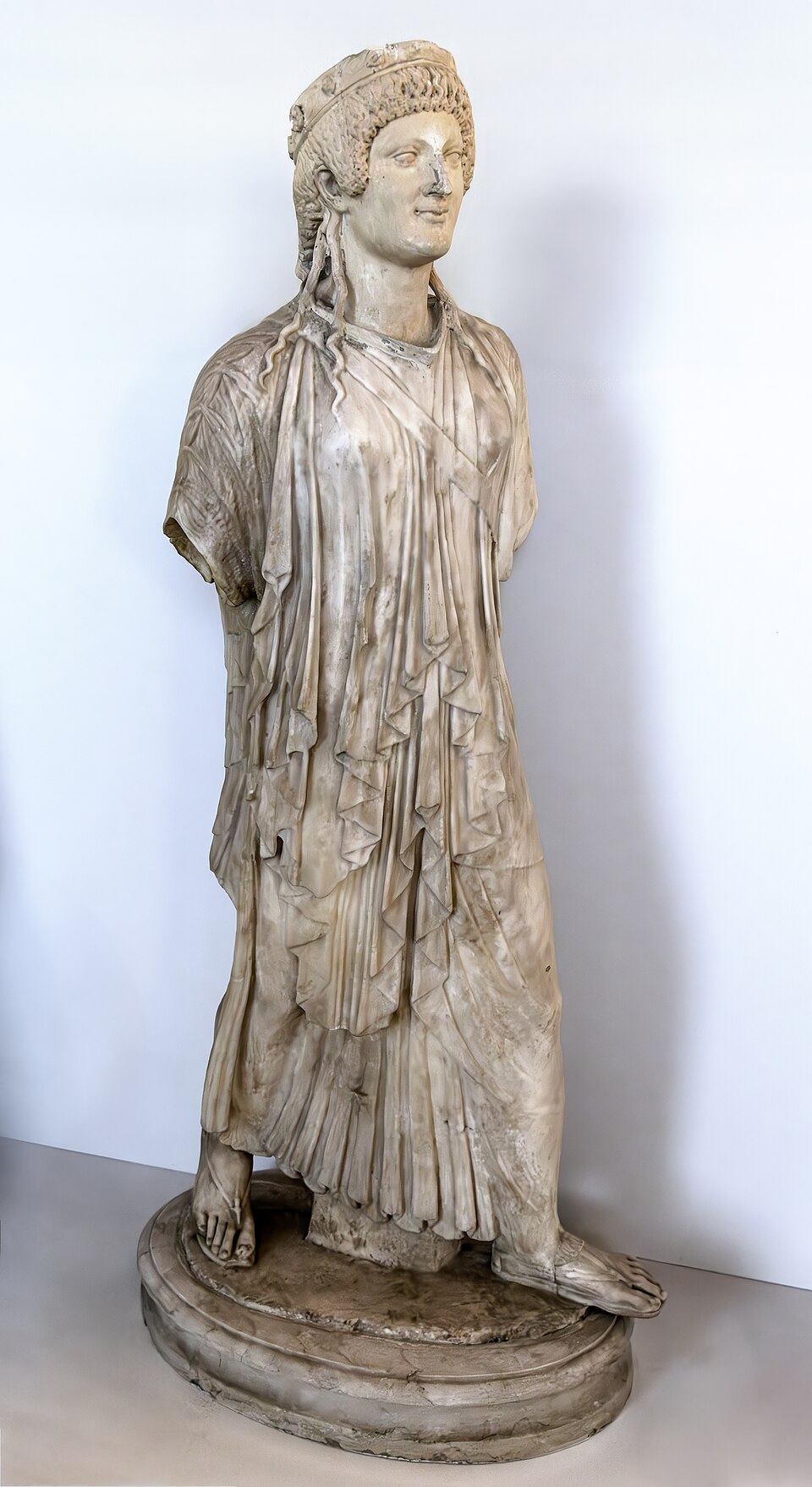
—At Brauron, in Attica, Athenian girls come to honor you before becoming women. What do they seek from you, my sister?
They come to me at the most fragile threshold of their lives, Apollo. At Brauron, little girls are consecrated to me before leaving childhood; they dance for me, dressed in saffron, like young she-bears. I protect them in this perilous passage where they cease to be children. And when they become mothers, I still watch over them in childbirth, the most dangerous hour of all. See the paradox: I who refused marriage and childbearing, I am the one who guards maidens and women in labor. I know what it is to want to remain mistress of one's body. That is why they entrust their innocence to me — they know I will defend it as my own.
I who refused childbearing, I am the one who guards women in labor.
—You speak of respecting the laws of nature. But where does protection end and punishment begin, sister of the wild beasts?
The boundary is clear to those who can see, brother. Hunting is sacred when it respects the beast: the hunter prays to me before setting out, he takes only what he needs, he honors the slain animal. That one, I bless. But whoever kills out of pride, decimates my herds, or mocks my name, that one tastes my wrath. Think of those who neglected my sacrifices: I unleashed plagues upon their lands, monstrous beasts, until they bowed. I am the guardian of a balance. The deer, the bears, the mountain springs are under my care, and I punish whoever breaks this harmony. My favor and my wrath are the two faces of the same wild justice.
My favor and my wrath are the two faces of the same wild justice.
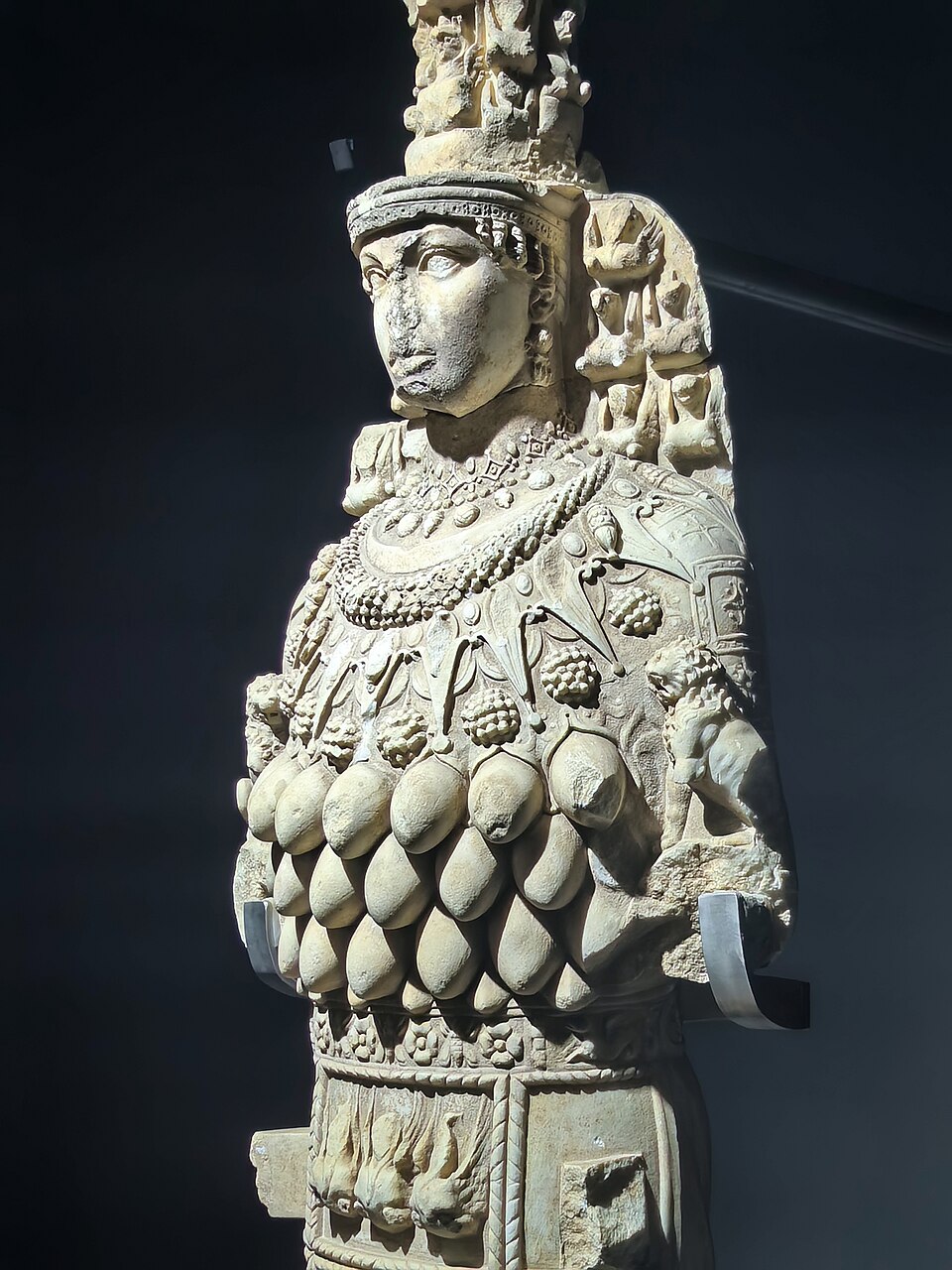
—They say the Amazons, those warrior women without masters, chose you as their patron. Do you see yourself in them, Artemis?
How could I not love them, Apollo? The Amazons run and hunt like my nymphs, refusing to be dominated by any man, owing nothing to anyone. They are the mortal image of what I embody among the gods: strength that needs no husband to exist. My companions, my Huntresses, live thus at my side, free in the woods, bound only by the oath to follow me. I do not despise women who marry — but I want it known that another path exists. A woman can wield the bow, lead the pack, rule the mountains. The Amazons prove it to mortals, as I prove it on Olympus.
A woman can wield the bow, lead the pack, rule the mountains.
—When you return from the hunt, like this evening, with your nymphs around you, what truly makes you happy, my twin?
You see it this very evening, brother: the resin in the air, the panting pack, my nymphs laughing after a long run in the mountains of Taygetus. That is my happiness. Far from the palaces and banquets of Olympus, far from prying eyes, I am at home in the virgin forests. I love the silence before the arrow flies, the cold water of a spring where I bathe with my companions, the moon rising when your sun fades. I need neither husband nor court to be complete. You who are always off to Delphi and your oracles, you seek men; I flee them. My dogs, my nymphs, my mountains — that is all I desire, and I possess it.
Far from palaces and prying eyes, I am at home in the virgin forests.
—Our mother Leto bore us together here, at Delos. What do you keep of this bond that unites us, you and me?
We were born of the same womb, Apollo, under the same palm tree, and they say I helped our mother bring you into the world — I, barely born, already a midwife. That bond, no one can undo. You carry the day, I carry the night; you hold the silver bow, I hold the golden bow; you heal, I protect. We are two and we are one. When men honor us at Delos, they know they cannot invoke you without invoking me. But do not think you know me entirely, brother: what I am in the forests, far from you, in the secret of hunting nights, belongs to me alone. Even a twin cannot share everything.
You carry the day, I carry the night; we are two and we are one.
This imaginary interview was generated by artificial intelligence from sources documented in Artemis's profile. It dramatises what the figure might have said based on what we know about them, but does not constitute attested historical testimony. For primary sources and factual documentation, refer to the full profile.