Kids interview Artemis
by Charactorium · Artemis · Mythology · 5 min read
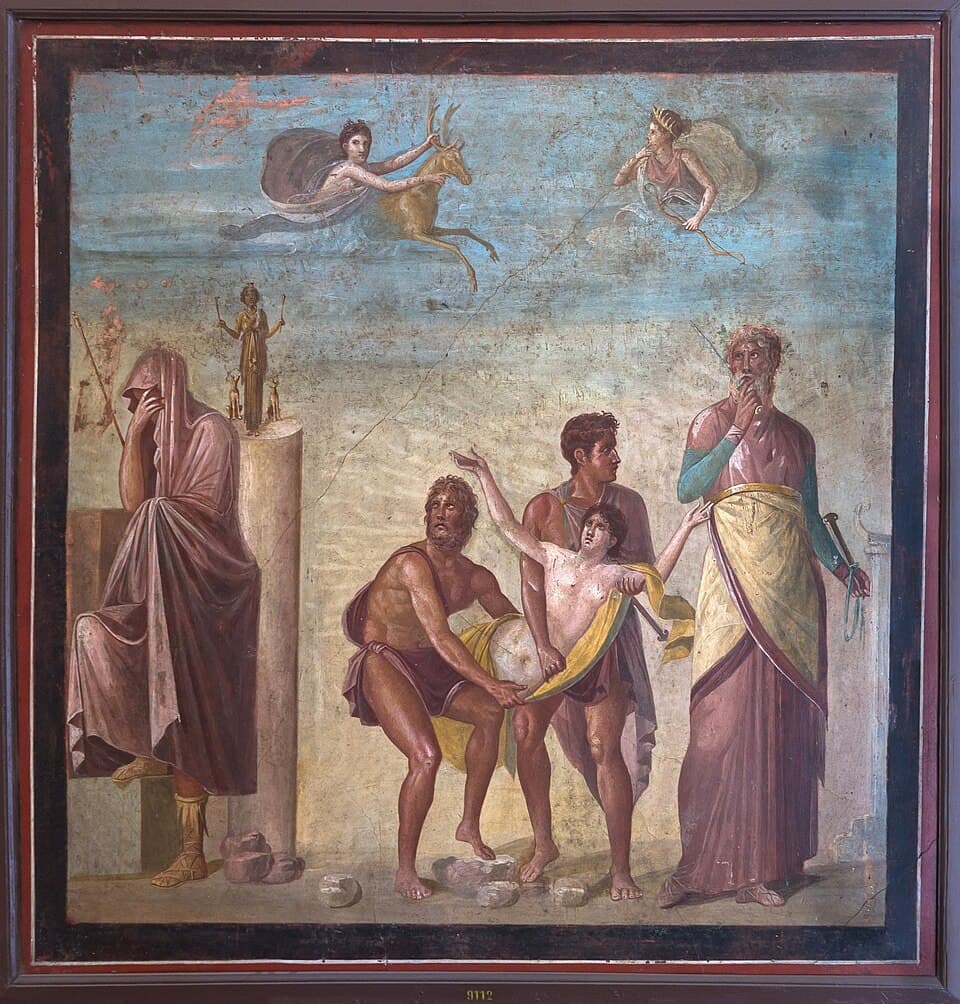
That morning, two students from a school trip had wandered a little away from the group, near a shady spring in the heart of the forest. There, they say, they spotted Artemis, bow on her shoulder and a doe at her side. The goddess of hunting smiled at them and agreed to answer all their questions.
—Is it true you hunt with a golden bow? Does it really shine?
Yes, my child. My bow shines like the moon slipping between the trees, without a sound. In the morning, I wake my companions, the nymphs — they are spirits of forests and springs — and we set out into the mountains. I carry a quiver full of arrows on my back, and my dogs run ahead of me barking. You know, I do not hunt for the pleasure of killing. I hunt to reign over the wild nature, where no house stands. My arrows never miss their target. It is my father Zeus, the king of the gods, who gave me this gift.
—And at night, what do you do? Do you sleep, or hunt some more?
At night, I never truly sleep. When the sun sets, I take my flaming torch and travel across the sky. Imagine a great silver chariot, pulled by horses white as snow, gliding over the mountains. I watch over travelers lost in the dark and over sleeping young girls. My light is the moon itself. Nights are no longer frightening when someone lights them up. That is my real work: guiding all those who walk in darkness, so that none may be lost.
When you see the moon shining at night, it is a little bit of me passing above you.
—Do you have a twin brother? What was it like growing up with him?
Yes! My brother's name is Apollo. We were born together on the island of Delos, a small land in the middle of the sea. They say I came into the world first, and that I helped my mother give birth to my brother right after. Since always, we have shared time. He is the sun of the day; I am the moon of the night. When he sets, I rise. We are almost never together in the sky, and yet we are never truly apart. That is what it means to be twins: two halves of the same day.
—And your mother, where did she have you? Were you close to her?
My mother is Leto. You know, before my birth, she suffered greatly: no land wanted to welcome her to give birth to me. Only the small island of Delos accepted. That is where I was born, on a wind-beaten land in the middle of the waves. I have never forgotten that, my child. That is why I protect so much women who are expecting a baby and young mothers. When a mother is afraid, I am there, close to her. They say in the old songs that my brother and I are the most loved of all the gods. But my first love will always be my mother.
—Is it true you asked never to marry? Why?
Yes, it is true. When I was very small, I went to see my father Zeus and asked him for a precious gift: to remain free forever, without ever marrying. You know, in my time, many girls were married very young, whether they wanted to or not. I chose something else: the forests, the hunt, my companions. It is not that I hate others — I love my freedom, that is all. Greek young girls would come to pray to me to watch over them. They knew I understood their hearts.
I did not want to belong to anyone: I had chosen freedom.
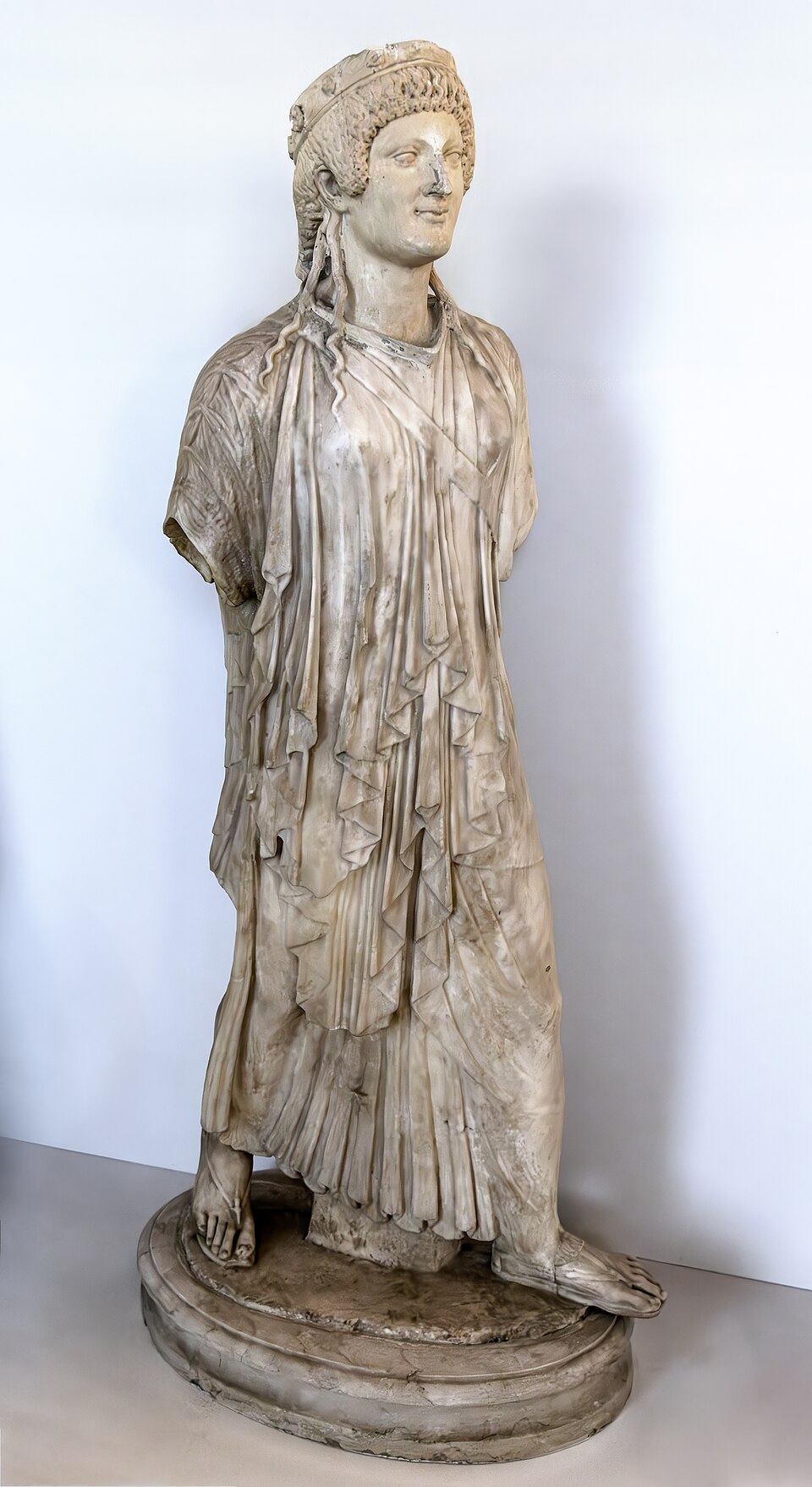
—And the girls who came to pray to you, what exactly did they do?
Ah, there was a place I loved very much: Brauron, near Athens. Imagine a sanctuary by the water, surrounded by trees and columns. There, little girls would come to spend time before growing up. They were called my 'little she-bears.' They ran, danced, wore saffron-colored robes, yellow like honey. It was their way of saying goodbye to me before entering womanhood. I watched over this difficult passage, between childhood and adulthood. No one had to go through it alone.
—They say you turned a hunter into a stag. What had he done?
Yes... it is a sad story, my child. One day, a young hunter named Actaeon was walking in the forest with his pack of dogs. Without meaning to, he surprised me while I was bathing in a spring, hidden from view. No one was supposed to see me like that. So I turned him into a stag. And his own dogs, not recognizing him, chased him down. You see, I am not only gentle. When one does not respect wild nature and its secrets, I can be terrible. The old poets said it well: I punish those who break my laws. That was my way of protecting my world.
I am not only gentle: whoever respects nothing, I punish.
—Does it make you sad, having to punish people like that?
You ask a beautiful question, truly. I never punish for pleasure, you know. But imagine for a moment: if no one defended the forests, springs, and wild animals, who would be left for them? The stags, bears, does — they are my wards. When a man hunts without respect, or kills just for fun, he breaks a fragile balance. So yes, I strike hard. The Greeks would pray to me before going hunting, to ask forgiveness in advance. Being a guardian is not always easy. Sometimes one must be stern so that wild life may continue to exist.
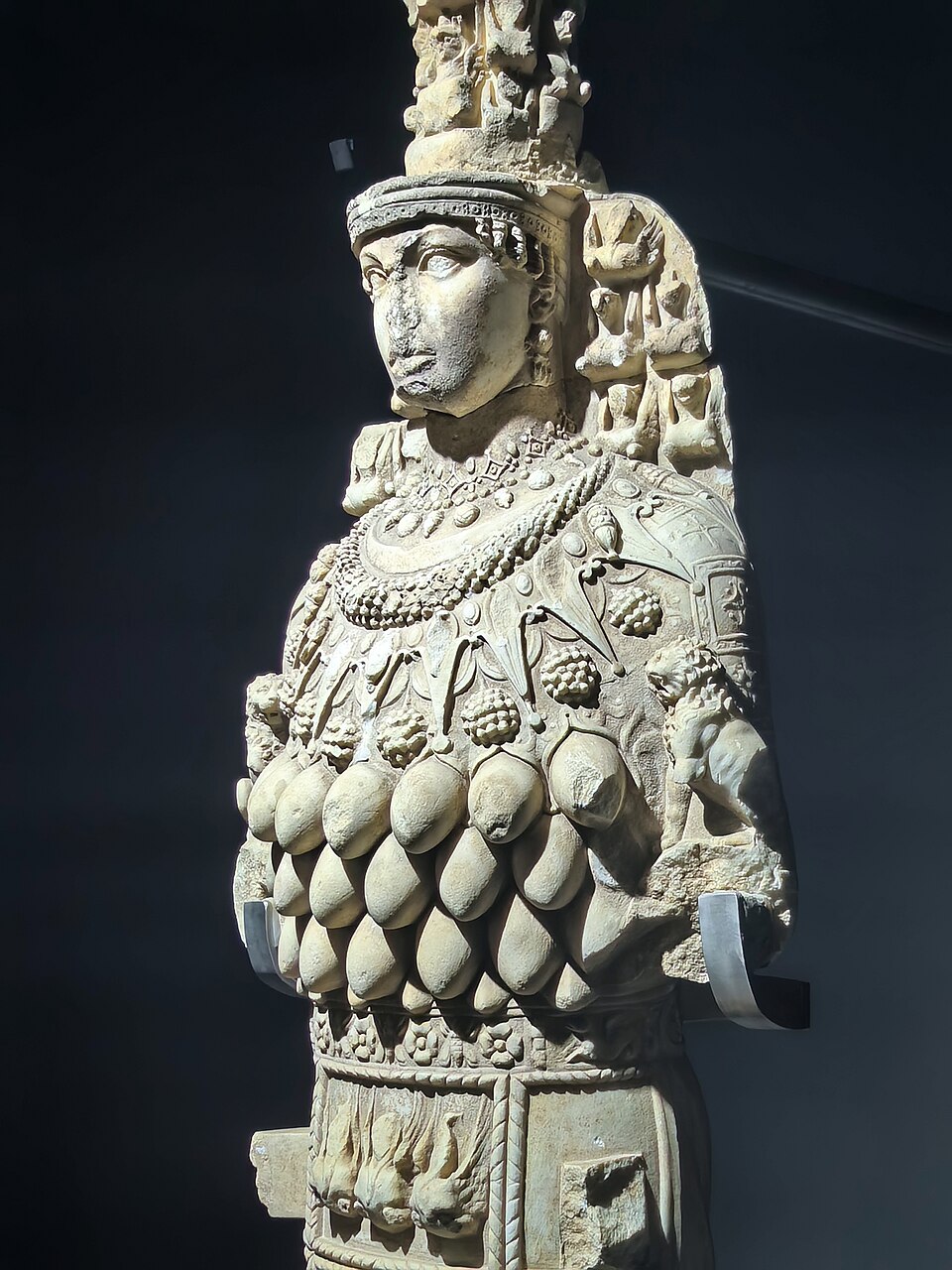
—Did you have temples? Where was the biggest?
Oh yes, all around the great sea! But the most magnificent was in Ephesus, a city in Asia. Imagine a huge temple, with dozens of columns as tall as giant trees, all in white marble. People came from far away to pay homage to me: it was one of the most famous sanctuaries in the entire known world. There was also Delos, my birthplace, and Brauron. You know, a temple is not just stones: it is a place where humans feel a little closer to the gods. And I loved feeling their prayers rise up to me.
—And what did people bring you as gifts?
Simple and beautiful things, my child. On my altars, they placed honey cakes and fragrant incense, whose smoke rose gently to the sky. Sometimes they offered me a share of the hunted animals, in thanks. Young girls would bring me their dolls and toys when they grew up — to tell me they were leaving childhood behind. You see, I do not eat like you: the gods feed on ambrosia and nectar, foods that make one immortal. But what I preferred was not the gifts. It was knowing that one thought of me with the heart.
—Today, what would you like people to remember about you?
If one day you look up at the moon, think of me. I would like to be remembered as the one who protected the most fragile: young girls, mothers, forest animals. I would also like people to remember that a girl can be free, strong, and run wherever she wants. I needed no one to exist, and yet I was always there for those who needed me. The forests, the mountains of Taygetus, the hidden springs: protect them, too. The wild world is a treasure. As long as we remember it, I will never truly disappear.
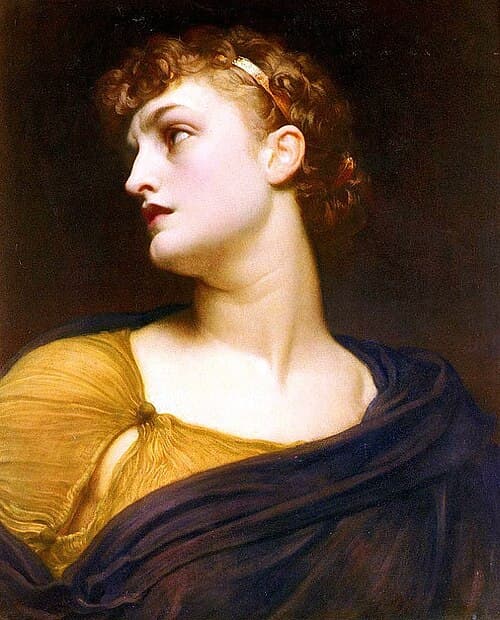
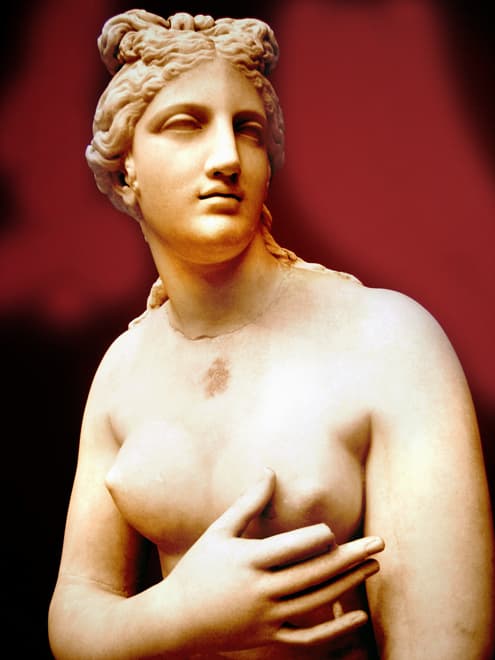
This imaginary interview was generated by artificial intelligence from sources documented in Artemis's profile. It dramatises what the figure might have said based on what we know about them, but does not constitute attested historical testimony. For primary sources and factual documentation, refer to the full profile.