Kids interview Assia Djebar
by Charactorium · Assia Djebar (1936 — 2015) · Literature · 4 min read
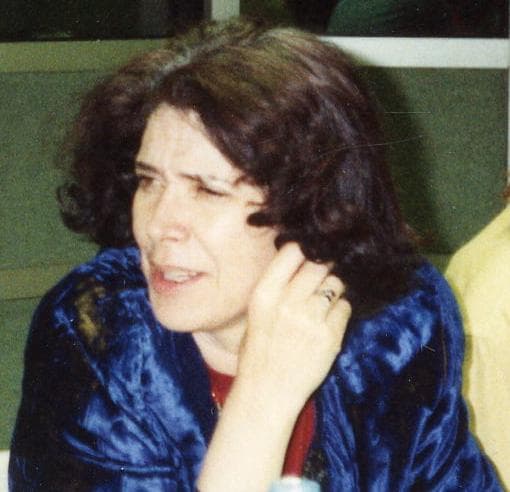
Two young visitors, twelve years old, on a school trip, have an appointment with Assia Djebar. They have brought a notebook of questions and a lot of curiosity. She welcomes them with a gentle smile and invites them to sit near her.
—How old were you when you left to study in Paris?
I was eighteen, my child. In 1955, I became the first Algerian woman admitted to the École normale supérieure de Sèvres. Imagine a little girl from Cherchell, a seaside town, suddenly finding herself in the big city. I was studying History. But at that time, my country was fighting for its freedom. A student strike broke out, and I had to stop my classes. So, you know what I did? I wrote. In the evenings, in my room, I wrote my first novel, La Soif. I was twenty when it was published.
When school closed, writing opened its door to me.
—Why did you change your name to write your book?
Ah, that's a good question. My real name is Fatima-Zohra Imalayen. But when La Soif came out in 1957, my country was still a French colony, in the midst of war. Imagine: if my name appeared on a book, my family could get into trouble. So I took another name, Assia Djebar, like a veil over my face. It was to protect them. You see, sometimes we hide not out of fear for ourselves, but out of love for our loved ones. And that borrowed name became, in the end, my real writer's name for life.
I took another name like a veil, to protect those I loved.
—Is it true that you recorded ladies who spoke? What for?
Yes, it's absolutely true! I carried a small tape recorder, a machine that keeps people's voices. I would sit with Algerian women, in the evening, and listen to them tell their lives, their sorrows, their hopes. They spoke in Arabic, in Berber. Imagine all those voices that no one ever listened to. I collected them like precious water. Then I transformed them into books, like Les Femmes d'Alger dans leur appartement, in 1980. That's what we call orality: turning living speech into lasting writing.
Those voices that no one listened to, I collected them like precious water.
—Did those women's stories make you sad?
Sometimes, yes, my child. Some women had experienced very hard things during the war. But do you know what touched me most? That they trusted me. Imagine a woman who has never told her story to anyone, and she confides it to you in a whisper. It's an immense gift. In the evenings, I took part in women's gatherings, and I listened. Many of these women wore the haik, that large white veil. My work was to give them a voice that crosses time. The sadness then became something useful: a memory.
When a woman confides her story to you, it's an immense gift.
—You also made a film? What was it like behind the camera?
Yes! I took a film camera and climbed Mount Chenoua, a mountain in my country. My film is called La Nouba des femmes du Mont Chenoua, released in 1978. I went to film rural women, Berber women whom no one ever heard of. Imagine: instead of writing their voices, I showed their faces, their gestures, their mountains. It was another way of saying the same thing. And you know what? That film won a major prize at Venice, in Italy. The first time an Algerian female director received such an honor.
Instead of writing their voices, I showed their faces and their mountains.
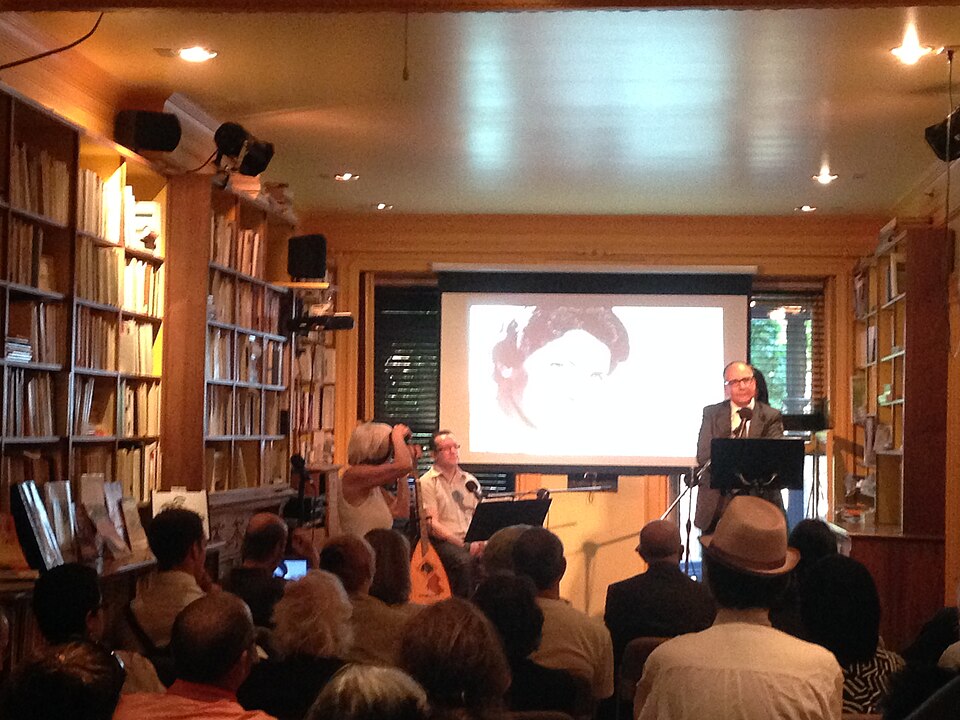
—Why was it so important to film the mountain and not just the city?
Because in the cities, women were already being looked at. But those in the mountains, at Mount Chenoua, were completely forgotten. Imagine a corner of the country where the elders hold within them all the memory of resistance, and no one comes to listen. It was unfair. These Kabyle mountains had seen so many stories of courage. With my camera, I wanted to say: look here too. Erased voices are not only in big cities. They are everywhere, especially where no one ever looks.
Erased voices are everywhere, especially where no one ever looks.
—Isn't it strange that you wrote in French, the language of the colonizers?
You've understood everything, and it troubled me for a long time. French was the language that came with colonization. I called it my langue marâtre: neither truly my mother tongue nor a foreign language. Imagine a coat given to you by force, but you decide to tailor it to your size. That's what I did. I took this language and turned it inside out, like a glove. I wrote in French to tell my country, my women, my memory. A language initially imposed became, in my hands, a weapon of freedom.
I turned the colonizer's language inside out like a glove.
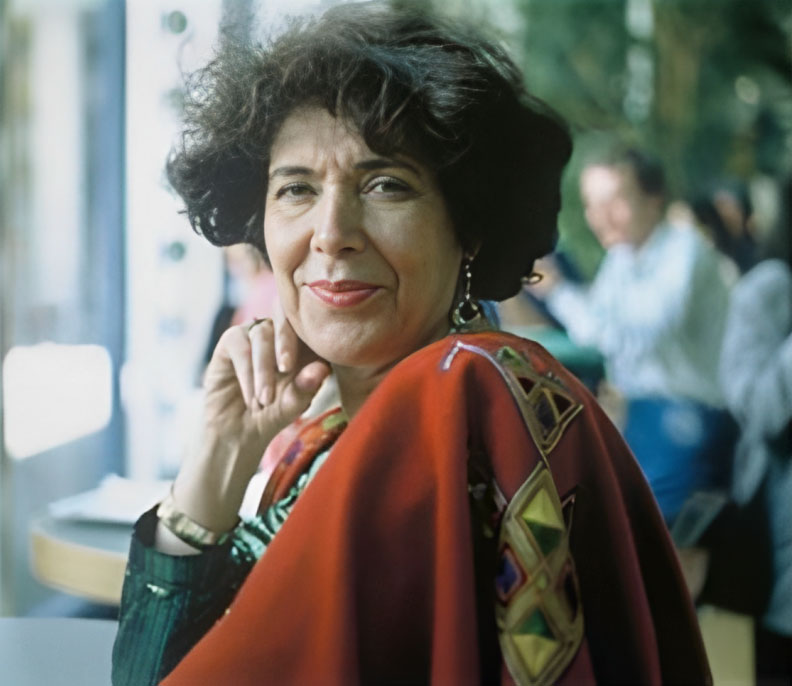
—You also used the old books of the colonizers? That surprises me.
Yes, and it always surprises! I had studied History, so I read colonial history books, the archives written by the French who conquered Algiers in 1830. But imagine: in those old papers, the soldiers talked about Algerians without ever really listening to them. So I did a clever thing. I took their own words and turned them against them. Between the lines, I looked for the Algerian voices they had erased. In L'Amour, la fantasia, in 1985, I mixed that old conquest with my own childhood.
I took the conquerors' words and turned them against them.
—What is the Académie française? And why was it special for you?
The Académie française is a very old institution, founded in 1635, where the guardians of the French language meet. They are called academicians. Imagine a very closed circle, almost always men, Frenchmen. And in 2005, they chose me, a woman born in Algeria. I was the first woman from the Maghreb to enter. I was even given an engraved sword, like a treasure. It was immense, my child. A little girl from Cherchell sitting under that great dome. But I did not enter alone.
A little girl from Cherchell, sitting under the great dome of the Académie.
—When you made your big speech, what did you talk about?
I talked about them. About all those Algerian women I had listened to during my life. On the day of my induction, in 2006, I stood before very important people. But in my mind, I saw the faces of the women from Mount Chenoua, those I had recorded. I paid tribute to them. You know, I felt like a daughter of two languages and two memories, Arabic and French. I did not choose between them. My honor that day, I did not keep for myself: I shared it with the voiceless.
My honor, I did not keep it: I shared it with the voiceless.
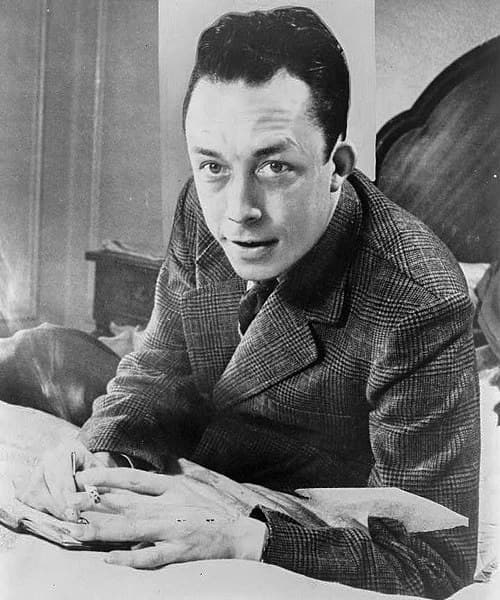
This imaginary interview was generated by artificial intelligence from sources documented in Assia Djebar's profile. It dramatises what the figure might have said based on what we know about them, but does not constitute attested historical testimony. For primary sources and factual documentation, refer to the full profile.