Imaginary dialogue between William Wills and Bessie Coleman
by Charactorium · Bessie Coleman (1892 — 1926) · Technology · Society · Exploration · 5 min read
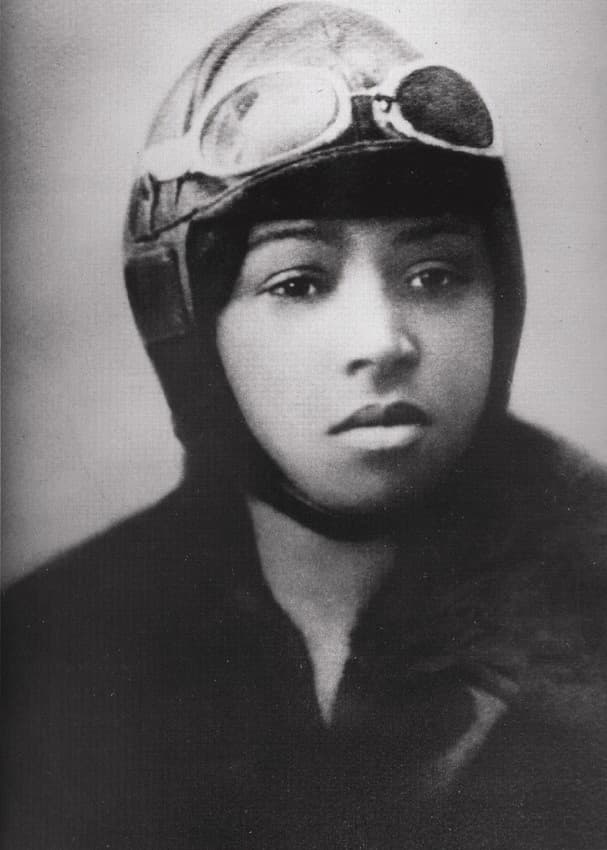
It is on the dusty tarmac of an airfield in Florida, one evening in April 1926, that William Wills joins Bessie Coleman near the Curtiss JN-4 they will inspect tomorrow at dawn. The bay wind flaps the wing fabric, and the smell of castor oil still lingers around the cooled engine. Mechanic and pilot, Wills knows every bolt of this aircraft as well as he knows the stubbornness of the one they call Queen Bess. Tonight, before the rehearsal, he comes to listen to her talk — not about glory, but about the long road that brought her here.
—Bessie, even before we first tightened our spark plugs together, you crossed the ocean to fly. Why France, and not a school back home?
Because no school back home would take me, William. I knocked on every door in Chicago and beyond: a woman, Black, they laughed in my face before I could finish my sentence. So I did what no one expected. I learned French in the evenings, after my manicure jobs, and I took the boat. At the Caudron brothers' school, in Le Crotoy, on the Bay of the Somme, they didn't look at me like a curiosity but like a student. On June 15, 1921, I earned my international license. When they close every door, you don't stand outside crying: you change continents.
When they close every door, you don't stand outside crying: you change continents.
—That FAI license, number eighteen thousand three hundred ten, you keep it like a relic. How did you feel the day they handed it to you?
I felt I held in my hand the proof that everyone was wrong. It wasn't just a paper, William; it was an answer to every school director who had turned his back on me. On that French field, no one had coddled me: spins, dead-stick landings, a classmate even died next to us during my training. So I knew what I was getting into. But when the Federation man handed me that license recognized in every country, I understood that the color of my skin could no longer bar me from the sky. No border in the world could keep me grounded now.
It wasn't just a paper: it was an answer to every school director who had turned his back on me.
—You who see me tinkering with these old Jenny bought from the army, you know their condition. In the morning, before a show, what do you think about climbing into the cockpit?
I think first of you, and your hands on the engine, because my life depends on what you tightened the day before. You know better than anyone: these JN-4s are war survivors, the fabric is tired, the controls are loose. So in the morning I never climb in without going over everything with the mechanic — engine, cables, wing. I check the few weather bulletins we can find. It's not mistrust, it's respect for the machine. A barnstormer who neglects his aircraft doesn't last long. I want to fly for a long time, long enough to open my school.
My life depends on what you tightened the day before.
—In the afternoon, in front of the crowd, you string together barrel rolls and low-level dives that chill my blood from the ground. What drives you to go so close to the ground?
Because an audience only remembers what takes their breath away, William. If I fly high and clean, they clap politely and go home. But if I dive down and pull up at the last moment, they will remember the Black woman who flew like no one else. And that's my real job: that they leave thinking an aviatrix of my color exists. Aerobatics isn't pride, it's my platform. In my leather suit, goggles, and helmet, I'm no longer a Chicago manicurist: I am living proof that the sky belongs to no race.
Aerobatics isn't pride, it's my platform.
—Between towns, you stay with families, never at a hotel. Does this life without a fixed roof weigh on you or lift you?
A bit of both, I won't lie to you. I sleep at Black families' homes, they cook me a meal — chicken, beans — like when I was little in Texas, because the restaurants and hotels of Jim Crow states are closed to me. It's tiring, this endless road, this always-packed suitcase. But every home that welcomes me, every child who watches me climb out of the plane — it lifts me more than it exhausts me. Chicago remains my home port; I go back to my people between tours. The rest of the time, my home is the cockpit and the road.
My home is the cockpit and the road.
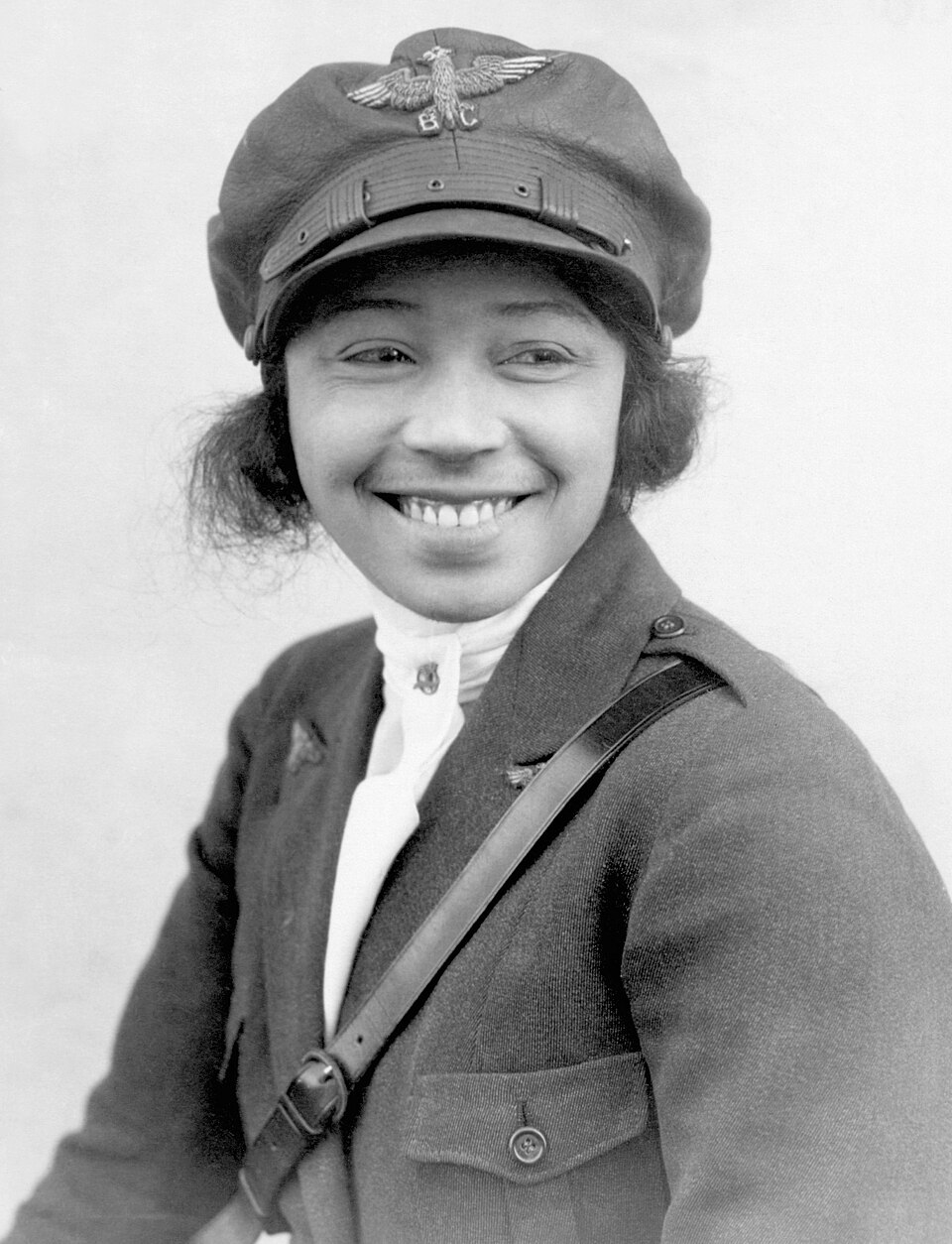
—I heard you canceled a show because they wanted to separate Whites from Blacks in the stands. Do you really want to lose your fee over that?
Without hesitation, yes. The day they told me about two entrances, one for Whites, one for Blacks, I said I wouldn't take off. Let the money stay in their pockets. Think about it, William: what's the point of flying to prove our equality, if I accept being penned like cattle at the foot of my plane? My plane never asks the color of who looks at it. I grew up under these laws that humiliate us; I wasn't going to serve them myself just for a show. Losing a fee, you can make up for it. Betraying my people, never.
My plane never asks the color of who looks at it.
—After your flights, you often rush to speak at Black churches and schools. What do you go looking for there, when you could be resting?
I go looking for the faces of tomorrow. In the evenings, in those churches and associations, I tell my story to young people who have been taught to lower their eyes. I tell them they can fly, study, rise up — that I crossed an ocean and they won't have to if I succeed in my project. Rest can wait. Each lecture plants an idea in a mind, and an idea flies farther than any plane. I don't just want to be admired in the sky: I want to be followed on the ground. That's why I talk as much as I fly.
An idea flies farther than any plane.
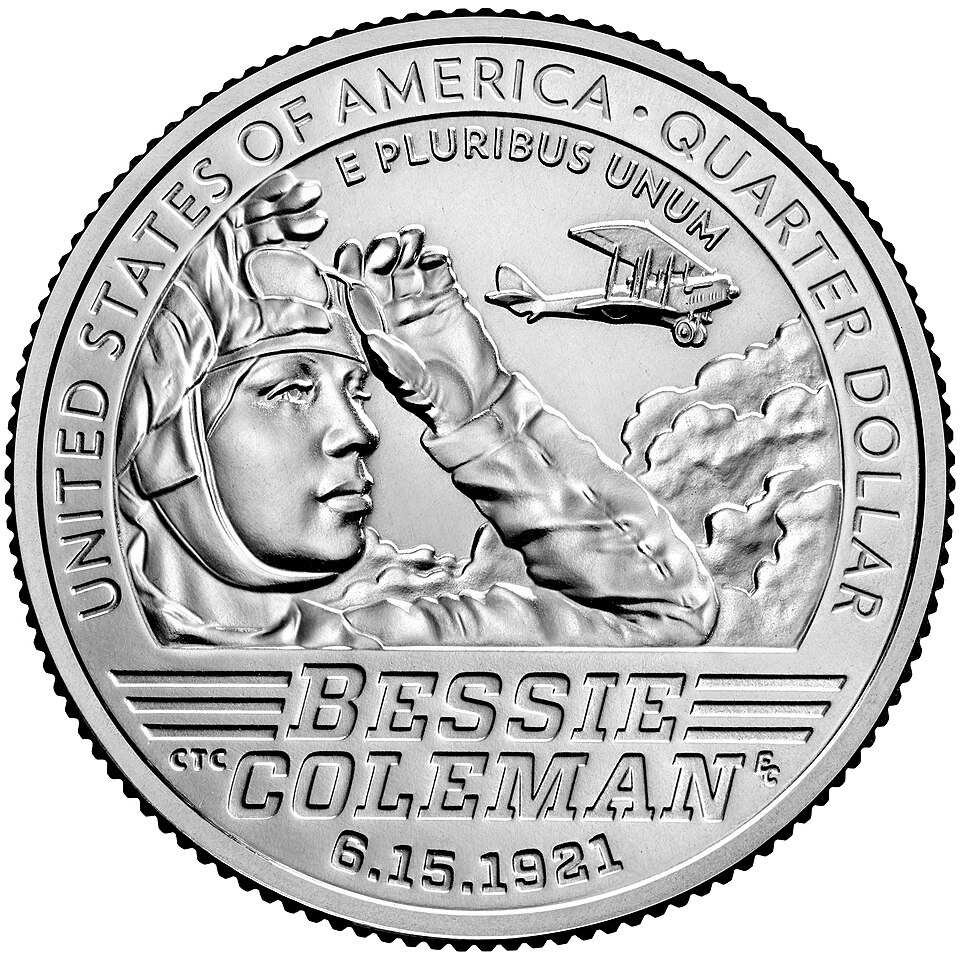
—This flight school for our people, you talk about it at every stop. Where do you really stand, between us?
Between us, it still exists only in my head and in the little I set aside. Every show I do, every fee I pocket goes to that: building the first flight school open to African Americans on American soil. So that never again will a girl from Texas be forced to learn French and cross the Atlantic like me. It's slow, William, terribly slow. But I'd rather do a thousand exhausting shows than have others suffer what I suffered. The day that school opens, my real flight will begin. The rest — aerobatics, glory — is just fuel.
The day that school opens, my real flight will begin.
—In 1923, in Santa Monica, your plane crashed and they thought you were lost. How do you find the courage to get back up after that?
You find it because you never had the choice to give it up. In Santa Monica, my engine failed, I broke a leg and ribs, I spent weeks in bed. Many thought Queen Bess was finished. But staying on the ground out of fear would have proved right all those who said a Black woman had no business in a cockpit. So as soon as I could walk, I took the controls again. I keep the fear; it makes me cautious. It's fear that makes me check every cable with you. But fear does not pilot for me.
I keep the fear; but it does not pilot for me.
—Tomorrow, when I'm at the controls and you lean out of the cockpit without a seatbelt to spot the ground, doesn't it worry you to fly so unstrapped?
I know what you're going to say, and you're right to be concerned. But to prepare a jump, I need to see the ground with my own eyes, lean over the edge, spot where the crowd will be. With the belt buckled, I can't see a thing. So I accept this risk knowingly. That's the job: you can't show people the impossible by staying safely strapped in. You'll fly straight, I know it, and I'll look at the ground as I should. We've done this a hundred times. Tomorrow will be just another rehearsal.
You can't show people the impossible by staying safely strapped in.
This imaginary interview was generated by artificial intelligence from sources documented in Bessie Coleman's profile. It dramatises what the figure might have said based on what we know about them, but does not constitute attested historical testimony. For primary sources and factual documentation, refer to the full profile.