Kids interview Bessie Coleman
by Charactorium · Bessie Coleman (1892 — 1926) · Technology · Society · Exploration · 5 min read
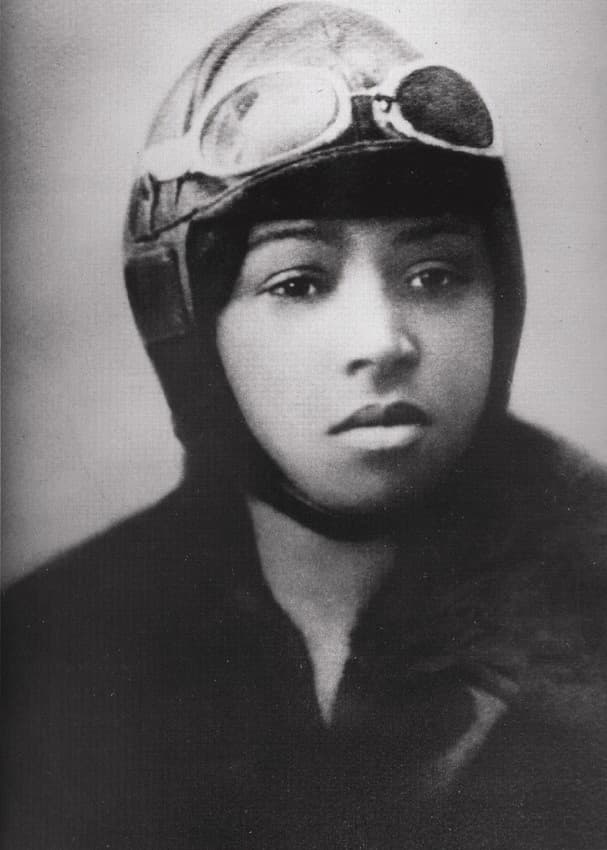
Two twelve-year-old students on a field trip push open the door of an old hangar. A woman in a leather flight suit waits for them near a biplane. She smiles: 'Come closer, I have so many things to tell you about the sky.'
—Why did you come all the way to France to learn to fly?
You know, my child, back home no one wanted me. I knocked on every door of American flight schools. Everywhere the same answer: no, because you're a woman, no, because you're Black. Two no's for the same person. So I did a crazy thing: I learned French, word by word, in the evenings. Then I crossed the ocean on a boat. Imagine whole days seeing nothing but gray water. At the Caudron brothers' school, by the sea, I finally took off. In 1921, I held my license in my hands. No one could take it from me anymore.
They told me no twice, so I crossed an ocean for a yes.
—Was it hard learning French all by yourself?
Oh yes, it was like climbing a hill while constantly slipping. I worked as a manicurist in Chicago, taking care of people's hands all day. In the evenings, tired, I repeated words I didn't understand. But you see, I had a reason stronger than my fatigue. I knew that at the end of those words was the sky. Every French phrase learned was a little piece of wing. When I arrived in France, I could finally listen to my instructor explain how to hold the stick. Learning a language, my child, can become a pair of wings.
Every word learned was a little piece of wing.
—What was your plane like inside?
Imagine a very simple machine, made of wood and fabric, with two pairs of wings one above the other. Mine was called a Jenny, a Curtiss JN-4. There was no roof! The cockpit was open to the wind. So I wore a brown leather suit, a tight helmet, and big goggles to protect my eyes. Without them, wind and insects blind you. These planes were bought from the army, often old and tired. Every morning I checked the engine, the cables, every wing with my mechanic. Up there, no one can help you if something breaks.
My plane was made of wood and fabric, open to the wind.
—Were you scared before taking off?
You know, fear was always there, in my stomach. But I tamed it. In the morning, before every flight, I always did the same thing: I touched the engine, listened to its sound, checked if the control surfaces moved properly. The control surfaces are the small movable parts that turn the plane. This inspection was my ritual to reassure myself. I was once badly injured in an accident, in Santa Monica, in 1923. A broken leg, broken ribs. And yet I got back up. Fear never really left. But I refused to let it decide my life for me.
Fear was in my stomach, but I refused to let it decide for me.
—Why were you called Queen Bess?
Ah, that nickname! The Black press gave it to me: 'Queen Bess.' Because I did breath-taking stunts. I climbed very high, then dove toward the ground, spun around. That's called aerobatics. Thousands of people came to watch me. But you know, I didn't fly for glory. At each show, I earned a little money, and I put it aside. I had a precise dream in my head. I wanted to be admired, yes, but above all I wanted people to dream with me.
They called me Queen Bess, but I didn't fly for glory.
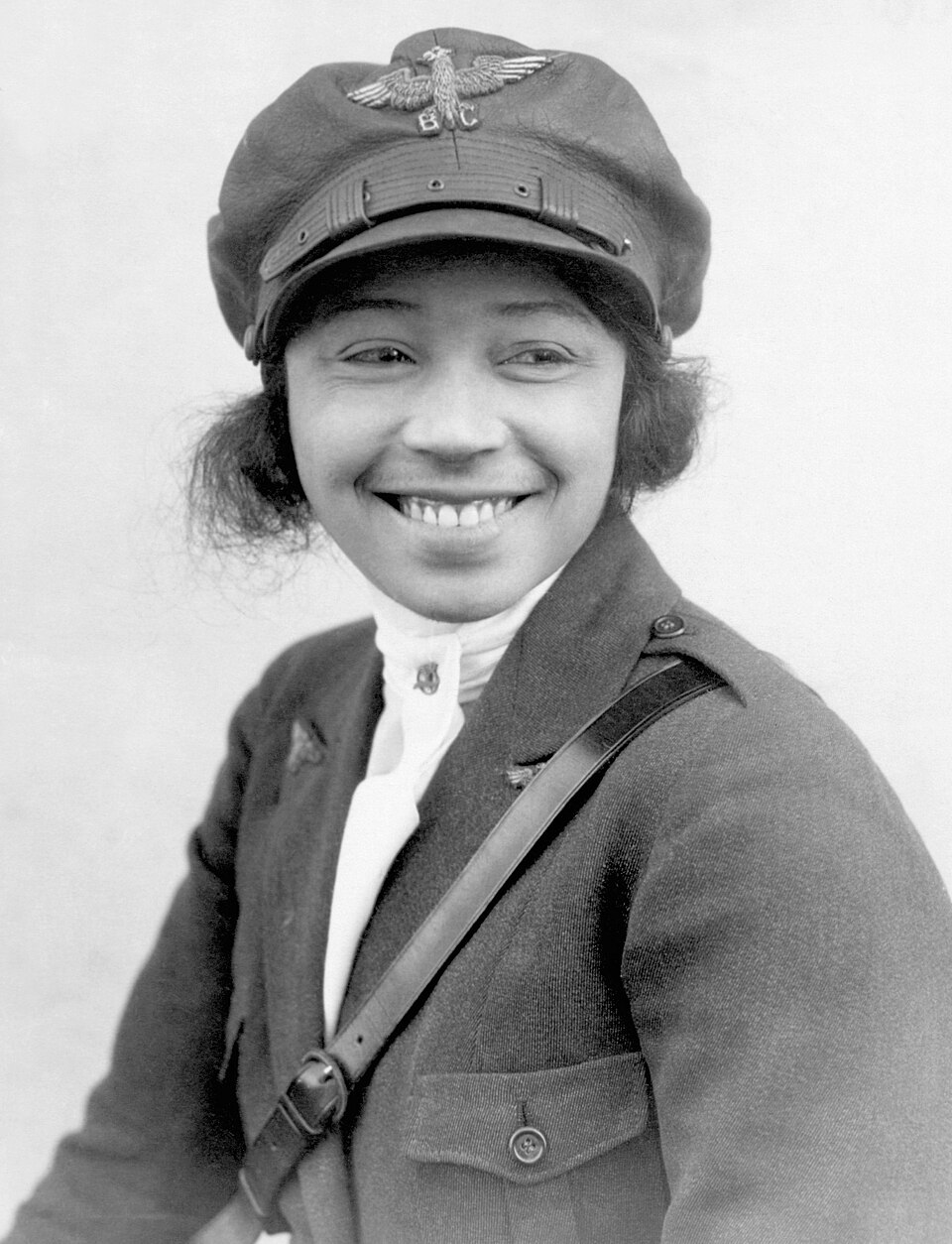
—What was your big dream with all that money?
My greatest dream, my child, was a school. A flight school where African American children would finally be accepted. So that never again would anyone have to cross an ocean like me to learn to fly. Can you imagine the injustice? Having to go to the other side of the world just because they don't want you at home. So between my shows, I went to churches and schools in Black neighborhoods. I spoke to young people, I told them: the sky belongs to you too. I didn't have time to finish that school. But I believe others built it after me.
I wanted that never again would a child have to cross an ocean to learn to fly.
—Is it true you refused to fly before certain audiences?
Yes, it's true, and I'm proud of it. In my time, in many cities, people were separated: Whites on one side, Blacks on the other. Even to enter a stadium to watch a plane! One day, organizers wanted two separate entrances to come see me. I said no. If the audience is separated, I don't fly. They told me I would lose my fee, my money. I still said no. For me, the sky is the same for everyone. A plane doesn't ask your skin color before carrying you.
The sky is the same for everyone.
—Did all that separation between people make you sad?
Sad and angry at the same time, my child. They were called Jim Crow laws: rules that separated Blacks from Whites everywhere, in trains, restaurants, schools. I grew up with that in Texas, in a very poor family that farmed other people's land. So when I became famous, I decided to use my celebrity. Every time I said no to a segregated audience, it was a small stone thrown against that wall. One stone alone doesn't bring down a wall. But you know, many small stones eventually crack it.
One stone alone doesn't bring down a wall, but many eventually crack it.
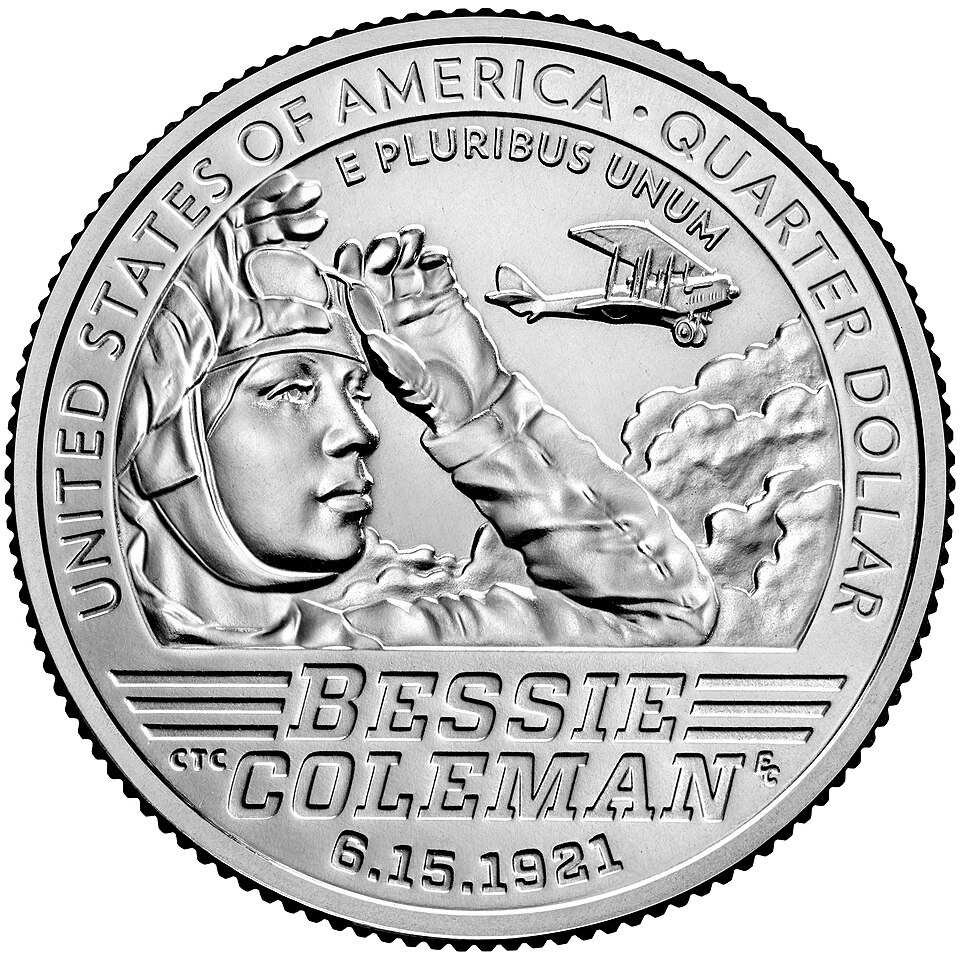
—Where did you sleep when you traveled from town to town?
Ah, good question! I had no real home during those years. I went from town to town, at the pace of my shows. They called it barnstorming: flying from fair to fair to make a living. In the evening, hotels often closed their doors to me because of my skin. So Black families took me in. They prepared a hot meal, a bed. It was full of warmth, you know. Chicago remained my home base, where I could find my family between trips. I owned few things. But everywhere I went, friendly hands reached out to me.
Hotels closed their doors to me, but families opened theirs.
—What did you eat when you were little in Texas?
Simple food, the food of poor people who work the land. Corn, black beans, vegetables from the garden we grew ourselves, sometimes chicken on good days. Nothing fancy, but made with care. I was a sharecropper's child: my family farmed a field that wasn't even ours. Later, on tour, I mostly ate what Black families prepared for me, since so many restaurants refused me. You see, a table where you're welcomed is worth all the palaces. Those shared meals are also what gave me the strength to fly.
A table where you're welcomed is worth all the palaces.
—If you are remembered today, what would you like people to remember?
My child, if someday you think of me, don't remember my fall. Remember my flight. I was a poor little girl from Texas, told a thousand times 'it's impossible.' And I ended up holding a real pilot's license in my hands, the first African American woman to do so. If I could, then you can too. No matter what they tell you is impossible. Find your hill, learn your words one by one, prepare your wings. And one day, be ready to take off. The sky, believe me, never asks anyone's permission.
Don't remember my fall, remember my flight.
This imaginary interview was generated by artificial intelligence from sources documented in Bessie Coleman's profile. It dramatises what the figure might have said based on what we know about them, but does not constitute attested historical testimony. For primary sources and factual documentation, refer to the full profile.