Imaginary dialogue between Eleanor Roosevelt and Betty Friedan
by Charactorium · Betty Friedan (1921 — 2006) · Society · Literature · Politics · 4 min read

It is spring 1962, in the quiet of Val-Kill, her country home overlooking the Hudson, that Eleanor Roosevelt receives Betty Friedan for tea. The river light streams through the low windows, and on the table lie pages from the President's Commission on the Status of Women, which Eleanor has chaired for a year. The two women had crossed paths in this patient work of documenting inequalities; Betty is finishing a manuscript that has kept her awake for five years. The elder, tired but sharp-eyed, wants to understand where her junior's fire comes from.
—Betty, even before our Commission began its work, you had already questioned women. Where did you get the idea for a questionnaire?
From the vanity of a college reunion, Eleanor, if you can believe it. In 1957, for the fifteenth anniversary of my graduating class at Smith College, I sent a long questionnaire to my classmates, convinced I would find fulfilled women. I expected bright answers; I received confessions. Brilliant graduates, married, surrounded by children, described a void they dared not name, a dissatisfaction they thought was theirs alone. I ended up calling it the problem that has no name. What your Commission measures in columns of figures, I received in handwritten confidences — and believe me, confidences hurt more.
I expected bright answers; I received confessions.
—You speak of brilliant graduates. You were one yourself, and I'm told a doctoral fellowship was within your reach. What did you do with it?
I let it slip away, and it is a wound I still carry. Upon graduating from Smith, I had won a fellowship for a Ph.D. in psychology at Berkeley. A man I loved made me feel that pursuing it would mean losing him, and the people around me did the rest: a woman too learned frightens. I gave it up, thinking I was choosing freely. Later, as a freelance journalist and already a mother, I was fired because I was expecting my second child — it was common, it was legal, no one was outraged. That day I understood that my Berkeley renunciation was not a personal accident: it was a system, patient and polite, that put women in their place.
I gave it up, thinking I was choosing freely.
—We are neighbors on this river, Betty: you in Grand View, I here. This quiet suburb, you live in it yet you judge it harshly. Isn't that contradictory?
That is my whole contradiction, Eleanor, and it made me clear-sighted. I write against the suburban house from inside that very house, between two loads of laundry and the children coming home from school. My kitchen in Rockland County is my field of inquiry. There I dissected women's magazines — McCall's, Ladies' Home Journal — which sell women the happiness of shoe polish and homemade cake as a sacred vocation. I was living the advertisement I was busy dismantling. You cannot describe a prison as well as by living in one of its cells, all the while knowing that the door is only apparently locked.
I write against the suburban house from inside that very house.
—These magazines you accuse, most women like them. Aren't you afraid of telling an entire generation that they have chosen the wrong life?
I fear it every morning, and yet I continue. My reproach is not aimed at women; it is aimed at the image that has been sold to them as a national ideal, this feminine mystique that makes them mistake suffocation for fulfillment. I do not want to tell them they have chosen the wrong life; I want to tell them that the unease they hide is not a private fault, nor a personal neurosis. It is the result of collective conditioning. The day a woman understands that millions of others are silently suffocating in the same kitchen, she stops being ashamed — and that is exactly where something can finally shift.
This unease they hide is not a private fault: it is the result of collective conditioning.
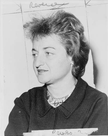
—Our Commission documents, writes, recommends. You, I sense, find this too slow. What more do you think is needed?
You are right to sense it, and forgive my impatience to a woman of your wisdom. Your Commission does admirable work, but a report sleeps in a drawer if no one knocks on Congress's door. Look at what Black people are accomplishing in the South: they organize, they march, they demand. I dream that women will one day have an organization of their own, pragmatic, capable of filing lawsuits, influencing laws, demonstrating if need be. Documenting injustice is not enough; one day, there must be a force to fight it. That day, believe me, I will be part of it.
A report sleeps in a drawer if no one knocks on Congress's door.
—Betty, I raised six children while leading my public life, so one thing worries me: does your struggle require women to renounce family?
Absolutely not, Eleanor, and you are well placed to hear me on this. I already distrust the voices that will want to pit woman against home, wife against activist, as if one had to choose sides. That would be a betrayal of everything I believe. I love my children; I am not asking women to abandon love, care, family — I am asking that we stop confining them there as if it were their only destiny. And men will have to be part of it, one day: as long as they remain strangers to this issue, we will win only halfway. A feminism that denied human tenderness would condemn itself.
I am not asking women to abandon love: I am asking that we stop confining them there.
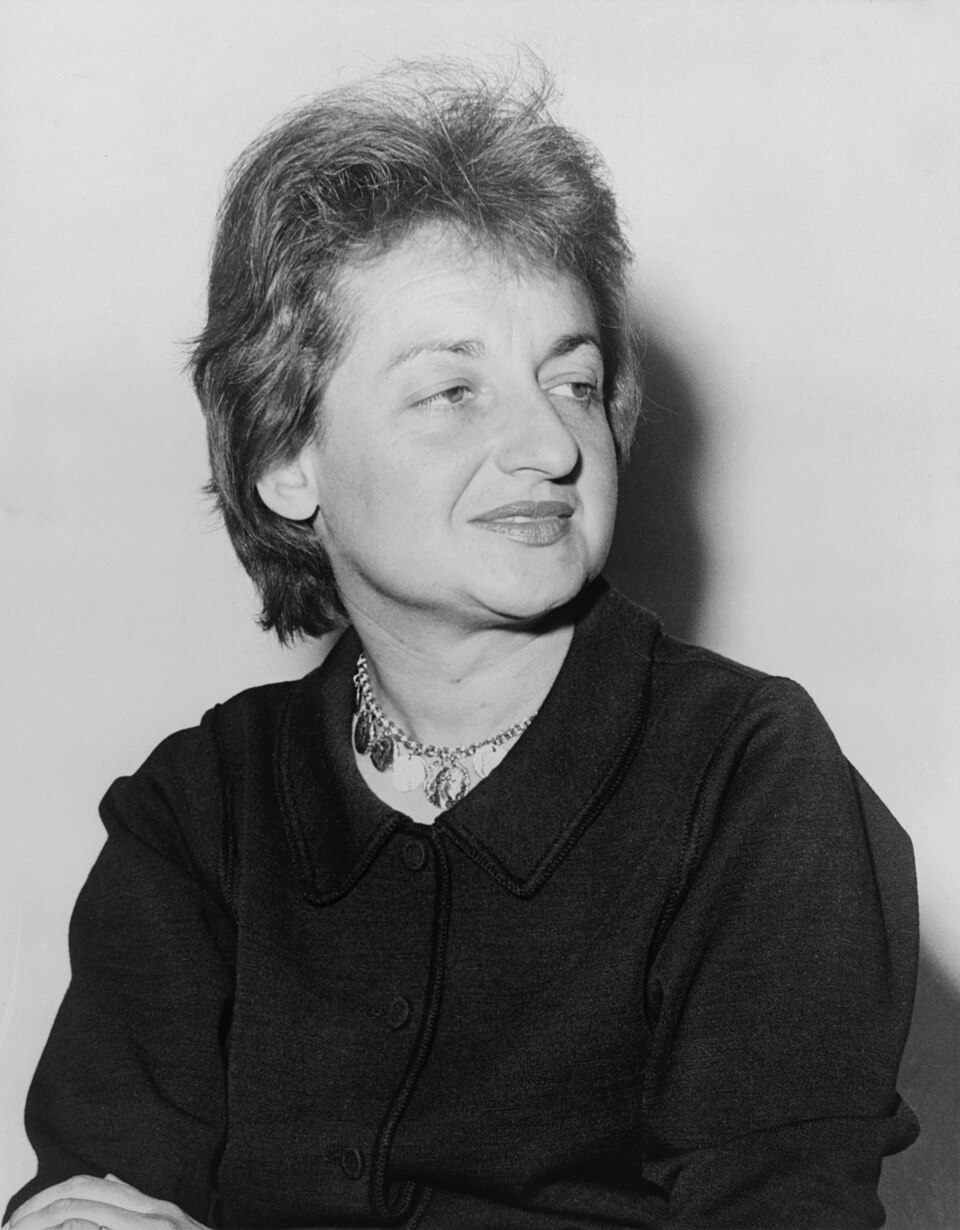
—You speak of including men. Many around you will find that naive. Do you really insist that this struggle not be waged against them?
I insist absolutely, even if it makes me seem lukewarm to the most ardent. A movement that makes half of humanity its enemy would deprive itself of half its strength. Men too are mutilated by this machinery: expected to bear the burden of the household alone, forbidden tenderness, judged solely by their income. Freeing women also means giving men back to themselves. I prefer an equality that reconciles to a revenge that divides. I will be criticized for it, I know it already — they will say I am too conciliatory. But I have never sought to be right alone: I seek for us to win together, and sustainably.
I prefer an equality that reconciles to a revenge that divides.
—This manuscript that has kept you awake for five years — what do you hope for it, very sincerely, between us?
Sincerely? I am afraid, Eleanor. Afraid it will fall into silence, afraid too that it will make noise. I put into it my Smith questionnaire, endless interviews with housewives, psychologists, my analysis of magazines — five years stolen from household chores. I seek neither glory nor scandal: I want a woman, somewhere in her kitchen, to close it thinking she is not crazy, and that she is not alone. If this book manages to name what so many women feel without words to say it, then it will have done its job. The rest, the future will decide.
I want a woman to close this book thinking she is not crazy, and that she is not alone.
—One last thing, Betty. You know I no longer have all my strength. If our Commission closes its doors, who, in your opinion, will carry the torch?
Do not speak that way; your presence is precious to us. But since you ask: the torch will not be held in a single hand, nor in a single commission. It will take ordinary women, by the thousands, determined to no longer wait for permission. You have opened an official door; others, younger, must rush through it and refuse to let it be closed. I do not yet know what form it will take — an organization, marches, lawsuits — but I know that the problem that has no name, once named, will not be lulled back to sleep. You have taught me, in our meetings, the patience of a job well done. I will try to add to it the impatience of those who have waited too long.
The problem that has no name, once named, will not be lulled back to sleep.
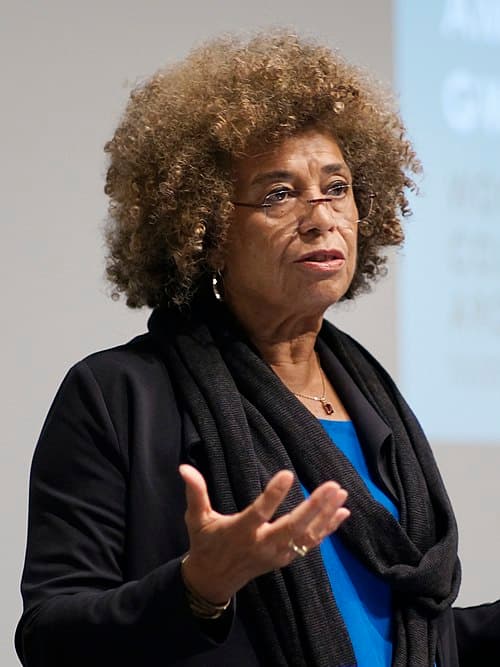
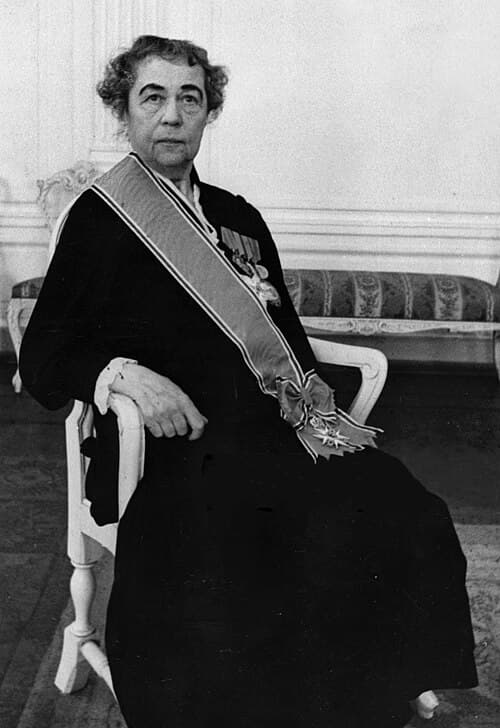
This imaginary interview was generated by artificial intelligence from sources documented in Betty Friedan's profile. It dramatises what the figure might have said based on what we know about them, but does not constitute attested historical testimony. For primary sources and factual documentation, refer to the full profile.