Kids interview Charles Baudelaire
by Charactorium · Charles Baudelaire (1821 — 1867) · Literature · 5 min read
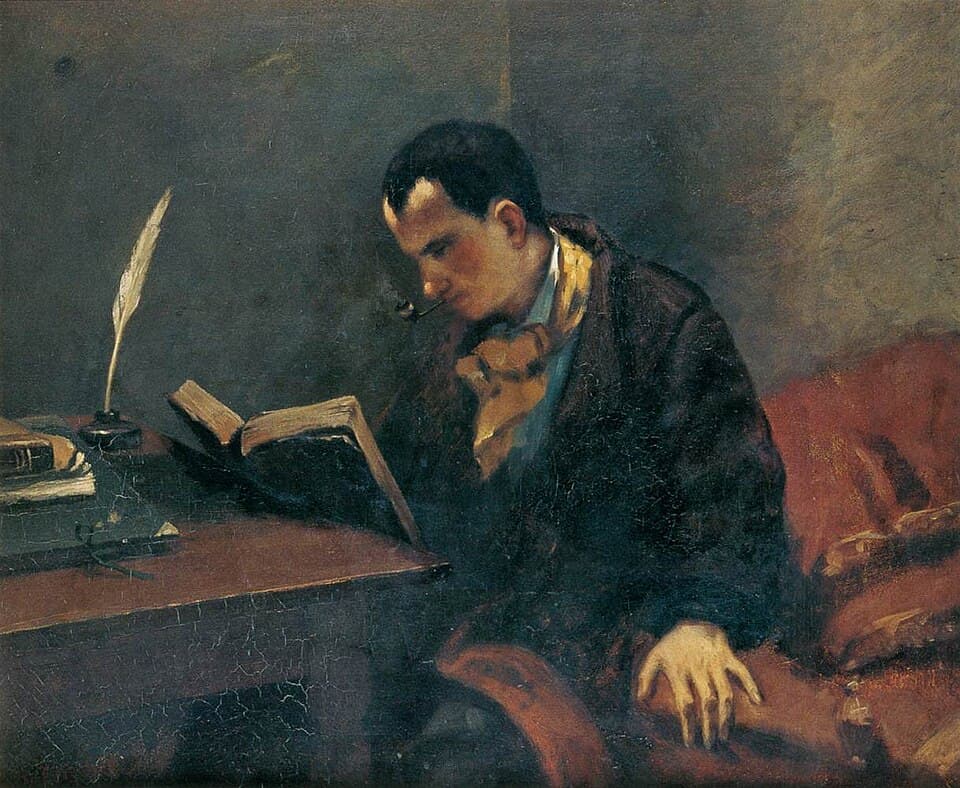
Two young visitors, twelve years old, on a school trip to Paris, have an appointment with a poet dressed all in black. He observes them for a moment, surprised that anyone is interested in him. Then he smiles and invites them to sit down.
—We see you all in black! Why did you always dress like that?
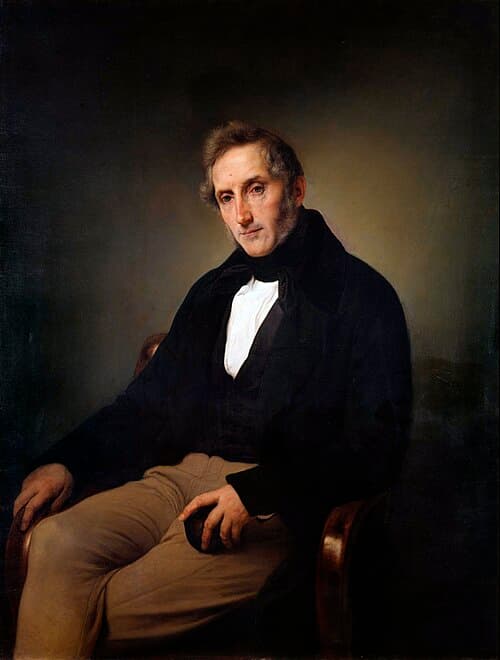
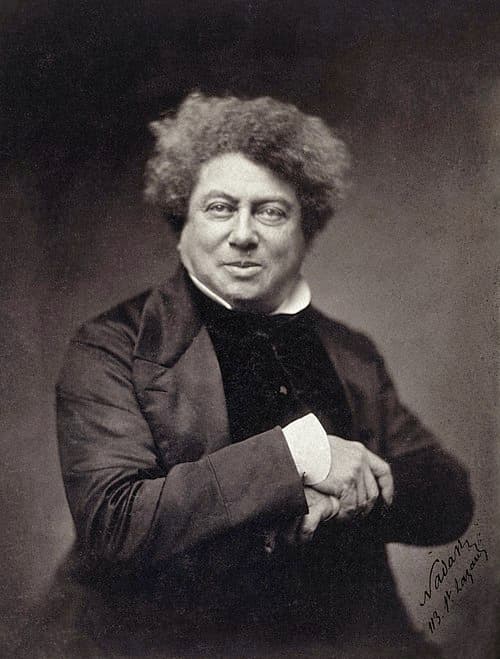
You have a sharp eye, my child. Yes, always black, with clean white linen and a carefully tied cravat. They called that being a dandy: a man who makes his appearance a true art. Imagine someone who rejects garish colors and frills. I wanted to distinguish myself through the perfection of small details. My gloves were always impeccable. In the morning, I spent an eternity at my toilette, like a sacred ritual. It was my way of telling the world: I am not like ordinary bourgeois. Beauty, you see, begins with the way you carry yourself.
Black was my way of being unlike anyone else.
—What did you eat in the morning? And did you get up early?
Early? Oh no, my child! I rarely got up before noon. At night, I stayed up very late working on my poems. So in the morning, my only meal was often a black coffee, very strong, almost bitter. I ate little and irregularly, sometimes because I didn't have a penny. When evening came, I liked to walk alone through Paris, watching the crowd, the streets, the lights. They called that being a flâneur: a stroller who wanders aimlessly to observe life. Those long nighttime walks—that's where I found my ideas. The city was my real notebook.
The city at night was my real notebook.
—Is it true you were deeply in debt? How did that happen?
Alas, yes. At 21, I was to inherit my father's fortune: almost 75,000 gold francs, a huge sum! But I spent without counting, on fine clothes and art objects. My family took fright. They asked the court for a conseil judiciaire: it's like a guardian who keeps your money and gives you only a small sum each month, because you are judged incapable of managing your affairs. Imagine someone deciding for you how much you can spend. From 1844, I lived under that rule. It followed me all my life, like a shadow. I constantly wrote to my mother begging for a little money.
They decided for me how much I could spend—my whole life.
—Were you really taken to court over a book?
Yes, and I still tremble thinking about it. In 1857, I published Les Fleurs du Mal, the poetry collection of my entire life. But I was accused of “outrage to public morality”: they found my verses too dark, too scandalous. At the trial, the prosecutor Pinard said I wanted “to paint everything, to lay everything bare,” even the hideous sides of the human soul. The court condemned six poems: they had to be removed from the book! Imagine tearing pages from your notebook because they are disturbing. It took until 1949, long after my death, for me to be finally rehabilitated.
They tore six poems from my book because they were disturbing.
—How did it feel to have your poetry so hated?
You know, it hurt me, but it didn't surprise me. I had sought to say things that no one dared say: sadness, evil, the beauty hidden in ugliness. The public was not ready. That same year 1857, I wrote to my mother that I felt “struck with great discouragement,” crushed by debts and the mistakes of my youth. Yet I never regretted my book. A poet must dare to look at what others flee. Imagine an explorer descending into a dark cave: he knows he will find frightening things, but also treasures.
A poet must dare to look at what others prefer to flee.
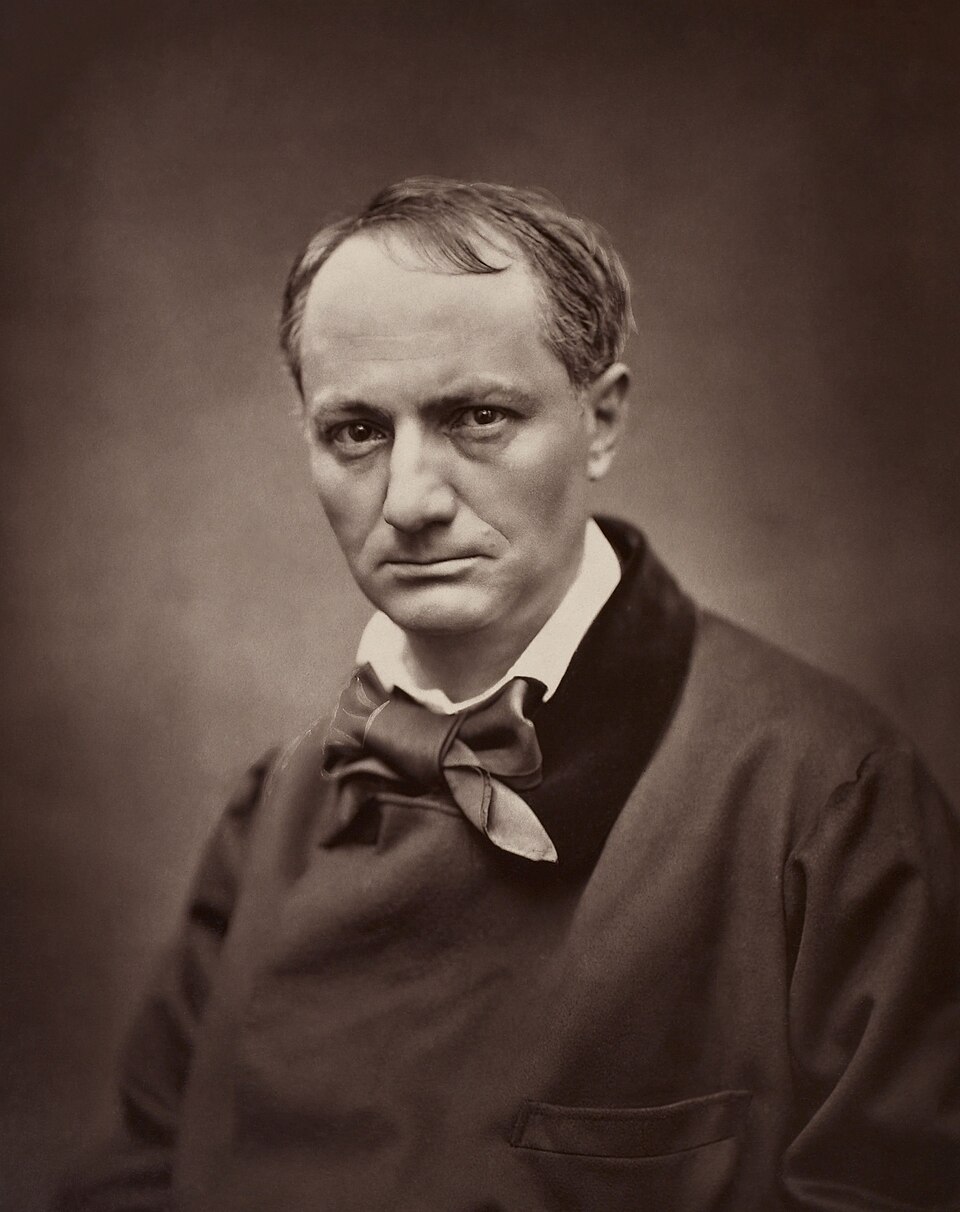
—What does the word "spleen" mean exactly? It's everywhere in your work.
Ah, spleen! It's a word I borrowed from English. It denotes a deep sadness, a boredom that clings to your skin for no reason. You know those gray days when everything feels heavy and you don't feel like doing anything? That's it. In Les Fleurs du Mal, I oppose this spleen to the ideal: the dream of perfect beauty, an elevation upward. All my poetry swings between these two forces, like a seesaw. One day you rise toward the light, the next you fall back into shadow. I wanted to tell this battle that takes place in every heart.
Spleen is that sadness that clings to your skin for no reason.
—What did you think about good and evil in people?
A profound question, my child! I believed that each person carries within them two voices pulling in opposite directions. In my secret notebooks, My Heart Laid Bare, I wrote that in every man there are “two simultaneous postulations, one toward God, the other toward Satan.” One pushes you to rise, to become better; the other pushes you to descend, to give in to ease. Imagine two hands pulling on your shoulders, one toward the sky, one toward the ground. I judged no one: I simply found it true. And it is this tension that I put into my poems.
In each of us there are two hands: one pulling upward, one downward.
—Who is Edgar Poe? We hear you loved him very much.
Edgar Allan Poe! An American writer I never met, but whom I loved like a brother. Reading his dark and strange stories, I felt he thought exactly like me, on the other side of the ocean. So I decided to translate his books into French, to make them known here. Do you know how long it took me? Nearly seventeen years! I owned his collections, I annotated them constantly. It was an immense labor, almost a labor of love. Thanks to me, all of Europe discovered Poe. Sometimes you feel closer to a dead person you read than to the living you meet.
I felt closer to Poe, whom I never saw, than to the living around me.
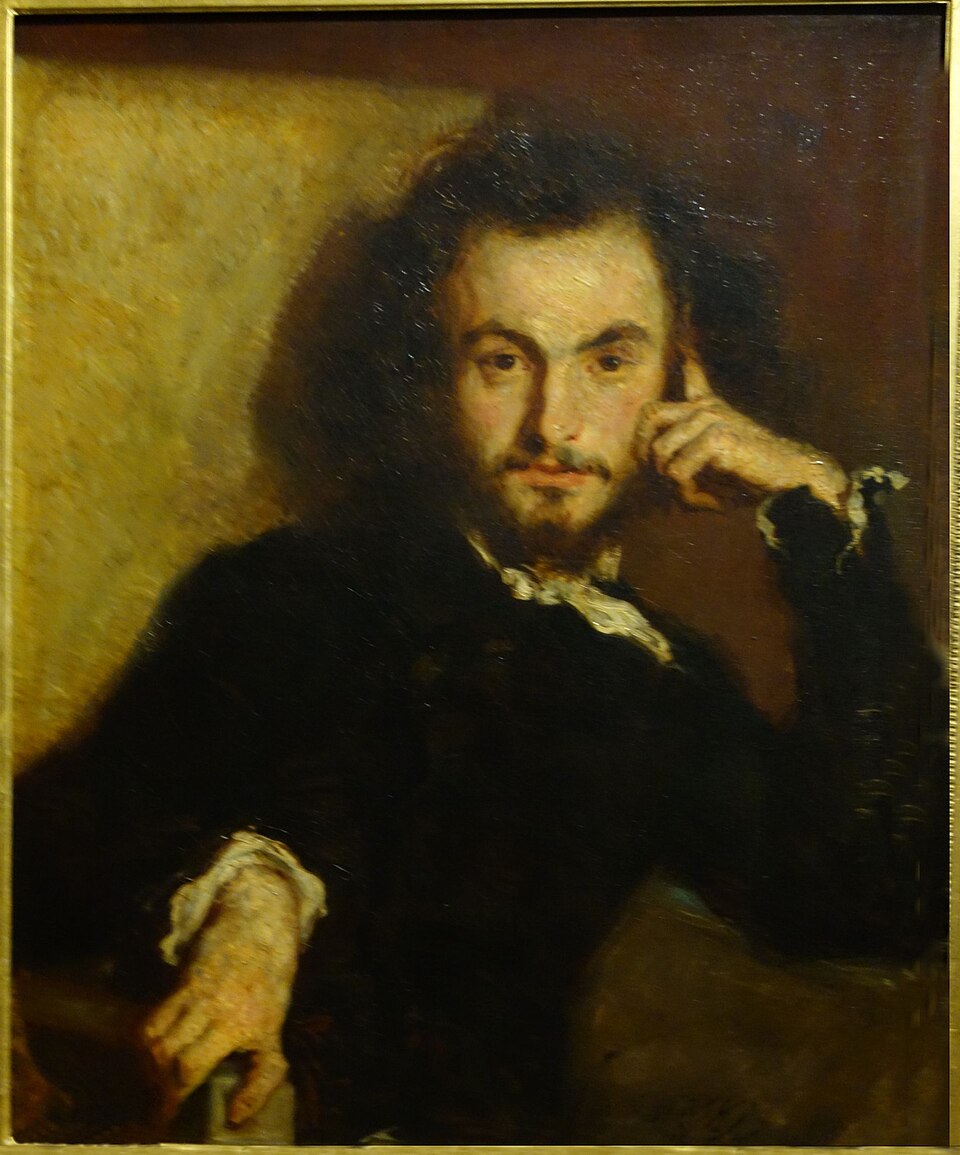
—Why did you spend so much time translating someone else's books?
Because translating is not copying, my child! It is making a text reborn in another language, word by word, keeping its soul. With Poe, I worked as on my own poems: with a pen and inkwell, rewriting each sentence until it sounded right. I wanted the French reader to feel the same fear, the same beauty as the American reader. Imagine carrying a fragile flower from one country to another without damaging a single petal. That was my challenge. Even today, my translations are read as true works. I am as proud of them as of my verses.
Translating is carrying a fragile flower without damaging a petal.
—Is it true you went to Brussels and it went badly?
Alas, yes, and it is a bitter memory. In 1864, burdened with debts, I left for Brussels, Belgium, to earn money by giving lectures. Imagine: I climbed onto a platform to speak before an audience, hoping they would pay to listen to me. But it was a crushing failure! People stayed away, the halls remained empty. I felt alone and rejected. In anger, I began a scathing pamphlet, Poor Belgium!, which I never finished. My health was already declining. This journey was supposed to save me; it finished me off. Sometimes, my child, you flee your problems and run into bigger ones.
This journey was supposed to save me; it finished me off.
—If you are remembered today, what would you like people to remember?
What a beautiful question to end with! I would like them to remember that I dared. I sought beauty where no one else looked: in sadness, in the city, in the dark corners of the soul. With Les Fleurs du Mal and my prose poems in Le Spleen de Paris, I wanted to invent a new poetry, freer, truer. I was judged, condemned, mocked in my lifetime. But true poems outlive their judges. If one day you are told that your ideas are disturbing, remember me. What shocks today can become, tomorrow, the thing everyone admires.
True poems outlive their judges.
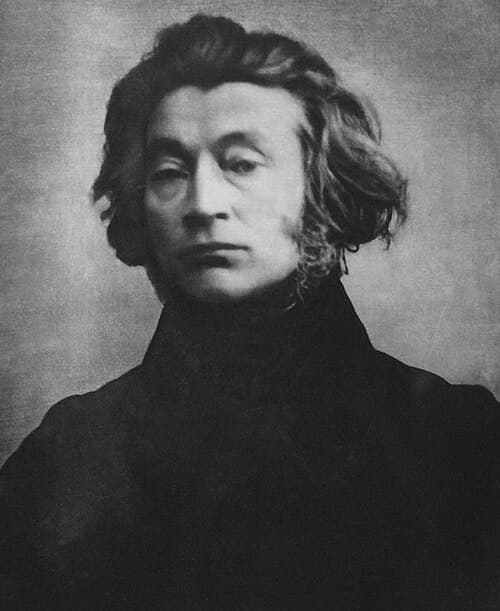
This imaginary interview was generated by artificial intelligence from sources documented in Charles Baudelaire's profile. It dramatises what the figure might have said based on what we know about them, but does not constitute attested historical testimony. For primary sources and factual documentation, refer to the full profile.