Kids interview Christina Rossetti
by Charactorium · Christina Rossetti (1830 — 1894) · Literature · 5 min read
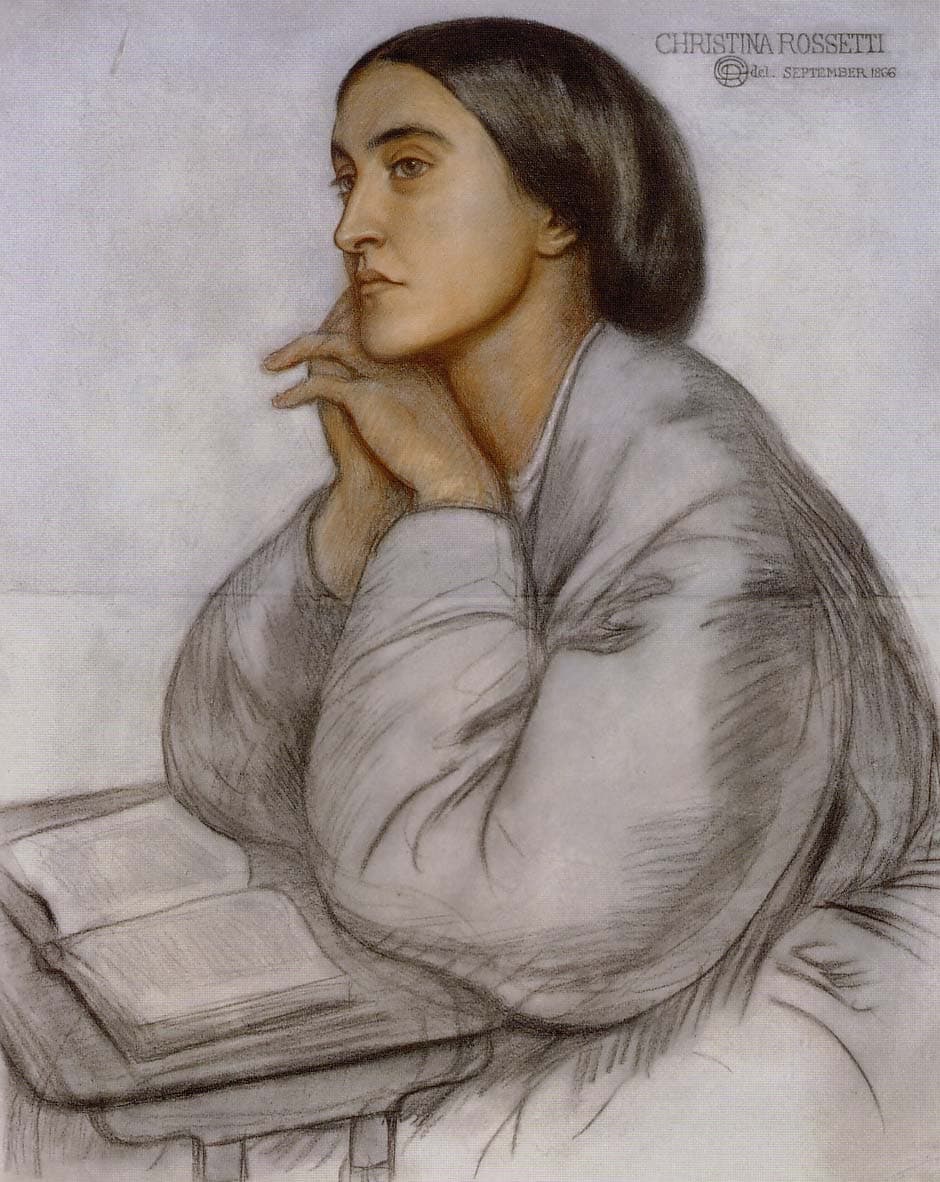
Two students of about twelve years old push open the door of a London sitting room cluttered with books and paintings. Seated near the fireplace, a lady with a grave yet gentle gaze welcomes them. She is Christina Rossetti, poetess, and she is touched that children have come to listen to her.
—What was it like growing up in your house when you were little?
You know, my child, I was born in 1830 in a house on Charlotte Street, in London. Imagine rooms full of books, paintings, and voices that spoke both Italian and English. My father came from Naples, he was an exiled poet. At home, we recited verses the way other families sing. My brothers painted, my sister also wrote. I grew up surrounded by artists, with the smell of ink and coal in the fireplace. Very early, I understood one thing: words could be a home, too. A home where I felt at ease, even when I was sad.
Words could be a home, too.
—Is it true that your brother painted you as the Virgin Mary?
Yes, it's true! My brother Dante Gabriel painted me as Mary in a painting he called Ecce Ancilla Domini, in 1850. I was twenty. I posed for hours, still, while he painted. It was tiring, you know, staying motionless for so long. But he and his friends had founded a brotherhood of painters, the Pre-Raphaelite Brotherhood. They wanted to paint with sincerity, like artists before Raphael. That same year, my first poems appeared in their magazine, The Germ. I signed them with a false name, Ellen Alleyn. A girl who wrote, in my time, had to hide a bit.
—Why did your poem about goblins cause such a stir?
Ah, Goblin Market! I published it in 1862. It's the story of little merchants, the goblins, who cry in the streets: "Come buy our orchard fruits" — come buy our orchard fruits. Two sisters listen to them, and one tastes the forbidden fruits. Many thought it was a children's tale. Then critics saw something else: a story of temptation, sin, and forgiveness. The rhythm was so strange, almost an incantation, that some doubted a woman could have written it. That, my child, made me smile. And a little sad, too.
Many thought it was a children's tale; it was much more than that.
—But really, what are those forbidden fruits about?
Good question! I won't explain everything, because a poem keeps its secrets. But imagine two sisters. One disobeys and tastes the goblins' fruit; she falls ill, as if drained by too strong a desire. The other saves her by risking everything for her. Deep down, it's a story of temptation, yes, but above all of sisters who love and redeem each other. In my Victorian era, people talked a lot about sin and forgiveness. I believed in it deeply, I who prayed every day. The true hero of my poem is not the fruit: it is love that saves.
The true hero of my poem is love that saves.
—Why did you never marry?
I was asked twice, you know. The first time, in 1850, it was a painter, James Collinson. But he had left my religion for Catholicism, and I said no. The second time, in 1866, a very gentle man, Charles Cayley, a language scholar. He practiced no faith. I said no again. You think that's harsh, perhaps? For me, my faith came before everything. I could not share my life with someone who did not share my prayer. So I remained alone. It put melancholy into my poems, it's true. But I never betrayed what I believed.
I remained faithful to my prayer, even alone.
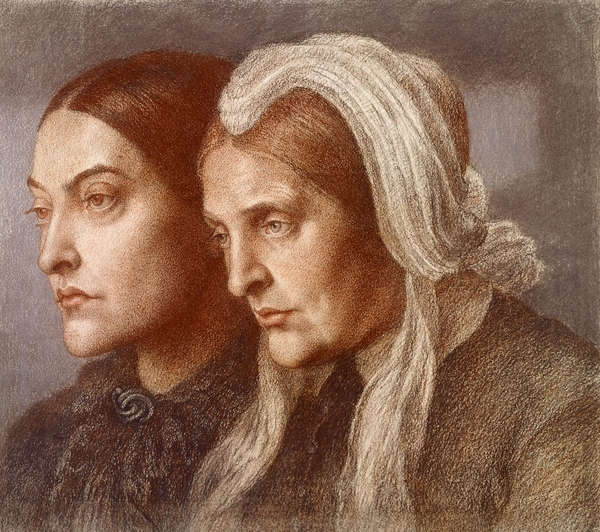
—What did you do in the morning when you woke up?
I rose early, my child, often before dawn. My first thing was prayer and reading the Scriptures. I always had a Bible near me, with underlined passages. Then I walked to my church, Christ Church, on Albany Street, for morning service. I belonged to what is called High Church, very close to Catholic rites. It was in those quiet hours, before the house woke up, that I jotted down my first verses in a notebook. The morning silence was my best friend. I dressed simply, in a dark dress: bright colors were not for me.
—Is it true that you helped women in difficulty? Who were they?
Yes. For years, I volunteered at a home in Highgate, St. Mary Magdalene House. It took in what were then called fallen women. They were very poor women, often driven to the streets, selling their bodies to survive. Society harshly rejected them. I did not want to judge them. I went there several times a week, I talked to them, I helped them start a new life. You know, writing beautiful poems is good. But reaching out to someone everyone despises counts even more.
Reaching out to someone everyone despises counts even more.
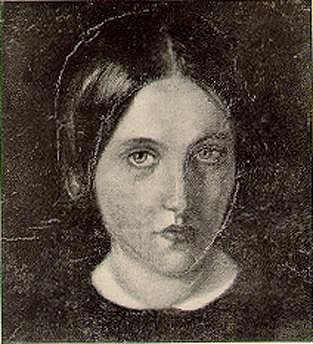
—Did it make you sad to see those women?
Sad, yes, but also full of tenderness. Imagine young girls barely older than your big sister, without family, without money, crushed by the city. In my Victorian time, a woman who fell had almost no chance to get back up. No one forgave her. So when one of them found a little hope, an honest job, a peace, my heart warmed. All of that nourished my poetry without my really deciding it. Some of my poems speak of those forgotten women. I believe no soul is lost forever. That's what my faith whispered to me.
—I hear one of your poems is sung at Christmas. Which one?
Ah, In the Bleak Midwinter! I wrote it around 1872. A poem about the birth of the child Jesus in the midst of a freezing winter, the earth hard as iron, the wind moaning. Imagine snow falling silently over a silent countryside. After my death, it was set to music by a composer named Gustav Holst. And ever since, it is sung in churches and homes, all over England, every Christmas. I never knew, because it was sung after my death. But it is sweet to think that my voice continues there, near the hearths.
It is sweet to think that my voice continues near the hearths.
—How does it feel that lots of people sing you without knowing your name?
You ask a question that touches me, my child. Yes, millions of people sing my words at Christmas, and almost none know who wrote them. Does that make me sad? No. Truly not. All my life, I sought simplicity, discretion. I signed my first poems under a false name, remember? So for a poem to live on its own, detached from me, like a bird released, that is perhaps the finest gift. The name is forgotten. Beauty, however, remains and consoles. That is already enough for a poetess like me.
The name is forgotten; beauty, however, remains and consoles.
This imaginary interview was generated by artificial intelligence from sources documented in Christina Rossetti's profile. It dramatises what the figure might have said based on what we know about them, but does not constitute attested historical testimony. For primary sources and factual documentation, refer to the full profile.