Imaginary interview with Clotilde
by Charactorium · Clotilde (474 — 545) · Politics · Spirituality · 6 min read
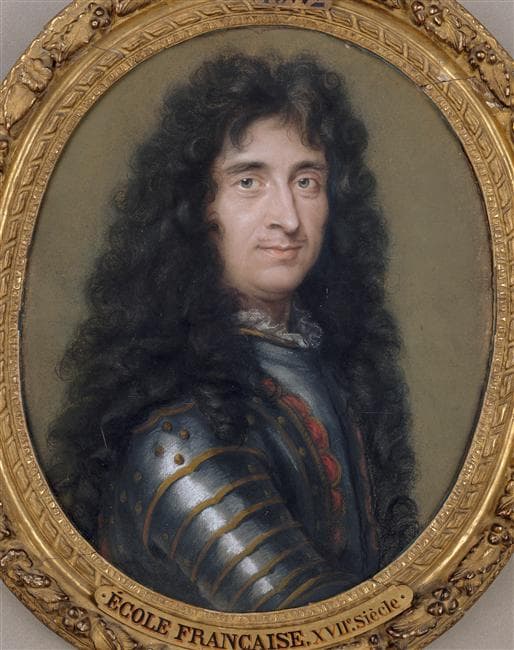
Tours, a morning in the year 545. Near the tomb of Saint Martin, in the cold of the stones and the smell of wax from the candles, an old queen in a dark veil agrees to speak. Her voice is low, but when she mentions Clovis, something ancient revives.
—How did you begin to speak of the living God to a still pagan king?
You must remember what my husband was when I married him, around 493: a young king of the Salian Franks who prayed to figures carved from stone, wood, and metal. I came from Burgundy, a Christian, though raised in the Arianism that I myself had to leave. So, day after day, I repeated to him that these gods he worshipped can do nothing, neither for themselves nor for others, since a man carved them with his hands. You do not convert a warrior by fear; you wear him down with patience. I showed him the sky, the rain, the harvests, and I asked which of his idols had ever made a single ear of grain grow. He listened, he smiled, he persisted. But the seed was sown.
These gods he worshipped can do nothing, neither for themselves nor for others.
—What really happened, they say, on the battlefield of Tolbiac?
Around 496, my husband marched against the Alemanni. The Battle of Tolbiac was going badly; his lines were buckling, death was near. It was then, I was told, that he looked up and called no longer on his mute idols, but on the God of Clotilde — he promised to believe and receive baptism if he prevailed. Victory came. Can you imagine what I felt when I learned this? Not the pride of having won an argument, but the trembling of a woman who sees a prayer of so many years finally answered. I had not defeated the Alemanni; I had done nothing but pray and wait. The rest belonged to Him who, on that day, had deigned to answer a man on the brink of the abyss.
I had not defeated the Alemanni; I had done nothing but pray and wait.
—Did the baptism at Reims fulfill the promises you expected from it?
The day when Bishop Remi immersed Clovis in the water of the baptistery at Reims, he told him to bow his head gently, he the proud Sicambrian, to adore what he had burned and burn what he had adored. Thousands of his warriors, they say, followed him to the holy chrism. What I hoped for surpassed one man: I saw an entire kingdom align itself with the Church of Rome, when so many Germanic peoples remained in Arian heresy. My husband did not become a saint that day — he remained a king, hard, cunning, warlike. But the Frankish kingship, for its part, had chosen its side for centuries. That, no battle could give. Only the water of baptism could do that.
—Do you remember what became of your first son, Ingomer?
How could I forget him. Our firstborn, Ingomer, I wanted to have baptized immediately, contrary to Frankish custom. He was clothed in the white robe of the baptized — and he died shortly after, still clad in that immaculate linen. Clovis reproached me bitterly: my God, he said, had not even been able to keep a child alive. You do not know what that silence is, that of a mother whose faith is thrown back at her as a fault. I carried that small white body and I answered nothing that could console him, for I did not understand either. I only knew that my son had entered heaven through the door of baptism. That had to be enough for me. I had to learn to let it be enough.
You do not know what that silence is, that of a mother whose faith is thrown back at her as a fault.
—How did your second son change the court's view of the new faith?
When our second son was born, I had him baptized too, despite the fear that knotted my stomach. He fell ill, like his brother. At court, they already murmured that the God of Christians took the children given to Him. And then the child recovered. He lived. Then I saw what mattered more than anything: in Clovis's eyes, reproach gave way to doubt, and doubt is the beginning of faith. It was not a dazzling miracle, no spring or thunder — only a little boy who was still breathing in the morning. But it was through such nothings that the new faith won the royal household, chamber by chamber, more surely than through all my speeches.
Reproach gave way to doubt, and doubt is the beginning of faith.
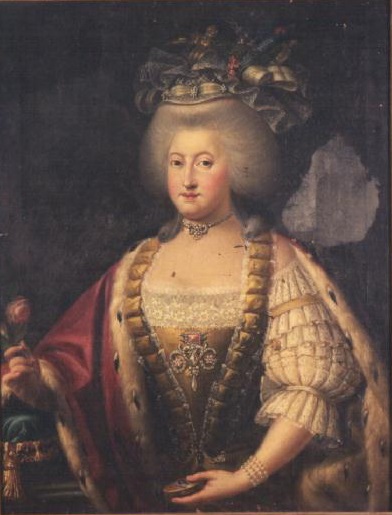
—A marvel is told about the founding of your monastery at Les Andelys. What would you say about that story of the spring?
At Les Andelys, in Normandy, I wanted to build a house for nuns. The construction site rose under a harsh sun, and the workers, exhausted, asked for something to drink. It is reported that I prayed, and that the water of a spring, that day, turned into wine to refresh those laborers. Must I swear to this wonder? I will only tell you this: a queen who builds an abbey gives her workers what she can, bread, wine, her gratitude. If heaven wished to lend a hand, so much the better; the glory does not go to Clotilde. These tales will outlive me, I know, and they will speak of charity better than I. That they remember the spring rather than the queen does not grieve me.
—How did you live the day when, as a widow, you left the court?
Clovis died in 511, and his kingdom was immediately divided among our four sons. I could have stayed, weighed on councils, intrigued as queen mothers know how to do. I did not want that. I removed the diadem of gold and gems that marked my rank of regina, and I took the dark veil of consecrated widows. That gesture, believe me, costs more than a battle: one renounces not wealth, but the gaze of others, what they expect of a queen. I left for Tours, near the tomb of Saint Martin, to be there only Clotilde. The world thought me diminished. I had never felt so free.
One renounces not wealth, but the gaze of others.
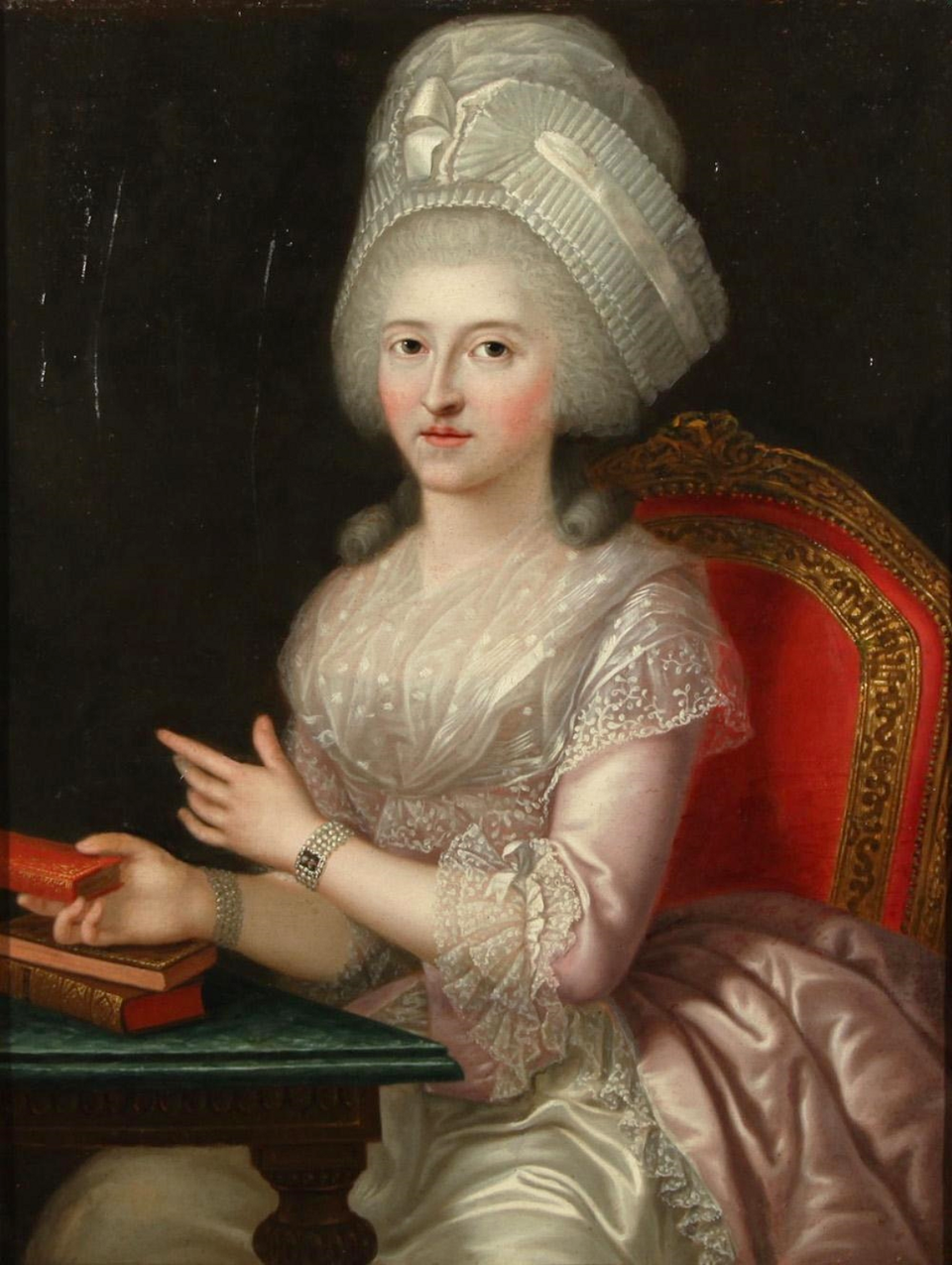
—What were your days like here in Tours during those long years of widowhood?
Thirty years, almost, in the shadow of Saint-Martin. In the morning, Mass and prayer; my table no longer has anything of the feasts of old — a little bread, some vegetables, a sobriety close to monastic fasting, I who once tasted game meats and Gallic wine. In the afternoon, I open my alms purse. The chroniclers will say that I distributed my goods to the poor, to churches, to monasteries without counting — it is true, and it is not a virtue, it is a relief. What would I do with so much gold in a hand that will soon let go of this world? In the evening, I read, I pray for my sons, for those who tear each other apart — for I saw Clodomir fall, and two of my grandsons slaughtered by their uncles. Prayer is all that remains for me to give them.
What would I do with so much gold in a hand that will soon let go of this world?
—Do you sometimes think about how you will be remembered?
You push me onto ground that is not mine. How would I know what will be said of me? If I could imagine being read in a century or two, I fear that Clotilde will be made into too smooth a figure — the pious queen who converted her king, like an image in a book. Perhaps a Life of Saint Clotilde will be written, I will be celebrated as a mother who brought her husband to the true faith. My relics will be enclosed in a precious reliquary shrine, in Paris, near Clovis. All this is vanity if they forget what I truly was: a woman who prayed, who lost sons, who doubted and began again. The sanctity they will lend me, I do not recognize. I only waited for God.
—What would you like young generations to remember about what the Christian queen was?
That being a queen served me for nothing, except to give more. I will no doubt be called regina of the Franks, they will speak of the basilica of the Holy Apostles that we founded in Paris and which will become our tomb. But the rank, the golden fibula that clasped my cloak, the palaces of Soissons — all that was lent to me, not given. What remains is what one sowed in souls: a kingdom turned toward the living God, monasteries where they still pray, a few poor people fed. Let the young not admire the crown. Let them rather look at the old woman in the dark veil who, after having everything, understood that she possessed nothing. That, perhaps, is the only lesson of a queen.
Let the young not admire the crown, but the old woman who understood that she possessed nothing.
Read further
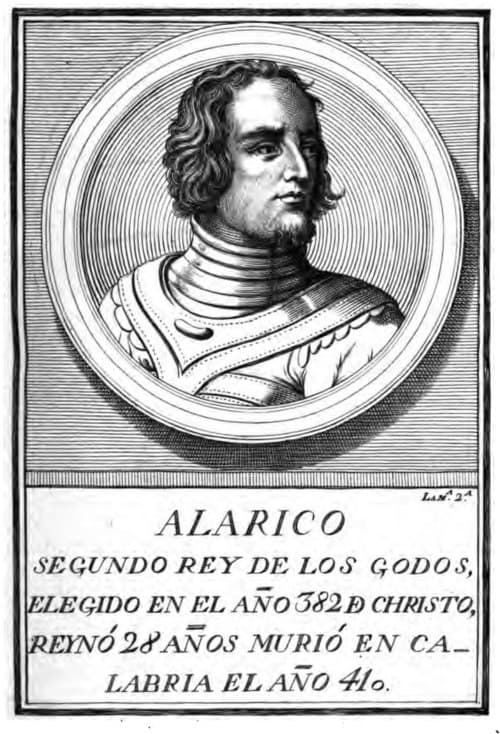
This imaginary interview was generated by artificial intelligence from sources documented in Clotilde's profile. It dramatises what the figure might have said based on what we know about them, but does not constitute attested historical testimony. For primary sources and factual documentation, refer to the full profile.