Kids interview Clotilde
by Charactorium · Clotilde (474 — 545) · Politics · Spirituality · 5 min read
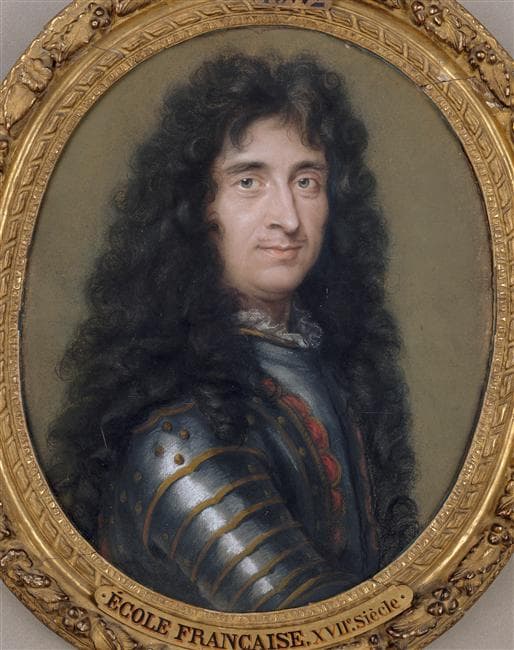
Two twelve-year-old students, on a school field trip, stop in front of an old church dedicated to a queen. She greets them with a gentle smile, her dark veil on her shoulders. "Come closer, my children," she says. "You want to know how a young princess changed a king's heart? Sit down."
—How old were you when you became queen of the Franks?
I was very young, my child, barely twenty years old. I was born in Lyon, a princess of the Burgundians, a people already Christian. Then I was married to Clovis, that Frankish king still pagan. Imagine a little wooden house full of statues of stone and wood, his gods. I prayed to a God you couldn't see. At first, it was like two languages that didn't understand each other. I had to uphold my rank as queen, smile at the warriors, manage the palace of Soissons. But in my heart, one idea grew: to show him that his idols could do nothing for him.
Two languages that didn't understand each other: that was our marriage at first.
—How did you convince your husband to change gods?
Gently, my child, day after day. I didn't shout. I spoke to him about his statues. I told him that a god carved from stone or wood cannot even save himself — so how could he save a man? Imagine calling for help from a wooden doll: it stays there, mute. That's what I kept telling Clovis. He shrugged, he loved his old warrior gods. But water wears away stone. Little by little, my words made their way. That was my true battle as queen: not with a sword, but with patience.
Water wears away stone, and my words wore away his heart.
—Is it true that your first baby died? That must have been horrible.
Yes, my child... and it remains my greatest pain. My first son, Ingomer, I had him baptized. He was dressed in a little white robe, a sign that he belonged to God. And then he died, so small, still in that robe. Clovis looked at me with anger: 'Your God couldn't even keep him alive.' I cried, but I did not let go of my faith. When our second son fell ill after his baptism and recovered, I knew. It was no accident. Sometimes life takes one thing away to show you another.
Sometimes life takes one thing away to show you another.
—Why did Clovis finally agree to be baptized?
Because of a battle, my child! At Tolbiac, his enemies the Alamanni were crushing him. His own gods did not help him. So, in despair, he cried out to my God: if he won, he would be baptized. Imagine a proud man, covered in mud and blood, finally calling on his wife's God. And he won! He kept his word. All those years I spoke into the void, that day they bore fruit. It wasn't I who conquered him, you know. It was he who finally reached out to heaven.
A proud man, covered in mud, finally calling on his wife's God.
—What was the day of your husband's baptism like?
A momentous day, my child. At Reims, Bishop Remi was waiting for Clovis near the basin of holy water, the baptistery. My king, that feared warrior, bowed his head like a child. Remi spoke those famous words: 'Bow your head gently, fierce Sicamber; adore what you have burned, burn what you have adored.' The Sicamber was the name of his distant ancestors. Imagine thousands of Frankish warriors who were baptized after him that day. Water flowed, songs rose. A whole people changed heart at once. I thought I was dreaming.
A feared warrior bowed his head like a child.
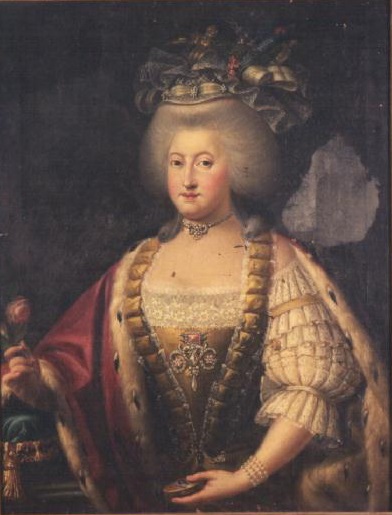
—Did you really turn water into wine, like in the Bible?
That is what tradition tells, my child, and I pass it on to you as it was given to me. I had founded a monastery at Les Andelys for nuns. The workers building the walls were dying of thirst under the sun. So, it is said, I prayed, and the water of a spring turned into wine to refresh them. Building houses of God was my great joy. At Paris, with Clovis, we raised the Basilica of the Holy Apostles. Laying stones for prayer, feeding those who work: that is what matters. A queen builds not only palaces, but also shelters for souls.
A queen builds not only palaces, but shelters for souls.
—What did your daily life in the palace smell like?
Ah, the life of a queen! In the morning, it smelled of fire smoke and warm bread. I went to pray, then received the palace stewards. In the afternoon, I opened my alms purse to the poor who knocked at the door. Imagine soft linen tunics, a cloak fastened with a golden fibula — a large shiny brooch set with red stones. In the evening, we gathered for a meal: bread, game meat, fish, Gallic wine. Then I prayed again before sleeping. The power of the Franks was always moving, from Soissons to Paris. We never stayed long in one place.
—What did you do when Clovis died?
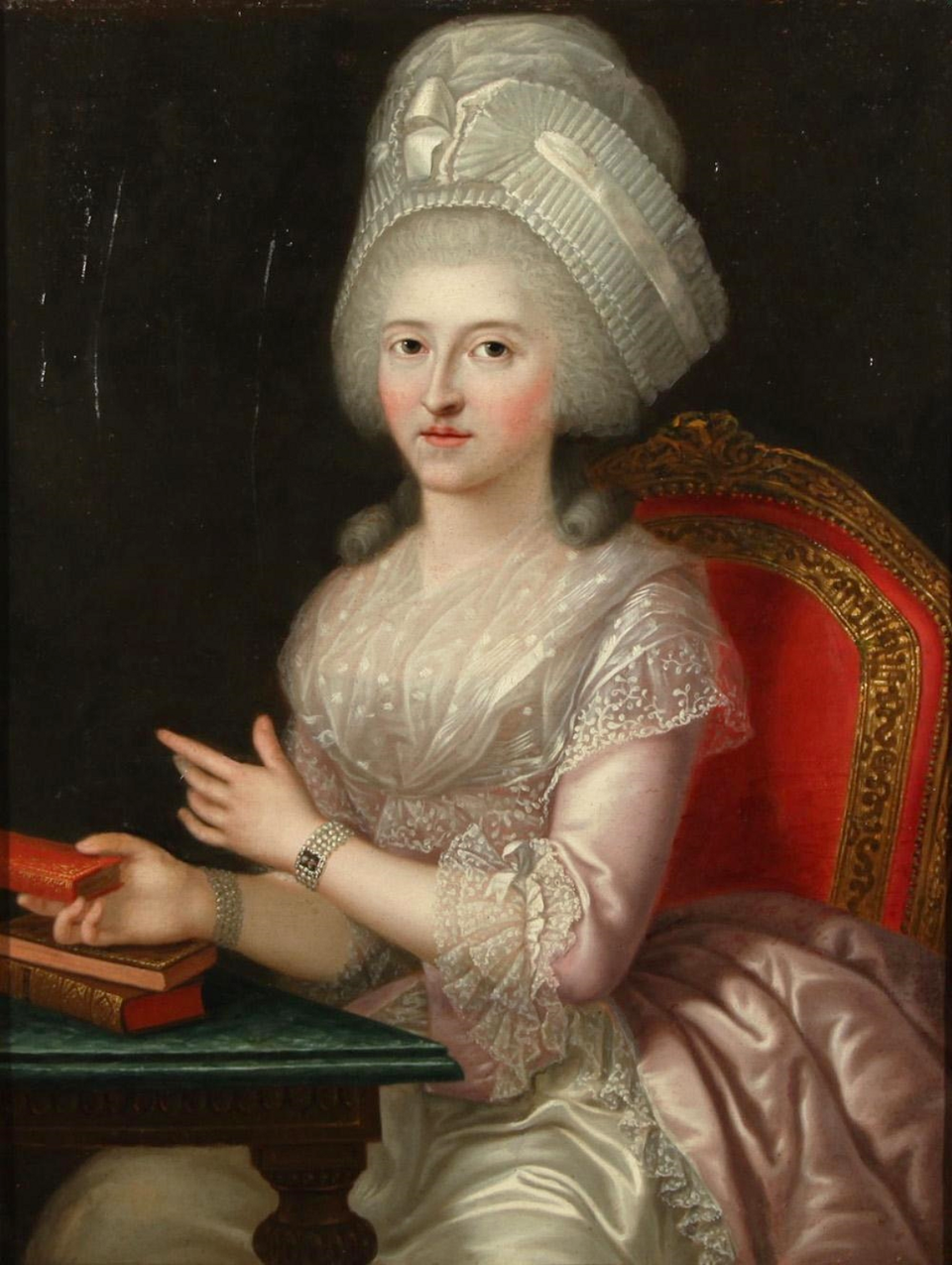
I left everything, my child. Clovis died in 511, and I found myself a widow. I removed my diadem, that gold band that showed I was queen, and I took the dark veil of widows. No more court intrigues, jewels, feasts. I went to Tours, near the tomb of Saint Martin, a very great saint of Gaul. Imagine a woman who had reigned, and who chose a small room near a church. I spent more than thirty years there praying and caring for the poor. That was the most peaceful part of my life.
I removed my diadem and took the veil: a queen can choose silence.
—Did you ever want to abandon your faith after all those misfortunes?
Misfortunes, my child, I did not lack. After Ingomer, I lost my son Clodomir in battle, then two of my grandsons were murdered by their own uncles. Only one, little Cloud, escaped the massacre by becoming a monk. Imagine a grandmother watching her family tear itself apart. There were nights when my heart was heavy as a stone. But I never let go of God's hand. It is precisely in the storm that you hold on tightest to what keeps you standing. My faith was my support, not my burden.
It is in the storm that you hold on tightest to what keeps you standing.
—Why are you still remembered today?
Because I was called a saint, my child, and my memory is celebrated each June 3. But I did not seek glory. I only wanted to bring my husband to the true faith, and to help the poor around me. An old Life of Saint Clotilde tells all this so that children like you remember. If my name is kept, it is not for my lost diadem, nor for my stone churches. It is because a patient woman can change the course of a kingdom without ever drawing a sword. That is what I would like to leave you: be gentle, be patient, and hold firm.
A patient woman can change a kingdom without ever drawing a sword.
Read further
This imaginary interview was generated by artificial intelligence from sources documented in Clotilde's profile. It dramatises what the figure might have said based on what we know about them, but does not constitute attested historical testimony. For primary sources and factual documentation, refer to the full profile.