Imaginary interview with David
by Charactorium · David (1038 av. J.-C. — 968 av. J.-C.) · Mythology · 6 min read
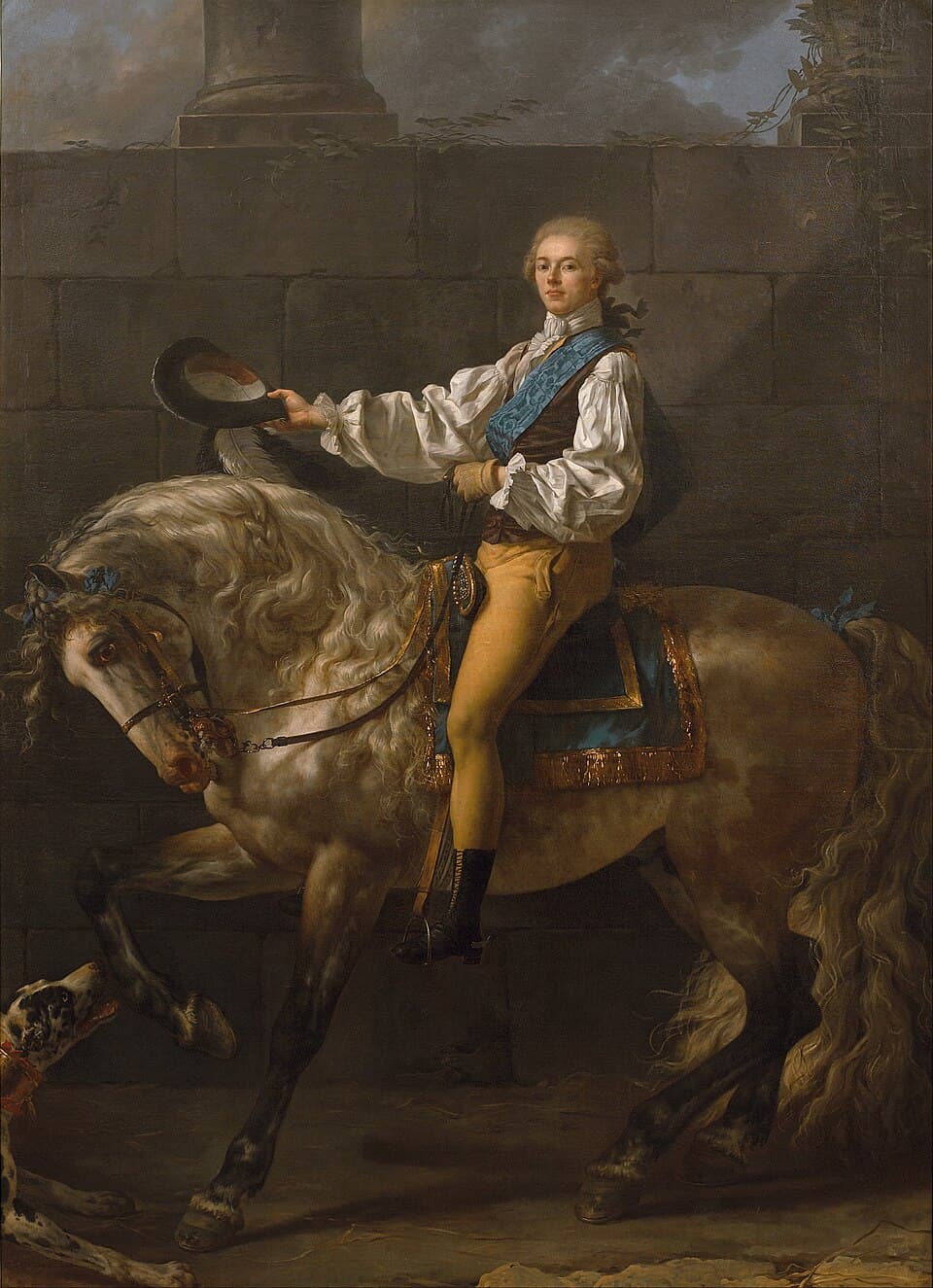
On the height of Zion, in the cool of the evening, the king of Israel receives guests at the threshold of his stone palace. A lyre rests against the wall, the Ark is only a few paces away. David, his brow weathered by the Judean sun, agrees to look back on the long road that led him from the pastures of Bethlehem to the throne.
—Before you were king, you tended flocks. How did you feel as you went down into the Valley of Elah, facing the Philistine champion?
I was the youngest son of Jesse, sent to bring bread and cheese to my brothers. When I saw that giant insulting the army of the living God of Israel every morning, my anger weighed heavier than my fear. Men wanted to put a bronze helmet and a coat of mail on me; I took them off, they were not made for a shepherd. I picked five smooth stones from the brook and took my sling, the one with which I kept the lion and the bear away from the flock. I said to him: “You come to me with a sword, a spear, and a javelin; but I come to you in the name of the Lord of hosts, the God of the armies of Israel, whom you have defied.” One stone was enough.
I took off the armor: it was not made for a shepherd.
—That victory changed your life. How did the unknown shepherd become a name that all Israel repeated?
As soon as the Philistine collapsed in the dust of the Valley of Elah, his army fled and ours rushed in pursuit. On my return, women came out of all the cities singing and dancing, and their refrain gave me more glory than King Saul himself. That is what seals a destiny: not the stone, but the song that follows it. I had been called to court to soothe the king with my lyre; I suddenly found myself a captain, friend of his son Jonathan, and the object of his jealousy. A shepherd who fells a giant never quite becomes a shepherd again. The sling opened a path for me whose weight and dangers I did not yet measure.
What seals a destiny is not the stone, but the song that follows it.
—You made a small fortress your capital. Why did you choose Jebus rather than Hebron, where you already reigned?
In Hebron, I was anointed king of Judah and reigned there seven years, but one tribe does not make a kingdom. To unite the North and the South, I needed a city that belonged to none of the twelve tribes, neutral ground that no one could reproach me for. The fortress of Zion stood there, reputed impregnable by its inhabitants. I took it, and it was later said that David became more and more powerful because the Lord was with him. I built my palace on the height. But a capital is only a pile of stones as long as God does not dwell there: that is why my true work was only beginning.
—You speak of making God dwell in the city. What did the transfer of the Ark of the Covenant mean to you?
The Ark of the Covenant, that chest bearing the Tablets of the Law, had wandered too long far from the heart of my people. Bringing it up to Jerusalem was not moving a sacred object; it was making the political city a holy city. I danced before it with all my might, careless of my royal dignity, for before the Lord a sovereign is but a man. Later, on Mount Moriah, I wanted to build it a lasting stone dwelling; but that honor was not granted to me, whose hands had shed so much blood in battles. I prepared the site and the materials, and I left it to my son to build the Temple.
Before the Lord, a sovereign is but a man.
—Before weapons, there was music. How did you first enter King Saul's court?
King Saul was tormented by a black melancholy that enveloped him like a storm. They sought someone who could play, and they remembered the youngest son of Jesse who sang in the hills of Bethlehem. I took my lyre and, as my fingers ran over the strings, the evil spirit departed from him and he found calm. Strange thing: I first served the king by the gentleness of the strings before serving him by the sling and the sword. Music was not a palace entertainment for me; it was already a prayer, a way to keep my soul turned toward Him who calms. The same hand that soothed Saul would later compose my psalms.
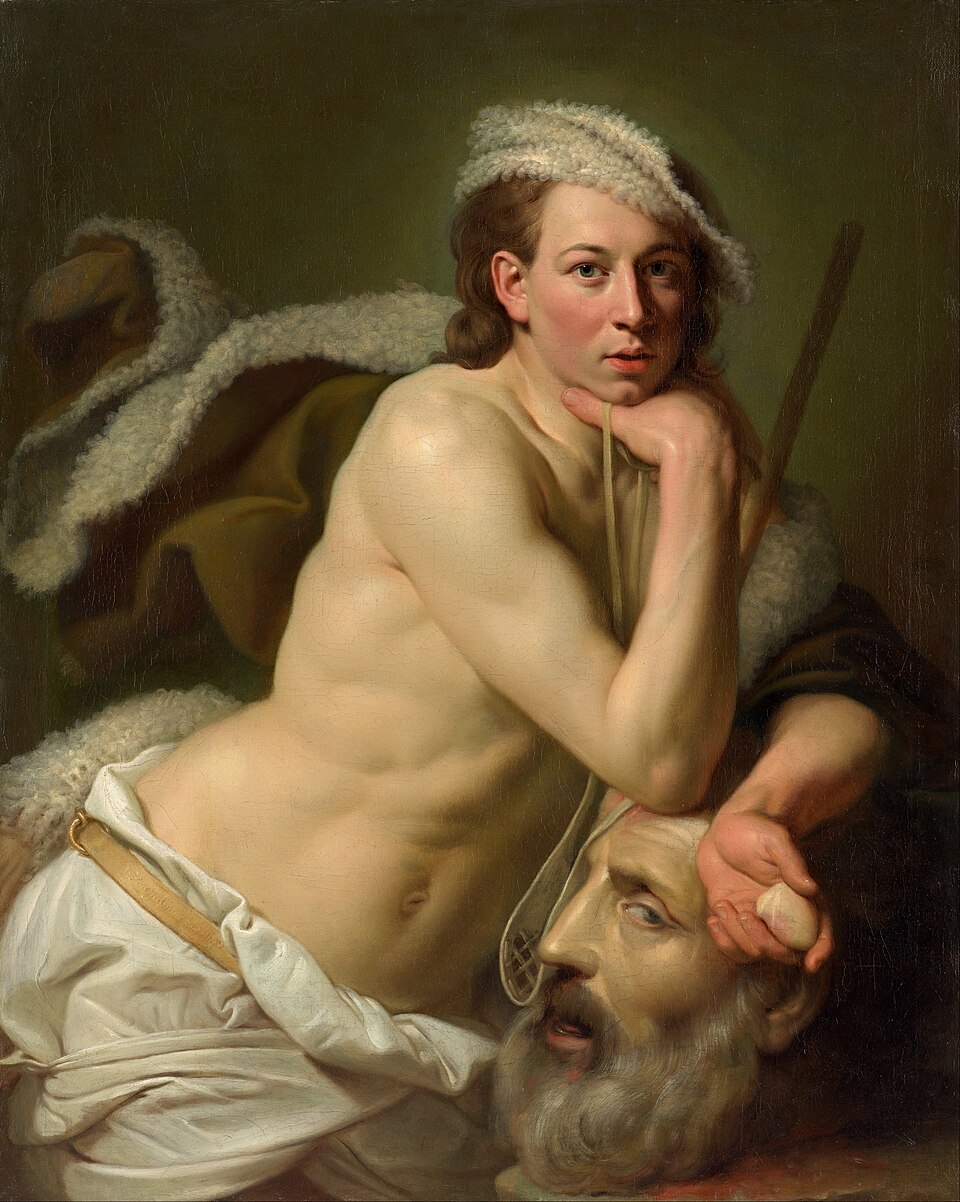
—You are called the king-poet. What did you seek to express in your psalms?
Everything a man can feel before his God, I put into song: praise on days of victory, lament in flight through the wilderness of Judah, repentance after my faults. I did not write to be admired, but to not remain silent. When fear gripped my throat, I sang: “The Lord is my light and my salvation; whom shall I fear? The Lord is the strength of my life; of whom shall I be afraid?” These words kept me standing more surely than any rampart. In the evening, in my chambers, while the musicians tuned their instruments, I let these poems come as one lets a spring flow. I did not know they would still be sung after me.
I did not write to be admired, but to not remain silent.
—Your reign was not without shadows. Would you revisit the affair of Bathsheba?
This is the wound I do not seek to hide, for hiding it would be lying. One evening, from the roof of my palace in Zion, I saw Bathsheba, the wife of Uriah, one of my own officers. I desired her, I took her, and to cover my sin I sent her husband to die in the thick of battle. A king can command anything of men; he commands nothing of his conscience. The grandeur of a throne does not shelter anyone from their own baseness, and this is perhaps the hardest lesson I learned. I had felled a giant outside; I had not felled the one that dwelt within me.
I had felled a giant outside; I had not felled the one that dwelt within me.
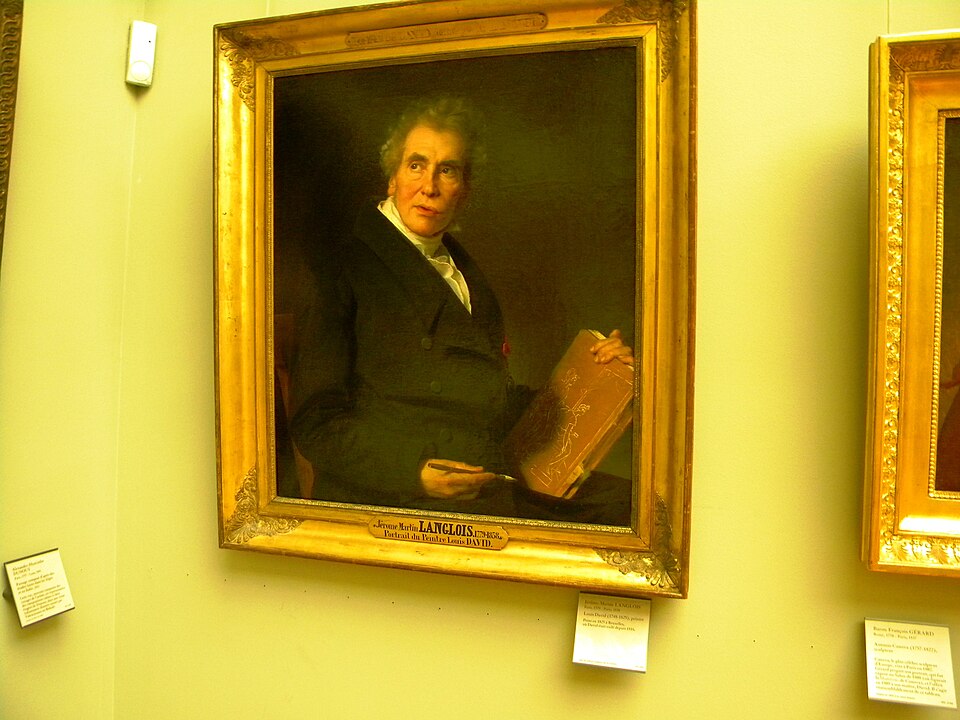
—The prophet Nathan came to you after that. How did you receive his reproach?
Nathan did not present himself as an accuser; he told me the story of a rich man, with flocks and herds, who for his feast stole the one ewe lamb of a poor man. I burned with indignation and swore that man deserved death—before realizing that that man was me. That is how God speaks to a king: not by lightning, but by a parable that makes you pronounce your own sentence. I did not silence the prophet, I did not raise my hand against him. I bowed and acknowledged my fault. A sovereign who can no longer hear a voice that contradicts him is already a tyrant; that day, I chose to remain a man.
That is how God speaks to a king: not by lightning, but by a parable.
—You united tribes long divided. How did you manage to forge a single kingdom?
The North, Israel, and the South, Judah, were like two brothers who turned their backs on each other. After Saul's death, the elders of the tribes came to Hebron to make a covenant with me, and I agreed to become the shepherd of the whole flock, not of a single part. I then led my campaigns against the Philistines, the Moabites, the Arameans, pushing our borders to the distant banks of the Euphrates. But one does not unite a people by the sword alone: a center was needed, Jerusalem, and a heart, the Ark. A court, a standing army, judges to settle disputes between tribes. I wanted to build a kingdom that would stand even when the king lay in the grave.
—What would you say to those who, in centuries to come, would still speak of the house of David?
If I could imagine that my name would be spoken long after the dust covered me, I would not glory in it for myself. I took care, as I grew old, to secure the throne for my son Solomon against those who coveted it, so that the line would not break. A dynasty is not a king's vanity: it is a promise stretched toward the future, the hope that one day a descendant will reign in justice. That distant peoples would one day carve the words “house of David” in stone—that is beyond me. I was only a shepherd called from the pasture; if anything of me remains, it will not be my sword, but this hope that I have passed on.
A dynasty is not a king's vanity: it is a promise stretched toward the future.
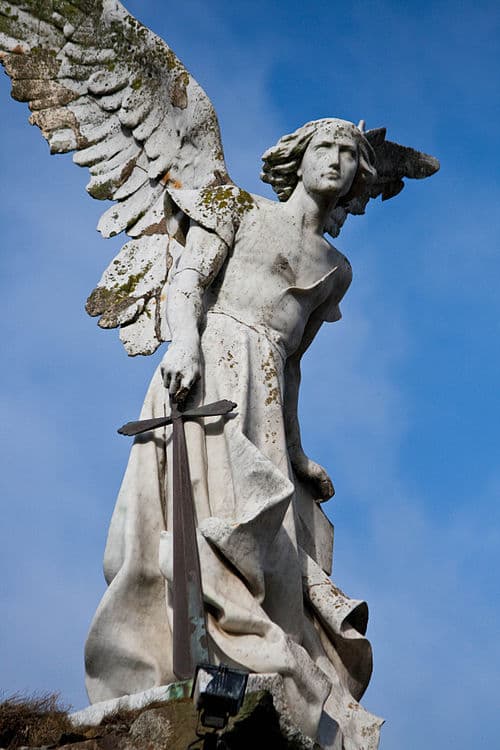

This imaginary interview was generated by artificial intelligence from sources documented in David's profile. It dramatises what the figure might have said based on what we know about them, but does not constitute attested historical testimony. For primary sources and factual documentation, refer to the full profile.